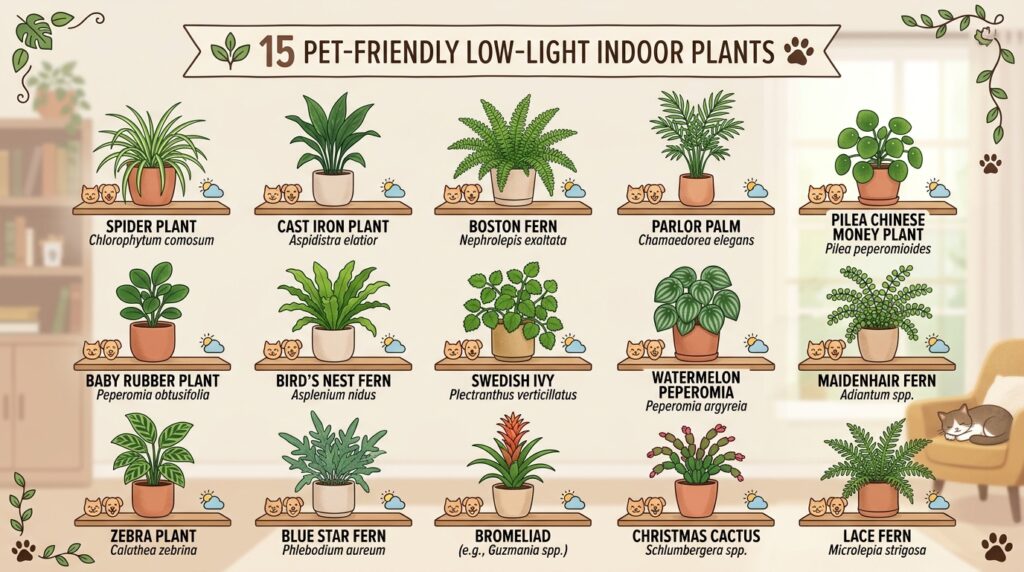
If you have a curious cat or a snack-happy dog, you already know the anxiety of bringing home a new plant — will they eat it? Will it hurt them? The good news is, you don’t have to choose between a lush indoor jungle and a safe home for your fur babies! There are tons of gorgeous, pet-friendly low-light indoor plants that thrive in dim corners, apartments, and offices without putting your pets at risk. Ready to find out which ones made our list? Let’s dive in!
At a Glance
- All 15 plants on this list are confirmed non-toxic to cats and dogs according to the ASPCA.
- Most of these plants thrive in indirect or low light, making them perfect for apartments and rooms without south-facing windows.
- Many of these picks are also low-maintenance, so beginners and busy plant parents will find them easy to keep alive.
- Combining a few of these plants can create a lush, layered indoor jungle that’s completely safe for curious noses and paws.
- Choosing pet-safe plants doesn’t mean sacrificing style — these 15 are genuinely beautiful and on-trend.
1. Spider Plant
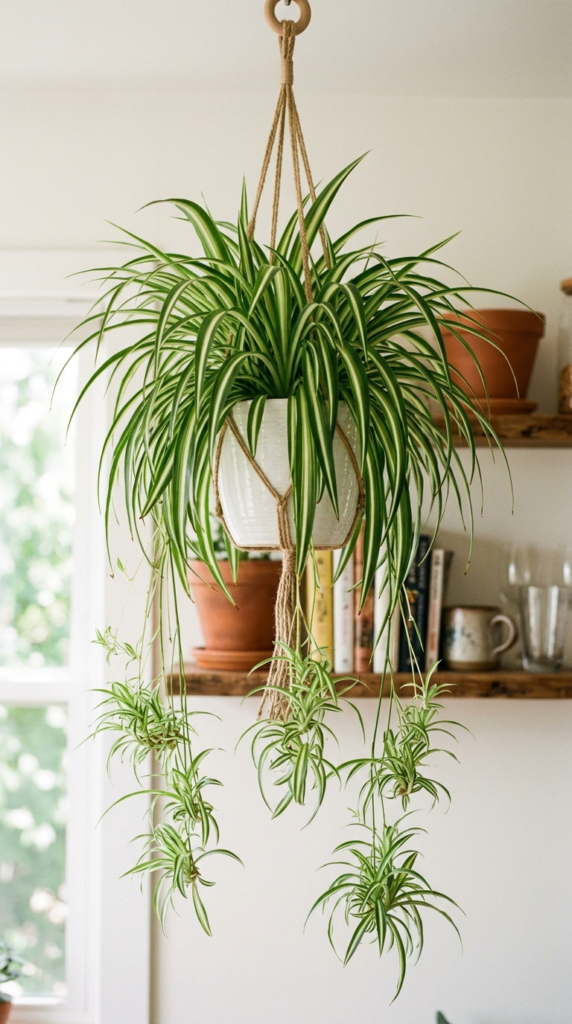
Here’s the deal: the Spider Plant (Chlorophytum comosum) is basically the golden retriever of the plant world — cheerful, friendly, and impossible to dislike. It’s one of the most well-known pet-safe indoor plants, and for good reason!
Spider Plants are nearly indestructible. They tolerate low light like champs and actually prefer indirect sunlight, which makes them ideal for shelves, corners, or hanging baskets away from bright windows.
The fun little “spiderettes” (those baby offshoots that dangle on long runners) are also super easy to propagate — snip one off, pop it in water, and you’ve got a brand new plant in weeks!
💡 Pro tip: Spider Plants are mildly hallucinogenic to cats — not toxic, but cats may chew on them repeatedly. Consider placing them in a hanging pot to limit access.
Check out our full care guide at how to grow spider plants indoors and get more info from the ASPCA’s non-toxic plant list.
You’ve totally got this with a Spider Plant — even if you’ve killed every plant you’ve ever owned!
2. Boston Fern
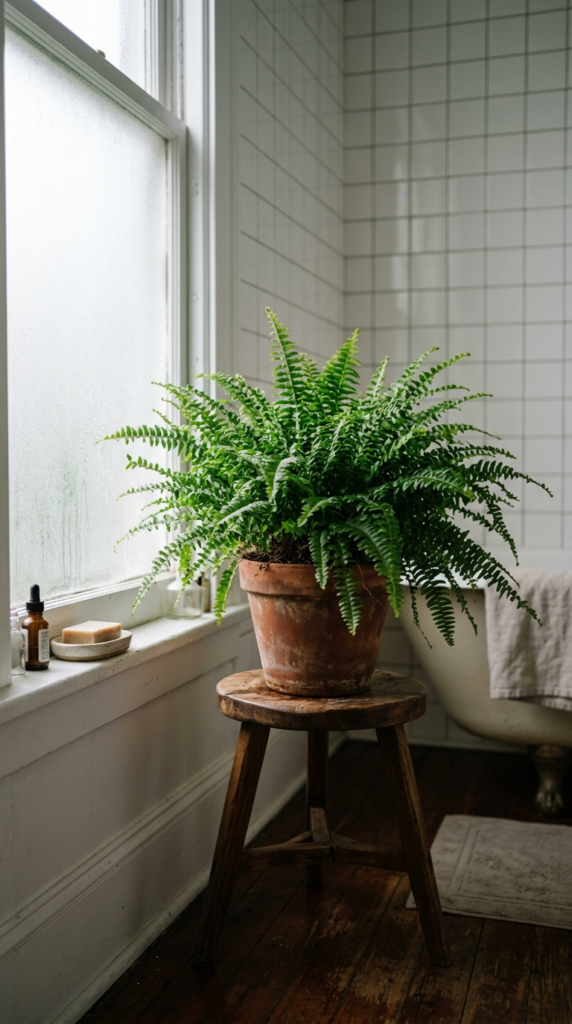
Boston Ferns (Nephrolepis exaltata) are the drama queens of the plant world in the best possible way — big, full, and absolutely stunning. And yes, they’re completely safe for pets!
They love humidity, which makes them perfect for bathrooms and kitchens. Low light? No problem — they actually prefer indirect, filtered light over harsh direct sun.
The secret is keeping them consistently moist without waterlogging the roots. A regular misting routine works wonders for keeping those fronds perky and green.
- Light: Low to indirect
- Watering: Keep soil moist; mist regularly
- Humidity: High — loves bathrooms!
- Pet safety: Non-toxic to cats and dogs ✅
Learn more about fern care for beginners and visit The University of Florida IFAS Extension for deeper growing tips.
Boston Ferns are a showstopper that your pets can safely sniff to their hearts’ content!
3. Calathea
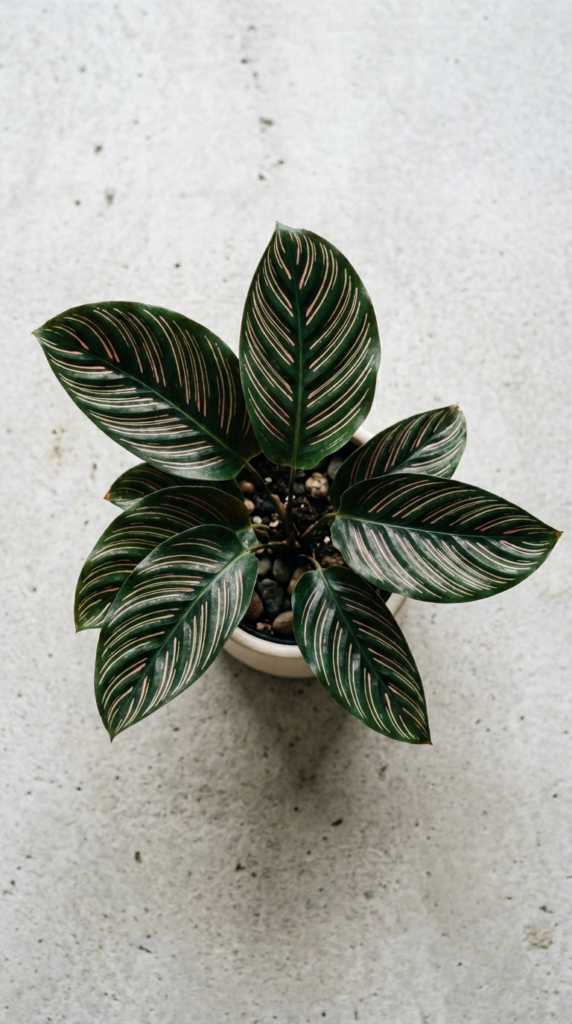
Talk about a game-changer! Calatheas are some of the most visually stunning low-light houseplants out there, with bold patterned leaves that look almost painted by hand.
They’re totally non-toxic to both cats and dogs, which is a massive win. Their dramatic foliage — think zebra stripes, peacock feathers, and pink pinstripes — makes them a centerpiece plant without any of the toxicity worry.
💡 Pro tip: Calatheas are sensitive to fluoride in tap water. Use filtered or distilled water for best results — it’ll keep those gorgeous leaves from browning at the tips.
They do like consistent humidity and indirect light, so avoid placing them near heating vents or cold drafts. Once you find their sweet spot, they’ll reward you with absolutely jaw-dropping foliage.
Explore our complete Calathea care guide to really dial in your routine.
Calatheas prove that pet-safe plants can be the most gorgeous plants in the room!
4. Areca Palm
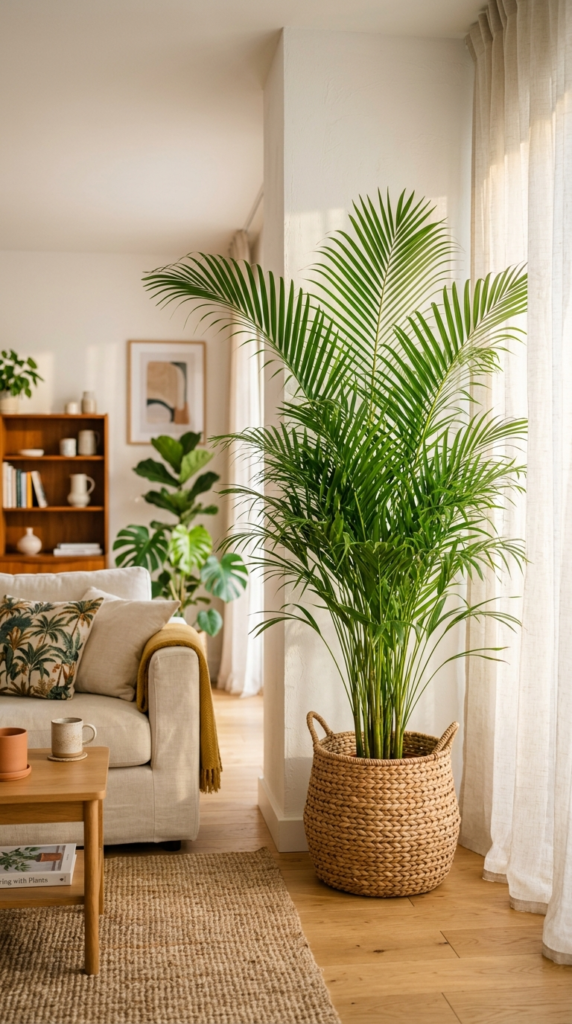
Want that tropical vacation vibe in your living room? Areca Palm (Dypsis lutescens) delivers it beautifully — and your pets can walk right past it without any danger!
This palm grows tall and lush with feathery, arching fronds that instantly make any space feel like a resort. It does fine in indirect bright to low light, though it’ll grow a little slower in dimmer spots.
One bonus? Areca Palms are NASA-approved air purifiers. Pretty cool, right? They filter out common household toxins like formaldehyde and benzene while looking absolutely incredible.
Find more tropical-safe options in our pet-friendly tropical houseplants guide and check the NASA Clean Air Study for the full breakdown.
An Areca Palm is basically a two-for-one: gorgeous decor AND cleaner air!
5. Parlor Palm
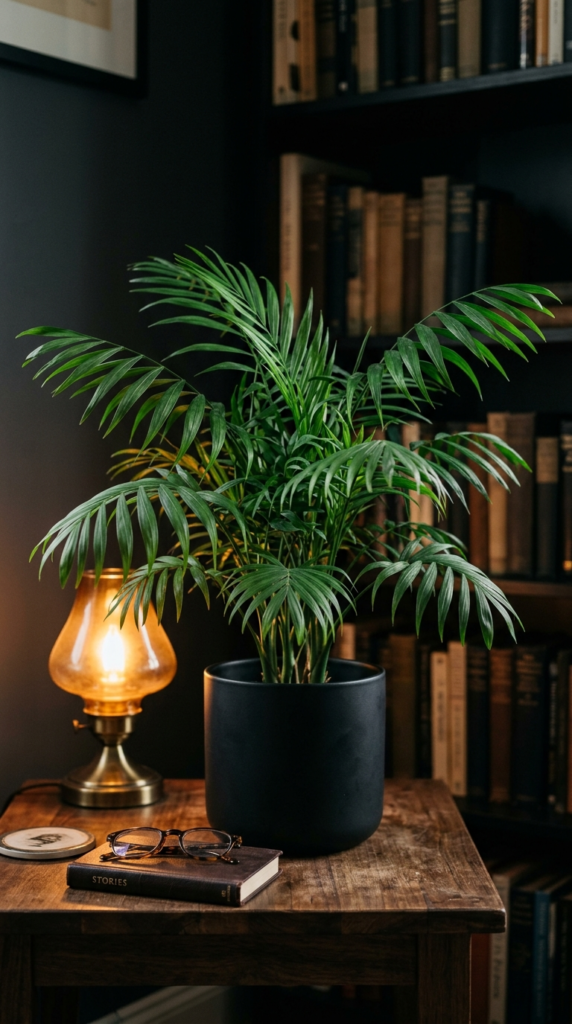
Here’s the thing: Parlor Palms (Chamaedorea elegans) are one of the best-kept secrets in the low-light plant world. They’ve been popular houseplants since the Victorian era, and once you see them, you’ll totally understand why.
They tolerate genuinely low-light conditions better than almost any other palm, which is rare! They stay compact and manageable — usually between 2–6 feet tall indoors — making them perfect for smaller apartments.
Safe for both cats and dogs, easy to care for, and elegant as anything. What more could you ask for?
Check out how to care for Parlor Palms for a step-by-step guide.
The Parlor Palm is proof that sophisticated and pet-safe can absolutely go hand-in-hand!
6. Peperomia
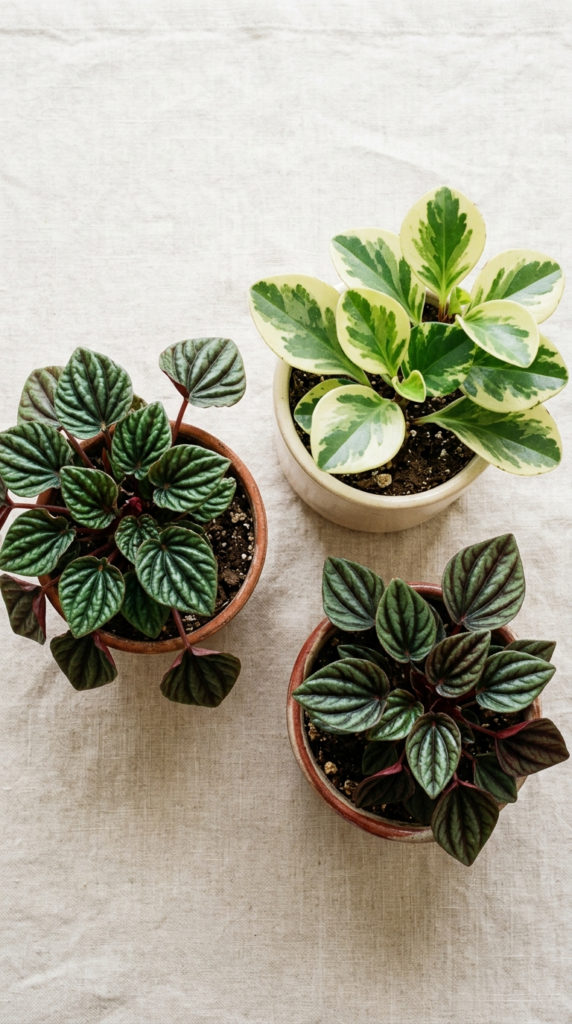
If you want a whole collection of pet-safe plants without a lot of fuss, Peperomias are your best friend. There are over 1,000 species, and virtually all of them are non-toxic to pets — talk about variety!
They come in every texture and color you can imagine: glossy, rippled, striped, watermelon-patterned, and more. And they all thrive in low to medium indirect light without much fuss.
💡 Pro tip: Peperomias store water in their thick leaves, so they’re very drought-tolerant. If you forget to water for a week or two, they’ll be just fine!
Browse our best Peperomia varieties for beginners and explore more at Gardenia.net.
Peperomias are basically the easiest way to build a gorgeous, pet-safe plant collection on a budget!
7. Cast Iron Plant
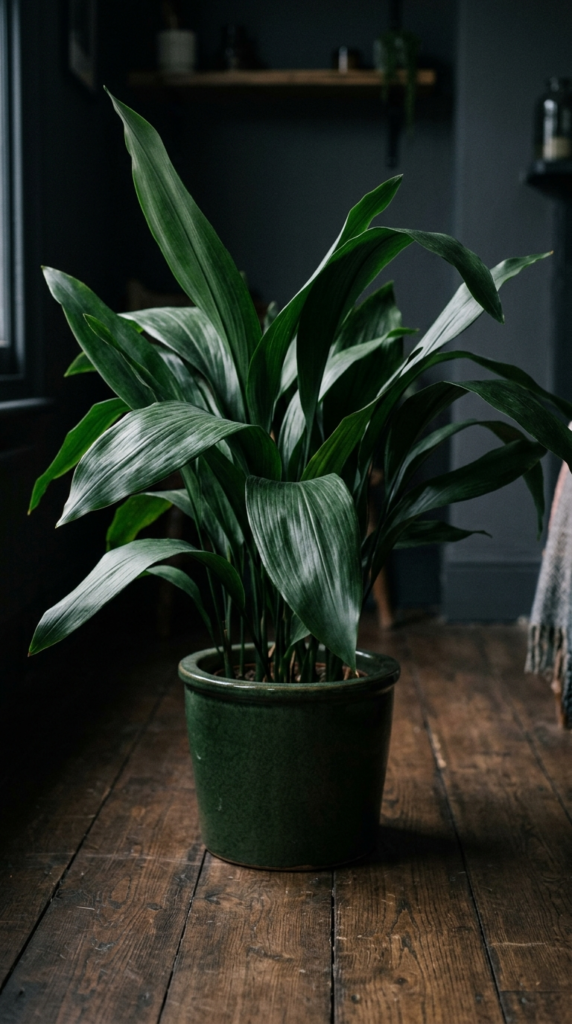
The name says it all — the Cast Iron Plant (Aspidistra elatior) is practically indestructible. Neglect it, forget it, stick it in a dark corner — it will survive. And yes, it’s completely safe for your pets!
This is the plant for people who love the idea of plants but struggle with consistency. It handles low light, irregular watering, temperature swings, and low humidity better than just about any other houseplant.
It won’t wow you with flashy colors or wild patterns, but those deep, elegant dark green leaves have a sleek, architectural quality that works beautifully in modern and minimalist interiors.
Learn more at how to care for Cast Iron Plants and trust us — even the most forgetful plant parent can nail this one!
8. Prayer Plant
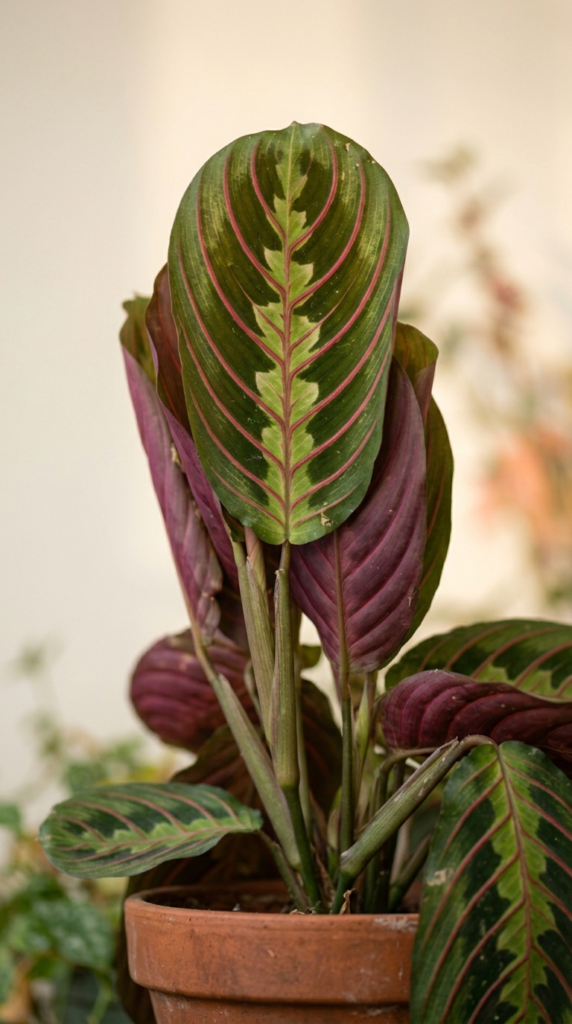
Here’s the deal: the Prayer Plant (Maranta leuconeura) is one of the most fascinating plants you’ll ever own. Its leaves literally fold upward at night — like hands in prayer — and reopen in the morning. Your pets can watch in safety!
Prayer Plants love indirect low light and high humidity, making them perfect bathroom or kitchen plants. Their bold green leaves with red or pink veins are genuinely stunning and totally on-trend.
| Feature | Details |
| Light | Low to indirect |
| Watering | Keep moist, don’t overwater |
| Humidity | High preferred |
| Pet safety | Non-toxic ✅ |
| Growth | Slow, trailing/spreading |
Check out Prayer Plant care tips for beginners and the University of Connecticut Plant Database for more.
The Prayer Plant is one of those plants that makes your home feel truly alive — and it’s completely pet-friendly!
9. Bamboo Palm
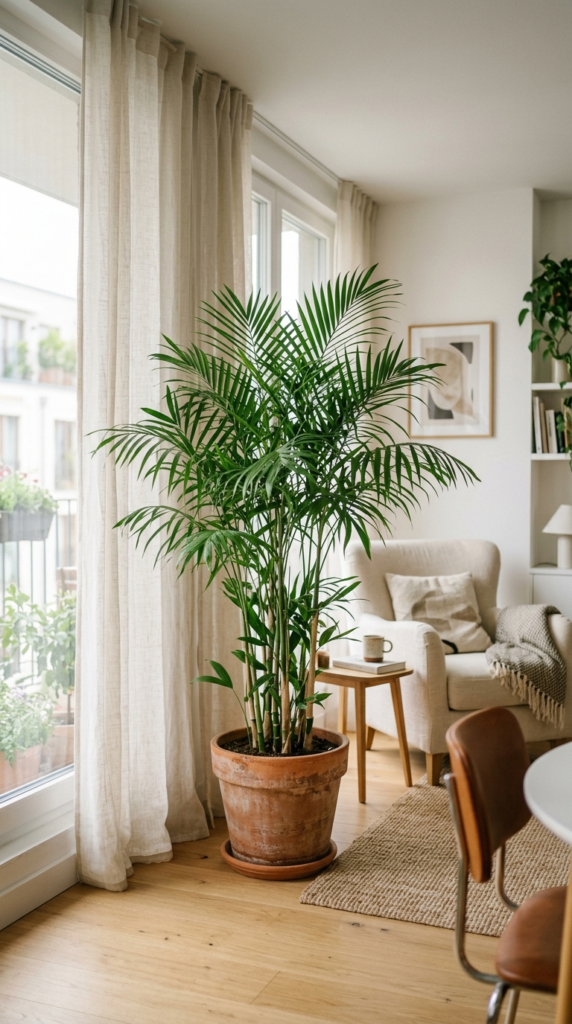
The Bamboo Palm (Chamaedorea seifrizii) brings serious tropical energy into any space — and it’s one of the best pet-safe low-light palms you can find. Bonus: it’s also an excellent air purifier!
It grows in clusters of slender, bamboo-like canes topped with graceful arching fronds. In low to medium indirect light, it’ll grow slowly but steadily, eventually reaching an impressive height indoors.
💡 Pro tip: Bamboo Palms like to be slightly root-bound, so don’t rush to repot. Wait until you see roots coming out of the drainage holes!
Visit our indoor palm care guide and verify its safety status on the official ASPCA non-toxic plant list.
The Bamboo Palm is everything — beautiful, air-purifying, and 100% pet-safe!
10. Friendship Plant
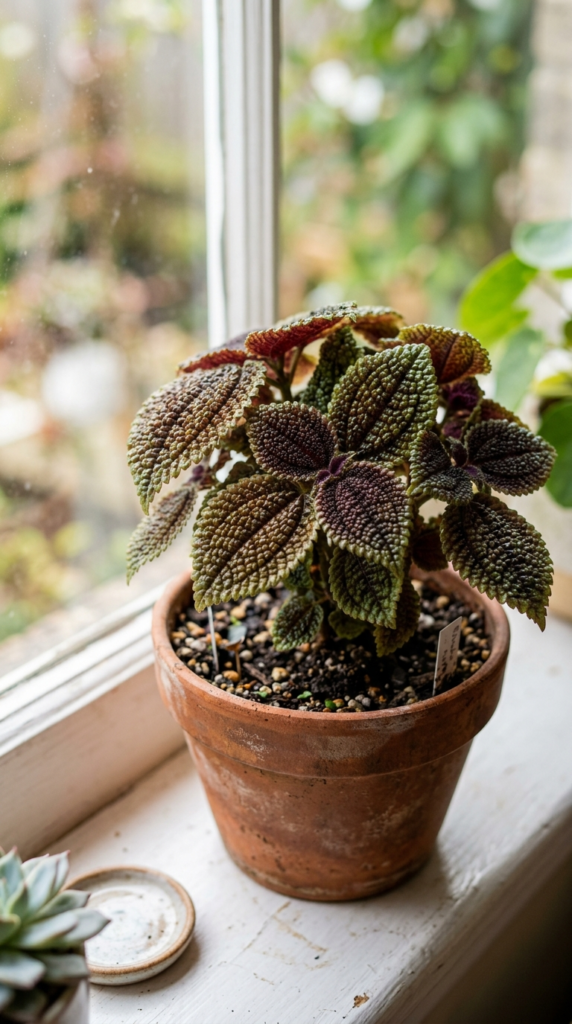
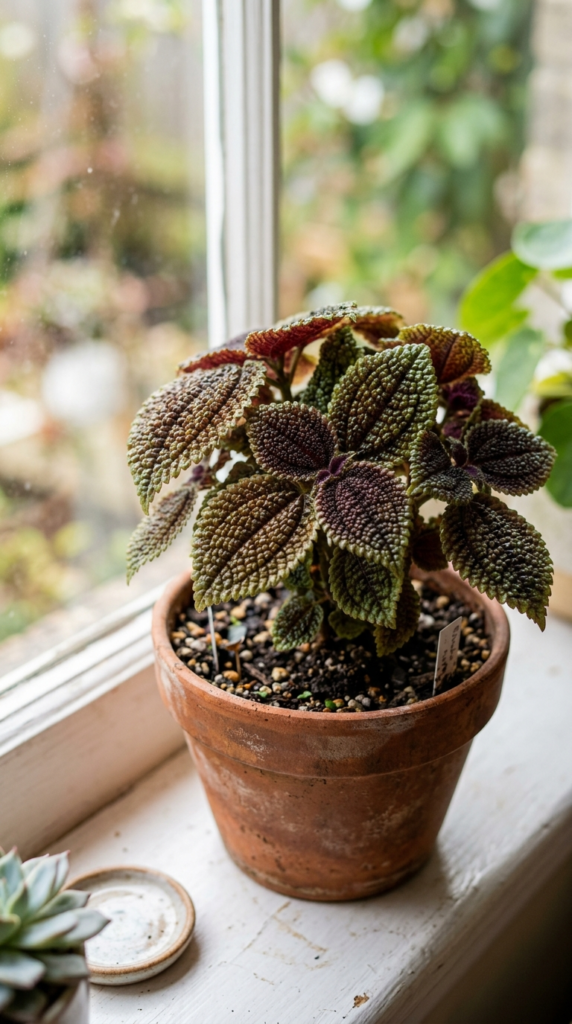
The Friendship Plant (Pilea involucrata) gets its sweet name from how easy it is to propagate and share with friends — and your furry friends are safe around it too!
Its deeply textured, quilted leaves in shades of bronze, green, and burgundy are absolutely gorgeous. It loves low to medium indirect light and doesn’t mind if you’re not the most attentive waterer.
It stays compact and bushy, topping out around 6–12 inches, which makes it perfect for shelves, windowsills, or grouped with other small plants in a little pet-safe collection.
Browse small pet-friendly plants for shelves for more ideas like this one.
Share the love — propagate a cutting and give a Friendship Plant to every plant-loving pet owner you know!
11. Watermelon Peperomia
The Watermelon Peperomia (Peperomia argyreia) deserves its own spotlight because it’s just that cute. Those silver-striped, round leaves look exactly like the outside of a watermelon — and yes, your pets can be as curious about it as they want!
It’s compact, low-maintenance, and thrives in low to medium indirect light — perfect for desks, shelves, or bathroom counters. It’s also one of the most Instagrammed houseplants right now, and once you see it in person, you’ll totally get the hype.
💡 Pro tip: Watermelon Peperomia hates sitting in wet soil. Always let the top inch of soil dry out before watering again — less is more with this one!
See our full Watermelon Peperomia care guide for all the details.
The Watermelon Peperomia is basically a conversation starter in plant form — adorable, safe, and impossible to resist!
12. Baby Rubber Plant
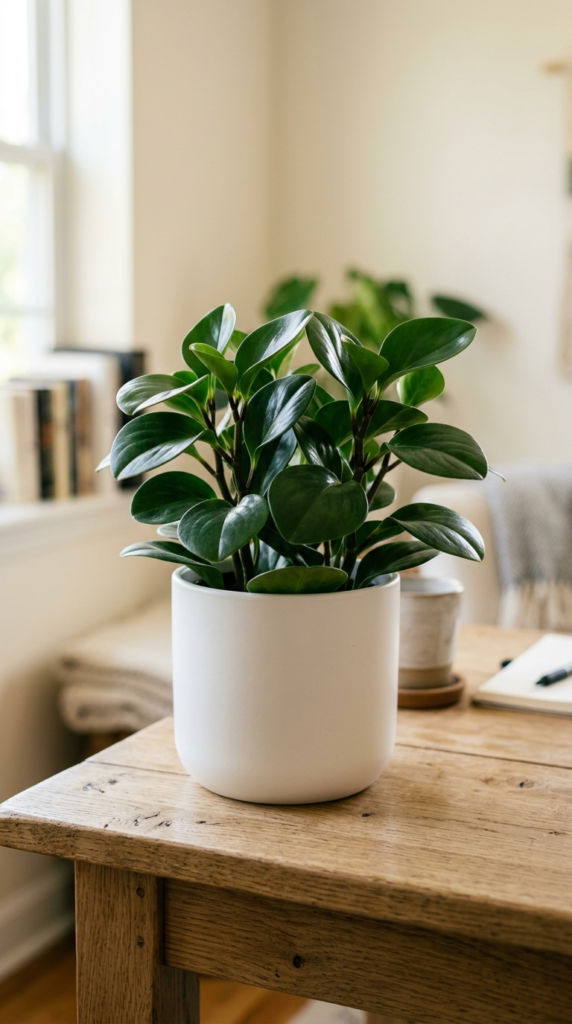
Don’t confuse this one with the regular Rubber Plant (Ficus elastica), which IS toxic to pets! The Baby Rubber Plant (Peperomia obtusifolia) is a completely different and totally pet-safe alternative that gives you that same glossy, lush look.
Its thick, waxy leaves store water, making it drought-tolerant and very forgiving for beginners. It loves low to medium indirect light and stays compact — usually under a foot tall — making it ideal for small spaces.
The deep green glossy foliage looks incredibly elegant and high-end, even though this plant is one of the most affordable and easy-to-find options out there.
Learn more about choosing pet-safe alternatives to toxic plants — it’s a must-read for plant-loving pet owners!
The Baby Rubber Plant is the swap your pet-loving household didn’t know it needed!
13. Haworthia
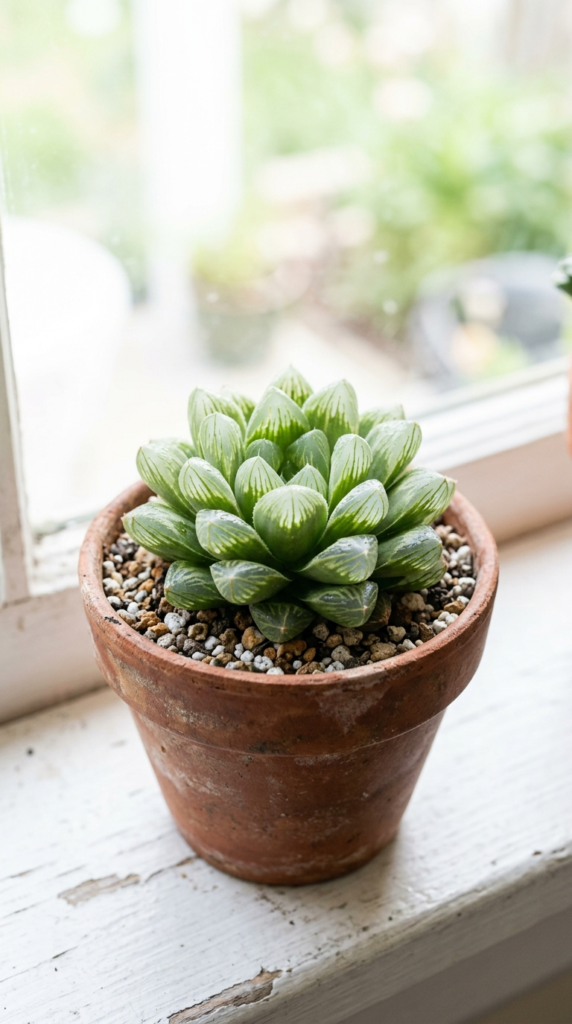
If you’re a succulent lover with pets, Haworthia is your dream plant! Unlike Aloe Vera (which is toxic to pets), Haworthias are completely safe and share that same striking succulent aesthetic.
They grow in tight rosettes with distinctively patterned, stiff leaves — some even have translucent “windows” at the tips that glow in the light. Incredibly cool-looking!
Haworthias are one of the few succulents that genuinely prefer low indirect light, so they’re perfect for spots away from the window where most succulents would struggle.
| Haworthia vs. Aloe | Haworthia | Aloe Vera |
| Pet-safe? | ✅ Yes | ❌ No |
| Low light? | ✅ Yes | ❌ Needs bright light |
| Size | Compact | Can get large |
| Water needs | Very low | Low |
Visit the best succulents for low light to find more gems like this one.
Haworthia is proof that you can have a stunning succulent collection that’s 100% pet-approved!
14. Polka Dot Plant
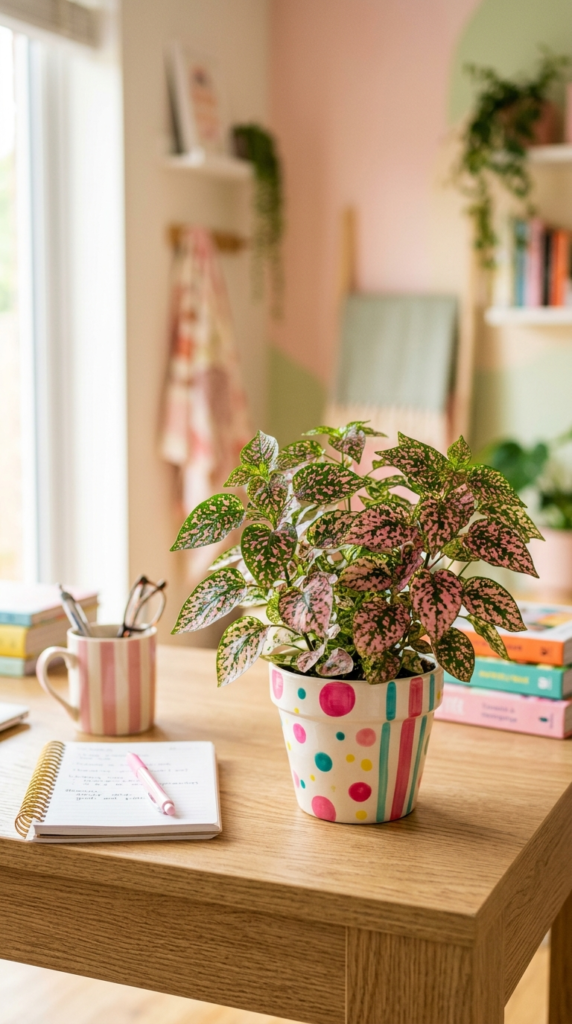
Could a plant be any more fun? The Polka Dot Plant (Hypoestes phyllostachya) is splashed with pink, white, or red spots that make it look like a party in a pot — and it’s completely non-toxic to cats and dogs!
It loves low to medium indirect light, though it’ll show off its brightest colors with a little more brightness. In very low light, the color contrast may fade — but it’ll still be safe and alive!
💡 Pro tip: Polka Dot Plants tend to get leggy over time. Pinch back the growing tips regularly to keep them bushy and full — it’s actually really satisfying!
These playful little plants look incredible grouped together or tucked into a colorful pet-safe plant arrangement on a bookshelf.
See how to style it in our colorful pet-safe plant décor ideas guide and visit Missouri Botanical Garden for more plant info.
The Polka Dot Plant brings instant joy to any space — and your pets can safely sniff every single dot!
15. Staghorn Fern
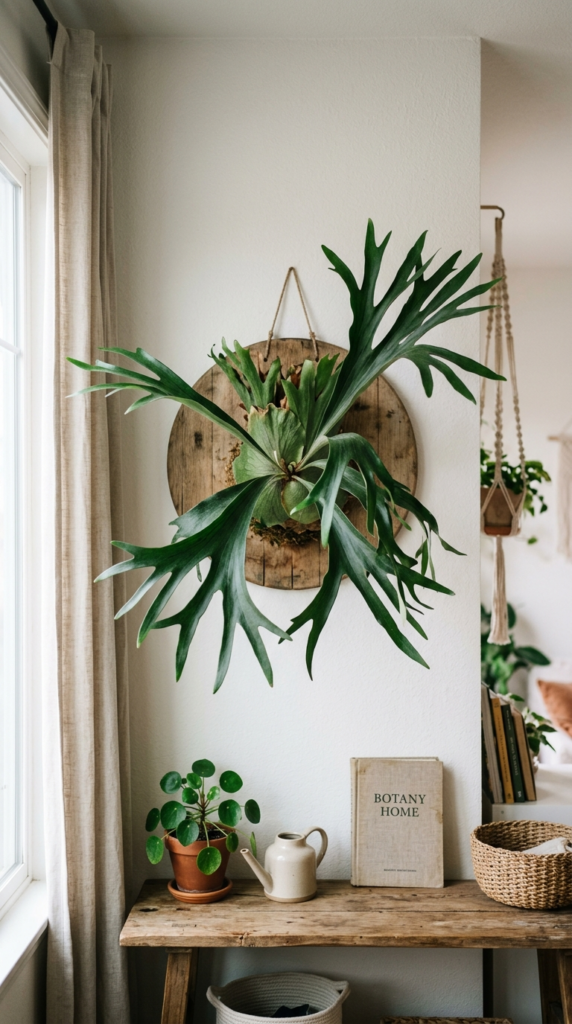
Last but absolutely not least — the Staghorn Fern (Platycerium bifurcatum) is one of the most dramatic and architecturally stunning plants you can hang in your home, and it won’t harm your pets at all!
These incredible ferns grow on wooden boards or bark mounts (they’re epiphytes, meaning they don’t need soil!), which means you can display them on walls completely out of your pet’s reach while still enjoying their wild, antler-like fronds.
They prefer indirect low to medium light and can be misted or soaked for watering — it’s a unique routine that makes you feel like a proper botanical expert.
Check out how to mount and care for Staghorn Ferns and trust us — once you hang one on your wall, you’ll want five more!
The Staghorn Fern is the ultimate statement piece for pet-safe plant parents with a flair for the dramatic!
Frequently Asked Questions
Are all low-light plants safe for pets?
Absolutely not — and this is so important to know! Many popular low-light plants, like Pothos, Peace Lily, Philodendron, and ZZ Plant, are actually toxic to cats and dogs. Always verify a plant’s safety on the ASPCA’s toxic plant database before bringing it home, no matter how common it is.
What’s the most common mistake pet owners make with indoor plants?
The biggest mistake is assuming that “natural” means “safe.” Many plants produce compounds that are completely harmless to humans but toxic to pets. Always research before you buy, and consider placing any borderline plants in rooms your pets don’t access, just to be safe.
How do I stop my cat from chewing on my houseplants?
There are a few tricks that work well! Try placing citrus peels around the base of pots, using a pet-safe bitter apple spray on leaves, or placing plants on elevated shelves and hanging baskets. You can also offer your cat a pot of cat grass (wheat grass) as a safe chewing alternative to distract them.
Can I grow pet-friendly low-light plants in a bathroom?
Absolutely — and it’s actually a great idea! Many of the plants on this list, like Boston Ferns, Prayer Plants, and Calatheas, love the humidity that naturally builds up in bathrooms. Just make sure there’s at least some indirect natural light from a window, or supplement with a small grow light if your bathroom has no windows.
Where can I verify if a plant is pet-safe?
The most reliable resource is the ASPCA Animal Poison Control Center’s toxic and non-toxic plant list, which is searchable by plant name and animal type. Always cross-reference there before buying any new plant for a home with pets — it’s free and incredibly comprehensive.
A Few Final Thoughts
Building a pet-friendly indoor garden is one of the most rewarding things you can do for your home — and now you know exactly which plants will make it gorgeous without putting your fur babies at risk. Every single plant on this list is non-toxic, low-light approved, and genuinely beautiful in its own right. Whether you start with one easy Spider Plant or go all-in with a full jungle of Calatheas, Peperomias, and a dramatic Staghorn Fern on the wall, your space is about to get so much greener. Your pets will thank you, your home will thank you, and honestly? You’ll thank yourself every single time you walk through the door. Now go make it happen!