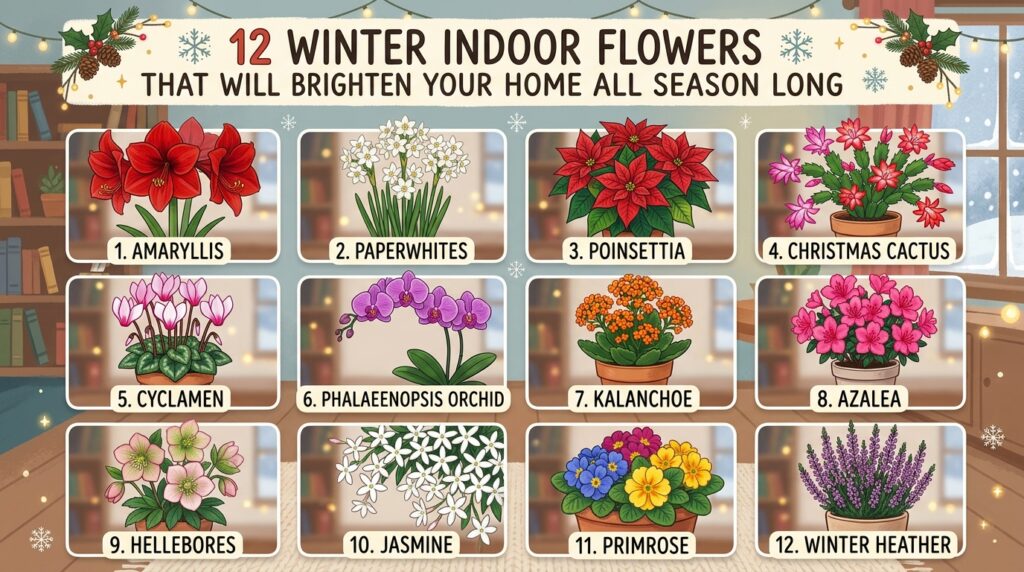
12 Winter Indoor Flowers That Will Brighten Your Home All Season Long
Who says winter has to be grey, dull, and flowerless? Just because it’s cold outside doesn’t mean your home has to feel like a frozen tundra — and that’s exactly where winter indoor flowers swoop in to save the day! These incredible blooming beauties will fill your space with color, fragrance, and serious good vibes even when there’s snow on the ground. Ready to find out which ones deserve a spot in your home this season? Let’s dive in!
At a Glance
- Most winter indoor flowers thrive in bright indirect light, so a south- or east-facing windowsill is your best friend during the cold months.
- Amaryllis and Paperwhite Narcissus are the easiest bulb-based bloomers you can grow indoors with almost zero effort and maximum drama.
- Overwatering is the number one killer of indoor flowering plants in winter, so always check the soil before reaching for that watering can.
- Many of these plants — like African Violets and Anthuriums — will bloom for months on end if you give them the right care conditions.
- You don’t need a huge space or fancy equipment; even a small windowsill can host two or three of these stunning cold weather flowering plants beautifully.
1. Amaryllis
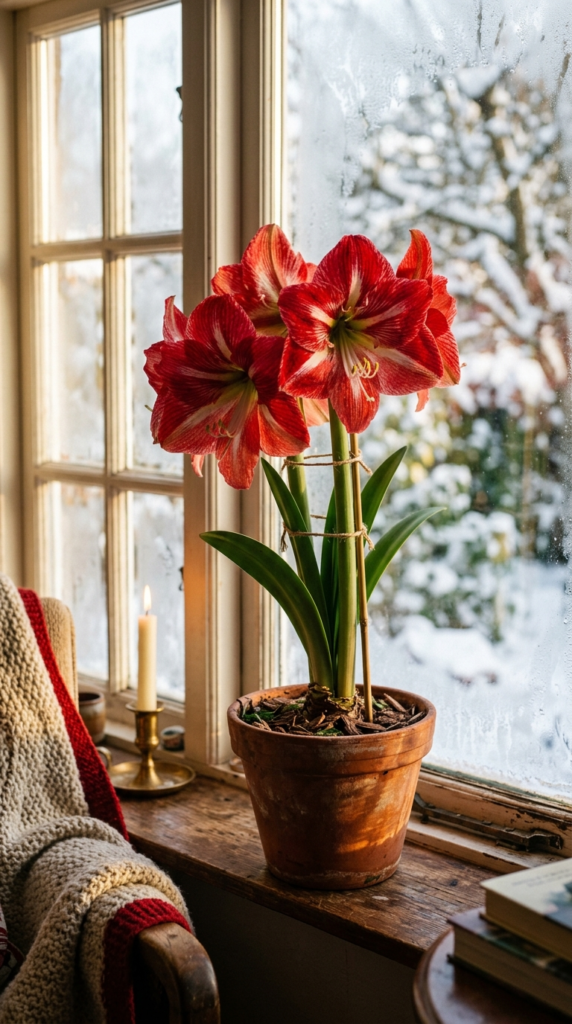
If you want showstopper drama with almost zero effort, Amaryllis is your plant. This bold, trumpet-shaped beauty shoots up tall stalks topped with massive blooms that honestly look too gorgeous to be real!
Here’s the deal: you plant the bulb in a pot, stick it in a bright spot, water it sparingly at first, and within 6–8 weeks you’ve got blooms that can reach 10 inches across. It’s practically magic.
Amaryllis bulbs come in red, pink, white, salmon, and even striped varieties, so you can match your home’s color scheme perfectly. They’re one of the most popular winter blooming plants for a very good reason.
💡 Pro Tip: Don’t bury the bulb completely! Leave the top third of the bulb above the soil line for the best blooms.
- Place in bright indirect light — a south-facing window is ideal
- Water only when the top inch of soil is dry
- Rotate the pot every few days for even growth
- After blooming, keep the leaves to feed the bulb for next year
Check out our guide on how to care for bulb plants indoors for more tips, and the University of Minnesota Extension’s Amaryllis guide for deep-dive growing details.
You’ve got this — Amaryllis is truly one of the most rewarding winter indoor flowers you’ll ever grow!
2. Christmas Cactus
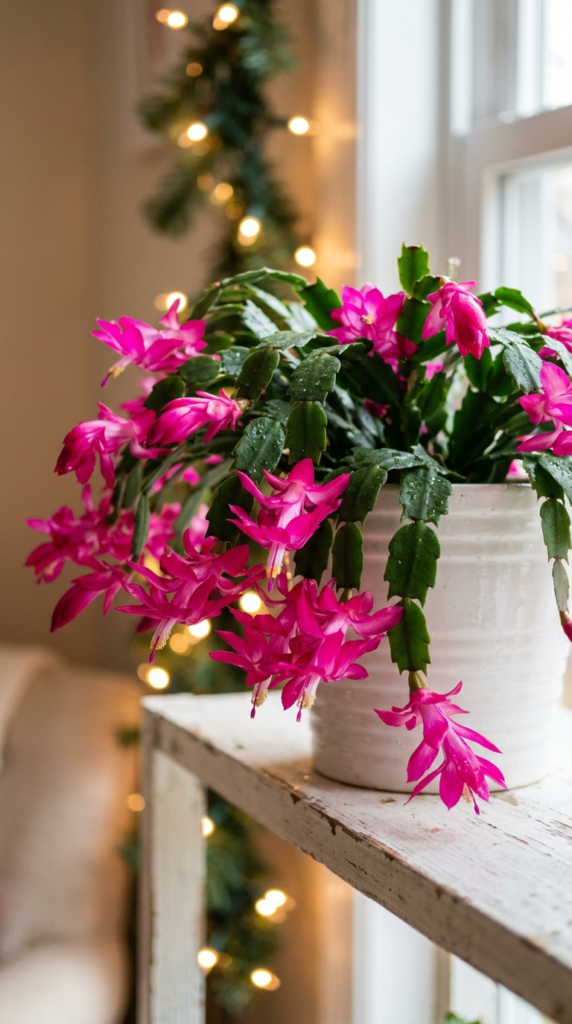
Don’t let the name fool you — the Christmas Cactus blooms well into winter and sometimes even into early spring! This is one of those plants that people pass down through generations because it’s just that tough and that beautiful.
The secret is getting it to rebloom, and honestly it’s easier than you think. About 6 weeks before you want blooms, give it longer dark periods (14 hours of darkness) and cooler temps around 50–55°F. Talk about a game-changer for winter color!
Christmas Cactus is also incredibly long-lived. Some plants live for 20–30 years, which makes it one of the best investments you can make in your indoor garden.
Learn more about succulent and cactus care indoors and visit The Old Farmer’s Almanac Christmas Cactus page for the full blooming schedule breakdown.
Keep it happy and it’ll reward you with color every single winter without fail!
3. Cyclamen
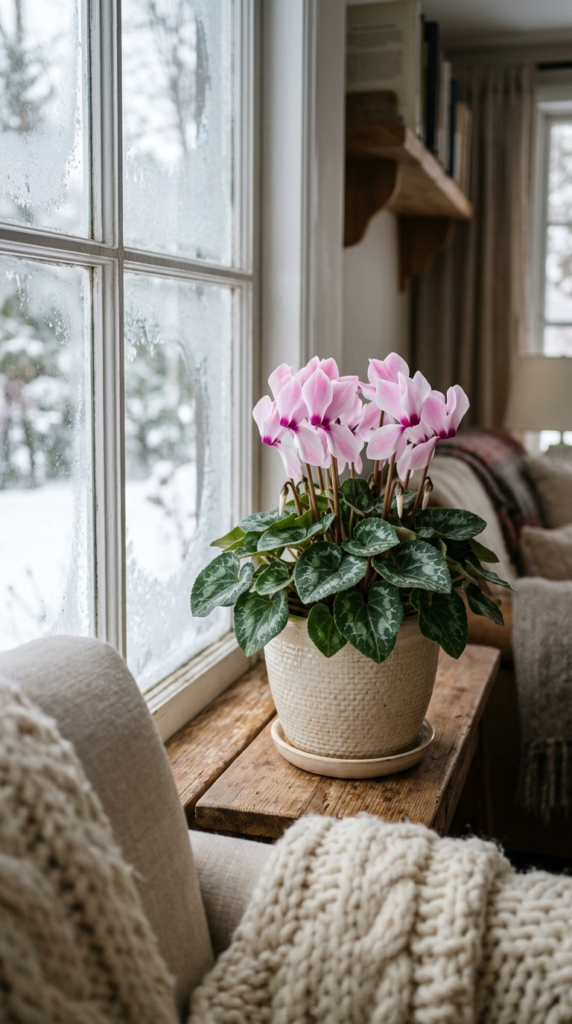
Cyclamen is basically the supermodel of winter indoor flowers — stunning, a little dramatic, and absolutely worth the extra attention. Those swept-back petals look like tiny butterflies hovering over a bed of gorgeous marbled leaves!
Here’s the thing: Cyclamen actually prefers the cool temperatures that most houseplants hate. Keep it between 50–65°F and it’ll bloom non-stop from late fall all the way through early spring.
💡 Pro Tip: Water Cyclamen from the bottom by setting the pot in a saucer of water for 20 minutes — never pour water directly over the crown, or it’ll rot fast.
Cyclamen care is all about keeping it cool and bright. Avoid heating vents, radiators, and warm sunny spots. A cool bright windowsill is genuinely its happy place.
| Condition | What Cyclamen Wants |
| Temperature | 50–65°F |
| Light | Bright indirect |
| Watering | Bottom watering only |
| Humidity | Moderate |
| Dormancy | Summer rest period |
Explore our tips on cool-loving indoor plants for winter and check out the Royal Horticultural Society’s Cyclamen guide for expert care advice.
Cyclamen is elegant proof that cold weather flowering plants can be absolutely breathtaking!
4. Paperwhite Narcissus
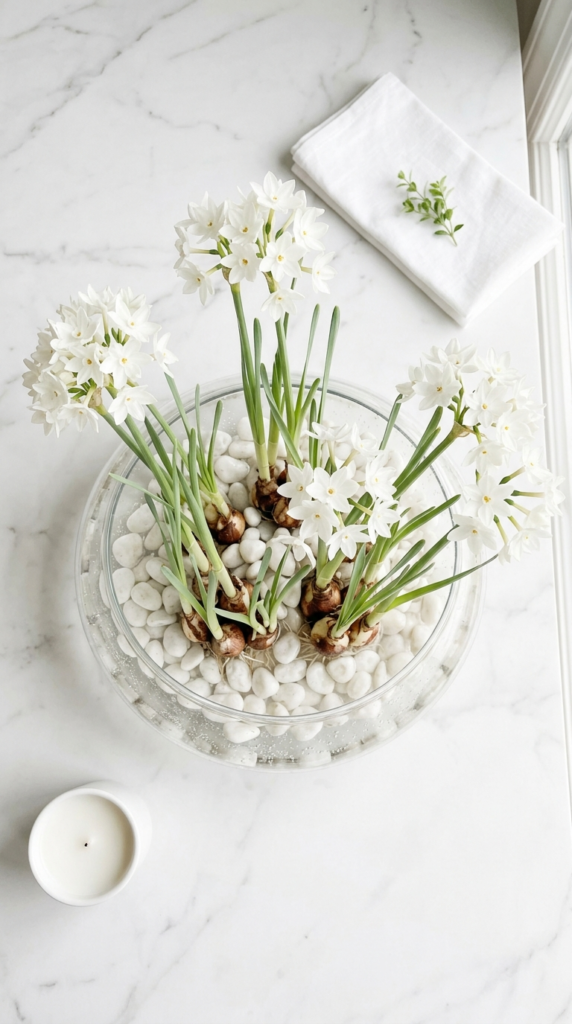
If you want fast results with almost zero effort, Paperwhites are your answer. Plant the bulbs in pebbles and water, set them in a bright spot, and you’ll have beautiful fragrant blooms in just 3–5 weeks!
These winter indoor flowers are practically foolproof. No soil needed, no complicated feeding routine — just bulbs, pebbles, and water. Pretty cool, right?
The fragrance is another reason to love them. Paperwhites fill a room with a sweet, heady scent that instantly makes your home feel like a fancy florist shop. Layer a few bowls at different stages of growth for continuous blooms all winter long.
One fun trick: adding a small amount of diluted alcohol (like vodka or gin — seriously!) to the water once sprouts appear keeps the stems shorter and sturdier so they don’t flop over.
Check out how to force bulbs indoors for winter on our site, and visit Fine Gardening’s Paperwhite guide for more expert forcing tips.
Paperwhites are proof that winter gardening indoors can be incredibly simple and insanely rewarding!
5. African Violet
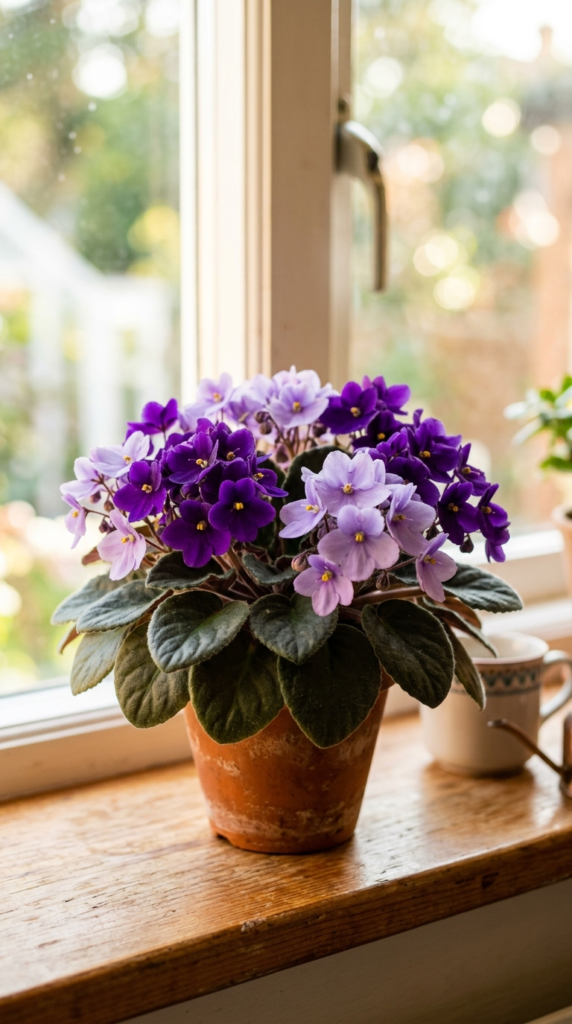
African Violets are the undisputed champions of year-round indoor blooming — and in winter, they truly shine. These compact little charmers produce clusters of velvety flowers in purple, pink, white, and bi-color varieties almost continuously when happy!
Here’s the deal: African Violets need bright indirect light, consistent warmth (above 60°F), and consistent moisture without ever getting their leaves wet. Get those three things right and they’ll bloom for you literally all winter long.
💡 Pro Tip: Use room-temperature water and always water from the bottom. Cold water splashed on the leaves causes those dreaded white spots that ruin the look.
They’re also wonderfully compact plants for small spaces — a 4-inch pot is often plenty. Line a few up on your windowsill in different colors for a stunning display that costs almost nothing.
Discover more small space indoor flowering plants and read the African Violet Society of America’s care guide for everything you need to know.
African Violets are living proof that big color comes in small, wonderful packages!
6. Anthurium
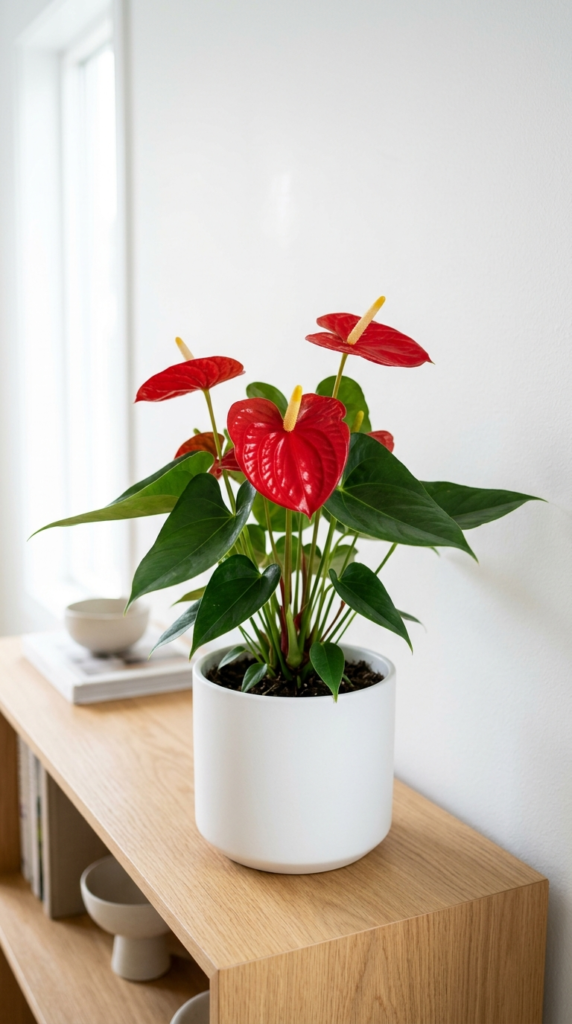
Want something that looks almost too exotic to be real? Meet the Anthurium — with its waxy, heart-shaped blooms in fire-engine red, hot pink, or coral, this plant is basically living art for your home.
Here’s the thing: those gorgeous “flowers” aren’t actually petals — they’re modified leaves called spathes that hold their color for months at a time. That means you get incredibly long-lasting color without constant replanting. Talk about a game-changer!
Anthurium care is simpler than its dramatic looks suggest. It loves bright indirect light, warm temps (65–85°F), and humidity. Give it a light misting a few times a week in dry winter air and it’ll absolutely thrive.
- Keep away from cold drafts and heating vents
- Fertilize monthly with a high-phosphorus fertilizer to encourage blooms
- Wipe the leaves occasionally to keep them glossy and clean
- Repot every 2 years for best performance
Browse our collection of tropical indoor plants for winter and check out the University of Florida IFAS Anthurium guide for detailed growing info.
Anthurium is one of the most stunning winter indoor flowers you can own — go grab one!
7. Kalanchoe
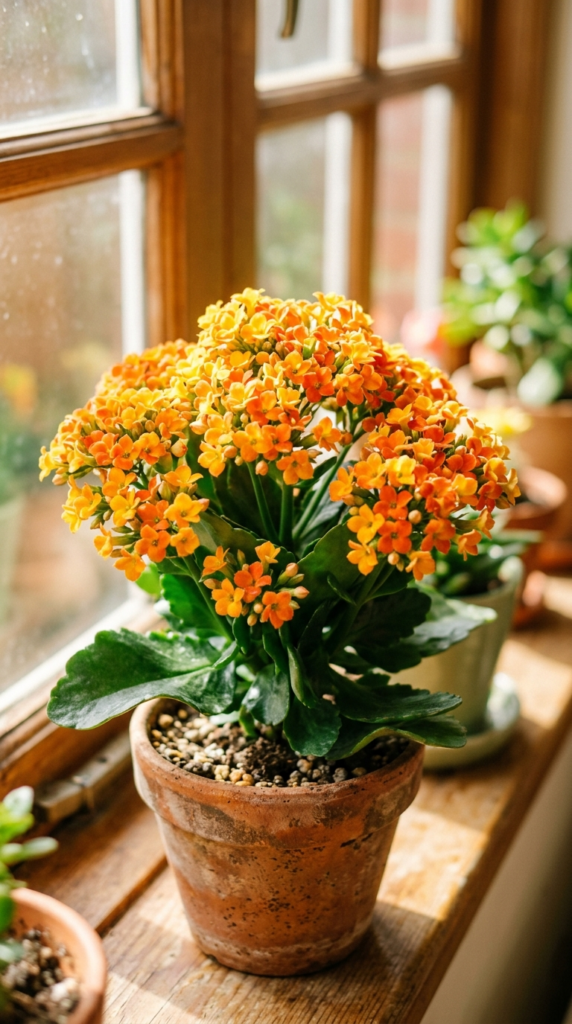
If you want cheerful, low-maintenance winter blooms that practically take care of themselves, Kalanchoe is calling your name! This little powerhouse produces massive clusters of tiny flowers in red, orange, yellow, pink, and white that last for weeks and weeks.
The secret is simple: Kalanchoe is a succulent, which means it stores water in its thick leaves and forgives the occasional missed watering like a champ. It’s genuinely one of the easiest cold weather flowering plants for beginners.
💡 Pro Tip: After your Kalanchoe finishes blooming, give it 6 weeks of 14-hour dark periods and it’ll rebloom for you — just like it does naturally in shorter winter days.
Water it only when the top inch of soil is completely dry, feed it monthly with a balanced fertilizer, and keep it in your brightest window. That’s genuinely all it takes!
Read our guide on easy flowering succulents for indoors and visit Gardener’s Supply Company’s Kalanchoe page for more tips.
Kalanchoe is the ultimate beginner-friendly winter indoor flower — you’re going to love it!
8. Peace Lily
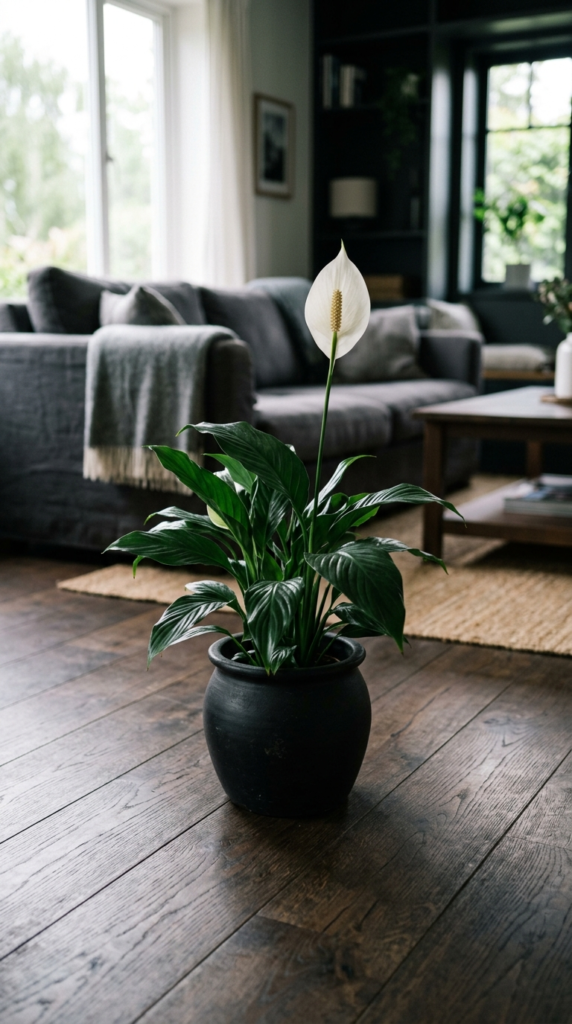
The Peace Lily is the ultimate dual-purpose winter plant — it produces elegant white blooms AND it’s one of NASA’s top-ranked air-purifying indoor plants. Two wins in one beautiful package!
Here’s what makes Peace Lilies extra special: they actually tell you when they’re thirsty by drooping slightly, then perk right back up within hours of watering. It’s like having a plant that communicates with you!
Peace Lily blooms appear in late winter and spring, making them a perfect bridge plant as the cold season winds down. They thrive in low to medium light, which makes them one of the most versatile options for darker rooms or north-facing windows.
Keep them away from cold drafts, water them when they start to droop (but before they fully wilt), and wipe the big glossy leaves occasionally to help them breathe and photosynthesize efficiently.
Explore low light indoor flowering plants and read NASA’s Clean Air Study summary on The Sill to see where Peace Lily ranks.
The Peace Lily is simple, stunning, and seriously good for your air — what’s not to love?
9. Orchid (Phalaenopsis)
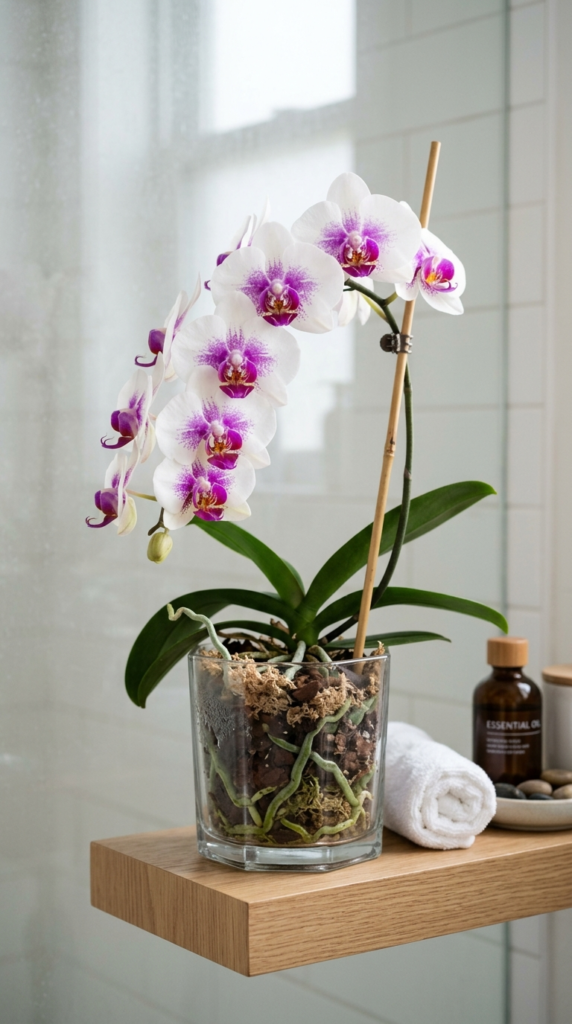
People think orchids are impossible to keep alive, but Phalaenopsis orchids — the ones you see everywhere — are actually incredibly tough and one of the longest-blooming winter indoor flowers you can find. Each flower spike can bloom for 3–4 months straight!
Here’s the deal: the number one mistake people make is overwatering. Phalaenopsis orchids need water just once a week (or even less in winter), and they absolutely must dry out between waterings. Most orchids die from too much love, not too little!
💡 Pro Tip: Place your orchid pot inside a decorative outer pot but never let it sit in standing water. The roots need air just as much as they need moisture.
They love bright indirect light, moderate humidity (hello, bathroom windowsill!), and temperatures between 65–80°F. Feed them with a diluted orchid fertilizer every other week during the growing season for the best results.
Learn about reblooming orchids indoors and visit the American Orchid Society’s beginner guide for everything you could possibly need.
Once you get comfortable with orchids, you’ll never stop growing them!
10. Primrose
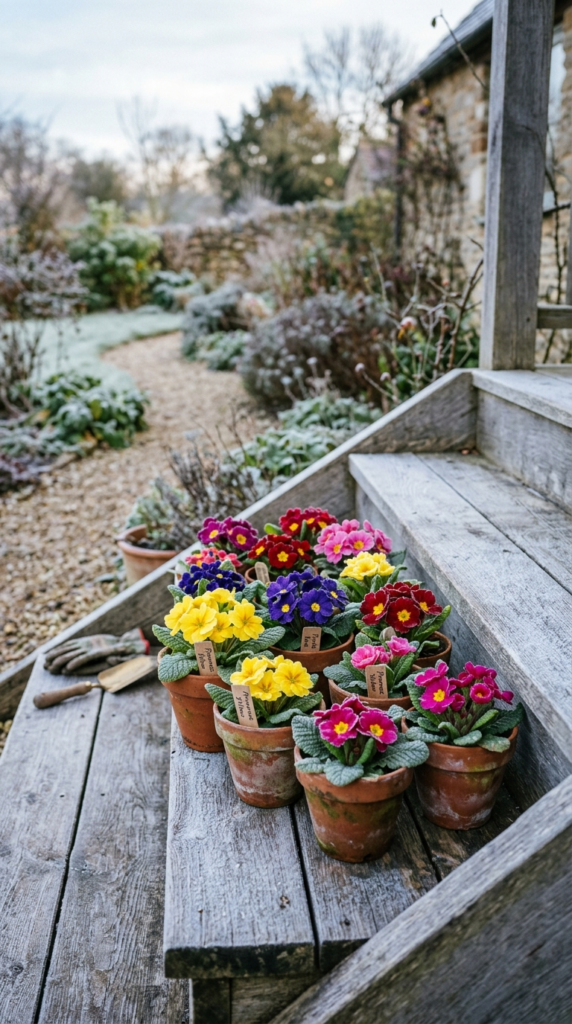
Primroses are like little explosions of spring color that you can enjoy indoors months before spring actually arrives. They come in nearly every color of the rainbow and bloom prolifically in cool winter conditions!
The secret to happy primroses indoors is keeping them cool and bright — ideally between 50–65°F. They hate central heating, so a cool sunroom, enclosed porch, or chilly bright bedroom window is actually perfect for them.
Water them regularly but never let them sit in soggy soil, and deadhead spent flowers to encourage continuous blooming throughout the winter season. They’re inexpensive, widely available, and just outrageously cheerful.
Check out winter container ideas for cold porches and visit the RHS Primula care guide for more detailed growing advice.
Primroses are pure winter joy in a pot — pick up a few and watch your mood instantly lift!
11. Begonia
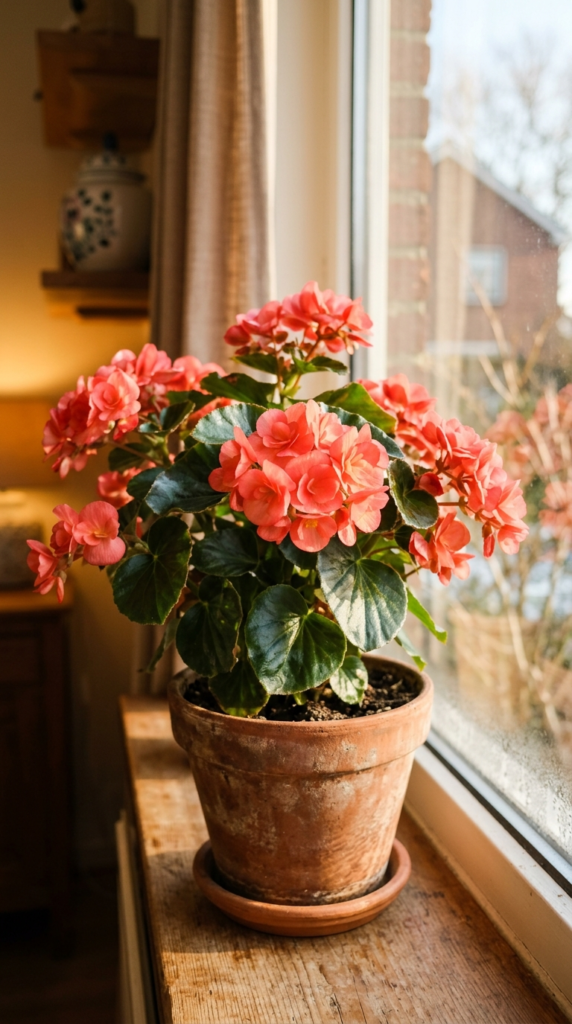
Wax Begonias are seriously underrated as winter indoor flowers, and it’s time to give them the spotlight they deserve! These workhorses bloom nearly continuously, tolerate indoor conditions like champs, and come in an amazing range of colors from white to deep coral to crimson.
Here’s the thing: Begonias are incredibly adaptable. They do well in bright indirect light but can also handle lower light levels better than most flowering plants. That gives you a lot more flexibility in where you place them around your home.
Keep the soil consistently moist but never waterlogged, feed them every 2–3 weeks with a balanced liquid fertilizer, and pinch back leggy stems to keep the plant full and bushy. Compact and colorful, they’re ideal for windowsills, shelves, and tabletops.
Explore the best windowsill plants for winter and check out Missouri Botanical Garden’s Begonia profile for variety recommendations.
Begonias are the reliable, cheerful friend your winter windowsill has been waiting for!
12. Camellia
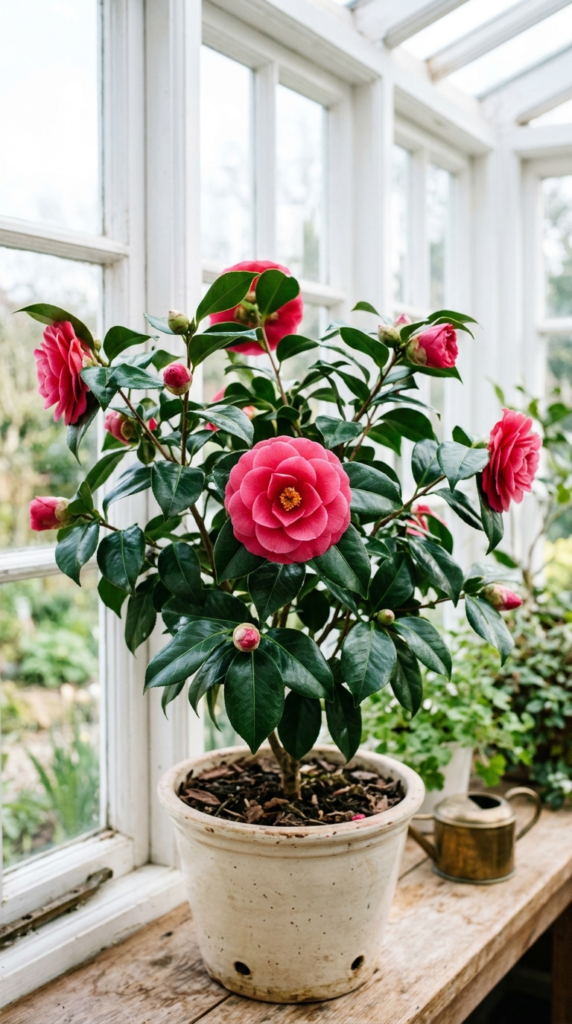
Last but absolutely not least, Camellia is the queen of winter flowering plants — and if you have a cool sunroom or an enclosed porch that gets bright light, this is the plant that will make your jaw drop every single winter.
Camellias produce enormous rose-like flowers in white, pink, red, and striped varieties from late fall right through early spring. They’re technically cool-climate shrubs that adapt beautifully to container living when kept in the right conditions.
💡 Pro Tip: Camellias need cool temperatures (45–60°F) to set flower buds. If your home is too warm, they’ll produce lots of glossy leaves but very few blooms — so that cool sunroom is genuinely ideal.
Use acidic potting mix (the kind designed for azaleas works perfectly), water regularly with rainwater or distilled water if possible, and feed with an acid-forming fertilizer in spring and summer. They’re a long-term investment that pays off more beautifully every single year.
Read our guide on flowering shrubs you can grow in containers and visit the American Camellia Society’s growing guide for expert tips on container culture.
Camellia is the crown jewel of winter indoor flowers — and once you grow one, you’ll be obsessed!
Frequently Asked Questions
What are the easiest winter indoor flowers for beginners?
Kalanchoe, African Violet, and Paperwhite Narcissus are your best bets if you’re just starting out. They’re widely available, inexpensive, and extremely forgiving of beginner mistakes. Kalanchoe in particular is almost impossible to kill as long as you avoid overwatering.
How much light do winter indoor flowering plants need?
Most winter indoor flowering plants need bright indirect light — think a spot near a south- or east-facing window where they get plenty of light but no harsh direct midday sun. A few exceptions like Peace Lily and Cyclamen can tolerate lower light levels, making them great options for dimmer rooms.
Why won’t my indoor flowers bloom in winter?
The most common reasons are insufficient light, too much or too little water, and temperatures that are too warm or too cold. Many plants like Kalanchoe and Christmas Cactus also need a period of longer dark nights to trigger blooming — mimicking the shorter days of winter naturally encourages them to flower.
Can I grow winter indoor flowers without a green thumb?
Absolutely! Many of the cold weather flowering plants on this list — including Paperwhites, Amaryllis, and Kalanchoe — are practically foolproof. Start with one or two easy varieties, get comfortable with their basic needs, and build your confidence before moving on to slightly more demanding plants like orchids or camellias.
How do I keep indoor flowering plants healthy in dry winter air?
Central heating strips moisture from the air, which can stress flowering plants and cause buds to drop before they open. Group plants together to create a microclimate of shared humidity, place pots on a tray of wet pebbles, or run a small humidifier nearby. A light misting in the morning (avoiding the flowers themselves) also helps many varieties stay happy through the drier months.
A Few Final Thoughts
Winter doesn’t have to mean bare windowsills and a color-free home — not when you’ve got this incredible lineup of winter indoor flowers at your fingertips! From the dramatic trumpets of Amaryllis to the delicate swept petals of Cyclamen, there’s a perfect blooming plant for every space, every skill level, and every style. The key is simply choosing the right plant for your conditions — light, temperature, and humidity — and then giving it consistent, simple care. Once you see that first burst of color against a grey winter sky, we promise you’ll be hooked for life. Now go grab a few of these beauties and bring some serious life back into your winter home!