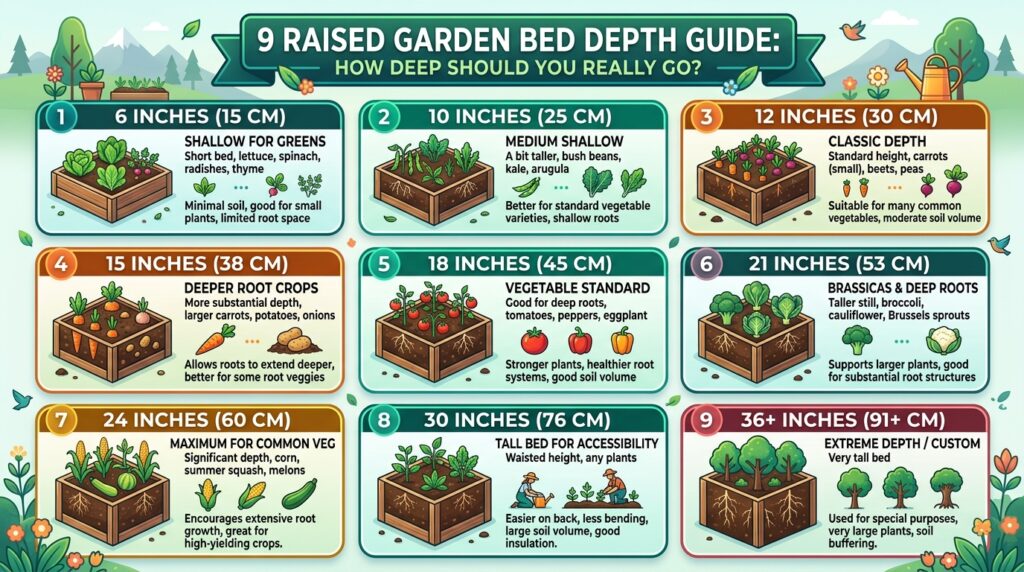
Ever stared at a raised garden bed kit and wondered, “Wait… how deep does this thing actually need to be?” You’re not alone! Getting the raised garden bed depth wrong is one of the most common (and costly) mistakes new gardeners make — and it can mean the difference between a thriving harvest and a sad, stunted crop. Whether you’re growing juicy tomatoes, crunchy carrots, or fragrant herbs, depth is everything. Ready to find out exactly how deep to go? Let’s dive in!
At a Glance
- A minimum depth of 6 inches works for shallow-rooted plants like lettuce, radishes, and most herbs, but deeper is almost always better.
- 12 inches is the gold standard for most vegetable gardens and covers the needs of the majority of common garden plants.
- Root vegetables like carrots and parsnips need at least 18–24 inches of depth to develop properly without becoming stunted or forked.
- The quality of your soil mix inside the bed is just as important as the depth — bad soil in a deep bed still leads to poor results.
- If you’re gardening on a hard surface like concrete, always opt for deeper beds since roots can’t borrow depth from the ground below.
Why Raised Garden Bed Depth Matters
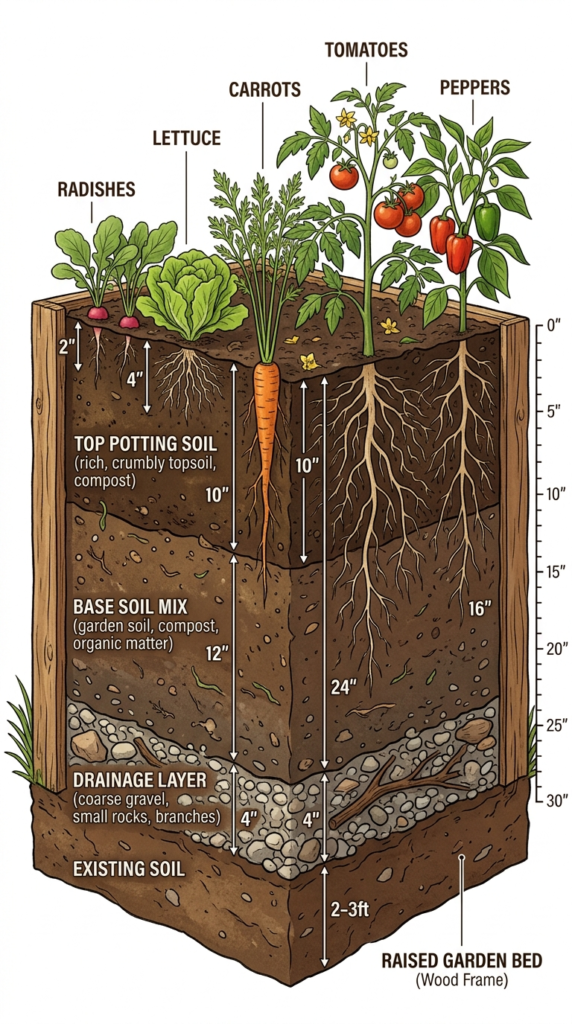
Here’s the deal: depth isn’t just a number — it’s your plant’s entire underground world. Root development depends completely on having enough loose, nutrient-rich soil to grow into.
When roots hit a hard bottom — whether that’s the floor of a shallow bed or compacted native soil — they run out of room. The plant panics, growth stalls, and you end up scratching your head wondering why your tomatoes look so sad.
Drainage is the other big factor. A deeper bed holds more soil volume, which means better moisture retention AND better drainage. It’s a beautiful balance that shallow beds just can’t pull off.
💡 Pro Tip: Always think about what you’re planting BEFORE you build. Retrofitting a deeper bed later is a real pain — plan ahead and save yourself the headache!
The good news? Once you know your plants’ needs, choosing the right depth is totally straightforward. Check out our full guide on building raised beds on a budget for more planning tips.
You’ve absolutely got this!
The 6-Inch Depth: Shallow But Mighty
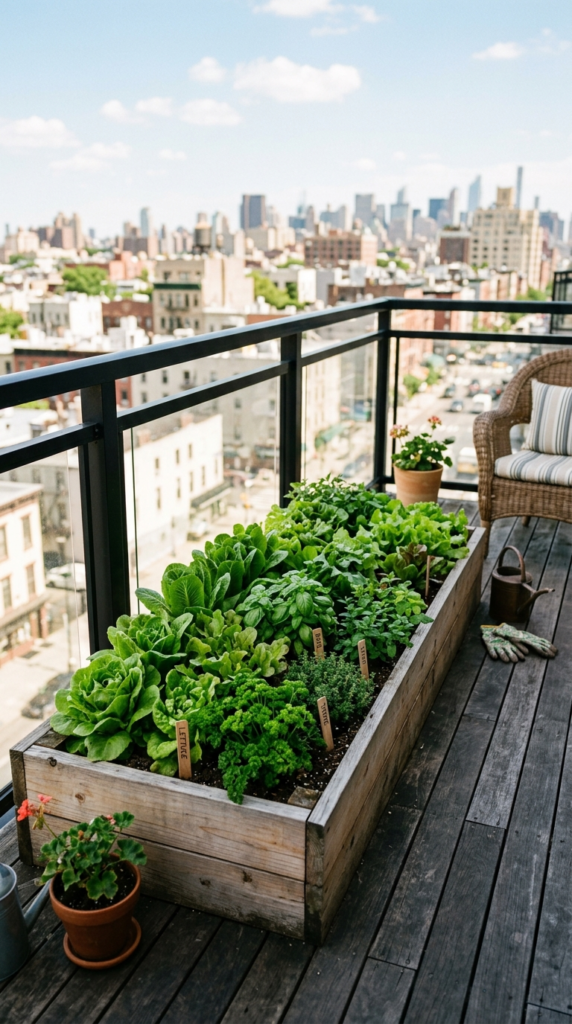
Six inches sounds tiny, but don’t underestimate it! For the right plants, a 6-inch raised bed does the job just fine — and it’s perfect for balconies and tight spaces where weight is a concern.
This depth works best for:
- Lettuce and salad greens
- Chives and cilantro
- Strawberries
- Radishes (just barely!)
- Mint and thyme
The key is sticking strictly to shallow-rooted plants. Try to grow anything deeper-rooted here and you’ll be disappointed fast.
For balcony gardeners especially, 6-inch beds keep weight manageable without sacrificing that fresh homegrown flavor. Learn more about balcony container weight limits before you build.
According to the University of Minnesota Extension, most leafy greens root within the top 6 inches of soil — so this depth is genuinely science-backed for that plant category.
Shallow can still be spectacular!
The 8-Inch Depth: The Sweet Spot for Most Herbs
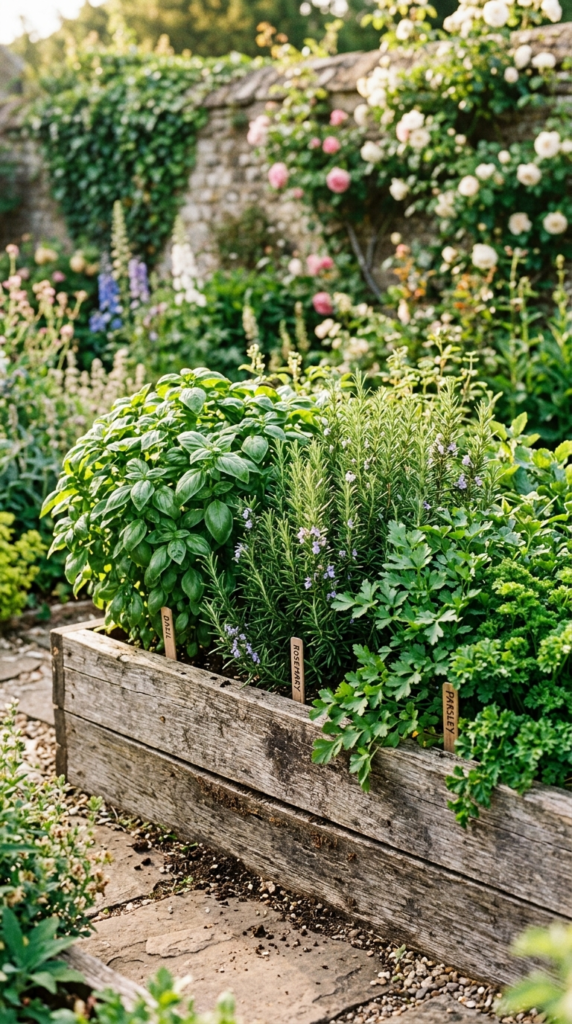
If you’re building a dedicated herb garden bed, 8 inches is your magic number. It gives roots just enough room to anchor firmly and access consistent moisture without waterlogging.
Herbs like basil, oregano, rosemary, and parsley all thrive at this depth. They’re not heavy feeders in terms of root space, but they do appreciate that little bit of extra room compared to a 6-inch bed.
💡 Pro Tip: At 8 inches, you can also start sneaking in some companion flowers like marigolds and nasturtiums — they root at a similar depth and naturally deter pests!
This is also a great depth for strawberry beds, which love the drainage that a slightly deeper profile provides. Pretty cool, right?
Explore our guide to the best herbs for raised beds to plan your perfect herb setup.
Your herb garden is going to smell amazing!
The 10-Inch Depth: Flowers and Leafy Greens Love This
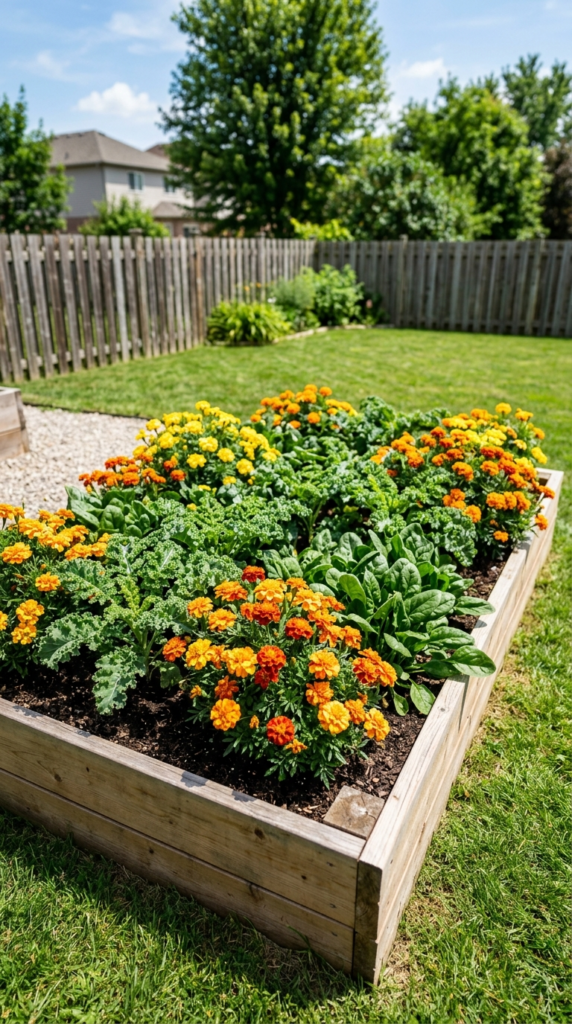
Ten inches is an underrated depth that hits a great middle ground. It’s deep enough for leafy vegetables like kale, spinach, and Swiss chard to really perform, and ideal for most annual flowering plants.
At this depth, you’ve got enough soil volume to maintain consistent moisture and temperature — two things that leafy greens are particularly fussy about. Kale especially loves having a bit more root room than a 6-inch bed can offer.
Here’s a quick comparison for this depth range:
| Plant Type | Minimum Depth Needed | Works at 10 Inches? |
| Lettuce | 6 inches | ✅ Yes |
| Kale | 8–10 inches | ✅ Yes |
| Spinach | 6–8 inches | ✅ Yes |
| Marigolds | 8–10 inches | ✅ Yes |
| Bush Beans | 10–12 inches | ⚠️ Borderline |
Ten-inch beds are also a fantastic choice for rooftop gardens where structural load is a consideration but you still want real growing power.
Keep growing and keep experimenting!
The 12-Inch Depth: The All-Around Classic
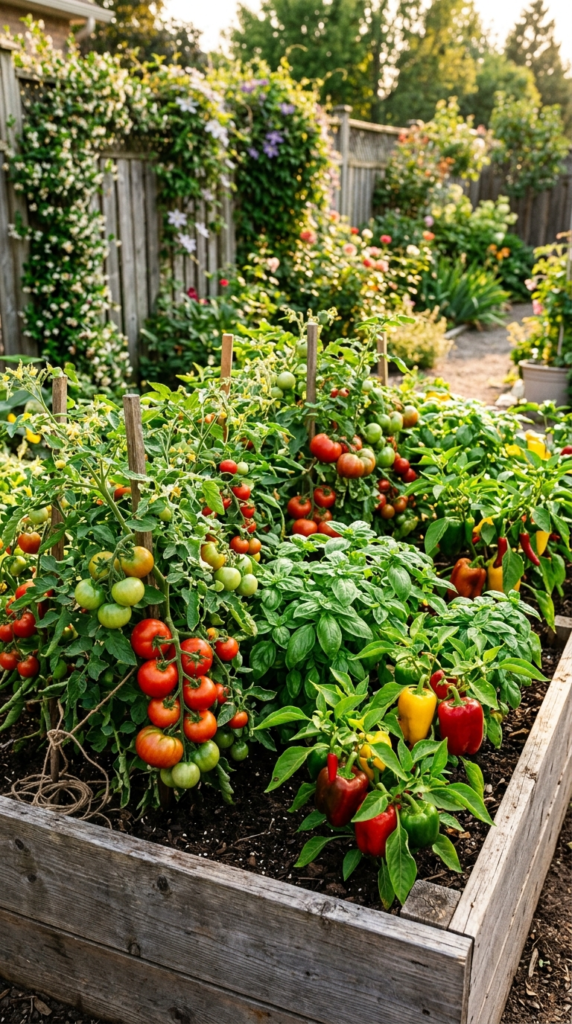
Here’s the thing: if you could only pick ONE raised bed depth for a general vegetable garden, 12 inches is your answer. It’s the most universally recommended depth for good reason — it covers the vast majority of vegetables most home gardeners want to grow.
Tomatoes, peppers, eggplant, cucumbers, bush beans, broccoli, cabbage — they all do beautifully at 12 inches. You’ve got room for solid root development and a large enough soil reservoir to handle dry spells between waterings.
💡 Pro Tip: Fill your 12-inch bed with a quality mix of 1/3 compost, 1/3 topsoil, and 1/3 coarse material like perlite or aged bark for ideal drainage and nutrition.
Twelve inches is also the minimum recommended depth if you’re placing your bed directly on concrete, pavers, or any non-permeable surface — roots need that full depth since they can’t tap into anything below.
The Old Farmer’s Almanac recommends 12 inches as the standard starting depth for most raised kitchen gardens, and we completely agree.
Check out what to plant in a 12-inch raised bed for a full planting guide.
You really can’t go wrong with this one!
The 18-Inch Depth: For Serious Vegetable Growers
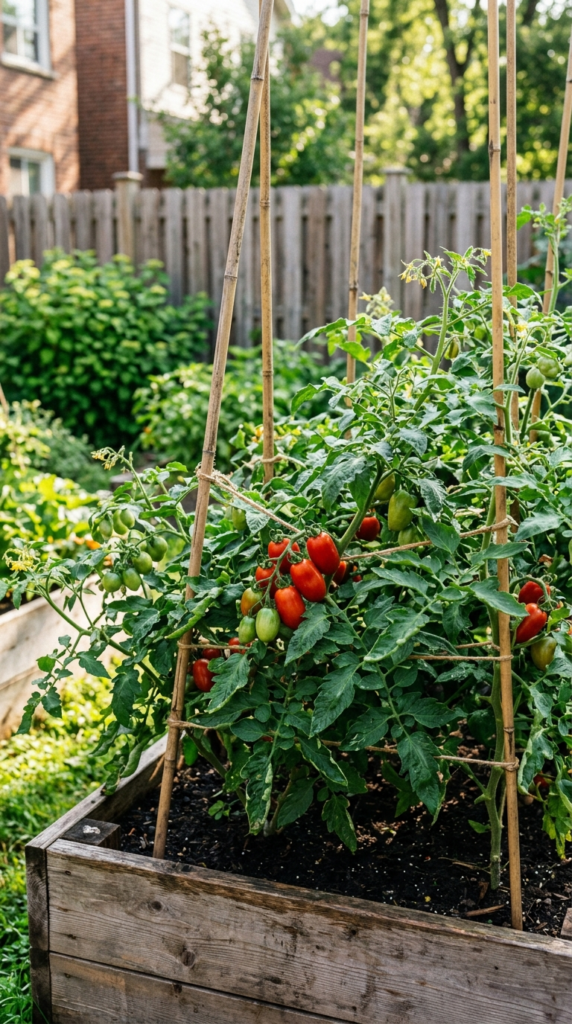
Ready to level up? At 18 inches, you’re entering serious gardening territory — and your plants will absolutely thank you for it. This depth is ideal when you want maximum performance from heavy-feeding vegetables.
At 18 inches, you can comfortably grow:
- Full-size tomatoes and peppers with deep, healthy root systems
- Zucchini and summer squash
- Beets and turnips (which need more room than most people realize)
- Beans and peas
- Most annual herbs alongside your veggies
The extra soil volume also means better moisture retention and more stable soil temperatures — your plants experience less stress during heat waves or surprise cold snaps.
Here’s the deal: if you’re placing your raised bed on hard ground with no access to native soil below, 18 inches is a much smarter minimum than the typical 12. It gives your plants a true fighting chance.
Get inspired with our guide on high-yield raised bed vegetable gardens.
Go big — your harvest will show it!
The 24-Inch Depth: Root Vegetables Need Room to Breathe
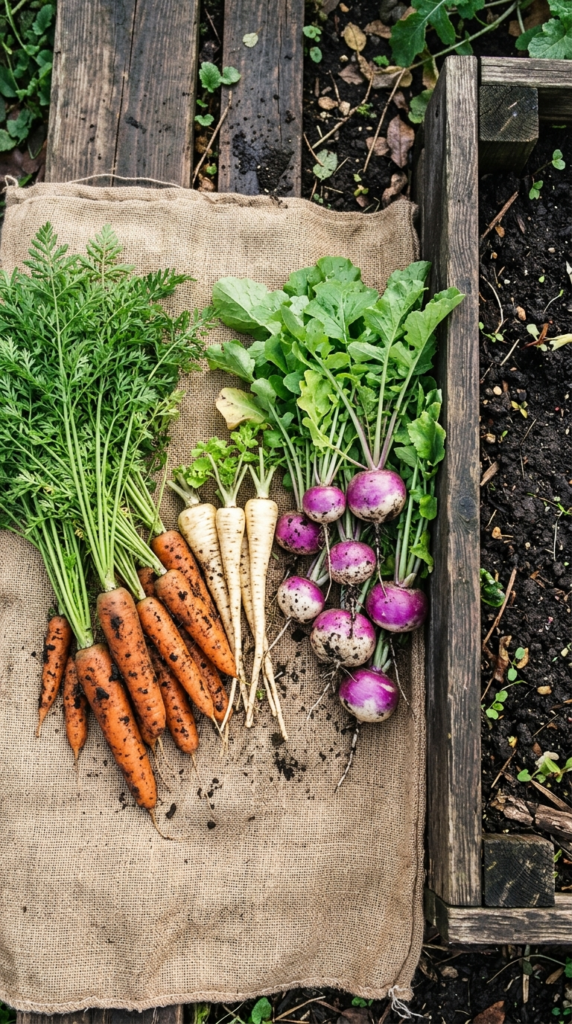
If root vegetables are your thing — and honestly, why wouldn’t they be? — you need to be thinking 24 inches minimum. Carrots, parsnips, and daikon radishes grow LONG, and they will not forgive a shallow bed.
A carrot crammed into 12 inches of soil will fork, twist, and stunt. Pull it up and it looks more like a science experiment than a vegetable. Give it 24 inches of loose, rock-free soil and you’ll harvest long, straight, gorgeous roots every single time.
💡 Pro Tip: For deep root vegetables, soil texture matters even more than depth. Avoid heavy clay mixes — go with a light, well-draining blend so roots can push downward without resistance.
Here’s a quick root vegetable depth reference:
| Vegetable | Ideal Bed Depth |
| Radishes | 12 inches |
| Beets | 12–18 inches |
| Carrots (short varieties) | 18 inches |
| Carrots (standard) | 24 inches |
| Parsnips | 24–30 inches |
| Daikon Radish | 24 inches |
This is the depth where serious root gardeners separate themselves from the crowd. Deep beds, perfect roots — it’s that simple.
Your carrot harvest is going to be jaw-dropping!
The 36-Inch Depth: Go Deep for Fruit Trees and Shrubs
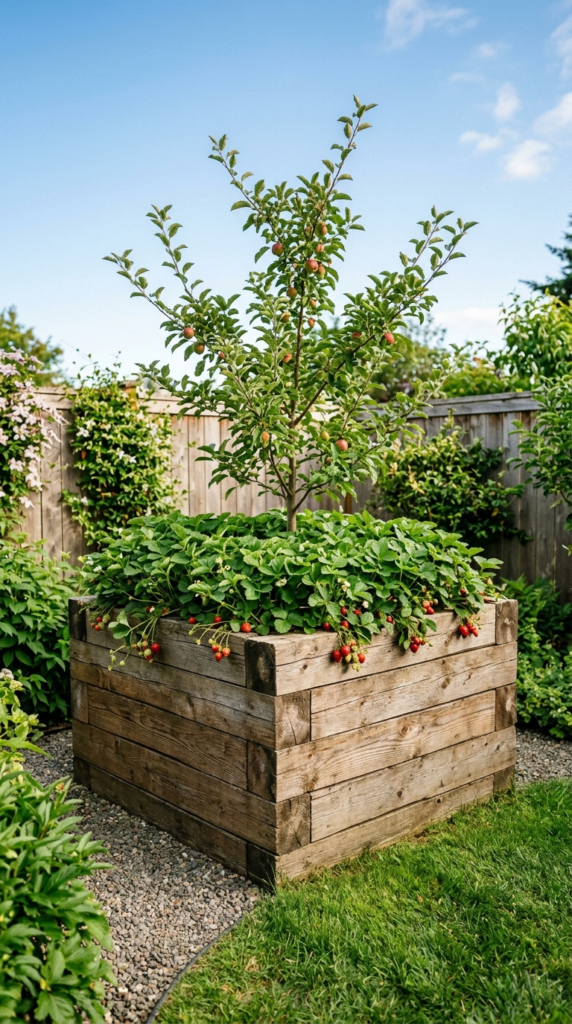
Talk about a game-changer! A 36-inch deep raised bed opens up a world most gardeners don’t even consider — dwarf fruit trees, blueberry bushes, and woody perennial shrubs.
These plants have extensive, deep root systems that need genuine commitment in terms of soil depth. A dwarf apple, pear, or fig tree in a 36-inch raised bed can absolutely thrive and produce real fruit — even on a patio or rooftop.
Yes, this is a big investment in materials and soil. But the payoff? Years of harvests from a single planting. Perennials and fruit trees come back year after year, so the ROI is genuinely incredible over time.
This depth also creates a beautifully dramatic vertical garden feature — a tall raised bed with a fruit tree or espalier shrub is a stunning focal point in any urban outdoor space.
Read up on growing dwarf fruit trees in raised beds to start planning your edible garden showpiece.
Dream big — you can absolutely pull this off!
Soil Mix: What You Fill It With Matters As Much As Depth
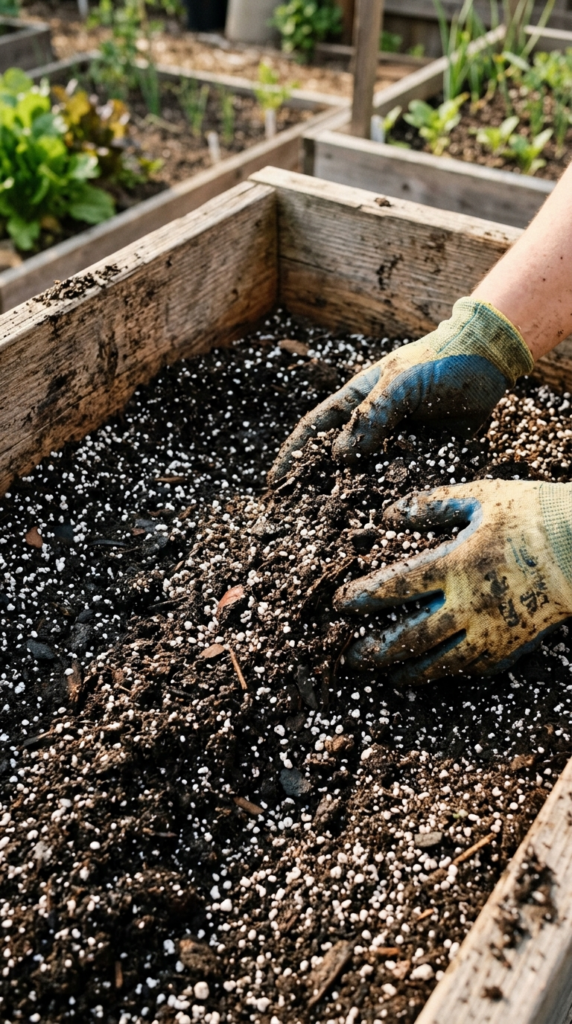
You could have the perfect depth and still fail if your soil mix is wrong. This is the part where a lot of gardeners cut corners — and pay for it with poor yields.
The classic go-to is Mel’s Mix from the Square Foot Gardening method: equal parts vermiculite, compost, and peat moss (or coconut coir). It’s light, fluffy, and drains beautifully — exactly what raised bed plants crave.
For deeper beds (18 inches or more), you don’t need to fill the entire depth with premium mix. Use the Hugelkultur method or simply layer the bottom third with logs, branches, cardboard, and organic debris. This breaks down over time, adds nutrients, and saves you serious money on soil.
💡 Pro Tip: Never use straight garden soil or topsoil alone in a raised bed — it compacts over time and suffocates roots. Always blend in compost and a drainage material like perlite or coarse sand.
The Cornell University Cooperative Extension offers fantastic guidance on optimal raised bed soil composition — definitely worth a read.
See our full breakdown of the best soil mix for raised garden beds for exact ratios.
Great soil equals great plants — it’s really that simple!
Does Your Native Soil Affect Depth Choice?
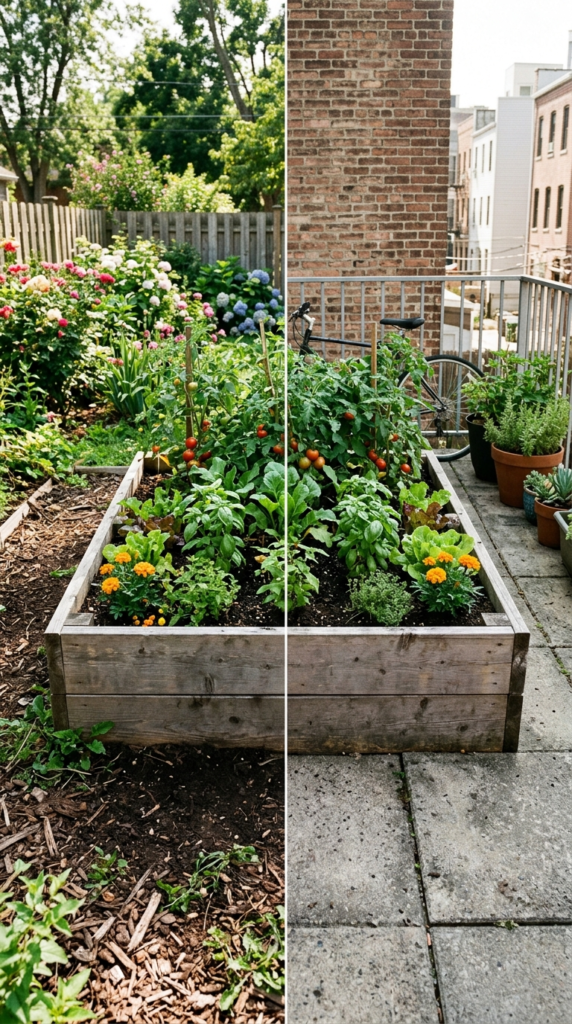
Here’s something most guides skip over: your native soil situation dramatically changes what depth you need. It’s not just about the bed in isolation.
If your raised bed sits on healthy, loose garden soil, your plant roots can actually grow down through the bed floor and access the native soil below. This effectively gives you bonus depth for free! In this case, you can sometimes get away with a slightly shallower bed than the charts suggest.
But if you’re gardening on concrete, clay hardpan, gravel, or treated wood decking, your plants are completely limited to what’s inside the bed. No bonus depth. No native nutrients. Everything has to live within those walls.
In urban settings — think balconies, rooftops, patios, and driveways — always add 4–6 extra inches to whatever depth the plant chart recommends. Consider it your urban gardening buffer zone.
Also consider soil contamination — if your native soil has any history of industrial use or heavy metals, a properly deep raised bed filled with clean soil is your best protection for growing edible crops safely.
Planning your raised bed setup? Browse our guide on raised beds for urban rooftop gardens for city-specific advice.
Know your ground and grow accordingly!
Frequently Asked Questions
What is the ideal depth for a raised garden bed for most vegetables?
The most versatile and widely recommended depth is 12 inches, which comfortably supports tomatoes, peppers, cucumbers, beans, herbs, and leafy greens. If you can only build one depth for a mixed vegetable garden, 12 inches is your safest and most productive choice.
Can a raised garden bed be too deep?
Technically, no — more depth is almost never a problem for plants. However, extremely deep beds (over 24 inches) can be unnecessarily expensive to fill if you’re not growing deep-rooted plants. Smart gardeners fill the bottom of very deep beds with organic fill material like logs or cardboard to reduce the amount of premium soil needed.
What depth raised bed is best for growing carrots?
Standard carrot varieties need at least 18–24 inches of loose, rock-free soil to develop properly. If you go shallower, expect forked, stunted, or twisted carrots. Short or “Chantenay” carrot varieties can manage at 12–16 inches if you amend your soil to be very light and well-draining.
How deep should a raised bed be if it’s placed on concrete?
If your raised bed sits on concrete or another impermeable surface, you should add at least 4–6 extra inches to your target depth since roots cannot access any ground below. A general vegetable bed that might work at 10–12 inches in a garden setting should be 16–18 inches deep when placed on concrete.
Does the material of the raised bed affect how deep it should be?
The material itself (wood, metal, fabric, composite) doesn’t change the ideal depth for your plants. However, fabric grow bags tend to air-prune roots, which means a shallower fabric bag can sometimes outperform a rigid shallow bed for certain plants. Regardless of material, always match your depth to the root requirements of what you’re growing.
A Few Final Thoughts
Getting your raised garden bed depth right from the very start is one of the best investments you can make in your gardening success. Whether you go with a simple 6-inch herb bed or commit to a dramatic 36-inch fruit tree showcase, the key is always matching your depth to your plants’ actual needs. Don’t guess — use the guide, plan ahead, and build it right the first time. Combine the perfect depth with a quality soil mix, and you’ve set yourself up for harvests that’ll genuinely impress. Now grab that tape measure, pick your depth, and go make something grow — your best garden season yet is waiting for you!