
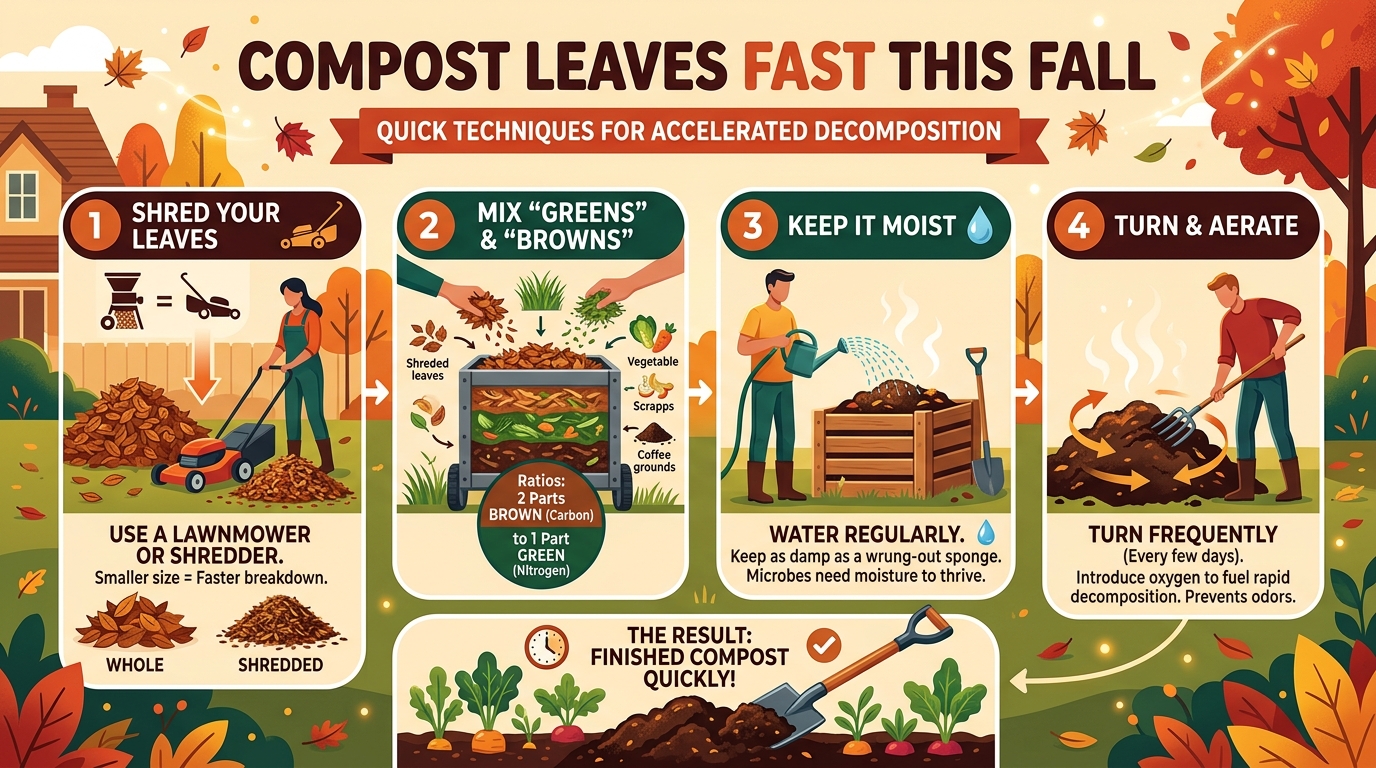
Fall is here, and your yard is drowning in leaves — but here’s the exciting part: those crunchy piles are basically free fertilizer waiting to happen! Most gardeners just bag them up and haul them away, never realizing they’re throwing gold in the trash. What if you could turn that massive leaf pile into rich, dark compost in just a few weeks instead of a whole year? Ready to find out? Let’s dive in!
At a Glance
- Shredding your leaves before composting can cut decomposition time by more than half.
- Balancing “browns” (leaves) with “greens” (kitchen scraps, grass clippings) is the single most important step for fast results.
- Keeping your compost pile as moist as a wrung-out sponge will dramatically speed up the breakdown process.
- Turning your pile every 3–5 days can produce finished compost in as little as 3–4 weeks.
- Avoid composting leaves from black walnut, eucalyptus, or heavily diseased trees, as they can harm your finished compost.
Why Fall Leaves Are Compost Gold
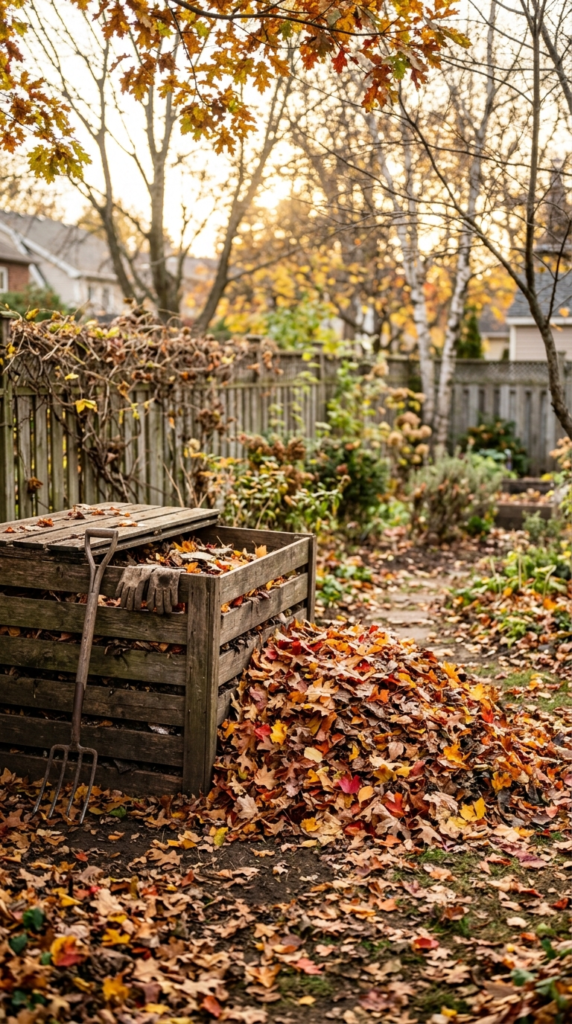
Here’s the deal: fall leaves are one of the most carbon-rich organic materials you can get your hands on — and they’re completely free! Every bag you haul to the curb is a missed opportunity for your garden.
Leaves are packed with carbon, trace minerals, and organic matter that breaks down into leaf mold and humus — the stuff that makes garden soil dark, rich, and spongy. Your plants absolutely love it.
The problem is that whole leaves decompose slowly on their own, sometimes taking a year or two. But with the right techniques, you can compost leaves fast and have usable material by late winter or early spring.
💡 Pro Tip: Leaves make up nearly 75% of a tree’s annual nutrient uptake — so composting them returns all that goodness directly back to your soil.
Learn more about the science of leaf decomposition at the University of Illinois Extension.
You’re already halfway there just by knowing this — nice work!
Shred First, Thank Yourself Later
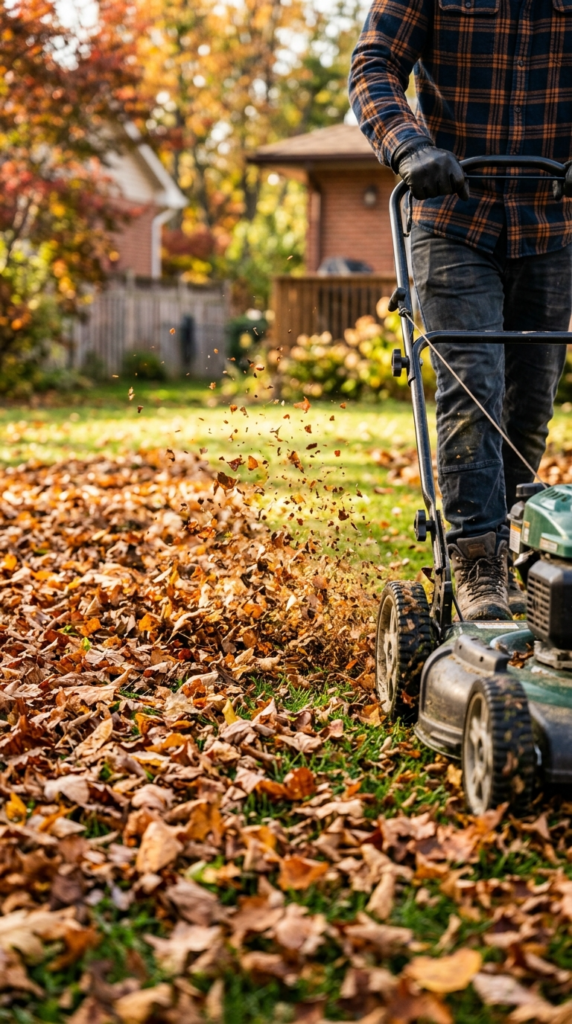
This is the single biggest mistake people make: tossing whole leaves into a pile and wondering why nothing happens. Shredded leaves break down dramatically faster because there’s more surface area for microbes to work on.
You don’t need any fancy equipment. Run your lawn mower back and forth over leaf piles a few times, or use a leaf blower with a vacuum/shredder mode. Either way, aim to reduce leaves to pieces roughly the size of a quarter or smaller.
Shredded leaves also resist matting, which is a huge problem with whole leaves. When leaves mat together, they block airflow and moisture — basically suffocating your compost pile.
- Lawn mower method: Quick, easy, works on dry leaves
- Leaf vacuum/shredder: Best for large volumes
- String trimmer in a trash can: Budget-friendly DIY option
- Hands + time: Works in a pinch for small amounts
Check out our guide on the best tools for fall garden prep for more gear recommendations.
Shred those leaves and you’ll be amazed at how fast everything moves!
Get Your Carbon-to-Nitrogen Ratio Right
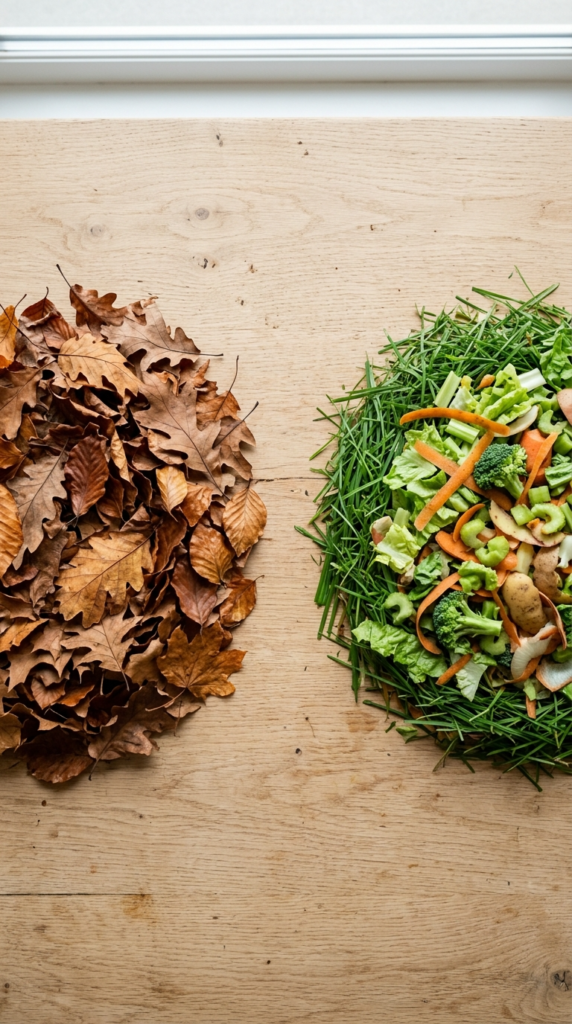
Here’s the thing: leaves alone won’t compost fast. They’re almost pure carbon, and microbes need nitrogen to thrive and multiply. Without nitrogen, decomposition basically stalls.
The magic formula is roughly 30 parts carbon to 1 part nitrogen — or in practical terms, for every big bucket of leaves, add a smaller scoop of something green or nitrogen-rich.
Great nitrogen sources to mix with your fall leaves include:
- Fresh grass clippings
- Vegetable and fruit scraps from your kitchen
- Coffee grounds
- Fresh plant trimmings
- A shovelful of finished compost (it’s teeming with microbes!)
💡 Pro Tip: If you only have leaves and no green material, a sprinkle of blood meal or cottonseed meal from the garden center works as a powerful nitrogen boost.
Getting this ratio right is honestly the secret to fast results. Visit The Rodale Institute’s composting guide for a deeper dive into C:N ratios.
Nail this step and your pile will practically compost itself!
Build Your Pile the Right Way
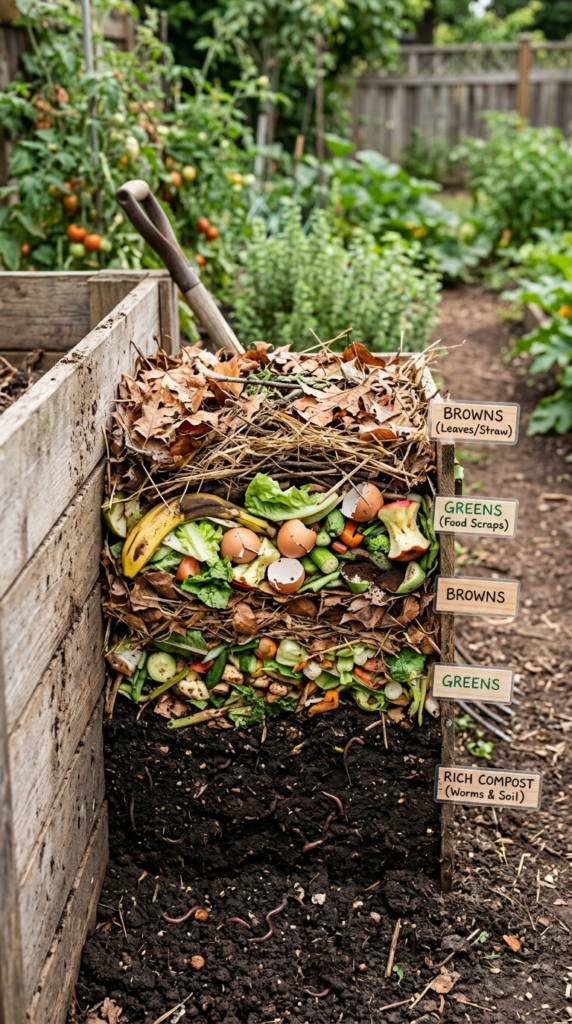
Think of your compost pile like a lasagna — layers matter! Alternating browns and greens creates the ideal environment for microbes to go absolutely wild.
Start with a 4–6 inch layer of shredded leaves, then add a 2–3 inch layer of green material, then a thin dusting of garden soil or finished compost. Repeat until your pile is at least 3 feet tall and 3 feet wide — that’s the minimum size needed to generate real heat.
A pile that’s too small just won’t heat up properly. Size really does matter here. Bigger piles retain moisture and heat more efficiently, which is exactly what you want.
Learn how to set up a compost bin for small spaces if you’re working with a balcony or tight urban backyard.
Build it right once, and the microbes will do the rest — pretty cool, right?
Moisture Is Everything
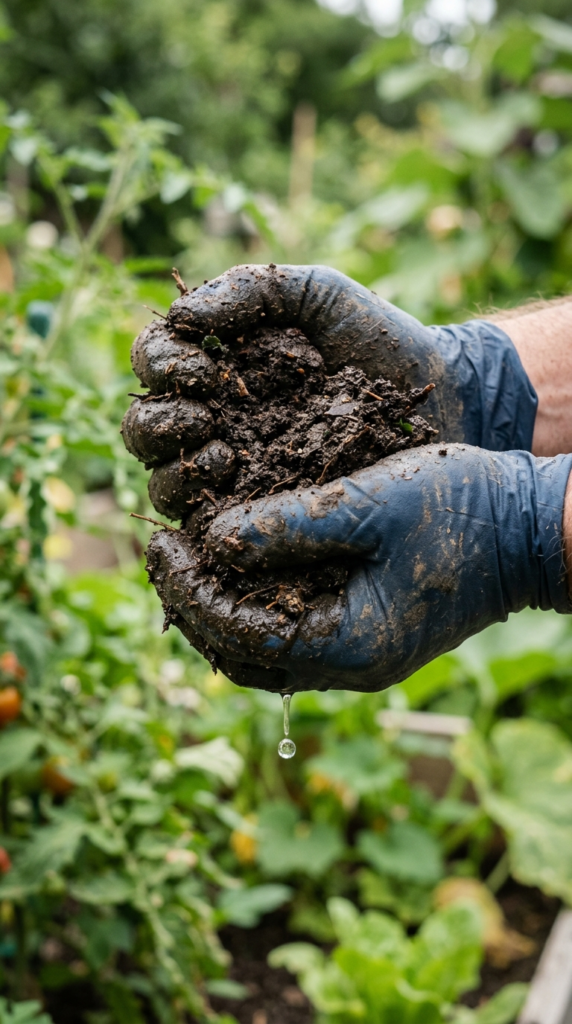
Your compost pile needs to feel like a wrung-out sponge — moist but not dripping wet. Too dry and the microbes go dormant. Too wet and you’ll get a slimy, smelly anaerobic mess instead of fast, healthy decomposition.
Fall is tricky because dry leaves suck up moisture fast. When you build your pile, give each layer a good watering as you go. Then check the pile every few days by grabbing a handful from the center and squeezing it.
If nothing comes out when you squeeze, add water. If it drips heavily, mix in more dry leaves to absorb the excess. It really is that simple.
💡 Pro Tip: Cover your pile with a tarp or burlap during heavy rain to prevent it from getting waterlogged, and during dry spells to hold in moisture.
See our complete guide to moisture management in container composting for more strategies.
Keep it moist, keep it moving — you’re doing great!
Turn It to Supercharge Decomposition
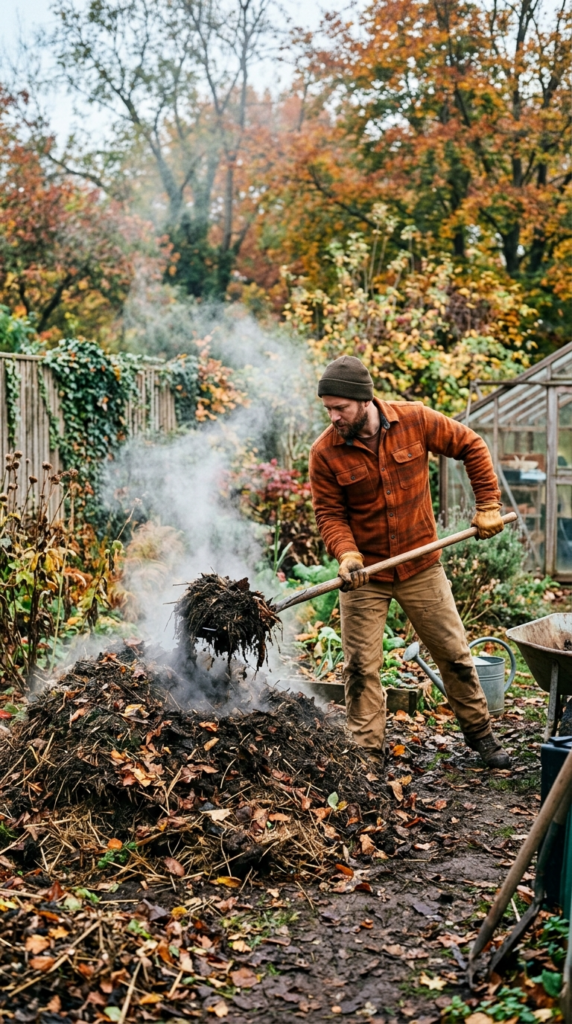
Turning your pile is the single fastest way to speed up composting — full stop. Every time you turn it, you’re injecting fresh oxygen and redistributing heat, moisture, and microbial activity.
For fast results, aim to turn your pile every 3 to 5 days. Yes, that sounds like a lot, but each turn genuinely shaves days off the process. If you’re consistent, you can have finished compost in 3–4 weeks. Talk about a game-changer!
Use a pitchfork or compost turning tool, and try to move material from the outer edges into the center, where the heat is most intense. The outside of the pile is always cooler and slower to break down.
- Turning every 3–5 days: Finished compost in 3–4 weeks
- Turning weekly: Finished compost in 6–8 weeks
- No turning: Finished compost in 6–12 months
Visit Fine Gardening’s composting tips for more on the benefits of active turning.
A little extra effort here pays off in a big way — keep it up!
Use Compost Activators to Speed Things Up
Sometimes your pile just needs a jump start. Compost activators are materials that inject a concentrated burst of nitrogen or microbial life directly into your pile.
The best natural activators are things you probably already have: coffee grounds, fresh grass clippings, aged manure, or even a shovelful of healthy garden soil. Sprinkle or layer them in when you turn the pile.
You can also buy commercial compost starters at garden centers — products with concentrated bacteria and enzymes that get decomposition going fast. They’re not strictly necessary, but they do help, especially with a leaf-heavy pile that’s slow to heat up.
💡 Pro Tip: Diluted urine (yes, really!) is one of the most effective free nitrogen sources — 1 part urine to 10 parts water, added when you turn the pile. Gardeners have used this trick for centuries!
Explore natural soil amendment ideas for urban gardens to learn more about feeding your soil.
Don’t be afraid to experiment — your pile can handle it!
The Hot Composting Method
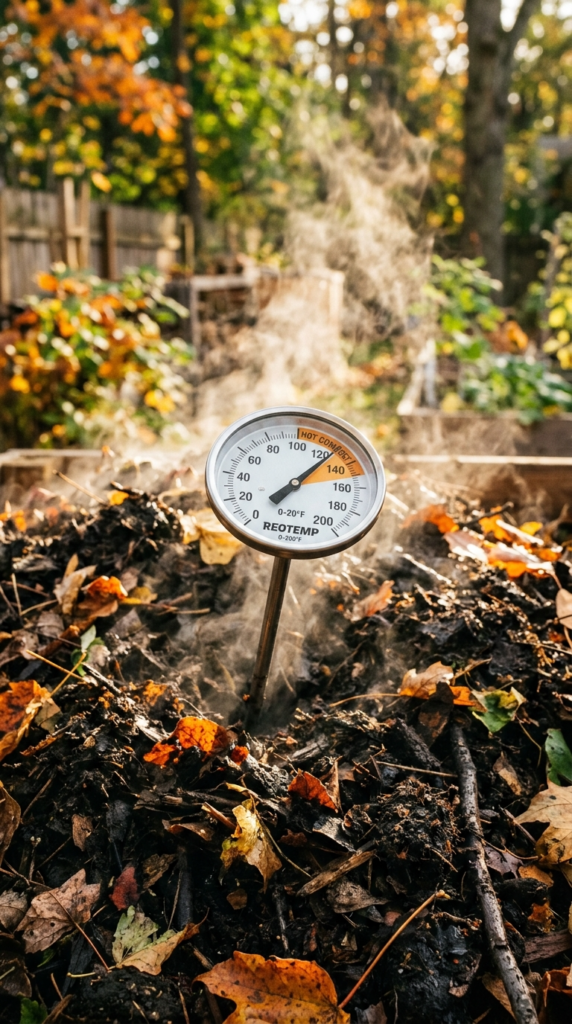
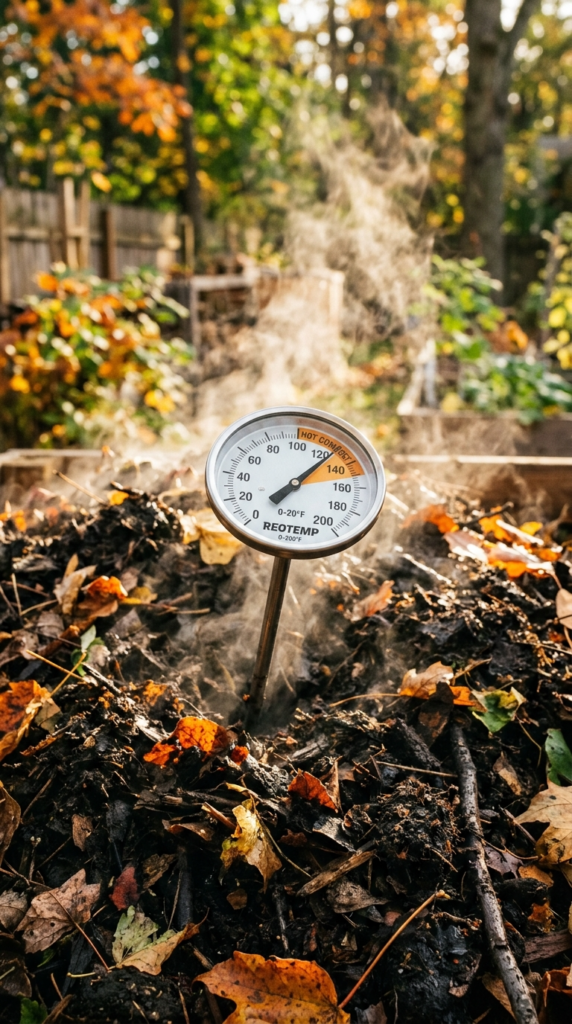
If you really want to compost leaves fast, hot composting is your best friend. This method deliberately builds and maintains a pile that reaches 130–160°F in the center, which destroys weed seeds, kills pathogens, and accelerates decomposition massively.
To achieve hot composting, you need: the right pile size (at least 3x3x3 feet), proper moisture, a balanced C:N ratio, and frequent turning. Hit all four of those, and your pile will heat up — you can actually feel the warmth radiating off it.
Invest in a compost thermometer (they’re cheap!) to monitor the core temperature. When it drops below 100°F, it’s time to turn again and re-ignite the heat.
Read our beginner’s guide to hot composting in small backyards to get started step by step.
Hot composting feels like magic the first time you try it — you’ve totally got this!
Leaves to Avoid in Your Compost Pile
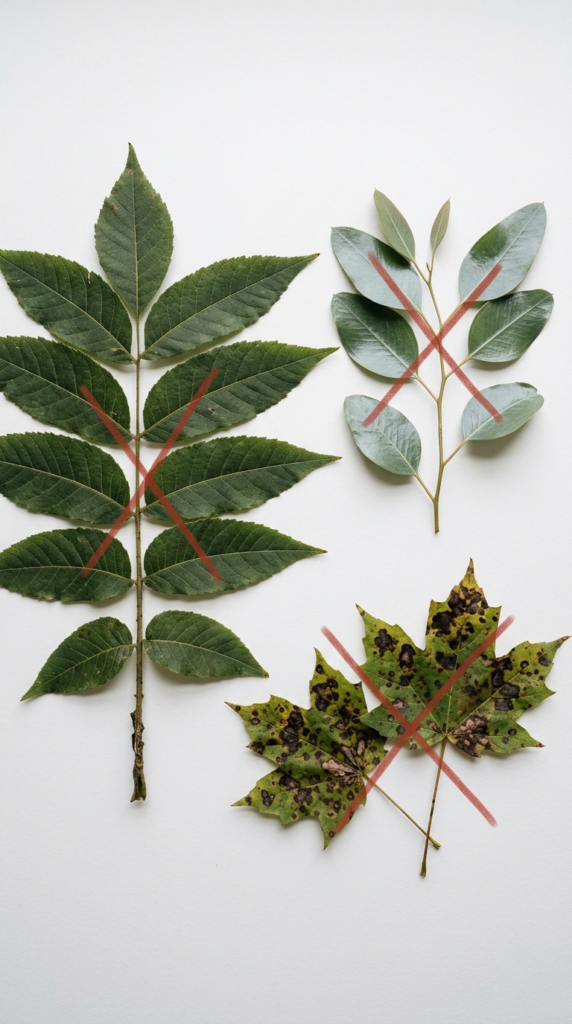
Not all leaves are created equal. Most fall leaves are fantastic for composting, but a few can actually slow things down or cause problems in your finished compost.
Black walnut leaves contain juglone, a natural chemical that’s toxic to many plants — tomatoes especially hate it. Eucalyptus leaves contain oils that inhibit decomposition and can harm plants. Heavily diseased leaves (think black spots, powdery mildew) can potentially spread those pathogens into your garden via finished compost.
When in doubt, leave them out — or hot compost them at high enough temperatures (above 140°F) to neutralize the bad stuff.
| Leaf Type | Compost? | Notes |
| Oak, maple, elm | ✅ Yes | Excellent brown material |
| Pine needles | ⚠️ Use sparingly | Acidify soil over time |
| Black walnut | ❌ Avoid | Contains plant-toxic juglone |
| Eucalyptus | ❌ Avoid | Oils slow decomposition |
| Diseased leaves | ⚠️ Hot compost only | Needs 140°F+ to be safe |
Learn which garden materials to keep out of your compost for a full breakdown.
Stick to the good stuff and your finished compost will be absolutely stellar!
What to Do With Finished Leaf Compost
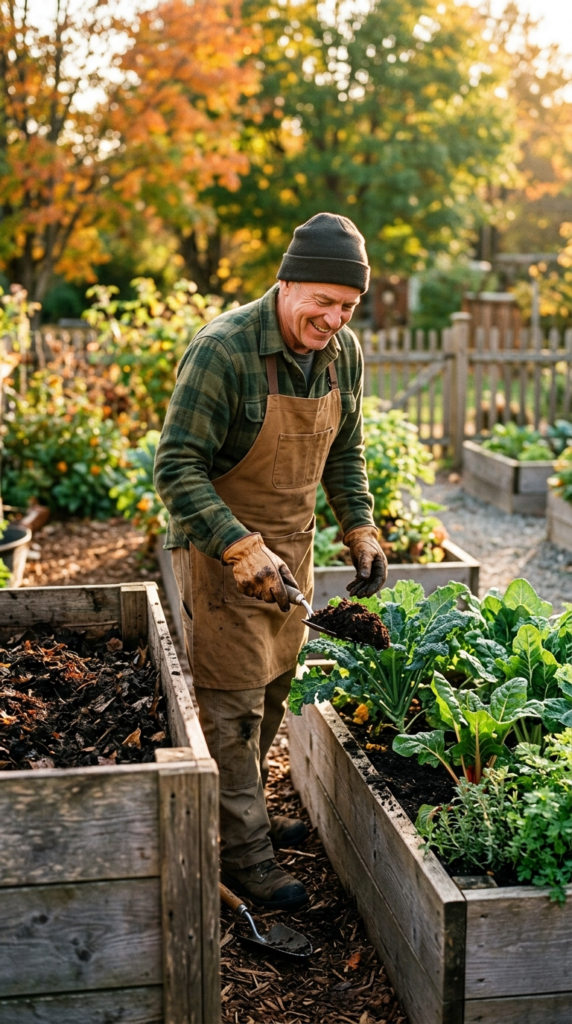
Once your compost is dark, crumbly, earthy-smelling, and no longer recognizable as leaves — congratulations, you’ve made leaf mold compost and it is incredible! Now the fun part: using it.
Spread a 1–2 inch layer on top of garden beds as a winter mulch — it insulates roots, suppresses weeds, and slowly feeds the soil through the cold months. Come spring, work it lightly into the top few inches of soil before planting.
Mix finished leaf compost into potting mix for containers and indoor plants at a ratio of about 20–30% compost to the rest of your mix. It improves drainage, adds nutrients, and feeds beneficial soil microbes.
- Top-dress garden beds: 1–2 inch layer as mulch or soil amendment
- Mix into containers: 20–30% compost in potting mix
- Lawn overseeding: Spread thinly over grass to improve soil
- Feed your worm bin: Worms go absolutely crazy for leaf compost
Discover creative ways to use compost in container gardens for more ideas.
All that hard work paid off — your garden is going to love you for it!
Frequently Asked Questions
How long does it actually take to compost leaves fast?
With hot composting techniques — shredding, proper moisture, good C:N balance, and turning every 3–5 days — you can have finished compost in as little as 3 to 4 weeks. Without active management, the same pile might take 6 months to a year, so the effort really does pay off dramatically.
Can I compost leaves without adding anything else?
Yes, but it’ll be very slow. Leaves are almost pure carbon, and decomposition speeds up dramatically when you add nitrogen-rich materials like kitchen scraps, grass clippings, or coffee grounds. A pure leaf pile left alone might take 1–2 years to fully break down.
Do I need a compost bin, or can I just pile leaves on the ground?
You don’t need a bin — a freestanding pile works perfectly well. That said, a bin helps retain moisture and heat, keeps things tidy, and can deter pests. For urban and balcony gardeners especially, a contained bin is often more practical and neighbor-friendly!
My compost pile smells bad — what’s wrong?
A rotten egg smell usually means the pile is too wet and has gone anaerobic. Add dry shredded leaves to absorb moisture, then turn it vigorously to get oxygen back in. A sour or ammonia smell often means too much nitrogen — add more carbon (dry leaves!) to rebalance. Either way, turning the pile is always the first fix to try.
Is leaf compost as good as regular compost?
Leaf compost (also called leaf mold) is actually prized by experienced gardeners for its ability to improve soil structure and water retention. It tends to be lower in nutrients than manure-based compost, but it’s fantastic as a soil conditioner and mulch. For the best of both worlds, mix leaf compost with a nutrient-rich compost for your garden beds.
A Few Final Thoughts
Fall is one of the most exciting times in the garden because those leaves everyone else sees as a chore are actually one of your greatest resources. Composting leaves fast is completely achievable with a little effort, some moisture management, and a willingness to turn your pile regularly. The reward — dark, crumbly, homemade compost that transforms your soil — is absolutely worth every bit of it. Whether you’re tending a small balcony container setup or a full backyard garden, this fall leaf compost will feed your plants through winter and set them up for an incredible spring. Now go make it happen!