
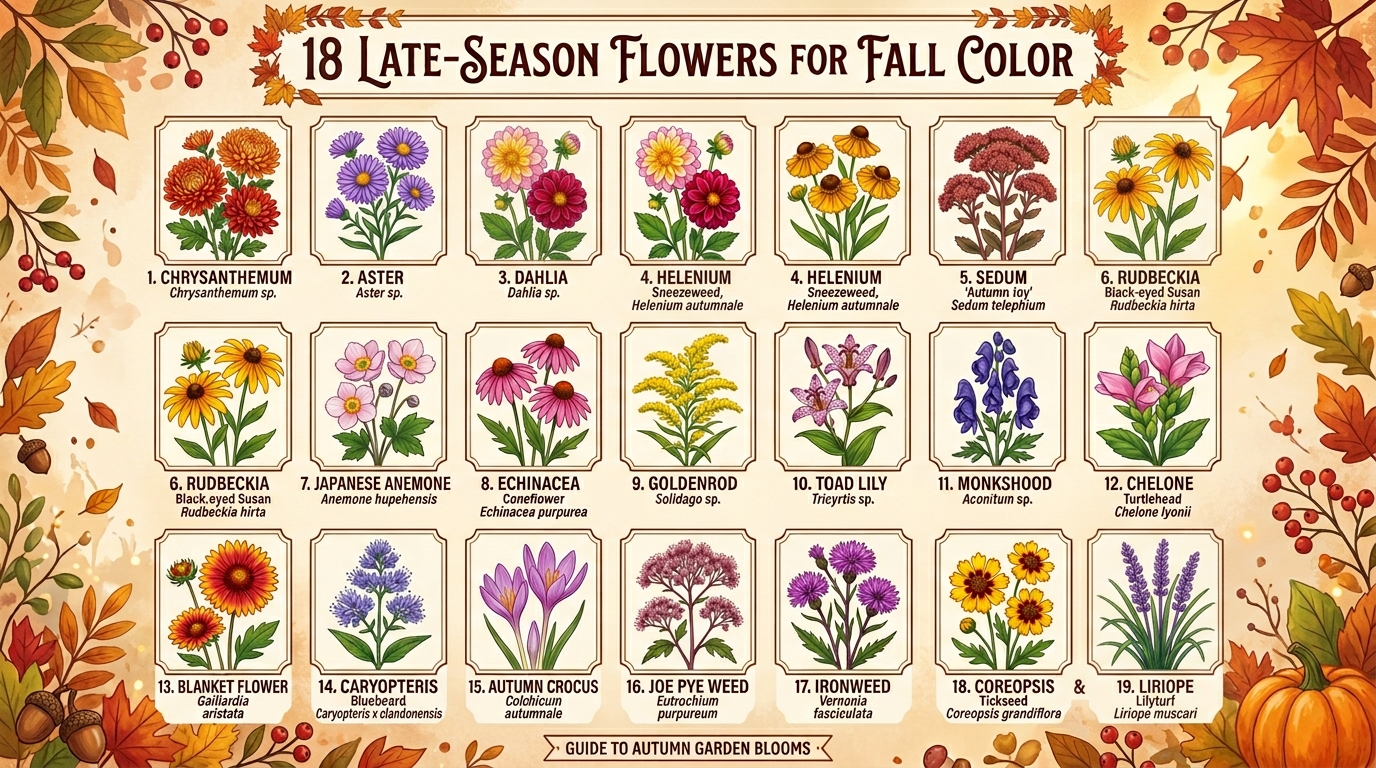
Think your garden is done for the year the moment summer winds down? Think again! Fall is secretly one of the most colorful seasons you can plant for — and most gardeners completely miss it. Whether you’ve got a backyard bed, a balcony planter, or a cozy front porch, late-season flowers can keep things gorgeous well into November. Ready to find out which blooms will steal the show this autumn? Let’s dive in!
At a Glance
- Late-season flowers can thrive in temperatures as low as 25°F, so don’t let a little chill stop you from planting.
- Many fall bloomers actually prefer cooler temperatures and will look better in October than they did in August.
- You can combine these plants into stunning seasonal container gardens for instant curb appeal.
- Most of these picks are low-maintenance — perfect if you’re winding down your gardening energy after a long summer.
- Pair these flowers with pumpkins, gourds, and rustic decor for a fall color display that feels totally intentional and magazine-worthy.
1. Chrysanthemums — The Undisputed Queen of Fall
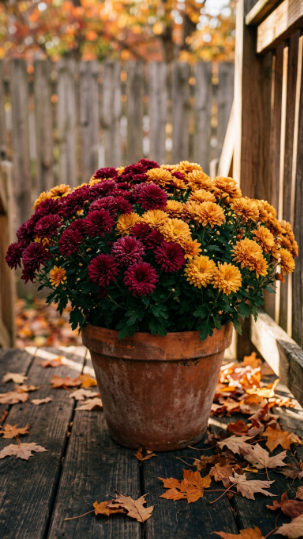
Honestly, if there’s one flower that defines fall color, it’s the mum. These beauties come in every warm shade imaginable — burnt orange, deep red, soft lavender, and sunny yellow.
Chrysanthemums are workhorses. They’re tough, they’re cheerful, and they bloom for weeks on end with almost zero fussing from you. Plant them in well-draining containers and they’ll reward you big time.
Here’s the deal: mums sold at garden centers in fall are often already budding, so you get color almost immediately. Choose ones with mostly buds rather than open flowers for the longest show.
💡 Pro Tip: Pinch off spent blooms every few days to keep new flowers coming and extend your display by two to three weeks.
Explore more container ideas at Fall Container Gardening Ideas and check out the full mum care guide from Penn State Extension.
You’ve totally got this — mums are the perfect starter fall flower!
2. Marigolds — Spooky-Season Gold in Every Pot
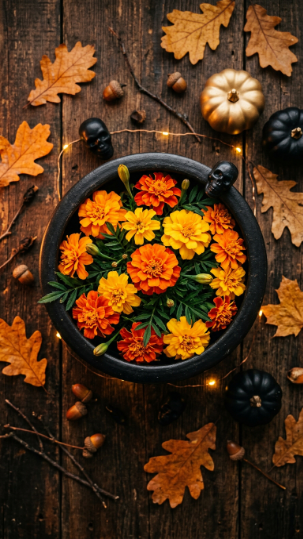
Here’s the thing: marigolds don’t just belong in summer. Their fiery orange and yellow blooms carry straight into late fall, and they practically scream Halloween vibes.
French marigolds stay compact and tidy in containers, while African varieties go big and bold in garden beds. Either way, they’re incredibly easy to grow and add instant seasonal charm.
Bonus? Marigolds naturally repel pests — so they’re pulling double duty in your fall garden. Pair them with dark foliage plants or deep purple ornamental kale for a striking seasonal container garden.
Grab planting tips at Marigold Care for Fall Gardens and learn more from RHS Marigold Guide.
Marigolds are basically fall in flower form — you absolutely need them!
3. Ornamental Kale — Bold Foliage That Steals the Show
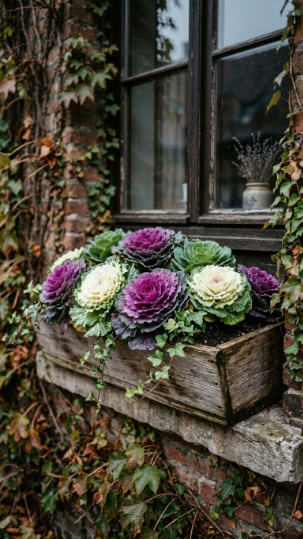
Okay, technically it’s foliage — but ornamental kale is so stunning in fall it absolutely earns its place on this list. The rosette patterns in shades of purple, pink, and cream are genuinely jaw-dropping.
Here’s the secret: ornamental kale actually gets more vivid as temperatures drop. A light frost intensifies those colors like nothing else. Plant it now and watch it glow well into December.
| Feature | Ornamental Kale | Ornamental Cabbage |
| Shape | Open rosette | Tight, rounded head |
| Best Color | Purple/pink | White/cream |
| Size | 12–18 inches | 10–12 inches |
| Cold Hardiness | Very hardy | Hardy |
Browse creative ideas at Ornamental Kale Planter Ideas and get expert growing tips from Gardeners’ World.
Plant a few of these and your fall containers will look absolutely designer-level!
4. Pansies — The Toughest Little Flowers You’ll Ever Meet
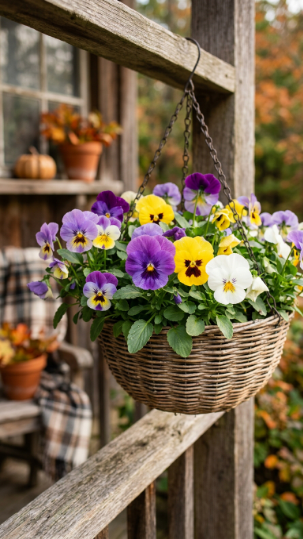
Don’t sleep on pansies! These little guys are surprisingly cold-hardy, surviving frosts that would knock out most other flowers without blinking.
Fall pansies actually prefer cooler temperatures, which means they’ll look their absolute best in October and November. Pop them in window boxes, hanging baskets, or ground beds — they work everywhere.
💡 Pro Tip: Water pansies at the base, not overhead, to prevent mold on the petals. They love cool moisture but hate soggy leaves.
Find your perfect pansy combo at Pansy Planting for Fall and explore varieties at The Sill Plant Guide.
Pansies prove that small flowers can make the biggest fall impact!
5. Asters — Purple Perfection for Your Halloween Fairy Garden
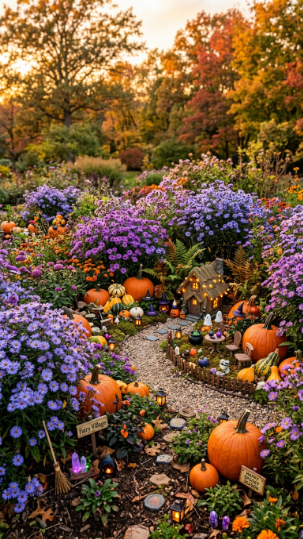
If you’re building a Halloween fairy garden or a magical fall display, asters are your secret weapon. Their star-shaped purple blooms look like something straight out of an enchanted forest.
Fall asters bloom from late August through October, making them one of the longest-performing late-season flowers you can plant. They attract butterflies too — nature’s bonus!
Bees and butterflies absolutely swarm asters in fall, which makes your garden feel alive and buzzing with magic. Pretty cool, right?
Get inspired at Fairy Garden Ideas for Fall and learn about aster varieties from University of Minnesota Extension.
Plant a patch of asters and watch the butterflies thank you all season long!
6. Sedum — Succulent Charm for Cool-Weather Containers
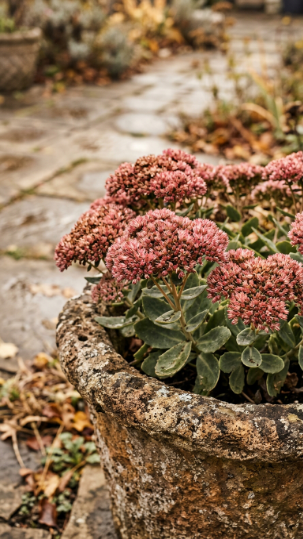
Talk about a game-changer! Sedum ‘Autumn Joy’ is a fall garden staple that goes through a gorgeous color transformation — from green to rosy pink to deep copper as the season progresses.
This plant is practically indestructible. It thrives in poor soil, needs minimal watering, and holds its structure even through the first hard frosts. Drought-tolerant perennials don’t get better than this.
💡 Pro Tip: Leave sedum seedheads standing through winter — they add gorgeous texture to your garden and provide food for birds.
Discover sedum container pairings at Sedum Fall Container Guide and read more at RHS Sedum Care.
Sedum is basically the gift that keeps on giving all the way into winter!
7. Japanese Anemone — Elegant Late Bloomer
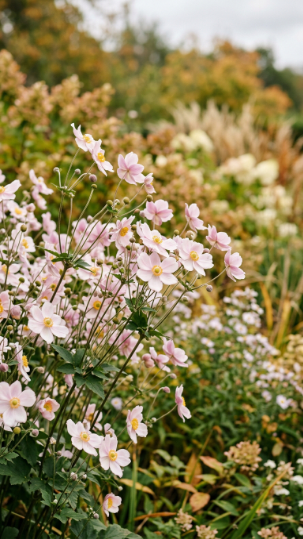
Here’s a flower that most people don’t think of for fall — and that’s exactly why you should plant it! Japanese anemones are delicate, graceful, and absolutely stunning in September and October.
Their tissue-paper-thin petals in shades of white and soft pink dance in the breeze like something from a movie set. They grow tall (up to 4 feet!), so use them as a backdrop for shorter fall bloomers.
These are wonderful for cutting gardens too. Bring them indoors for elegant fall arrangements that’ll make your home feel like a cozy boutique hotel.
Find pairing ideas at Japanese Anemone Garden Ideas and get care tips from Gardeners’ World.
Plant Japanese anemones once and they’ll reward you with fall color for years!
8. Toad Lily — A Hidden Gem for Your Witch’s Garden
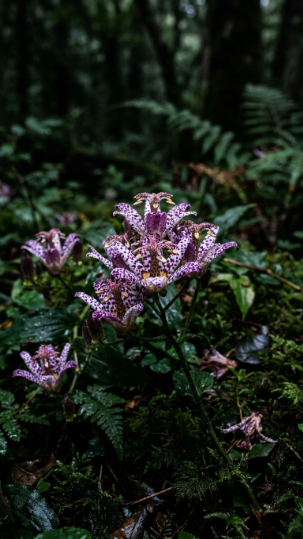
If you want something truly unusual for your witch’s garden or shaded fall display, toad lilies will blow your mind. Their orchid-like blooms with purple spots are almost unbelievably exotic-looking.
Toad lilies (Tricyrtis) bloom in September and October, precisely when most other shade plants have called it quits. They’re perfect for woodland gardens, shady corners, or under trees.
The secret is that they love dappled shade — which most gardeners have plenty of in fall. Combine them with ferns and dark-leaved coral bells for a moody, magical vignette.
Get moody garden inspiration at Witch’s Garden Plant Ideas and learn more from American Horticultural Society.
Toad lilies are genuinely one of fall’s best-kept secrets — plant them!
9. Rudbeckia (Black-Eyed Susan) — Sunshine That Refuses to Quit
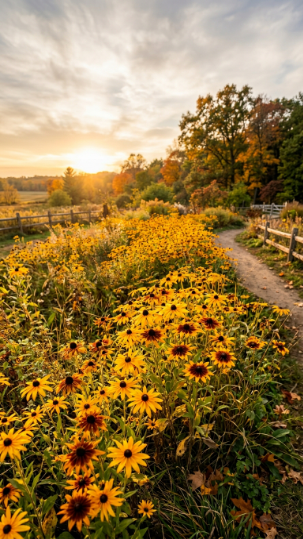
Black-eyed Susans are basically the embodiment of fall sunshine — golden petals, dark chocolatey centers, and absolutely zero drama. They just bloom, and bloom, and bloom.
These native perennials are incredibly hardy and often keep flowering right through light frosts. Their upright seedheads also provide gorgeous structure after the petals drop.
💡 Pro Tip: Don’t deadhead all your rudbeckia — leave some seedheads standing to attract goldfinches and other birds to your fall garden.
Find companion planting tips at Black-Eyed Susan Garden Pairings and explore varieties at Missouri Botanical Garden.
Golden rudbeckia is the cheerful heart of any fall garden — go plant some today!
10. Witch Hazel — Magical Blooms for a Halloween Fairy Garden
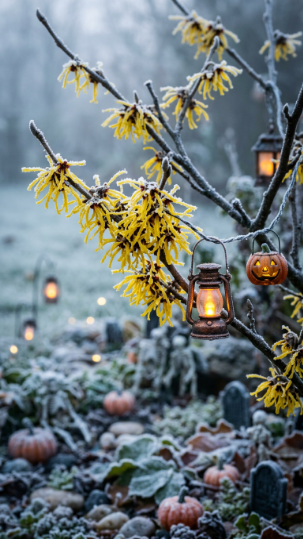
Here’s the deal: witch hazel blooms in late fall and even into winter, making it one of the most extraordinary late-season flowers you can grow. Its spidery yellow or orange blooms appear on bare branches like magic.
Witch hazel shrubs bring serious drama to a Halloween fairy garden display — pair them with tiny cauldron figurines, miniature pumpkins, and spooky decor for an utterly enchanting scene.
They’re also wonderfully fragrant on warm fall days, filling the air with a sweet, spicy scent that makes your whole yard smell incredible.
Get inspired at Halloween Fairy Garden Design Ideas and learn more from RHS Witch Hazel Guide.
Witch hazel is genuinely magical — and your fall garden deserves that energy!
11. Helenium — Rich Jewel Tones in Every Petal
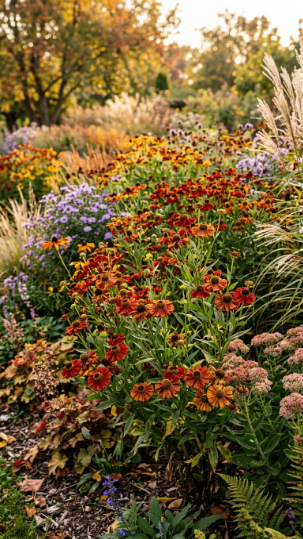
Helenium (also called sneezeweed — don’t worry, it won’t make you sneeze!) is an absolute powerhouse of fall color. Its daisy-like flowers come in fiery reds, burnt oranges, and rich golds.
These late-season perennials bloom from late summer well into October and attract pollinators in droves. They work beautifully in both seasonal container gardens and traditional garden borders.
The colors are so intense they almost look painted. Mix different varieties for a sunset-worthy palette that’ll make your neighbors stop and stare.
Find helenium design inspiration at Fall Perennial Border Ideas and check out the RHS Helenium Guide.
Plant helenium once and you’ve got jewel-toned fall color for years to come!
12. Ornamental Grasses — Movement and Texture for Fall
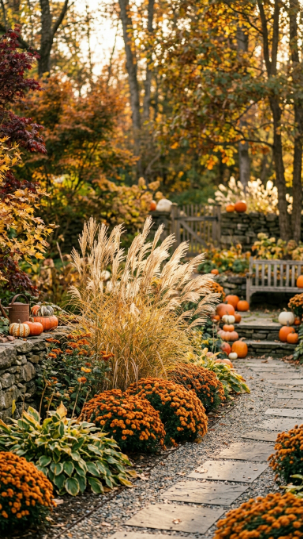
Okay, they’re technically not flowers — but ornamental grasses are absolutely essential for fall color and texture. Their feathery plumes catch the light in the most breathtaking way.
Miscanthus, Pennisetum, and Panicum are all spectacular fall performers. They add movement to otherwise static garden scenes and look absolutely magical when backlit by low autumn sun.
💡 Pro Tip: Cut ornamental grasses back to 4–6 inches in late winter, not fall — those plumes provide valuable winter bird habitat and stunning frost-covered garden structure.
Get pairing ideas at Ornamental Grasses for Fall Gardens and learn more from Missouri Botanical Garden.
Add grasses to your fall display and suddenly everything looks intentionally designed!
13. Cyclamen — Jewel-Bright Blooms for Containers and Patios
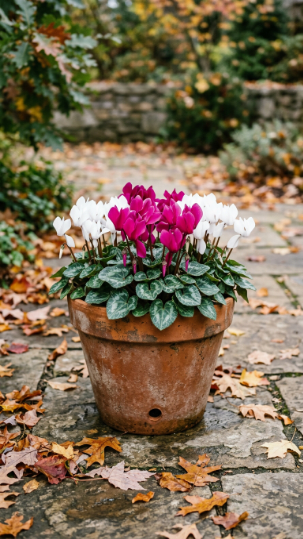
Here’s one that surprises people every single time: cyclamen are fall and winter stars. Their swept-back petals in hot pink, red, white, and purple are impossibly elegant.
Hardy cyclamen naturalize beautifully under trees and in shady spots where other fall flowers struggle. Container cyclamen are perfect for covered porches and balcony gardens where frost is an issue.
They’re also incredibly long-blooming — a single cyclamen plant can flower for three to four months straight with minimal care. That is serious value for your gardening dollar!
Explore balcony garden ideas at Balcony Container Garden Fall Ideas and get cyclamen care tips from RHS Cyclamen Guide.
Cyclamen are fall’s most underrated gem — get them on your patio ASAP!
14. Goldenrod — Wild Beauty That Lights Up the Garden
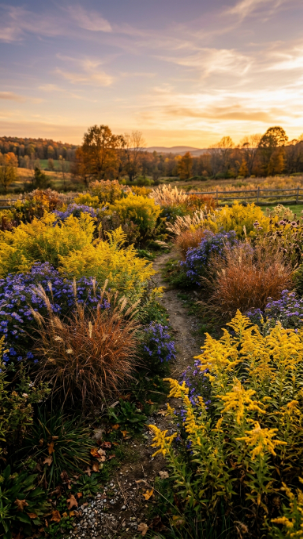
Goldenrod gets a bad reputation (unfairly, we might add — it’s not actually the allergy culprit people think!). But as a fall garden plant, Solidago is absolutely sensational.
Those arching plumes of bright yellow flowers are incredibly showy and pair magnificently with purple asters for a classic fall color combination that looks professionally designed.
Goldenrod is also a critical late-season food source for bees and butterflies. You’re not just making your garden beautiful — you’re supporting the whole ecosystem!
Find wildflower garden ideas at Native Plant Fall Garden Guide and learn more at University of Minnesota Extension.
Goldenrod is bold, beautiful, and completely wildlife-friendly — plant it proudly!
15. Coneflower Seedheads — Structural Beauty for a Halloween Fairy Garden
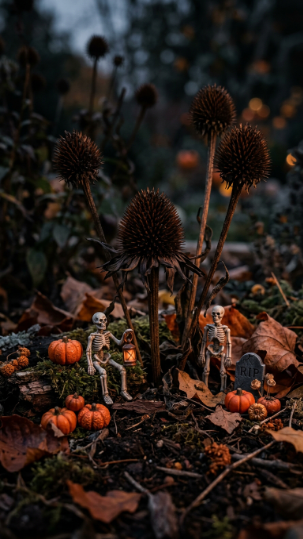
Your echinacea coneflowers might be done blooming, but here’s the thing: their spiky seedheads are just as stunning as the flowers. In fact, they’re even better in a Halloween fairy garden setting!
Those architectural brown seedheads look like something from a Tim Burton movie — perfectly spooky, perfectly beautiful. Add tiny figurines, miniature pumpkins, and moss for an irresistible seasonal display.
💡 Pro Tip: Leave coneflower seedheads standing all winter — goldfinches will pick them clean and thank you for the free bird feeder!
Get Halloween garden decor ideas at Halloween Fairy Garden Decor Tips and learn about coneflower care from Penn State Extension.
Turn your spent coneflowers into a Halloween masterpiece — it’s easier than you think!
16. Cosmos — Feathery Fall Flowers That Keep on Giving
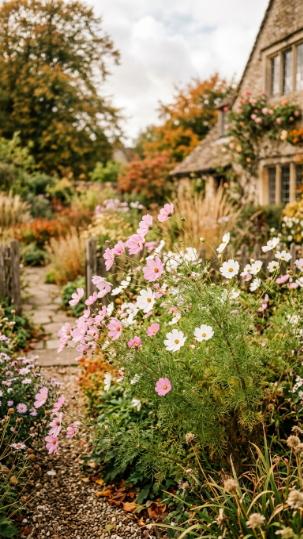
Cosmos planted in early summer will still be going strong in your fall garden — and they look even more romantic once the air gets crisp and the light gets golden.
Their feathery, ferny foliage and delicate daisy-like blooms in pink, white, and burgundy are incredibly charming against the richer tones of fall. They’re also incredibly easy to grow from seed.
Let some cosmos go to seed and you’ll have a free crop of volunteers next spring. It’s like they give you a gift on the way out!
Find cosmos garden inspiration at Annual Flowers for Fall Gardens and explore varieties at Gardeners’ World Cosmos Guide.
Cosmos remind you that delicate and tough aren’t mutually exclusive — keep them growing!
17. Colchicum (Autumn Crocus) — Surprise Blooms From Nowhere
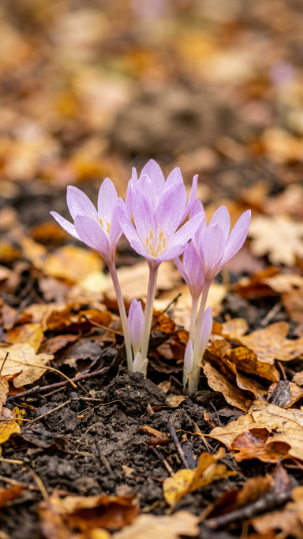
Talk about a game-changer! Colchicum bulbs bloom in September and October with absolutely zero foliage — the flowers just appear magically from bare soil like tiny purple ghosts.
These fall bulbs are completely different from spring crocuses and bloom without any leaves, which makes them look almost surreal in the garden. They naturalize beautifully under trees and in lawns.
Plant the bulbs in late summer and then basically forget about them — they do the rest themselves. The secret is getting them in the ground before August ends!
Get bulb planting guidance at Fall Bulb Planting Calendar and learn more from RHS Colchicum Guide.
Colchicum is fall’s best surprise — plant them now for a magical reveal!
18. Heather — Moorland Magic for Your Fall Color Palette
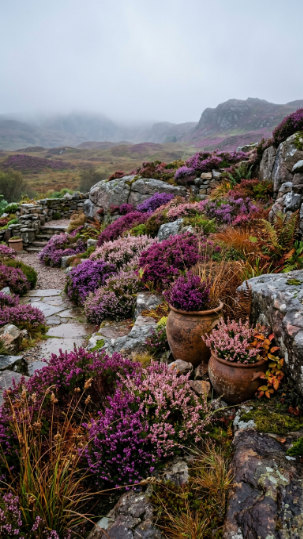
Calluna heather is one of those fall garden plants that completely transforms a space. Massive drifts of purple and pink blooms create a moorland effect that looks absolutely breathtaking.
Fall heather varieties bloom from August right through November and are incredibly cold-tolerant. They work beautifully in rock gardens, raised beds, and as bold container plants on your balcony or porch.
💡 Pro Tip: Trim heather lightly after blooming but never cut back into old wood — it won’t regenerate from there. Keep it looking tidy without scalping it!
Find heather garden ideas at Heather Plant Container Guide and get expert advice from RHS Heather Growing Guide.
Heather turns your fall garden into a Highland adventure — plant it and be amazed!
19. Nemesia — Cheerful Color for Your Late-Season Container Garden
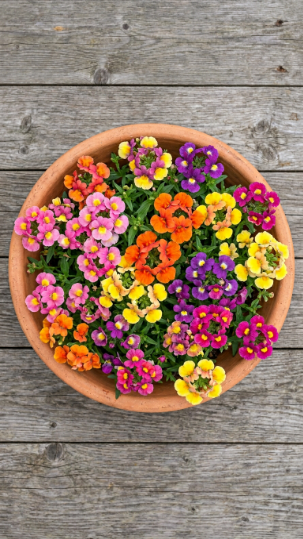
Last but absolutely not least — nemesia is a fall container superstar that deserves way more attention than it gets. These small, snapdragon-like flowers come in a riot of colors and bloom prolifically in cool weather.
They’re perfect for seasonal container gardens, window boxes, and hanging baskets. Nemesia actually struggles in summer heat but thrives once fall arrives — making it a perfect swap-in for your tired warm-season annuals.
Mix several colors together in one wide container and you’ll have a display that looks like a professional florist arranged it. Pretty cool, right?
Browse fall container recipes at Fall Window Box Ideas and learn more from RHS Nemesia Guide.
Nemesia is your secret weapon for a jaw-dropping fall container — go find it now!
Frequently Asked Questions
What are the best late-season flowers for containers and pots?
For containers, your top picks are chrysanthemums, pansies, cyclamen, and nemesia. These all thrive in confined spaces, tolerate cool temperatures beautifully, and provide weeks of continuous color. Mix in ornamental kale for texture and you’ve got a stunning seasonal container garden that’ll last well into late fall.
How do I keep my fall flowers blooming as long as possible?
The key is regular deadheading — removing spent flowers encourages the plant to keep producing new ones. Also make sure your plants are in well-draining soil (waterlogged roots kill fall flowers fast), water consistently but don’t overdo it, and protect tender plants from the hardest frosts with a light fleece covering overnight.
Can I create a Halloween fairy garden using late-season flowers?
Absolutely — and it’s incredibly fun! Use witch hazel, purple asters, coneflower seedheads, and toad lilies as your plant backbone. Add tiny figurines, miniature cauldrons, spooky decor, and small pumpkins around the base of your plants. A Halloween fairy garden planted with these late-season flowers creates a magical, whimsical display that kids and adults both love.
Which late-season flowers are best for attracting pollinators?
Asters, goldenrod, rudbeckia, helenium, and sedum are your pollinator powerhouses in fall. These plants provide critically important nectar for bees and butterflies that are preparing for winter. Planting a mix of these native and naturalistic plants helps support local ecosystems during a time when food sources are scarce.
When should I start planting for fall color?
For the best results, start planting late-season flowers in late August through mid-September. This gives plants enough time to establish roots before temperatures drop hard. For bulbs like colchicum, plant in July or early August. Container plants like mums and pansies can go in as late as early October and still deliver weeks of gorgeous color.
A Few Final Thoughts
Fall doesn’t have to mean the end of your garden’s glory — it can actually be the beginning of some of its most stunning moments. With these 19 late-season flowers, you have everything you need to create a display that’s rich, layered, and full of life from September right through November. Whether you’re going full Halloween fairy garden fantasy or keeping things elegantly simple with chrysanthemums and ornamental kale, the options are truly endless. The secret is just getting started — even one or two of these plants will transform your outdoor space completely. Don’t let fall sneak by without making the most of every colorful, crisp, magical moment it has to offer. Now go make it happen!