
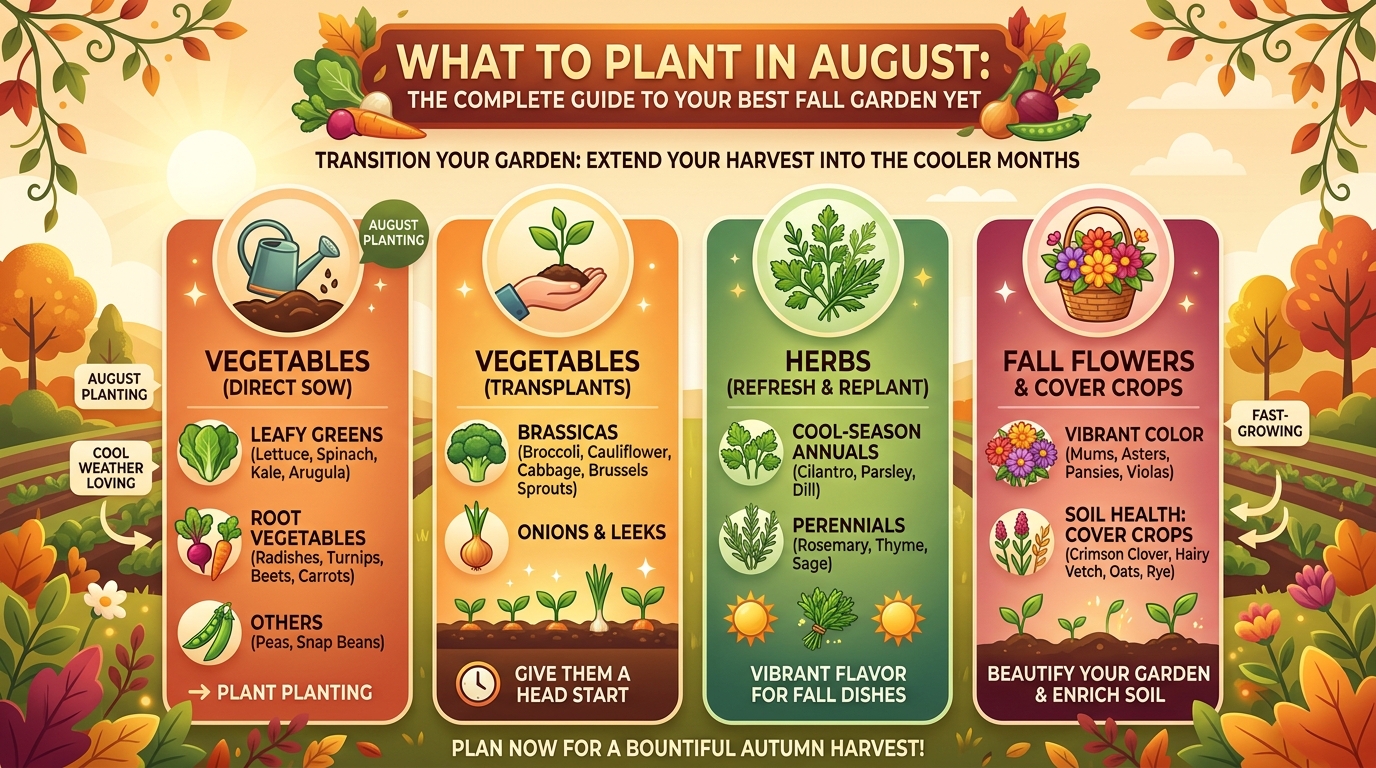
Think August means your gardening season is basically over? Oh, friend — you are so wrong, and we’re here to change that mindset forever! August is actually one of the most exciting months in the garden calendar, because right now you have a golden window to plant cool-season crops, fresh herbs, and gorgeous fall flowers that will thrive as temperatures drop and reward you with a bountiful harvest well into autumn. Knowing exactly what to plant in August is the difference between a garden that fizzles out in September and one that keeps you busy picking, snipping, and smiling through November. Ready to find out? Let’s dive in!
At a Glance
- August is prime time for cool-season vegetables like kale, spinach, lettuce, beets, and broccoli — they actually prefer the cooler temps heading your way.
- Always count backward from your first frost date to check if a plant has enough days to mature before winter hits.
- Add seven to ten extra days to the “days to maturity” listed on seed packets to account for shorter autumn daylight hours and slower growth.
- Many August plants — especially brassicas and root vegetables — taste sweeter after a light frost, so cold weather is actually a bonus!
- If you’re short on garden space, containers are perfect for fast-growing salad greens, radishes, and herbs planted in August.
1. Lettuce & Salad Greens — The Ultimate Answer to What to Plant in August
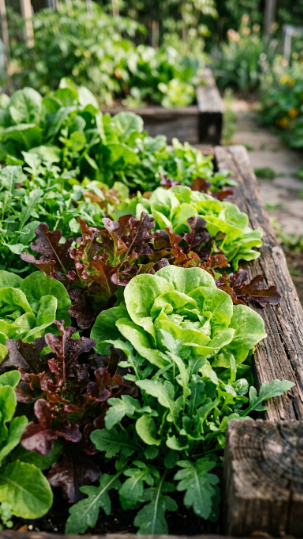
If there’s one thing every gardener should know about what to plant in August, it’s lettuce. Full stop. These leafy beauties are fast-growing, incredibly versatile, and absolutely love the cooler temperatures that autumn brings.
Bolt-resistant and heat-tolerant varieties like ‘Buttercrunch,’ ‘Mesclun Mix,’ and ‘Oak Leaf’ are your best bets for late-summer sowing. They’ll sprint through germination in the warm soil and then slow down beautifully as fall air rolls in — timing couldn’t be more perfect.
The secret is succession sowing — sow a small row every two weeks from now through early September to keep a continuous harvest going rather than getting everything at once. You’ll be cutting fresh salad greens in October while your neighbors are pulling up empty beds. Pretty cool, right?
💡 Pro Tip: Keep lettuce seeds consistently moist during germination — they’re tiny and the top inch of August soil can dry out fast. A light shade cloth over your seedbed drops the soil temperature by several degrees and dramatically improves germination rates.
Explore raised bed salad garden ideas at Salad Garden Raised Bed Guide and get expert growing tips from Penn State Extension Lettuce Guide.
Sow a row of lettuce this week and you’ll be harvesting fresh salads before you know it!
2. Kale — The Frost-Hardy Superstar of August Planting
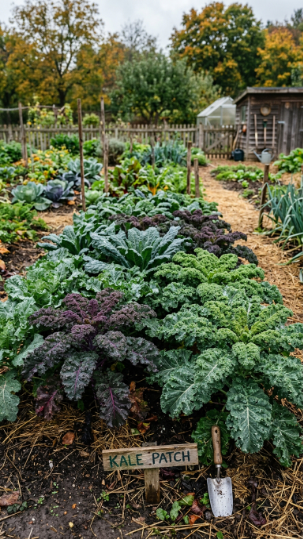
Here’s the deal: kale planted in August is one of the smartest moves you can make in the entire gardening year. It grows steadily through September, hits its stride in October, and actually gets better after the first frost sweetens its leaves.
Curly kale, Red Russian, and Lacinato (dinosaur) kale are all excellent choices for late-summer sowing. They’re genuinely cold-hardy down to about 10°F when established, which means a single August planting can feed you all the way through winter in most zones.
Don’t overcrowd! Thin seedlings to at least 12 inches apart once they’re established — crowded kale is sad kale. Give them space, a bit of balanced fertilizer, and consistent water, and they will absolutely go wild for you.
| Kale Variety | Days to Maturity | Cold Hardiness | Flavor Profile |
| Red Russian | 50–60 days | Very hardy | Mild, sweet |
| Curly Green | 55–65 days | Very hardy | Earthy, robust |
| Lacinato (Dino) | 60–70 days | Hardy | Rich, slightly bitter |
| Dwarf Siberian | 50–55 days | Extremely hardy | Sweet, tender |
Find companion planting ideas at Kale Fall Garden Companion Plants and get variety advice from Savvy Gardening’s Kale Growing Guide.
Plant kale in August and you’ll be harvesting the most delicious, cold-sweetened leaves all winter long!
3. Spinach — Cool-Weather Gold for Your August Garden
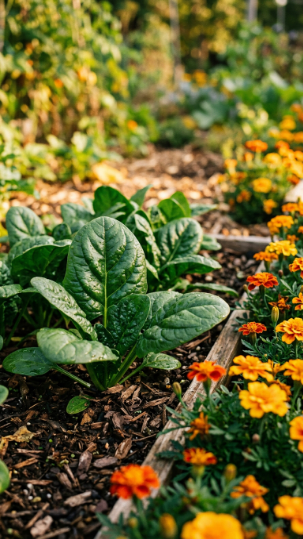
Spinach and August are actually a match made in gardening heaven — even though most people think of it as a spring crop. The truth? Spinach genuinely thrives in the cool temperatures that arrive as summer winds down, and August-sown plants become your most productive fall greens.
Varieties like ‘Bloomsdale Long-Standing,’ ‘Renegade,’ and ‘Space’ are excellent fall performers. They germinate quickly in warm August soil, grow vigorously through September, and can handle frosts down to about 20°F without flinching. It’s one of those crops that keeps going long after you expect it to stop!
Here’s the thing: if your August is still brutally hot, chill your spinach seeds in the refrigerator for a few days before sowing. This cold stratification breaks dormancy and dramatically improves germination in warm soil temperatures above 75°F.
💡 Pro Tip: Sow spinach seeds thickly and then thin to 4–6 inches apart. Use the thinnings as baby spinach in salads — they’re absolutely delicious and thinning doubles as your first harvest!
Get container spinach planting tips at Container Spinach Fall Garden Ideas and learn more from University of Minnesota Extension Spinach Guide.
Sow spinach seeds today and you’ll have the most satisfying fall harvest on your whole street!
4. Radishes — The Fastest Win in Your What to Plant in August List
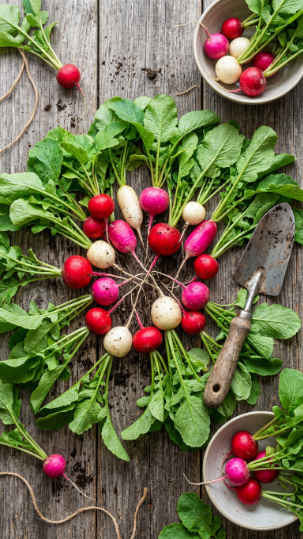
Want a win right now? Plant radishes. Seriously — radishes mature in as little as 22–30 days, making them the single fastest-growing vegetable you can put in the ground in August. It’s genuinely instant gratification gardening!
Cherry Belle, French Breakfast, Watermelon Radish, and Black Spanish are all excellent August varieties. The regular round red types are ready in under a month; the larger winter varieties like daikon and black radish take 50–60 days but store brilliantly through winter in a cool cellar.
Radishes also make phenomenal garden companions — sow them between slower crops like carrots and beets as a living marker. By the time the radishes are ready to pull, your other crops will be big enough to fill the gaps naturally. Talk about a game-changer!
- Fast-maturing radishes for August sowing:
- ‘Cherry Belle’ — 22 days, bright red, crisp
- ‘French Breakfast’ — 25 days, elongated, mild
- ‘Comet’ — 30 days, reliable and uniform
- ‘Watermelon Radish’ — 50 days, stunning pink interior
Get succession sowing tips at Radish Succession Planting Guide and browse varieties at Missouri Botanical Garden Radish Profile.
Plant a row of radishes this weekend — seriously, you’ll be eating them before you even remember you planted them!
5. Beets — Colorful Root Crops Perfect for August Planting
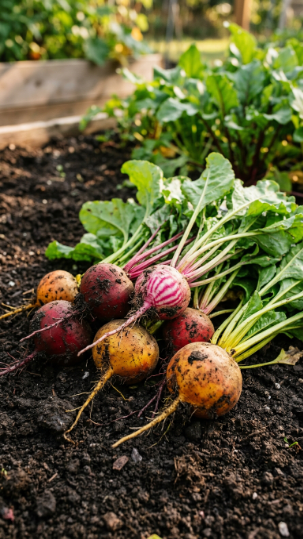
Beets are incredibly underrated as an August planting — and once you try homegrown fall beets, roasted sweet and caramelized straight from your own garden, you will never stop planting them in late summer. Ever.
Varieties like ‘Chioggia,’ ‘Detroit Dark Red,’ ‘Golden Beet,’ and ‘Bulls Blood’ all perform wonderfully from August sowings. They’re ready to harvest in 55–70 days, which gives most gardeners a comfortable window before first frost in Zones 4–8. Plus the greens are edible too — double harvest!
Here’s the deal: beet seeds are actually clusters of several seeds stuck together. After sowing, thin seedlings to one plant every 3–4 inches ruthlessly. Crowded beets produce skinny, disappointing roots, while properly spaced plants produce gorgeous, golf-ball-sized beauties every single time.
💡 Pro Tip: Soak beet seeds in water for 12–24 hours before sowing to soften the tough seed coat and dramatically improve germination speed — especially in still-warm August soil.
Discover beet companion planting at Beet Companion Plants Fall Garden and get expert growing advice from Gardeners’ World Beetroot Guide.
Plant beets now and roast your own homegrown harvest this November — it’s completely worth it!
6. Carrots — The Sweet Slow-and-Steady August Planting Reward
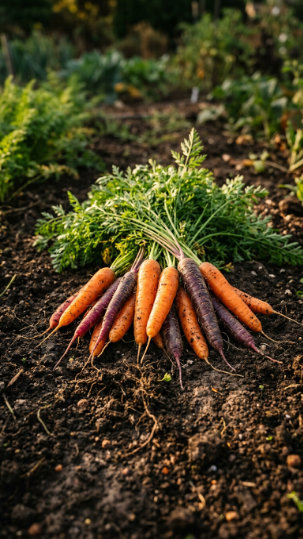
Carrots take patience — but fall-harvested carrots are genuinely some of the sweetest vegetables you’ll ever grow, because cool temperatures convert their starches into natural sugars in the most delicious way. August is the perfect time to start this slow, sweet journey.
Sow ‘Romeo’ (round), ‘Nantes,’ ‘Danvers,’ or ‘Purple Haze’ in early August for a harvest in October and November. Loose, well-amended soil is non-negotiable for straight, well-shaped roots — dig down at least 12 inches and remove every stone or clump you find.
The secret is keeping the soil consistently moist during the 14–21 day germination period — carrot seeds are tiny and they’ll simply give up and die if the top inch dries out even once. Cover your sown area with a burlap sack or row cover to retain moisture during those critical first weeks.
Get deep-soil raised bed tips at Deep Raised Bed Carrot Growing Guide and learn more from RHS Carrot Growing Guide.
The wait is absolutely worth it — fall-sweetened homegrown carrots are in a completely different league from store-bought!
7. Broccoli & Brassicas — August’s Most Rewarding Cool-Season Bet
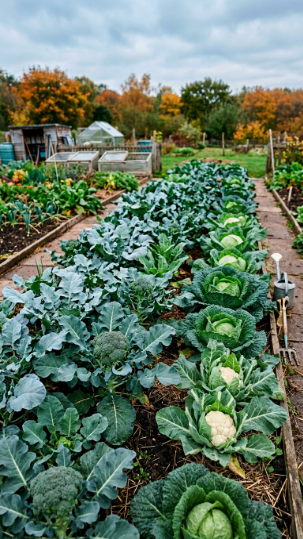
Here’s the thing: broccoli, cabbage, cauliflower, and Brussels sprouts planted in August produce some of the most satisfying fall harvests imaginable. These are the crops that make you feel like a real gardener when you bring a tight, gorgeous head inside to cook.
Brassicas need a head start — for the best results, sow broccoli seeds indoors or under grow lights in late July through early August, then transplant seedlings outdoors at 3–4 weeks old when they’re sturdy enough to handle the elements. This gives them enough time to mature in most zones before hard frost sets in.
Don’t skip the cabbage collars! A ring of cardboard or a purchased collar around the base of each transplant prevents cabbage root fly from laying eggs in the soil around your plants — one of the most common and devastating brassica problems. An ounce of prevention here really is worth a pound of cure.
💡 Pro Tip: Net your brassicas immediately after transplanting with fine insect mesh. Cabbage white butterflies are still active in August and will lay eggs on your beautiful transplants the same day you plant them if you don’t protect them!
Find a complete brassica care guide at Fall Brassica Growing Tips and get expert advice from RHS Broccoli Growing Guide.
Get those brassica transplants in the ground now and reward yourself with an epic fall harvest!
8. Cabbage — Big, Bold, and Built for Late-Season Gardens
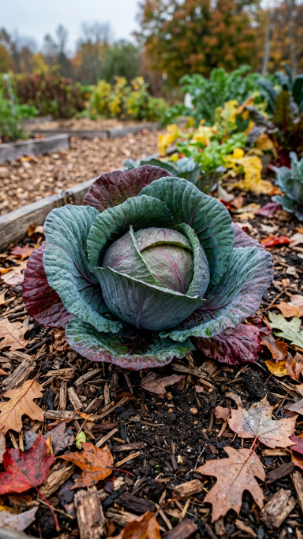
Cabbage is one of those vegetables that genuinely belongs on every “what to plant in August” list — it’s cold-hardy, incredibly productive, and a single well-grown head feeds a family for multiple meals. What more could you want?
Start transplants from seedlings rather than direct-sowing in August for the best results. ‘Savoy Express,’ ‘January King,’ ‘Red Acre,’ and ‘Stonehead’ are all solid performers for fall harvests. Savoy types are especially gorgeous with their crinkled leaves and are significantly more cold-hardy than smooth-leaved varieties.
Space generously — 18 inches minimum between plants — and water consistently at the roots, not overhead. Uneven watering is the number one cause of split cabbage heads, which happens when a plant takes up water too quickly after a dry spell. Consistency is everything with these beauties!
Find companion planting tips at Cabbage Fall Garden Companion Guide and learn from Penn State Extension Cabbage Growing Guide.
Grow a fall cabbage and you’ll have the most satisfying, filling, cold-weather harvests of your whole gardening year!
9. Swiss Chard — Rainbow Color and Nonstop Harvest for August Gardens
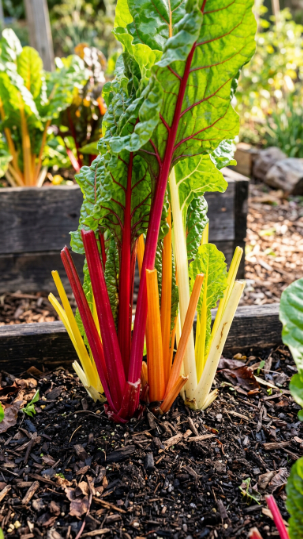
Swiss chard might just be the most beautiful vegetable you can plant in August — and it’s shockingly easy to grow! Rainbow chard varieties like ‘Bright Lights’ look absolutely spectacular in the garden, with stems in vivid red, orange, yellow, white, and pink lighting up the beds like living stained glass.
The best part? Swiss chard is a cut-and-come-again crop — harvest outer leaves regularly and the plant just keeps producing more from the center. A single planting in August can give you continuous harvests right through winter in mild zones, and well into December even in colder areas with minimal protection.
It tolerates both heat and frost, grows in almost any soil, and looks gorgeous enough to plant in ornamental borders alongside flowers. Talk about a game-changer for the late-season kitchen garden!
💡 Pro Tip: Direct sow chard seeds ½ inch deep and thin to 6 inches apart. The thinned seedlings are delicious as baby greens in a salad — so you never waste a single plant from start to harvest.
Explore rainbow chard container ideas at Rainbow Chard Container Garden Ideas and get care tips from Gardeners’ World Swiss Chard Guide.
Plant rainbow chard in August and enjoy one of the most reliable, beautiful, nonstop harvests you’ve ever grown!
10. Turnips & Bok Choy — What to Plant in August for Speedy Fall Returns
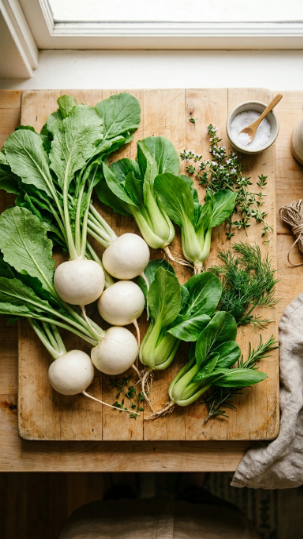
Turnips and bok choy are two of the most underrated vegetables on any August planting guide — and once you try them in a fall stir-fry or roasted in the oven, you’ll wonder why you ever ignored them! Both are fast-growing, remarkably cold-tolerant, and incredibly productive from August sowings.
‘Silky Sweet’ Japanese turnips are mild and tender enough to eat raw — nothing like the bitter, pithy turnips you might be picturing! They mature in just 38–40 days, making them one of the fastest root vegetables you can grow. Mini bok choy varieties like ‘Toy Choy’ and ‘Asian Delight’ are ready in 30–45 days and taste absolutely incredible stir-fried with garlic.
Here’s the deal: both crops are direct-sown and basically fuss-free. Scatter seeds, thin when seedlings are 2 inches tall, water regularly, and harvest when plants reach the right size. This is genuinely beginner-friendly, fool-proof gardening at its finest!
Find Asian greens growing tips at Asian Greens Fall Garden Guide and browse varieties at Savvy Gardening August Planting Guide.
Plant turnips and bok choy now and you’ll have quick, delicious fall harvests that cost almost nothing to grow!
11. Snap Peas & Snow Peas — Late-Season Climbers Worth Planting Right Now
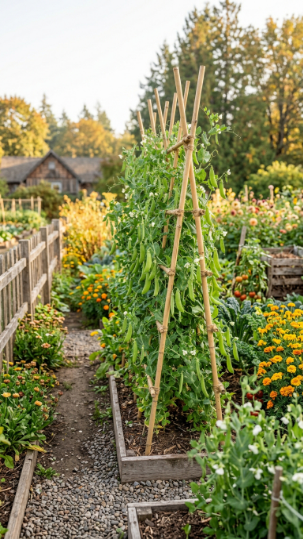
Snap peas and snow peas absolutely love cool weather — which makes August one of the best possible times to sow them in Zones 3–7 for a delightful fall harvest. They’ll germinate quickly in warm soil, climb eagerly through September, and produce loads of sweet pods just as the air gets crisp.
‘Sugar Snap,’ ‘Cascadia,’ ‘Snow Flake,’ and ‘Tom Thumb’ (a compact dwarf variety perfect for containers!) are all excellent August choices. Set up your bamboo trellis or pea netting before sowing — peas grow incredibly fast once they’re going and they desperately want something to grab onto from day one.
The secret is sowing peas a little more densely in August than you would in spring — the germination rate can be slightly lower in warm soil, so plant at about twice the normal density and then thin if overcrowded. You’ll get a better stand and a fuller, more beautiful trellis of climbing green gorgeousness.
| Pea Variety | Type | Days to Maturity | Best Zones |
| Sugar Snap | Snap pea | 60–70 days | 3–7 |
| Cascadia | Snap pea | 58 days | 3–8 |
| Tom Thumb | Dwarf snap | 55 days | 3–8 |
| Oregon Giant | Snow pea | 70 days | 3–7 |
Explore pea trellis ideas at Pea Trellis Growing Guide and learn from University of Minnesota Extension Peas Guide.
Get your pea trellis up and seeds in the ground — fall-harvested peas are genuinely one of gardening’s greatest rewards!
12. Bush Beans — August’s Last Warm-Season Planting Window
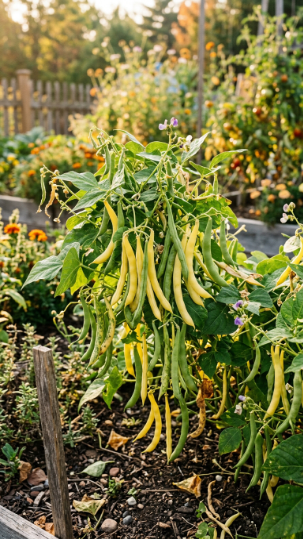
Here’s the thing — early August is actually the last viable window for sowing bush beans in Zones 3–8 before the season truly closes. The soil is warm, germination is lightning-fast, and a 50-day variety sown in the first week of August can absolutely produce a proper harvest before frost.
‘Golden Wax,’ ‘Provider,’ ‘Contender,’ and ‘Slenderette’ are your best bets for August — all fast-maturing, productive varieties that don’t need staking and take up minimal garden real estate. Yellow wax beans are especially gorgeous in fall light and taste absolutely delicious both fresh and pickled.
Don’t overthink the planting — sow seeds 1 inch deep and 3 inches apart in rows, water in well, and they’ll be sprouting within a week. Bush beans are among the most uncomplicated vegetables you can grow, and a late-summer planting feels like cheating the season in the very best way!
Get late-season bean planting tips at Late Summer Bean Planting Guide and learn growing techniques from Missouri Botanical Garden Bean Profile.
Squeeze in one last bean planting this August — it’s one of the easiest garden wins of the whole year!
13. Basil — Race the Clock for One Last Delicious August Harvest
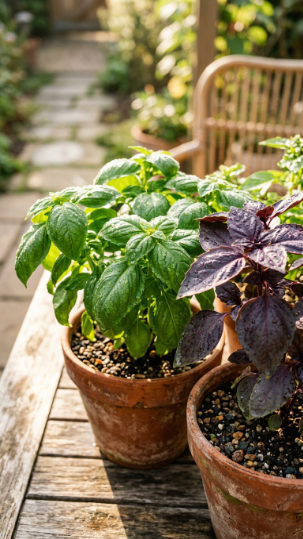
Basil in August is all about timing — you’re racing the clock, but you absolutely can do it! A quick-maturing basil variety sown in early August will give you a full, fragrant, harvestable plant by late September in most zones before the first cold snap ends the party.
‘Genovese,’ ‘Lemon Basil,’ and ‘Thai Basil’ are your fastest August performers. Plant into warm soil in a sunny, sheltered spot — basil genuinely hates cold, so give it your warmest microclimate, perhaps against a south-facing wall or on a patio that absorbs heat during the day.
The secret is to pinch out flower buds the moment they appear. Every time basil starts to bolt, it stops producing new leaves and the existing ones turn bitter. Keep those flower buds nipped and your plant will stay lush, leafy, and delicious right up until the first frost calls time!
💡 Pro Tip: Pot up your best August basil plant and bring it indoors before the first frost. A sunny kitchen windowsill will keep it alive and producing through October and even November — freshherbs in autumn are an absolute luxury.
Find herb garden container ideas at Herb Garden Container Planting Tips and get expert growing advice from RHS Basil Growing Guide.
Plant basil now, pinch it diligently, and enjoy a fresh pesto harvest before summer officially says goodbye!
14. Cilantro & Dill — The Coolest August Herb Garden Additions
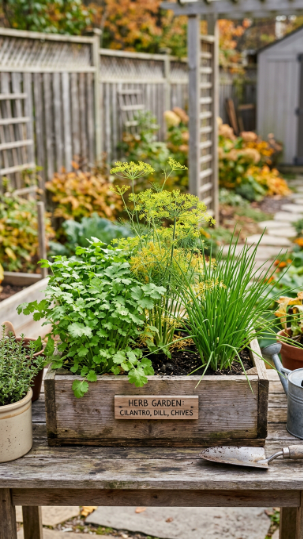
Here’s genuinely great news for herb lovers: cilantro and dill absolutely thrive in the cooler temperatures that August planting delivers. Both herbs bolt (go to seed) frustratingly fast in summer heat — but in fall conditions, they stay leafy, lush, and productive for weeks.
Cilantro sown in August produces its most tender, flavourful, non-bitter leaves in autumn. Sow thickly, harvest frequently by snipping stems rather than pulling plants, and re-sow every three weeks for a continuous supply. Dill grows tall and beautiful in fall, producing umbrella-like flower heads loaded with seeds that you can harvest for pickling in November. Both are incredibly rewarding!
Pretty cool, right? Two herbs that fight you all summer suddenly become effortless in fall. This is the magic of understanding cool-season herb gardening and working with the seasons rather than against them.
Get herb garden design inspiration at Fall Herb Garden Planting Ideas and find variety recommendations from Gardenary Fall Herb Garden Guide.
Sow cilantro and dill now — fall is secretly their best season and you’ll be so glad you planted them!
15. Chives, Thyme & Rosemary — Perennial Herb Foundations to Plant This August
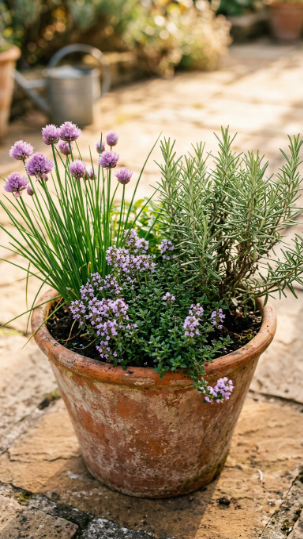
Perennial herbs planted in August do something magical — they establish their root systems during the mild autumn weather and then come back bigger, stronger, and more productive the following spring than anything you’d plant later. August is genuinely the ideal establishment window for the hardy herb garden backbone.
Chives, thyme, rosemary, sage, lemon balm, and oregano are all excellent August planting choices from transplants. They’ll establish well before winter, die back or slow down in cold months, and then absolutely explode back to life in early spring with a strong root system already in place. You’re essentially buying yourself a head start on next year’s herb garden!
Here’s the deal: buy named varieties rather than generic supermarket herb pots — they’re typically more vigorous, better flavored, and more suited to outdoor growing. A garden center rosemary transplant in a 4-inch pot planted now will be a gorgeous shrubby plant by next summer.
💡 Pro Tip: Plant thyme and rosemary in the sunniest, most well-draining spot you have — they absolutely hate wet feet over winter. Raised beds or sandy, amended soil is perfect. They’d rather be slightly dry than slightly waterlogged!
Browse perennial herb garden design at Perennial Herb Garden Design Guide and get care tips from RHS Herbs Growing Guide.
Invest in perennial herb transplants this August and thank yourself every single spring for years to come!
16. Arugula — The Peppery August Planting That Never Disappoints
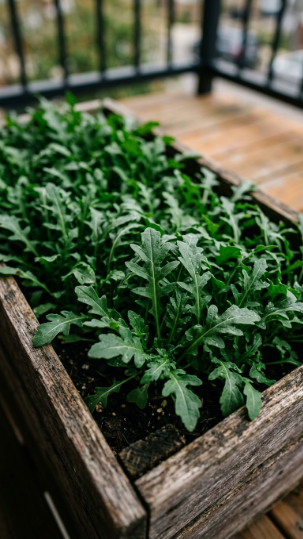
Arugula is secretly one of the absolute best answers to the question of what to plant in August — it’s fast (ready to harvest in as little as 40 days!), peppery and delicious, and it genuinely thrives in cool autumn conditions once summer heat starts to ease.
Wild arugula varieties are even more cold-hardy than standard types and develop a deeper, more complex peppery flavour as temperatures drop. Sow seeds thickly in a container, raised bed, or even a window box, and you’ll be harvesting beautiful baby leaves for salads, pizza, and pasta in no time.
Here’s the thing: arugula bolts in heat but becomes your most productive salad green in autumn. If your August is still hot, you can even sow arugula in a shaded spot to keep it cooler until temperatures naturally drop. It’s an incredibly forgiving and adaptable fast-growing green that suits every skill level and every garden size.
Find container arugula ideas at Arugula Container Garden Tips and get growing details from HGTV August Planting Guide.
You’ve totally got this — arugula is the most forgiving, most rewarding quick-grow green you’ll plant all season!
17. Chrysanthemums — Instant Fall Color for Your August Flower Garden
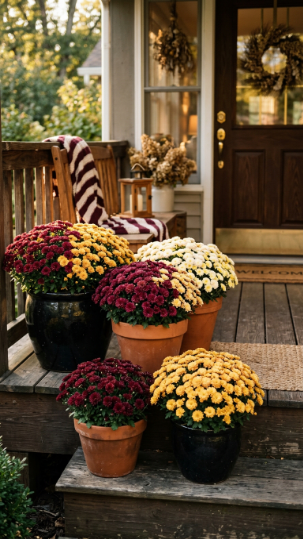
Okay, we absolutely had to include flowers in our what to plant in August guide — and chrysanthemums are first in line for a reason! These are the undisputed queens of fall flower gardening, and August-planted mums will reward you with weeks of gloriously colourful blooms right into November.
Hardy garden mums (as opposed to florist mums, which are annuals) planted in August establish roots before flowering and can come back year after year. Choose pot-grown transplants already showing buds for the quickest colour impact, or start from smaller plugs if you’re happy to wait a few more weeks.
The secret is planting them now while the soil is still warm enough for root establishment. Give them full sun, water regularly but don’t let them sit in soggy soil, and pinch back just once in early August if they’re still mostly foliage — then let them do their spectacular thing!
Get fall container styling tips at Fall Mum Container Display Ideas and learn growing details from Penn State Extension Chrysanthemum Guide.
Plant mums this August and give your porch and garden beds the most beautiful, colour-packed fall display they’ve ever had!
18. Asters — Purple Perfection for What to Plant in August Flower Beds
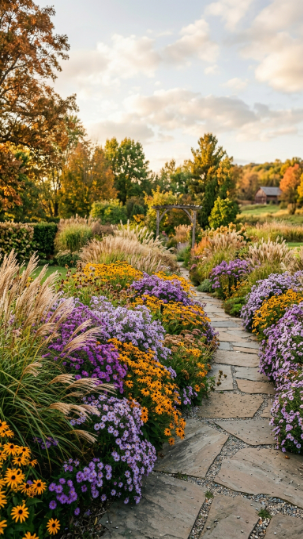
Asters are one of those fall flowers that seem designed specifically to brighten the fading garden — and planting them in August gives them just enough time to establish before they burst into their spectacular September–October bloom season.
New England asters and New York asters are the showiest varieties for UK and US gardens alike. Their star-shaped flowers in shades of purple, lavender, pink, and white absolutely swarm with late-season butterflies and bees desperately seeking nectar before winter. Your August planting feeds your local ecosystem at the most critical time of year!
Here’s the deal: asters don’t love being moved once established, so plant them where you want them to grow long-term. They’re garden perennials that come back bigger and better every year — an August investment that pays dividends in fall colour for a decade or more.
💡 Pro Tip: Pinch aster plants back by one third immediately after planting in August to encourage bushier growth and more flowers. Yes, it feels brutal — but the result is a much fuller, more spectacular bloom in autumn!
Explore aster companion planting at Fall Aster Garden Border Ideas and learn more from The Spruce Late-Summer Planting Guide.
Plant asters this August and watch your garden become a butterfly sanctuary all through September and October!
19. Pansies & Violas — Cool-Season Flower Magic for August Gardens
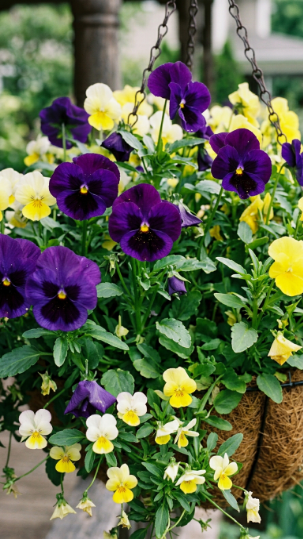
Pansies and violas planted in August are one of the smartest moves you can make for a fall flower display — they’re cold-hardy, cheerful, long-blooming, and available in an almost overwhelming array of colours and patterns that’ll make your containers, window boxes, and borders look absolutely gorgeous.
The secret with pansies and violas is that they actually prefer cool weather — summer heat makes them leggy and exhausted, but once August temperatures start to drop, they spring back to life with a vigour that’s genuinely exciting to watch. August-planted pansies can bloom continuously from September right through mild winters and into the following spring!
Look for heat-resistant and cold-hardy varieties specifically labelled for fall planting. ‘Matrix,’ ‘Delta,’ and ‘Cool Wave’ series all perform brilliantly in fall conditions. Give them well-draining compost-rich soil, deadhead spent flowers regularly, and they will absolutely go the distance for you!
Find window box pansy ideas at Pansy Window Box Fall Display and browse varieties at RHS Pansy and Viola Growing Guide.
Plant pansies and violas this August for a cheerful, nonstop flower display that’ll outlast almost everything else in your garden!
20. Marigolds & Sunflowers — August’s Last Glorious Warm-Season Flower Window
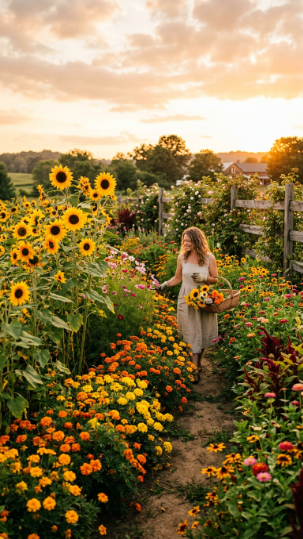
You’ve totally got this — and you’ve still got time! Quick-maturing sunflower varieties sown in August in Zones 5–9 can absolutely bloom before first frost, and marigolds are almost indestructible late-season performers that go right up until the hardest freeze finally takes them out.
Choose fast sunflower varieties like ‘Sunspot’ (dwarf, 24 inches, 52 days!), ‘Sonja,’ or ‘Valentine’ — all of which mature in 55–65 days and bring enormous, cheerful golden energy to the garden. Marigolds planted from transplants in August establish almost instantly and provide weeks of vivid orange, gold, and red blooms that are also brilliant at repelling late-season pests.
Here’s the deal: even if a late frost eventually ends your marigold display, a couple of months of their bold, golden blooms against autumn’s warm palette is absolutely worth every minute. Pair them with ornamental kale, mums, and pumpkins for the most Instagram-worthy late-season container garden combination imaginable.
💡 Pro Tip: Cut marigold flowers regularly — even when you don’t need them for vases — to prevent the plant from going to seed and stopping production. Kept deadheaded, a single August-planted marigold can produce literally hundreds of blooms before frost.
Get cutting garden tips at Late Summer Cutting Garden Planting Guide and find variety inspiration from Gardeners’ World Marigold and Sunflower Guide.
Sow sunflowers and plant marigolds this August — because golden, joyful, warm-hued blooms are always worth making time for!
Frequently Asked Questions
What are the most important things to know about what to plant in August?
The golden rule of August planting is to always count backward from your average first frost date. Check every seed packet’s “days to maturity” and add seven to ten extra days to account for slower autumn growth. Cool-season crops like kale, spinach, beets, and radishes are your best bets, and many of them actually taste better after light frosts. If you’re running short on time for seeds, use transplants to cut several weeks off the maturity timeline.
Can you really still plant vegetables in August — isn’t it too late?
Absolutely not too late! August is prime planting season for an enormous range of vegetables, herbs, and flowers. The soil is warm, germination is fast, and cool-season crops love the transition into autumn temperatures. Fast crops like radishes (30 days), arugula (40 days), and lettuce (45–55 days) can produce a full harvest before frost even in the coldest growing zones. The key is choosing the right plants for your zone and frost date.
What’s the best way to prepare my garden beds for August planting?
Before you sow or transplant anything in August, pull any spent or struggling summer crops and amend your beds with one to two inches of fresh compost. This replenishes nutrients that summer crops have depleted and improves moisture retention — both critical for successful late-season germination. Water the bed thoroughly the day before planting to ensure the soil is evenly moist from top to bottom, not just at the surface.
Which August plants work best in containers and small spaces?
For containers and small-space gardens, the champions of August container planting are: salad greens and lettuce (shallow containers work perfectly), arugula (loves window boxes!), radishes (harvest in 30 days from almost any pot), herbs like basil, cilantro, chives, and parsley, and compact pea varieties like ‘Tom Thumb’ in a deep container with a small trellis. Pansies, violas, and dwarf marigolds round out the flower options beautifully.
Do I need to water more or less for August plantings?
Watering is actually the trickiest part of what to plant in August gardening. Seeds and newly transplanted seedlings need consistently moist soil during establishment — August heat can dry out the top inch of soil incredibly fast, which kills tiny seeds and stresses transplants. Water little and often during germination (a fine mist or gentle watering can twice daily in hot weather), then transition to deeper, less frequent watering once plants are established and roots have penetrated deeper soil layers.
A Few Final Thoughts
August is genuinely one of the most exciting planting months in the entire gardening calendar — and now that you know exactly what to plant in August, there’s absolutely no excuse to leave your beds empty or your containers bare! From the fastest radish to the most gorgeous chrysanthemum, from cold-hardy kale to peppery arugula, there’s a plant for every space, every skill level, and every taste in this guide. The cool-season gardening magic that August kicks off rewards you with harvests that often taste better than anything you grew all summer long — sweeter, more tender, and more satisfying because you grew it against the season. So grab those seeds, prep those beds, add some compost, and get planting. Your most delicious, most colorful autumn garden is just one inspired August afternoon away — now go make it happen!