
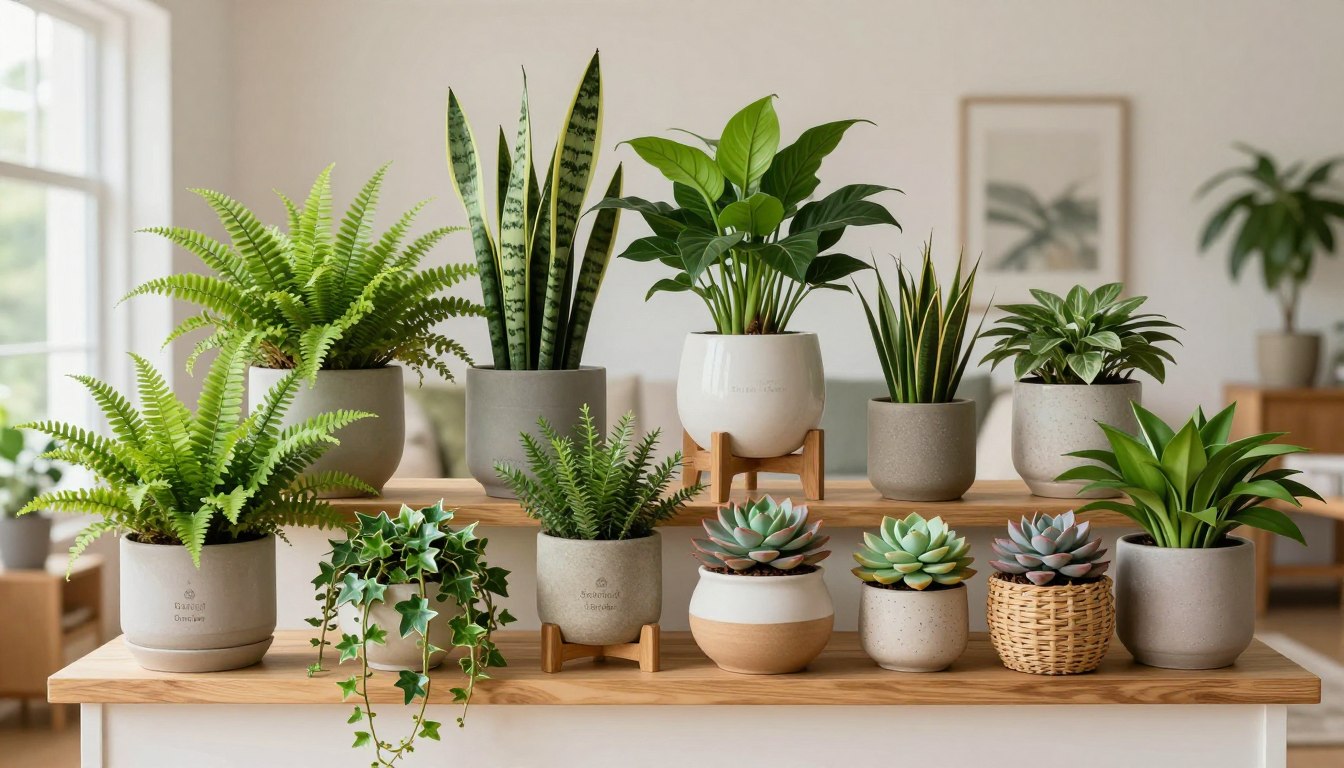
Transforming your living space into a lush sanctuary is easier than you might think. By incorporating greenery into your interior design, you create a vibrant atmosphere that breathes life into every corner of your room.
Mastering indoor plant styling allows you to balance aesthetics with daily functionality. You can turn ordinary storage areas into botanical focal points that reflect your unique personality.

Whether you are a seasoned gardener or a beginner, strategic placement is the secret to success. Using creative arrangements helps you elevate your home plant decor effortlessly. When you curate your plants on shelves, you establish a living display that feels both intentional and refreshing.
Key Takeaways
- Greenery adds a natural, calming element to any interior design scheme.
- Strategic placement balances visual appeal with the practical needs of your foliage.
- Layering different heights creates a dynamic and professional look.
- Proper lighting is essential for maintaining the health of your botanical collection.
- Personalizing your display makes your living space feel more inviting and unique.
Assessing Your Space and Lighting Requirements
Transforming your shelves into a green sanctuary starts with a solid assessment. Before you begin arranging plants on shelves, you must ensure your home environment is ready to support them. Taking the time to evaluate your space prevents future headaches and keeps your greenery thriving.
Evaluating Shelf Load Capacity and Stability
The most common mistake in indoor gardening is ignoring the weight of your display. Wet soil and ceramic pots are surprisingly heavy, which can strain standard shelving units. You should always check the manufacturer’s weight limits before adding your collection.
Consider these steps to ensure your setup remains secure:
- Verify that wall anchors are drilled into studs for maximum support.
- Distribute the weight evenly across the length of the shelf.
- Use lightweight plastic or resin pots for higher, less stable shelves.
Mapping Natural Light Patterns in Your Home
Successful shelf plant care relies heavily on understanding how light moves through your room. A shelf that looks perfect in the morning might sit in deep shadow by the afternoon. You should observe your chosen area for a full day to track the intensity and duration of sunlight.
Proper plant shelf lighting is the difference between a lush display and a struggling one. If your shelves are far from windows, you may need to supplement with grow lights. Always match the light requirements of your plants to the specific exposure of your shelf location.
Selecting the Right Plants for Your Specific Shelf Environment
Once you understand your space, you can choose species that will actually enjoy living there. Following basic indoor gardening tips helps you avoid placing sun-loving cacti in dark corners or delicate ferns in harsh, direct light. Sustainability is key to a long-lasting display.
Focus on these factors when making your final selections:
- Growth habit: Choose trailing plants for top shelves and upright varieties for lower levels.
- Humidity needs: Ensure your shelf environment matches the tropical or arid nature of the plant.
- Maintenance level: Pick hardy varieties if you are new to keeping plants on shelves.
Choosing the Perfect Shelving Units for Botanical Displays
When you curate a display for your greenery, the shelving unit acts as the stage for your botanical home styling. Selecting the right furniture is vital for achieving a cohesive look that complements your existing interior design theme. By carefully choosing your structures, you ensure that your plants on shelves become a seamless part of your living space.

Floating Shelves for a Minimalist Aesthetic
Floating shelves offer a clean, modern appearance that works perfectly for a minimalist plant display. These units remove visual clutter by eliminating bulky brackets or floor-based supports. They allow your plants to appear as if they are hovering against the wall, creating a light and airy atmosphere.
Open Bookcases for Vertical Jungle Effects
If you want to create a dense, lush environment, open bookcases provide the necessary vertical space. These units are ideal for building a vertical plant garden that draws the eye upward. Because they lack back panels, they allow light to pass through, which helps maintain the health of your foliage.
Wall-Mounted Ladder Shelves for Texture and Depth
By choosing wall-mounted ladder shelves, you can introduce interesting textures and depth to your room. This creative plant shelving option allows your collection to stand out as a primary feature of the home. The tiered design provides a unique silhouette that adds character while keeping your favorite pots organized and accessible.
Mastering the Art of Layering and Height Variation
Mastering the art of layering is the secret to turning a simple shelf into a lush, living masterpiece. When you focus on indoor plant styling, you create a dynamic environment that draws the eye across your entire collection. By varying the heights of your plants, you prevent the display from looking flat or cluttered.
Using Risers and Pedestals to Create Visual Interest
One of the most effective plant arrangement tips involves using risers and pedestals. These simple tools allow you to elevate smaller pots, ensuring that every plant receives adequate visibility and light exposure. By placing a small succulent on a wooden block or a decorative stand, you immediately add depth to your shelf.
This technique creates a multi-dimensional look that feels curated rather than accidental. You can use items you already own, such as inverted bowls or stackable books, to achieve this height variation. Experimenting with different materials for your risers can also add a touch of personal style to your display.
Grouping Plants by Size and Growth Habit
Building a successful vertical plant garden requires you to organize your greenery with intention. Start by grouping plants based on their specific growth habits and mature sizes. This ensures that larger, upright plants do not overshadow smaller, delicate species.
An aesthetic plant grouping often follows the rule of odd numbers, which creates a more natural and balanced appearance. Place your tallest plants toward the back or sides to anchor the arrangement. Then, fill the remaining space with medium and small plants to create a cohesive, layered effect.
Incorporating Trailing Varieties for Cascading Effects
To truly soften the edges of your shelving, you should incorporate cascading indoor plants into your design. These trailing varieties add movement and a sense of organic growth to your display. Position them on the higher shelves so their vines can gracefully drape downward, connecting the different levels of your arrangement.
Trailing plants like Pothos or String of Hearts work beautifully to bridge the gap between your shelf and the surrounding wall space. They add a luxurious, jungle-like feel that makes your collection look professional and well-tended. Always ensure these plants have enough room to grow without obstructing your access to other items on the shelf.
Creative Ways to Display Plants on Shelves Using Decorative Pots
Transforming a simple shelf into a botanical masterpiece starts with the right decorative pots. These vessels do more than hold soil; they act as the primary visual anchor for your botanical home styling. By selecting containers that reflect your personal taste, you turn functional storage into a curated art gallery.

Mixing Materials for a Curated Look
You can achieve a sophisticated vibe by experimenting with contrasting textures. Combining different materials prevents your display from looking flat or monotonous.
Ceramic and Terracotta Textures
The earthy warmth of terracotta brings a grounded, organic feel to any room. When paired with glazed ceramic, these pieces create a beautiful tension between rustic charm and refined elegance.
Metallic and Glass Accents
To introduce a touch of luxury, incorporate metallic or glass containers. These materials reflect light, which helps brighten darker corners of your creative plant shelving setup.
“The secret to a beautiful home is not just the plants you choose, but the vessels that house them, creating a dialogue between nature and design.”
Consider the following table to help you select the best materials for your specific shelf environment:
| Material Type | Visual Impact | Best Use Case |
|---|---|---|
| Terracotta | Warm and Rustic | Drought-tolerant plants |
| Glazed Ceramic | Polished and Vibrant | High-humidity tropicals |
| Metallic | Modern and Sleek | Statement foliage pieces |
| Clear Glass | Light and Airy | Water-propagated cuttings |
Coordinating Pot Colors with Your Interior Palette
Your aesthetic plant grouping should feel like a natural extension of your home. By matching your pots to your existing color scheme, you ensure that your modern plant decor remains cohesive rather than chaotic.
Choose neutral tones for a minimalist look, or opt for bold, contrasting colors to make a statement. Consistency is key when you want your shelves to look professionally styled. When your pots harmonize with your furniture and wall colors, the entire room feels balanced and intentional.
Implementing Functional Watering and Maintenance Systems
Effective shelf plant care is about balancing the needs of your greenery with the safety of your home surfaces. Maintaining a beautiful display involves more than just aesthetics; it requires consistent attention to moisture levels and surface integrity. By adopting a proactive routine, you ensure your collection remains vibrant without compromising your furniture.
Protecting Shelf Surfaces from Water Damage
Water spills and constant moisture can quickly ruin wood or laminate finishes. Prioritizing plant shelf protection is essential to keep your display looking pristine for years to come. A few simple additions can prevent permanent stains and warping.
Using Saucers and Protective Mats
You should always place a waterproof saucer under every pot to catch excess drainage. For added security, consider using cork or silicone mats beneath the saucers. These materials provide an extra barrier against condensation and accidental spills, which is vital for maintaining shelf plant health.
Waterproofing Techniques for Wood Shelves
If you prefer the look of natural wood, you must treat the surface to prevent water damage. Applying a high-quality polyurethane sealant or a water-resistant wax creates a protective layer that repels moisture. This simple step is a cornerstone of effective plant shelf maintenance, ensuring your furniture stays dry even during heavy watering sessions.
Managing Humidity for Shelf-Bound Tropicals
Many popular indoor plants thrive in high humidity, yet elevated shelves often suffer from dry, stagnant air. Proper tropical plant shelf care requires you to bridge this gap to keep your foliage lush. You can group plants together to create a microclimate, as this naturally increases the local humidity levels around the leaves.
Alternatively, using a small, discreet humidifier nearby can make a significant difference for sensitive species. Consistent monitoring of your plants’ leaf tips will tell you if the air is too dry. If you notice browning edges, it is time to adjust your humidity strategy to support your indoor jungle.
Designing Thematic Plant Arrangements
Designing thematic plant arrangements transforms your shelves into a curated botanical gallery. By grouping species with similar environmental needs, you simplify your routine while creating a cohesive visual narrative. These plant arrangement tips help you move beyond random placement to achieve a professional, intentional look in your living space.

Creating a Desert Oasis with Succulents and Cacti
A desert-themed display is ideal for sunny, dry spots in your home. You can experiment with various succulent shelf ideas by mixing textures and shapes, such as spiky cacti paired with soft, rosette-forming echeveria. Using decorative plant pots in earthy tones like terracotta or sand-colored ceramic enhances the arid aesthetic.
“The beauty of a well-designed shelf lies in the balance between the living elements and the vessels that hold them.”
Curating a Lush Fern and Foliage Corner
If your shelves are located in a shadier, more humid area, a lush fern corner is the perfect choice. These plants thrive in lower light and appreciate the moisture often found in bathrooms or kitchens. You can incorporate cascading indoor plants like Boston ferns or trailing pothos to add depth and movement to your display.
- Group plants with similar water requirements to simplify maintenance.
- Use varying heights to create a sense of a miniature jungle.
- Ensure your shelves are protected from moisture if you mist your ferns frequently.
Building a Low-Maintenance Air Plant Display
Air plants, or Tillandsia, offer a unique way to decorate without the need for traditional soil. Because they do not require pots, you have more freedom to place them on driftwood, decorative stones, or even mounted on wall hooks. This minimalist approach is perfect for those who want a clean, modern look that requires very little daily effort.
Integrating Non-Plant Decor Elements for Balance
You can transform a simple plant display into a curated gallery by integrating non-plant decor. Balancing your greenery with carefully chosen items adds personality and depth to your shelving units. This approach ensures your home plant decor feels intentional rather than cluttered.

Styling Books Alongside Your Greenery
Books serve as excellent foundations for your botanical arrangements. You can stack them horizontally to create varying heights, which allows smaller pots to stand out. This modern plant decor technique adds a sophisticated, intellectual layer to your living space.
Try mixing hardcover books with different textures to complement the organic feel of your leaves. Ensure that your books are placed away from direct water contact to maintain their condition. Using coasters or decorative trays under your pots provides essential plant shelf protection against moisture.
Adding Art Prints and Sculptural Objects
Incorporating art prints and small sculptures introduces new shapes and colors to your display. A framed print placed behind a trailing vine creates a beautiful backdrop that draws the eye. You might choose metallic or ceramic sculptures to contrast with the soft, natural textures of your foliage.
When selecting these items, consider the overall color palette of your room. A cohesive look is achieved by repeating one or two accent colors found in your art throughout your plant pots. This strategy creates a harmonious visual flow across your entire shelving unit.
Using Lighting to Highlight Your Plant Collection
Proper lighting turns your shelves into a professional-grade feature in your home. Small, battery-operated spotlights can focus attention on a specific statement plant during the evening hours. Alternatively, warm LED strips tucked under shelf edges provide a soft glow that enhances the depth of your display.
| Decor Element | Primary Benefit | Styling Tip |
|---|---|---|
| Hardcover Books | Height Variation | Stack horizontally for stability |
| Art Prints | Visual Backdrop | Lean against the back wall |
| Sculptural Objects | Texture Contrast | Group in odd numbers |
| LED Lighting | Gallery Effect | Hide wires behind pots |
Troubleshooting Common Issues with Shelf Displays
Successful shelf plant care relies on your ability to spot and resolve minor issues before they become major headaches. Even the most carefully curated displays can encounter setbacks, such as pest infestations or uneven growth patterns, as your collection matures.

Preventing Pests in Dense Plant Groupings
When you pack plants closely together, you create a microclimate that pests like spider mites and mealybugs absolutely love. These tiny invaders thrive in the humidity and lack of airflow found in crowded arrangements. To maintain optimal shelf plant health, you must inspect your foliage regularly.
- Check the undersides of leaves for webbing or sticky residue.
- Isolate any plant showing signs of distress immediately to protect your other greenery.
- Wipe down leaves with a damp cloth to remove dust and potential pest eggs.
Addressing Poor Air Circulation on Shelves
Stagnant air is a silent enemy in tropical plant shelf care. Without proper ventilation, moisture lingers on leaf surfaces, which often leads to fungal growth and root rot. You can improve airflow by leaving small gaps between your pots rather than cramming them tightly against the wall.
If your shelves are tucked into a corner, consider using a small, quiet fan nearby to keep the air moving. This simple step mimics the natural breeze these plants would experience in their native habitats. Proper spacing is one of the most effective indoor gardening tips for keeping your display vibrant and disease-free.
Rotating Plants for Even Growth and Health
Light rarely hits every side of a shelf equally, which can cause your plants to lean or grow lopsided. Consistent plant shelf maintenance includes rotating your pots every time you water them. This ensures that all sides of the plant receive balanced light exposure.
Symmetrical development is the hallmark of a well-cared-for collection. By turning your pots a quarter-turn each week, you encourage uniform growth and prevent the stems from stretching toward the light source. This habit keeps your display looking professional and balanced throughout the year.
Advanced Styling Techniques for Professional Results
Elevating your home plant decor requires a shift from simple placement to intentional design. By applying professional techniques, you can turn ordinary shelves into a sophisticated botanical gallery. Effective indoor plant styling is all about creating a cohesive narrative that complements your existing interior architecture.

Creating Focal Points with Statement Plants
To achieve a high-end look, you should anchor your display with a large, statement plant. This specimen acts as the visual anchor, drawing the eye and providing a sense of scale to the entire arrangement. Choose a plant with unique foliage or a dramatic growth habit to ensure it commands attention.
Once your focal point is established, you can build secondary elements around it. Keep these supporting plants smaller to ensure they do not compete with your primary statement piece. This hierarchy creates a balanced and intentional aesthetic that feels curated rather than accidental.
Utilizing Negative Space for a Clean Look
A common mistake in shelf styling is overcrowding, which leads to visual fatigue. You should embrace negative space to allow the eye to rest between individual specimens. This minimalist plant display approach highlights the beauty of each leaf and pot, preventing the area from feeling cluttered.
Try leaving at least one-third of your shelf surface empty to maintain a sense of airiness. This technique emphasizes the architectural lines of your shelving unit. When you provide room for your plants to breathe, the entire display gains a sense of luxury and calm.
Adapting Your Display for Seasonal Changes
Your home environment should evolve with the passing months to remain fresh and vibrant. Swapping out specific plants allows you to mirror the changing light and temperature in your home. For instance, you might incorporate succulent shelf ideas during the brighter summer months when these plants thrive in increased sunlight.
Consider the following table to help you plan your seasonal transitions effectively:
| Season | Primary Focus | Styling Tip |
|---|---|---|
| Spring | New Growth | Use light, airy foliage |
| Summer | Succulents | Highlight sun-loving varieties |
| Autumn | Deep Textures | Add dark, moody leaf tones |
| Winter | Evergreens | Focus on hardy, low-light plants |
By rotating your collection, you ensure that your display stays relevant throughout the year. This dynamic approach keeps your decor feeling exciting and prevents your shelves from becoming stagnant. Consistency in maintenance paired with seasonal updates will keep your botanical display looking professional in every season.
Conclusion
Your journey toward a vibrant indoor garden begins with a single shelf and a vision for natural beauty. By applying these design principles, you create a living art piece that breathes life into every corner of your living space.
Success in styling your shelves relies on the harmony between visual appeal and plant health. You must prioritize the specific light and water needs of your greenery while arranging them to showcase their unique textures. This balance ensures your display remains a thriving focal point rather than a chore to maintain.
Brands like West Elm or IKEA offer versatile shelving units that adapt to your evolving collection. Experimenting with different heights and pot materials allows you to express your personal style while keeping your plants happy. Watch how your home transforms into a lush, inviting sanctuary as your botanical arrangement matures.
Share your progress with fellow plant enthusiasts to gain new inspiration for your next project. Your dedication to nurturing these living elements brings a sense of peace and accomplishment to your daily routine. Enjoy the rewarding process of curating a greener environment that reflects your creativity and care.
FAQ
How can I ensure my shelving unit is safe for a large plant collection?
You must first evaluate the load capacity of your specific furniture, such as a West Elm bookcase or IKEA Lack floating shelves. Always account for the “wet weight” of your display, as potting soil and water significantly increase the burden on the brackets. If you are using wall-mounted ladder shelves, ensure they are anchored directly into studs to maintain structural integrity and stability.
What should I do if my shelves are located in a room with low natural light?
You should map the natural light patterns in your home to see if any indirect sunlight reaches the area. For darker corners, select low-light tolerant species like Sansevieria (Snake Plant) or Zamioculcas zamiifolia (ZZ Plant). To expand your options, you can also integrate GE Lighting LED grow lights or small clip-on lamps to provide the necessary spectrum for more demanding varieties.
How do I create a “vertical jungle” effect without making the shelf look cluttered?
The secret lies in layering and the strategic use of negative space. By using open bookcases, you have the height to group plants by size and growth habit. Utilize risers or acrylic pedestals from The Container Store to elevate smaller pots behind larger ones, and incorporate trailing varieties like Philodendron Cordatum to create a lush, cascading aesthetic that fills vertical gaps.
Can I mix different styles of pots while maintaining a cohesive look?
Absolutely. You can achieve a curated, professional look by mixing materials like earthy terracotta, glazed ceramic, and sleek metallic accents. To keep the display harmonious, coordinate your pot colors with your existing interior palette. For instance, pairing Target’s Project 62 stoneware with brass accents creates a sophisticated contrast that feels intentional rather than random.
What are the best ways to protect my wood shelves from moisture and water rings?
Protecting your surfaces is vital for long-term maintenance. Always use saucers or decorative protective mats under every container. For high-end wood surfaces, consider applying a waterproof sealant or using clear cork-backed coasters from Home Depot. If you are displaying tropical species, using a small Honeywell humidifier nearby can help manage ambient moisture without the need for constant misting, which can damage wood finishes.
How do I incorporate non-botanical items into my plant display?
You can balance your greenery by styling hardcover books, art prints, and sculptural objects alongside your pots. This technique adds depth and personality to your shelves. Try placing a small Monstera next to a stack of design books or using a statement plant as a bookend. Adding accent lighting, such as Philips Hue light strips, can further highlight these elements and turn your shelf into a gallery-like focal point.
My plants are growing unevenly on my shelves; how do I fix this?
This is often due to light coming from only one direction. To promote symmetrical development and overall health, you should rotate your plants a quarter-turn every time you water them. Additionally, ensure there is adequate air circulation between your pots; overcrowding can lead to stagnant air, which increases the risk of pest infestations like spider mites or fungus gnats.
Are there specific themes I can follow for a more organized display?
Designing thematic plant arrangements makes care easier and creates a clear visual narrative. You could curate a desert oasis featuring succulents and cacti from The Sill for your sunniest shelves. Alternatively, a lush fern corner works beautifully in humid, shaded areas. For those seeking low maintenance, building an air plant display with Tillandsia requires no soil and offers a clean, modern look.