
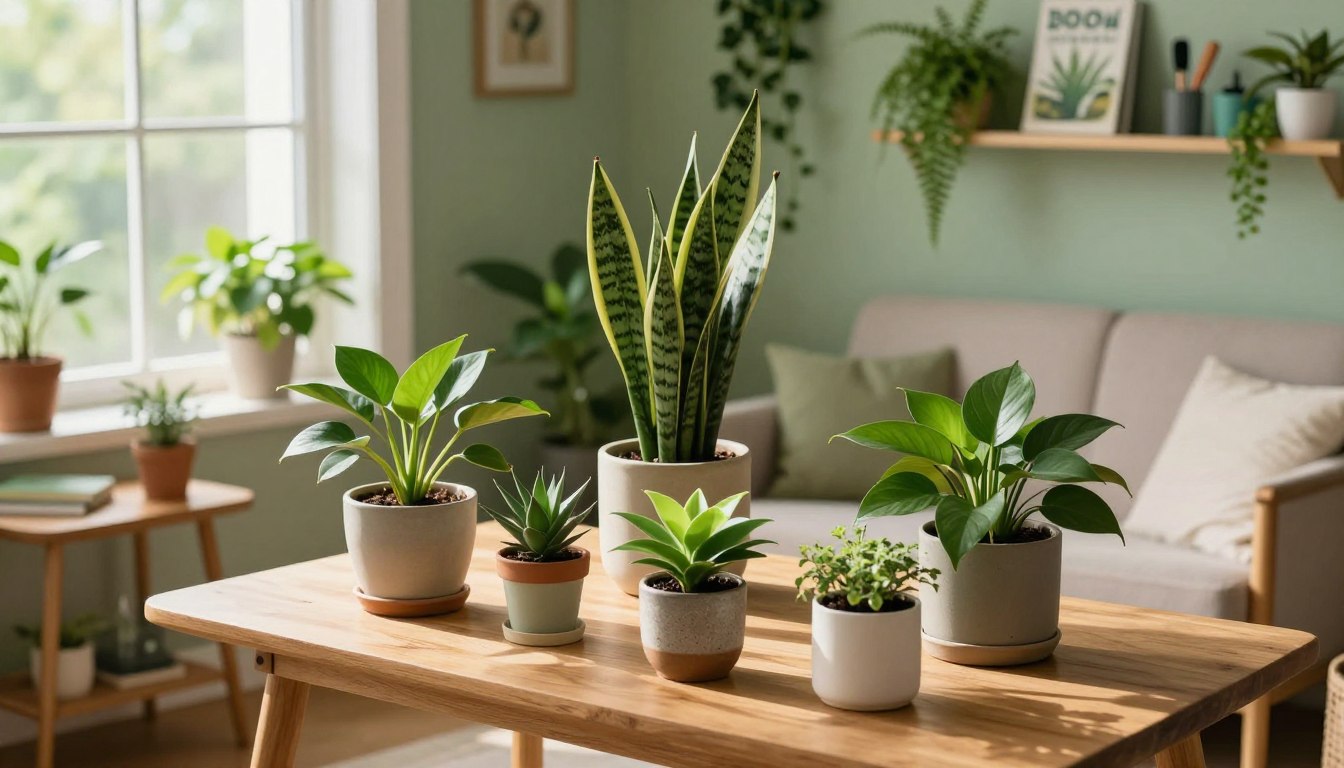
Stepping into the world of home gardening is a rewarding experience that breathes life into your living space. Many people feel overwhelmed by the prospect of keeping greenery alive, but success starts with choosing the right varieties for your specific environment.
By focusing on resilient species, you can build a thriving collection without constant stress. This beginner plant parent guide provides the essential knowledge to help you cultivate confidence as you grow your botanical sanctuary.

Mastering houseplant care for beginners is a journey that begins with simple, manageable steps. When you align your lifestyle with the needs of your new companions, you create a sustainable rhythm that ensures long-term growth. Embrace this process, and you will soon transform your home into a lush, vibrant retreat that reflects your personal style.
Key Takeaways
- Start your journey with low-maintenance species to build early confidence.
- Assess your home’s natural light levels before selecting new greenery.
- Consistency in watering is more important than frequent attention.
- Understand that every expert was once a novice learning the ropes.
- Create a green sanctuary by matching species to your daily routine.
Assessing Your Indoor Environment for Plant Success
Creating a thriving indoor garden starts with understanding the specific conditions of your living space. Before you bring new greenery home, you must evaluate your environment to ensure your plants have the best chance to grow. Following these indoor gardening tips will help you match the right plant to the right spot in your house.
Evaluating Natural Light Levels in Your Home
Light is the primary energy source for your plants, making indoor plant light requirements a top priority. You should observe how sunlight moves through your rooms throughout the day to determine the intensity of your light. Most plants fall into three main categories based on their needs:
- Bright Direct Light: Spots right in front of a south-facing window.
- Bright Indirect Light: Areas near a window where the sun does not hit the leaves directly.
- Low Light: Corners or rooms with small windows that receive minimal natural illumination.
Proper indoor plant placement depends on matching these light zones to the specific needs of your chosen species. If you place a sun-loving succulent in a dark corner, it will likely stretch and weaken. Conversely, delicate ferns may burn if left in harsh, direct sun.
Understanding Humidity and Temperature Fluctuations
Many popular houseplants originate from tropical climates, meaning they crave consistent moisture in the air. Maintaining proper humidity for houseplants is essential, especially during winter when heating systems dry out the indoor air. You can use a simple hygrometer to monitor these levels and ensure your plants stay hydrated.
| Factor | Ideal Range | Impact |
|---|---|---|
| Temperature | 65°F – 75°F | Supports steady growth |
| Humidity | 40% – 60% | Prevents brown leaf tips |
| Airflow | Gentle circulation | Reduces pest risks |
Temperature fluctuations can be just as damaging as poor light. Avoid placing your plants near drafty windows, air conditioning vents, or heat sources like radiators. Sudden shifts in temperature often cause stress, leading to leaf drop or stunted development. By stabilizing your home’s climate, you create a sanctuary where your plants can truly thrive.
Selecting the Best Low-Maintenance Plant Varieties
Your journey into indoor gardening becomes much simpler when you start with resilient and forgiving plant varieties. Choosing the best indoor plants for beginners is essential if you want to avoid the common frustration of struggling with high-maintenance species. By focusing on low-maintenance houseplants, you ensure that your green space remains a source of joy rather than a chore.

Choosing Resilient Foliage for Dim Corners
Many homes have areas that receive very little natural light, but that does not mean you cannot enjoy greenery there. The best plants for low light are often those with deep green leaves that efficiently capture whatever limited sun is available. These hardy varieties are perfect for brightening up bookshelves, hallways, or office corners.
Plants like the Cast Iron Plant or the Snake Plant are famous for their ability to survive in near-darkness. They require very little attention, making them ideal for those who are just starting their collection. You will find that these plants add a vibrant touch to your home without demanding constant care.
Picking Succulents for Sunny Windowsills
If you have a bright, south-facing window, you have the perfect spot for sun-loving plants. Succulents are a fantastic choice for these areas, as they thrive in direct light and store water in their thick leaves. However, following proper succulent care tips is vital to keep them looking their best.
The most important rule for these plants is to allow the soil to dry out completely between waterings. Overwatering is the quickest way to harm a succulent, so always check the soil moisture before reaching for your watering can. With the right balance of light and minimal water, your succulents will maintain their stunning structural beauty for years to come.
Essential Tools and Supplies for New Plant Parents
Your journey into plant care becomes much easier when you have the right tools at your fingertips. Investing in quality gear is a vital part of indoor plant maintenance that ensures your greenery thrives for years. By preparing your workspace early, you set yourself up for long-term success.
Selecting the Right Potting Mix and Drainage
The foundation of a healthy plant starts beneath the surface. Using the best potting soil for indoor plants is crucial because it provides the necessary nutrients and aeration for root development. Avoid using garden soil, as it often packs too tightly and lacks the drainage needed for container life.
Always ensure your pots have drainage holes at the bottom. If your favorite decorative pot lacks these, use a plastic nursery liner inside to prevent water from pooling. This simple step protects your plants from root rot, which is a common issue for many beginners.
“To plant a garden is to believe in tomorrow.”
— Audrey Hepburn
Must-Have Watering and Pruning Equipment
Having the right hardware makes routine care feel like a joy rather than a chore. A watering can with a long, narrow spout allows you to reach the soil directly without splashing leaves. Sharp, clean pruning shears are also essential for removing dead foliage and encouraging new growth.
Consider this beginner plant parent guide for your essential toolkit:
| Tool | Primary Use | Benefit |
|---|---|---|
| Watering Can | Hydration | Precision control |
| Pruning Shears | Maintenance | Promotes health |
| Moisture Meter | Soil Testing | Prevents overwatering |
Keeping these items organized in a small bin will save you time during your weekly check-ins. When your tools are ready, you can focus on enjoying the beauty of your growing collection.
Mastering the Art of Proper Watering Techniques
Mastering the way you provide water to your plants will transform your gardening experience. While many beginners rely on a strict calendar, how to water indoor plants effectively requires a more intuitive approach. Instead of following a rigid schedule, you should observe the specific needs of your greenery to ensure they thrive.

Determining When Your Plant Needs Water
The most reliable way to check if your plant is thirsty is the finger test. Simply insert your finger about two inches into the soil; if it feels dry, it is time to hydrate. This simple method prevents you from guessing and helps you maintain the perfect moisture balance for your low-maintenance houseplants.
You can also use a moisture meter for more precision. These tools provide an instant reading of the soil conditions at the root level. Remember that environmental factors like humidity for houseplants and ambient temperature will change how quickly your soil dries out.
Avoiding Common Overwatering Mistakes
Overwatering is the most frequent cause of plant decline. When roots sit in stagnant water, they cannot breathe, which leads to decay and eventual death. Always ensure your pots have proper drainage holes to allow excess liquid to escape freely.
If you notice yellowing leaves or a mushy stem, you may be providing too much water. In such cases, you might need to perform some indoor plant pruning to remove damaged foliage and help the plant recover. Use the following guide to help manage your watering routine effectively.
| Plant Category | Watering Frequency | Soil Preference |
|---|---|---|
| Succulents | Every 2-3 weeks | Very dry |
| Tropical Foliage | Weekly | Slightly moist |
| Ferns | Twice weekly | Consistently damp |
Providing Optimal Light and Placement
Strategic positioning and consistent care are the foundations of healthy plants. Understanding your indoor plant light requirements is the first step toward creating a thriving environment. By mastering indoor plant placement, you ensure that your greenery receives the energy needed to flourish throughout the year.
These essential indoor gardening tips help you avoid common pitfalls associated with light exposure. When you place your plants correctly, you minimize stress and encourage robust development from the start.
Rotating Plants for Even Growth
Most houseplants naturally lean toward the nearest light source, which can lead to lopsided or stretched stems. To maintain a balanced shape, you should rotate your pots by a quarter turn every time you water them. This simple habit ensures that all sides of the plant receive equal exposure to sunlight.
Consistent rotation prevents the plant from becoming leggy or weak on one side. It is a highly effective way to promote symmetrical growth without needing extra equipment. Your plants will look much fuller and more aesthetically pleasing when they grow evenly.
Cleaning Leaves to Improve Photosynthesis
Regular indoor plant maintenance includes keeping the foliage free of dust and debris. Over time, a layer of dust can settle on the leaves, which physically blocks sunlight and hinders the plant’s ability to perform photosynthesis. When leaves are clean, your plants can process light much more efficiently.
You can easily clean your plants by gently wiping the leaves with a soft, damp cloth. For larger plants, a quick shower with lukewarm water can also remove stubborn dust buildup. Healthy, clean leaves are vital for your plant’s overall vitality and long-term health.
Easy Indoor Plant Ideas for Beginners to Start Your Green Journey
Transforming your living space into a lush sanctuary begins with selecting resilient greenery that thrives with minimal effort. Finding the right Easy Indoor Plant Ideas can turn a daunting hobby into a rewarding experience. By choosing varieties known for their durability, you ensure that your first steps into gardening are filled with success rather than frustration.

Starting with Snake Plants and ZZ Plants
When you seek the best indoor plants for beginners, look no further than the Snake Plant and the ZZ Plant. These species are legendary for their ability to survive in conditions that would cause other plants to wither. They are widely considered the best plants for low light, making them perfect for apartments or rooms with limited window access.
These plants require very little attention, which is ideal if you have a busy schedule. To keep them healthy, follow these simple guidelines:
- Allow the soil to dry out completely between waterings to prevent root rot.
- Wipe the leaves occasionally with a damp cloth to remove dust and help them breathe.
- Keep them in stable temperatures away from cold drafts or direct heating vents.
Incorporating Pothos and Philodendrons for Vining Beauty
If you want to add vertical interest and a touch of elegance to your home, vining plants are an excellent choice. Pothos and Philodendrons grow quickly and can be trained to climb walls or trail beautifully from bookshelves. While they are not succulents, learning basic succulent care tips—such as understanding soil drainage—can still help you manage these vining varieties effectively.
These plants are incredibly forgiving and will often “tell” you when they need water by slightly drooping their leaves. Once you provide a drink, they typically perk back up within a few hours. This immediate feedback makes them perfect for learning the rhythm of plant care without the stress of complex maintenance routines.
Managing Soil Health and Fertilization
Mastering the balance of soil health and fertilization is a game-changer for any plant parent. While light and water are vital, the medium in which your plants live provides the essential foundation for long-term vitality. Healthy soil acts as a reservoir for nutrients, ensuring your greenery has the energy required for robust growth throughout the year.

Understanding When to Repot Your Plants
Over time, your plants will naturally outgrow their current containers. Knowing when to perform repotting indoor plants is crucial to prevent stunted growth and nutrient depletion. You should look for specific physical signs that indicate your plant needs more room to thrive.
Common indicators that it is time for a new home include:
- Roots growing out of the drainage holes at the bottom of the pot.
- Water sitting on the surface of the soil instead of soaking in quickly.
- The plant appearing top-heavy or tipping over easily.
- Visible salt crusts forming on the surface of the old soil.
When you decide to repot, always select the best potting soil for indoor plants that matches your specific variety. A high-quality, well-draining mix ensures that roots receive adequate oxygen while retaining enough moisture to keep the plant hydrated.
Choosing the Right Fertilizer for Indoor Growth
Even with fresh soil, your plants will eventually exhaust the available nutrients. Learning how to fertilize houseplants correctly allows you to supplement their diet during the active growing season. Most indoor plants benefit from a balanced, water-soluble fertilizer applied once a month during spring and summer.
“Fertilizer is not a cure for a sick plant, but it is the fuel that powers a healthy one to reach its full potential.”
When selecting a product, consider the specific needs of your foliage. You can follow these simple guidelines to ensure success:
| Plant Type | Fertilizer Ratio | Frequency |
|---|---|---|
| Foliage Plants | Balanced (10-10-10) | Monthly |
| Succulents | Low Nitrogen | Quarterly |
| Flowering Plants | High Phosphorus | Bi-weekly |
Always remember to dilute your fertilizer according to the package instructions to avoid burning the roots. Consistency is the key to maintaining a lush, vibrant indoor garden that lasts for years.
Identifying and Treating Common Houseplant Pests
Maintaining a thriving collection involves learning how to spot and treat common houseplant pests effectively. Even the most well-cared-for plants can occasionally fall victim to tiny invaders that threaten their overall health. Proactive monitoring and quick intervention are the best ways to protect your greenery from these unwanted visitors.
Spotting Signs of Spider Mites and Mealybugs
You should inspect your plants regularly to catch infestations before they spread to your entire collection. Spider mites often leave behind fine, silk-like webbing between leaves or stems, especially in dry environments. If you notice tiny, pale yellow spots on the foliage, these pests may be feeding on the plant’s sap.
Mealybugs are equally troublesome and appear as small, white, cottony masses tucked into leaf axils or under leaves. They move slowly and can quickly multiply if left unchecked. Checking the undersides of leaves and the joints where stems meet the main stalk is a vital habit for every plant parent.
Using Natural Remedies to Protect Your Greenery
When you discover an infestation, you do not need to reach for harsh chemicals. Natural pest control for plants is often highly effective and much safer for your home environment. You can start by isolating the affected plant immediately to prevent the pests from migrating to your healthy specimens.
A simple mixture of mild dish soap and water can work wonders for many common issues. Alternatively, neem oil serves as a powerful, organic solution that disrupts the life cycle of many insects. Always test a small area of the leaf first to ensure the plant does not react negatively to the treatment.
| Pest Type | Visual Indicator | Recommended Natural Treatment |
|---|---|---|
| Spider Mites | Fine webbing and stippling | Neem oil or water misting |
| Mealybugs | White cottony clusters | Alcohol-dipped cotton swab |
| Aphids | Sticky residue on leaves | Insecticidal soap spray |
Consistent care and observation remain your strongest tools for success. By utilizing these methods for natural pest control for plants, you ensure your indoor garden stays vibrant and pest-free throughout the year.
Troubleshooting Common Plant Health Issues
When your plants start to look unhappy, it is time to put on your detective hat. Mastering troubleshooting plant health is a rewarding part of your journey, as it helps you understand exactly what your greenery needs to thrive. Effective houseplant care for beginners often involves learning to read the subtle signals your plants send when they are stressed.
Diagnosing Yellowing Leaves and Brown Tips
Yellowing leaves often serve as a primary indicator that something is amiss in your plant’s environment. Frequently, this is a sign of improper moisture levels, which is why learning how to water indoor plants correctly is so vital. If the soil remains soggy for too long, the roots may struggle to breathe, leading to yellow foliage.
Brown, crispy tips on your leaves usually point toward low humidity or inconsistent watering habits. While you investigate these physical changes, keep an eye out for common houseplant pests that might be hiding under the leaves or near the stems. Catching these issues early allows you to intervene before the damage spreads to the rest of your collection.
Adjusting Care Routines Based on Seasonal Changes
Your plants experience the world differently as the seasons shift throughout the year. During the winter months, most indoor plants enter a period of dormancy and require significantly less water and fertilizer. You should slow down your maintenance routine to match their natural growth cycle.
Conversely, the longer days of summer encourage rapid growth, meaning your plants will likely need more frequent hydration and occasional feeding. Observing these seasonal patterns ensures that you provide the right amount of care at the right time. By staying flexible and attentive, you can easily restore your plants to their former glory regardless of the weather outside.
Conclusion
Starting your green journey brings nature and tranquility into your living space. You now possess the essential knowledge to maintain a vibrant indoor garden that reflects your personal style.
Mastering how to fertilize houseplants ensures your greenery receives the nutrients required for steady growth. You will find that regular maintenance makes a significant difference in the vitality of your foliage.
You might encounter minor challenges as your collection expands. Effective troubleshooting plant health allows you to address issues before they impact your entire display. Keep a close watch on leaf color and soil moisture to stay ahead of potential problems.
Natural pest control for plants remains a safe way to protect your botanical friends from unwanted visitors. Using simple, organic solutions keeps your home environment healthy for both you and your greenery.
You should also consider the long-term needs of your plants as they mature. Proper repotting indoor plants provides the necessary space for roots to spread and thrive. This simple act keeps your plants happy for many seasons.
Every plant parent learns through hands-on experience. Do not feel discouraged by small setbacks during your growth as a gardener. Your dedication will result in a lush, flourishing sanctuary that brings joy to your home for years to come.
FAQ
Which specific plant varieties are most resilient for someone just starting their green journey?
If you are a beginner, you should prioritize hardy species that tolerate a range of conditions. The Snake Plant (Sansevieria) and the ZZ Plant are exceptional choices because they thrive in low-light environments and can survive occasional forgetfulness regarding watering. For a vining aesthetic, Pothos and Heartleaf Philodendrons are incredibly forgiving and grow quickly, providing you with immediate visual rewards as you develop your gardening skills.
How can you accurately determine if your home provides enough natural light for your plants?
You can evaluate your light levels by observing the direction your windows face and the intensity of the shadows cast. South-facing windows typically offer the brightest, most direct sunlight, ideal for succulents and cacti. In contrast, North-facing windows provide softer, lower light suitable for ferns or Cast Iron Plants. For a more precise measurement, you might use a dedicated light meter or a mobile app like Lux Light Meter to ensure your placement matches the specific needs of your greenery.
What is the most effective way to tell when your indoor plants actually need water?
Rather than following a strict calendar, you should use the “finger test” to check soil moisture. Insert your finger about two inches into the potting mix; if the soil feels dry to the touch, it is time to water. For a more technical approach, tools like the XLUX Soil Moisture Meter can give you an instant reading of the hydration levels at the root zone, helping you avoid the common pitfall of overwatering which leads to root rot.
Why is it necessary to choose a potting mix with high-quality drainage for your containers?
Proper drainage is vital because it prevents water from pooling at the bottom of the pot, which can suffocate the roots and lead to fungal infections. You should look for mixes that include ingredients like perlite, pumice, or orchid bark to create air pockets. Using a high-quality medium such as Miracle-Gro Indoor Potting Mix ensures that excess moisture escapes through the drainage holes, maintaining a healthy oxygen balance for your plant’s root system.
How does rotating your plants and cleaning their leaves contribute to their overall health?
Rotating your plants by 90 degrees every few weeks ensures that all sides receive equal exposure to the light source, preventing your plant from leaning or becoming “leggy.” Additionally, dust accumulation on leaves can block sunlight and hinder photosynthesis. By gently wiping the foliage with a damp cloth or using a product like Neem Oil, you allow the plant to breathe and process energy more efficiently, resulting in more robust growth.
What are the signs that your plant has become root-bound and requires repotting?
You will know it is time to move your plant to a larger container when you see roots growing out of the drainage holes or circling the surface of the soil. Other indicators include the soil drying out much faster than usual or a noticeable slowdown in growth during the spring and summer. When you repot, choose a vessel that is only one to two inches wider than the current one to provide fresh nutrients without overwhelming the plant with excess damp soil.
How can you safely treat common pests like spider mites or mealybugs without using harsh chemicals?
You can manage infestations naturally by using insecticidal soap or a diluted solution of Castile soap and water. For stubborn pests like mealybugs, dipping a cotton swab in rubbing alcohol and dabbing them directly is highly effective. To prevent future outbreaks and maintain a healthy environment, many plant parents regularly apply Bonide Ready-to-Use Neem Oil, which acts as both a fungicide and an insecticide while remaining safe for indoor use.
Why are the tips of your plant leaves turning brown, and how can you fix it?
Brown tips are often a sign of low humidity or mineral buildup from tap water. To remedy this, you can mist your plants regularly, use a humidifier like those from Levoit, or place your plants on a pebble tray filled with water. If the issue is caused by chlorine in your water, try letting your watering can sit out overnight before use, or use filtered water to keep the foliage of sensitive varieties like Calatheas looking pristine.
What essential tools should every new plant parent have in their maintenance kit?
To keep your indoor garden thriving, you should invest in a few high-quality basics: a long-necked watering can for precision, a pair of sharp Fiskars micro-tip pruning snips for removing dead foliage, and a balanced liquid fertilizer such as Schultz Plant Food. These tools allow you to perform routine maintenance with ease, ensuring your plants stay healthy and aesthetically pleasing as they grow.
How do care routines need to change when the seasons transition from summer to winter?
During the winter months, your plants generally enter a dormant or slower growth phase due to reduced daylight. You should decrease your watering frequency and pause the use of fertilizers until the spring. Be mindful of placing plants near drafty windows or heating vents, as extreme temperature fluctuations can stress the plant. Adjusting your care to match these seasonal cycles is key to ensuring your indoor garden survives the colder months and flourishes when the sun returns.