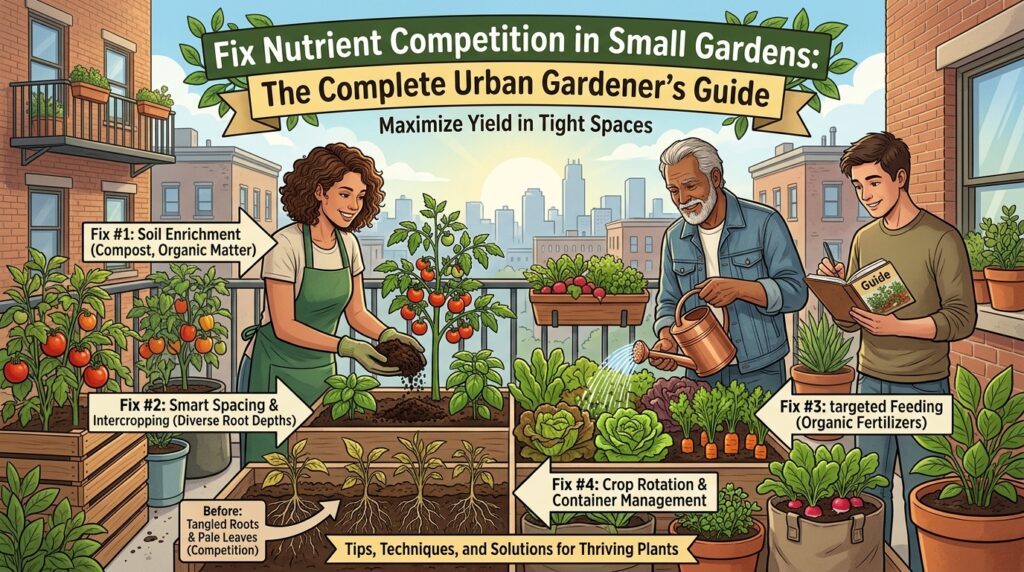
Ever planted a beautiful mix of veggies and herbs in your tiny balcony garden, only to watch them all look sad and struggling a few weeks later? The culprit might not be pests, bad soil, or even too much sun — it could be nutrient competition in small gardens, and it’s way more common than most people realize! When plants fight over the same limited resources in a confined space, everybody loses. Ready to fix that and finally grow a thriving, lush mini garden? Let’s dive in!
At a Glance
- Nutrient competition in small gardens happens when multiple plants share limited soil nutrients, leading to stunted growth, yellowing leaves, and poor harvests even with regular watering.
- Choosing compatible plant pairings (companion planting) dramatically reduces resource rivalry and can actually boost your overall yield.
- Feeding with the right fertilizer at the right time is one of the fastest ways to stop competition before it starts.
- Soil health — not just soil volume — determines how many nutrients your plants actually have access to.
- Simple container management tricks like root barriers, container sizing, and smart spacing can transform a chaotic cramped garden into a peaceful, productive one.
What Exactly Is Nutrient Competition (And Why Should You Care)?
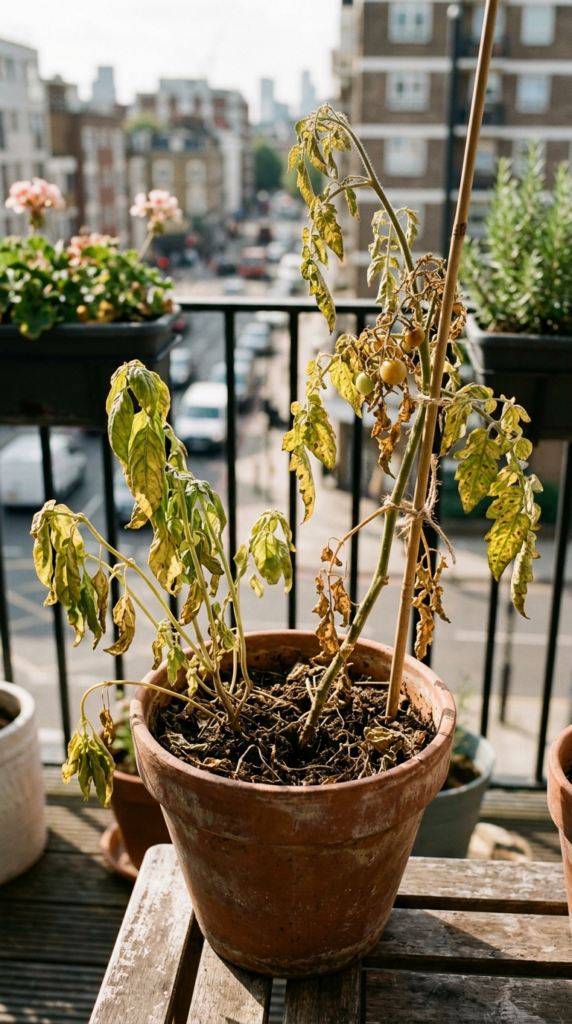
Here’s the deal: every plant in your garden is constantly pulling nitrogen, phosphorus, potassium, and a whole menu of micronutrients out of the soil. In a big open garden, there’s enough room for roots to spread out and find their own nutritional “territory.” But in a small urban garden? It’s basically a buffet with too many guests and not enough food.
When plants compete, the stronger, more aggressive ones hog the nutrients, leaving weaker ones starved. You end up with one plant doing okay while the rest look like they’ve given up on life. It’s frustrating, especially when you’ve invested real time, money, and love into your little green space.
The good news? Once you understand the root causes (pun fully intended), fixing nutrient competition in small gardens is totally doable — even in the tiniest container setup or balcony box.
💡 Pro Tip: Yellowing leaves on lower growth combined with otherwise healthy-looking new growth at the top is one of the clearest signs of nitrogen deficiency caused by plant competition.
Learn more about how plant roots communicate and compete with each other over at Penn State Extension.
Know Your Nutrient Hogs (These Plants Are the Worst Offenders)
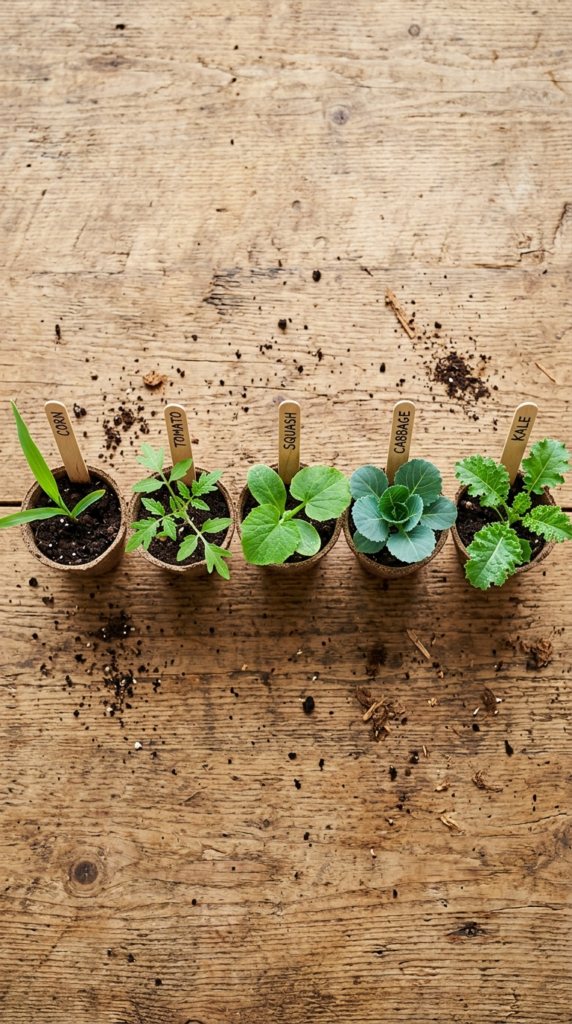
Not all plants play nicely. Some are nutrient hogs that will absolutely drain your soil before their neighbors get a look-in. Knowing which plants are the biggest feeders is your first step to creating a balanced small garden.
Heavy feeders — plants that demand the most nutrients — include tomatoes, corn, squash, broccoli, and kale. These guys need consistent, generous feeding, and they’re not shy about taking from their neighbors.
On the other end of the spectrum, light feeders like herbs (basil, thyme, oregano), radishes, and lettuce are much more chill about their nutrient needs. Mixing heavy and light feeders in the same container without a plan is basically setting your garden up for a nutrient war.
Here’s a handy quick-reference:
| Plant | Feeding Level | Key Nutrient Demand |
| Tomato | Heavy | Nitrogen, Potassium, Calcium |
| Squash | Heavy | Nitrogen, Phosphorus |
| Kale | Heavy | Nitrogen |
| Lettuce | Light | Nitrogen (moderate) |
| Basil | Light | General balanced |
| Radish | Light | Phosphorus (moderate) |
| Beans | Fixer | Adds Nitrogen to soil |
Check out our full guide on heavy vs. light feeding plants for container gardens to plan your next planting season perfectly.
Choose Container Sizes That Actually Make Sense
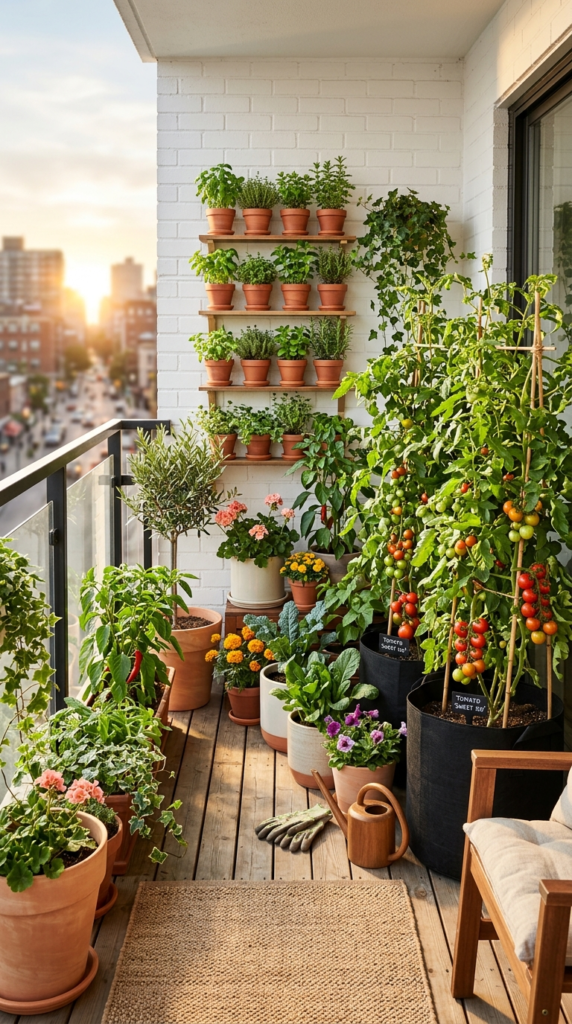
One of the biggest (and most overlooked) causes of nutrient competition in small gardens is simply putting plants in containers that are too small. A cramped root system means limited nutrient access — full stop.
Here’s the thing: container size isn’t just about physical space. Bigger containers hold more soil, which means more nutrients, better moisture retention, and more room for beneficial soil microbes to do their thing. A tomato plant crammed into a 5-gallon pot alongside a pepper plant is going to be one unhappy tomato.
As a general rule of thumb:
- Small herbs and lettuces: 6–8 inch pots, one plant per pot for heavy feeders
- Medium plants (peppers, eggplant): 10–15 gallon containers
- Large feeders (tomatoes, squash): 20+ gallon containers, ideally solo
When you right-size your containers, you give every plant its own nutritional territory without any messy sharing agreements. You’ll be amazed at the difference it makes!
Use Companion Planting to Balance the Nutrient Load
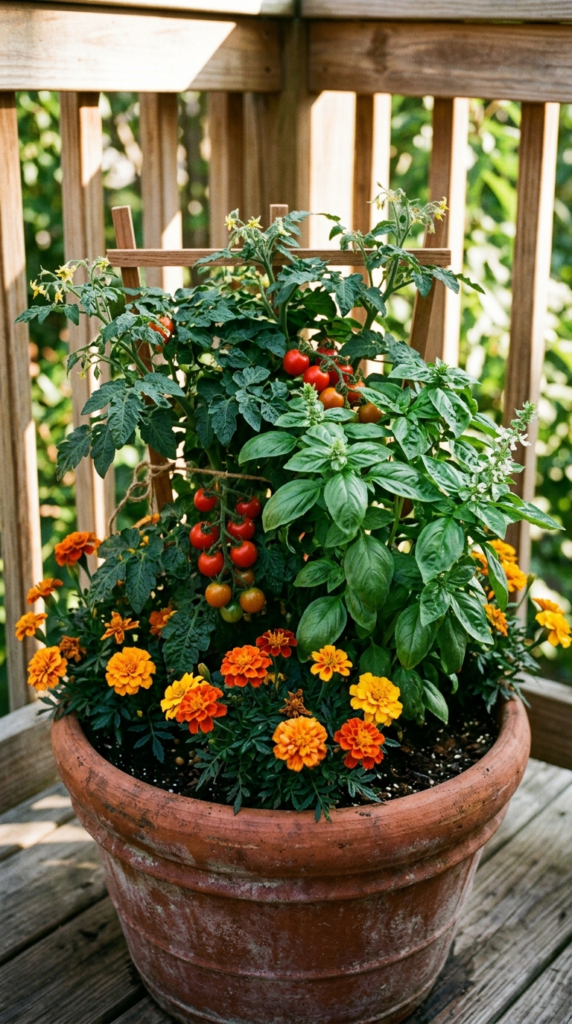
Companion planting is basically the art of introducing plants that complement — rather than compete with — each other. And it’s one of the most satisfying strategies for fixing nutrient competition in small gardens!
The classic example? The “Three Sisters” combination of corn, beans, and squash. Beans fix nitrogen from the air back into the soil, feeding the heavy-feeding corn and squash. It’s a nutrient-sharing ecosystem in miniature form. Talk about a game-changer!
You don’t need a huge plot to use companion planting principles. Even in containers, pairing a nitrogen-fixing plant like beans or clover with a heavy nitrogen feeder like kale or spinach can meaningfully reduce competition and boost overall soil health.
💡 Pro Tip: Basil and tomatoes are a legendary companion planting duo — not just for flavor, but because basil’s light nutrient needs complement the tomato’s heavy demands without creating meaningful competition.
Explore more smart pairings in our article on companion planting for balcony gardens.
Feed Strategically — Timing Is Everything
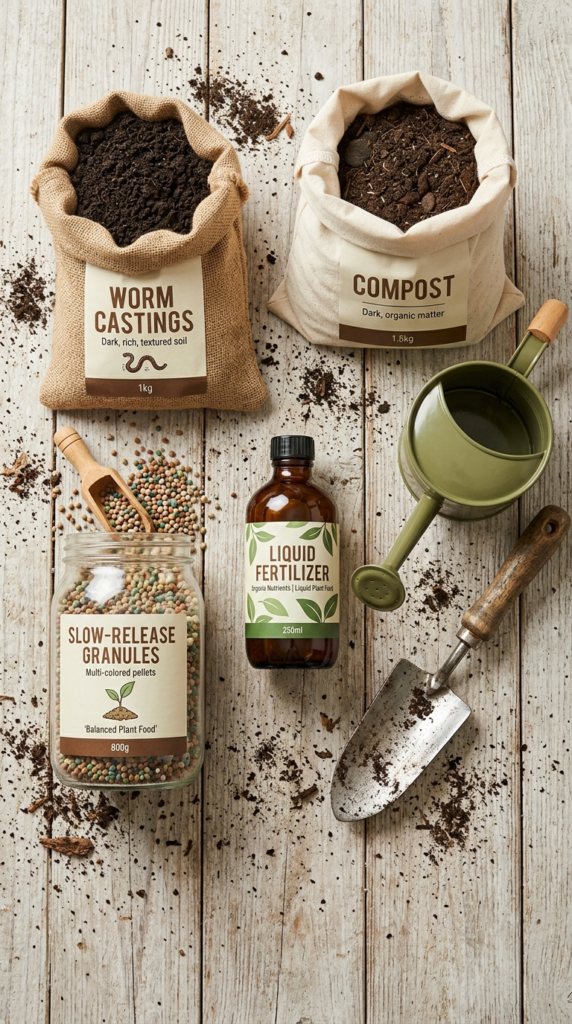
Here’s the deal: throwing a handful of fertilizer into a shared pot and hoping for the best is not a strategy. Smart feeding schedules are what separate thriving small gardens from sad, struggling ones.
Different plants need different nutrients at different growth stages. Tomatoes crave nitrogen early on for leafy growth, then switch to needing more phosphorus and potassium once they start flowering and fruiting. If you’re just hitting them all with a generic balanced fertilizer at the same time, you’re leaving a lot of potential on the table.
Try these feeding strategies:
- Slow-release granular fertilizers at planting time to provide a steady background nutrient supply for all plants
- Liquid fertilizers applied individually every 2–3 weeks during the growing season, tailored to each plant’s current stage
- Foliar feeding (spraying diluted liquid fertilizer on leaves) for a quick nutrient boost to plants showing deficiency signs without overloading shared soil
The University of Minnesota Extension has a fantastic evidence-based guide on fertilizing container vegetables that’s worth bookmarking.
You’ve totally got this — once you get on a feeding schedule, it becomes second nature!
Build Richer Soil to Reduce Competition at the Source
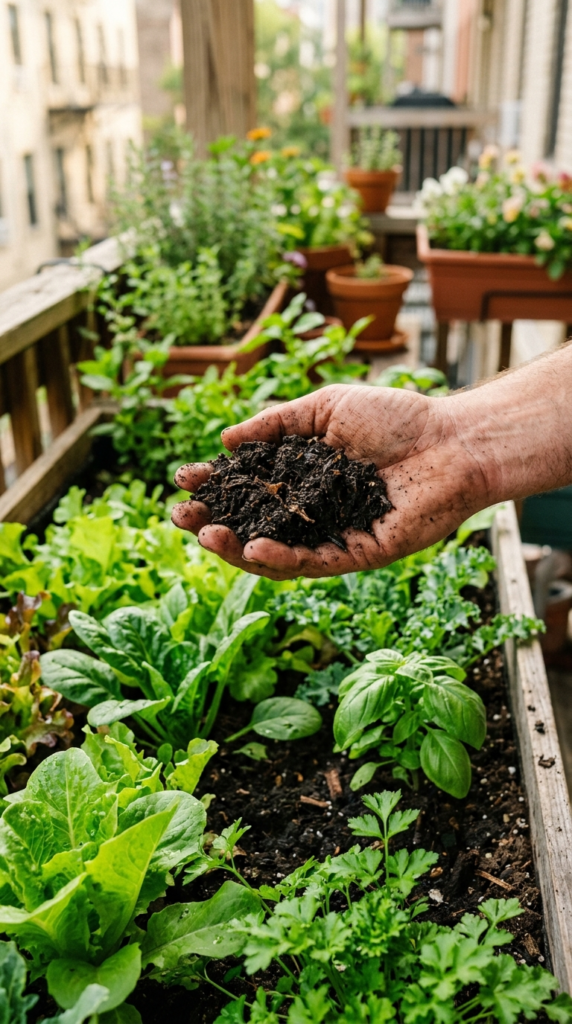
The secret is this: soil quality matters far more than soil quantity. Nutrient-dense, biologically active soil means less competition because there’s simply more to go around.
Most standard potting mixes are fine to start, but they deplete quickly — especially in densely planted small gardens. Refreshing and enriching your soil is one of the most impactful things you can do for nutrient management.
Here’s what to add to create nutrient-rich growing medium:
- Worm castings — slow-release, gentle, and absolutely packed with micronutrients
- Compost — improves soil structure AND adds a broad-spectrum of nutrients
- Coconut coir — improves moisture and aeration, helping roots access nutrients more efficiently
- Mycorrhizal fungi inoculants — these incredible microscopic allies extend your plant roots’ reach, helping them access nutrients the naked root never could
💡 Pro Tip: Refresh at least 30–50% of your container soil each season. Old, depleted soil is nutrient competition’s best friend — don’t let it stick around.
Get more soil-building ideas in our deep dive on building the perfect container garden soil mix.
Try Root Barriers for Cohabiting Plants
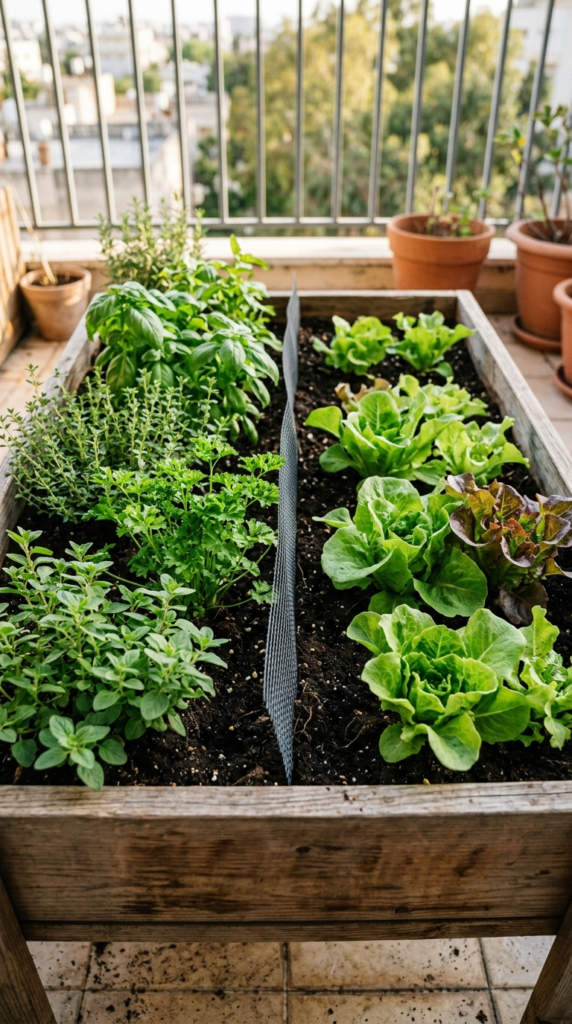
Sometimes the most elegant fix for nutrient competition in small gardens is a literal physical barrier. Root barriers — thin dividers placed into a shared container — allow you to grow multiple plant varieties side by side without their root systems tangling and stealing from each other.
Bamboo root barriers, plastic divider sheets, or even simple thick landscape fabric folded into a wall can work beautifully. They’re especially useful in long window boxes or rectangular planters where you want to grow, say, basil next to chives next to mint — three plants with very different spacing and nutrient needs.
Root barriers don’t just reduce competition. They also let you customize soil mixes on each side of the barrier! On the mint side? Keep the soil moisture-retentive. On the rosemary side? Keep it sandy and dry. It’s like giving each plant its own apartment instead of forcing them into a shared studio.
Pretty cool, right? This simple trick can totally transform how you approach mixed container planting.
Monitor Regularly for Early Signs of Nutrient Stress
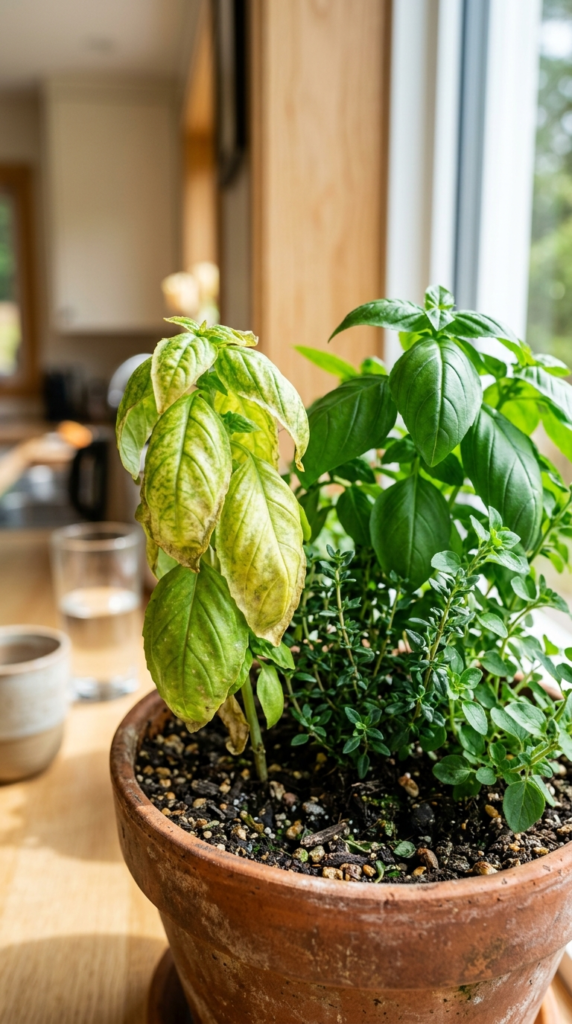
You can do everything right and still have nutrient competition sneak up on you — that’s why regular plant monitoring is non-negotiable for small garden success.
Make a habit of doing a quick visual scan of every plant at least once a week. You’re looking for early warning signs like:
- Yellowing leaves (often nitrogen deficiency)
- Purple-tinged undersides (phosphorus deficiency)
- Crispy brown leaf edges (potassium deficiency or root-bound stress)
- Stunted new growth despite good watering (general nutrient lockout)
- One plant thriving while its neighbor declines (classic competition signal)
The sooner you catch these signs, the faster you can intervene — whether that means separating plants, adding targeted fertilizer, or refreshing the soil. Waiting too long turns a quick fix into a complete garden restart. Don’t let it get there!
Explore a visual guide to reading plant deficiency symptoms to sharpen your diagnostic eye.
Space Plants Properly — Even in Small Spaces
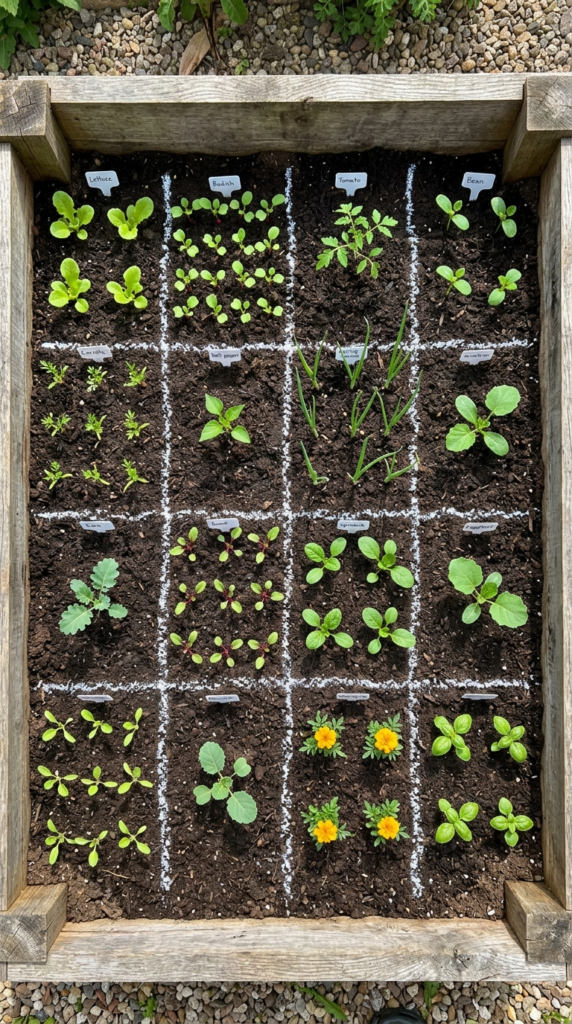
Proper plant spacing isn’t just about air circulation — it directly impacts how roots compete underground where you can’t see the battle happening. When plants are too close, their roots inevitably overlap, leading to direct, aggressive nutrient competition.
The square foot gardening method — made popular by Mel Bartholomew — is a brilliant system for small gardens. It assigns each plant type a specific square footage based on its mature size, ensuring roots have enough room to spread without constantly bumping into each other.
Even if you’re not going full square-foot-method, give yourself a simple rule: never plant closer than the seed packet’s recommended spacing suggests. That spacing isn’t just a suggestion — it’s the plant’s minimum root zone requirement. Cramming plants tighter never produces more food; it almost always produces less.
💡 Pro Tip: In containers, use the “thriller, filler, spiller” design concept but apply it to nutrient needs: place your heavy feeders (thriller) in the center, surround with moderate feeders (fillers), and edge with light feeders or fixers (spillers) to create a natural nutrient gradient.
Rotate Your Crops (Yes, Even in Containers!)
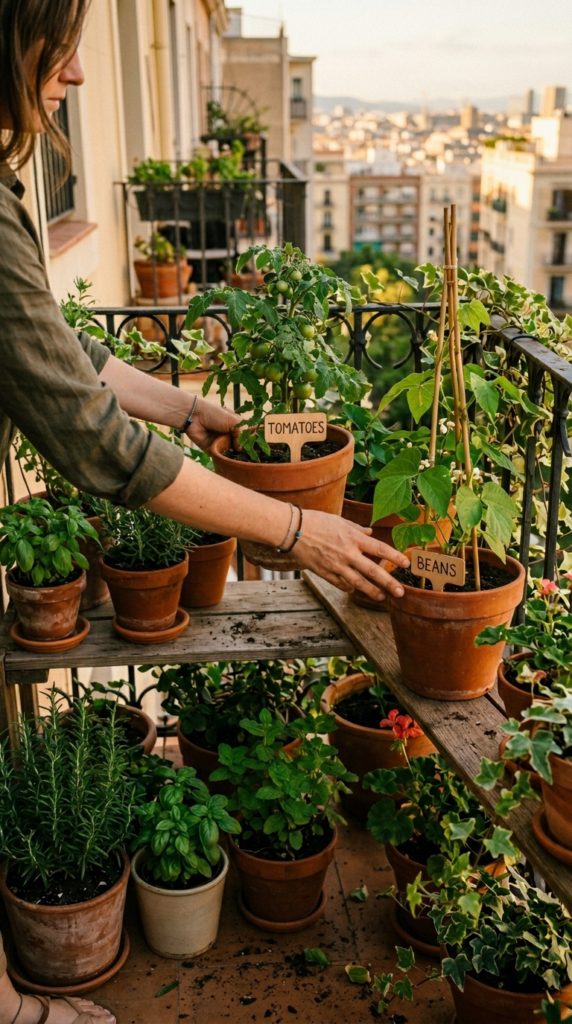
Here’s something most container gardeners skip entirely: crop rotation. We think of crop rotation as a big-garden thing, but it matters just as much — maybe more — in small urban gardens.
When the same plant grows in the same container season after season, it depletes the specific nutrients it needs most, leaving the soil progressively worse at supporting that plant type. Tomatoes, for instance, are notorious for depleting calcium and potassium over successive seasons.
Simple container rotation strategy:
- Year 1: Grow tomatoes (heavy feeder) in Container A
- Year 2: Move tomatoes to Container B, plant beans (nitrogen fixer) in Container A to rebuild
- Year 3: Rotate again — now Container A’s nitrogen-enriched soil is perfect for leafy greens
It sounds like extra work, but it takes about 10 minutes per season and dramatically reduces long-term nutrient depletion in your containers. Your soil will thank you for years to come!
Read more about crop rotation for urban container gardens on our site.
Consider Hydroponic or Semi-Hydroponic Systems for Maximum Control
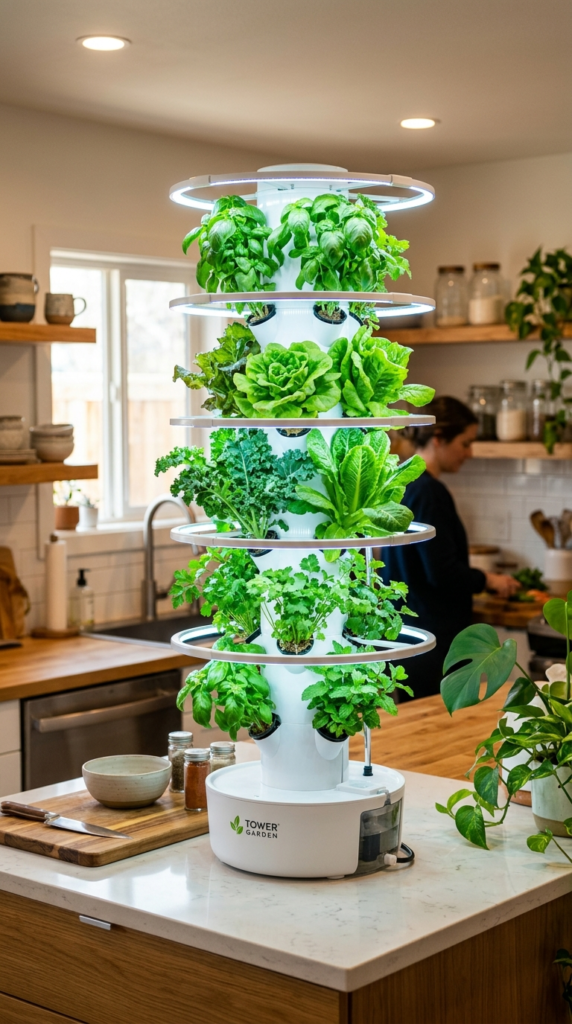
If nutrient competition has been a persistent, recurring nightmare in your garden, it might be time to take competition completely out of the equation. Hydroponic systems deliver nutrients directly to each plant’s root zone in a controlled, measured solution — eliminating soil competition altogether.
You don’t need a high-tech setup or a science lab. Simple Kratky method hydroponic containers (a passive, no-pump hydroponic system) are perfect for urban apartments and require zero electricity. Each plant sits in its own net pot with its own nutrient solution — no sharing, no competition, just pure, direct nutrition.
For those not ready to go fully soilless, semi-hydroponic setups like self-watering containers with reservoir systems are a brilliant middle ground. They deliver consistent moisture and dissolved nutrients to roots while still using a soil or soil-less growing medium.
The result? Faster growth, bigger yields, and zero nutrient competition drama. Talk about a game-changer for small space urban gardening!
Frequently Asked Questions
How do I know if my plants are suffering from nutrient competition vs. overwatering?
Great question — these two problems can look surprisingly similar! Nutrient competition typically shows up as yellowing that starts from the bottom of the plant and works upward, often with stunted growth despite good soil moisture. Overwatering, on the other hand, usually causes yellowing across the whole plant simultaneously, combined with wilting even when soil is wet and sometimes root rot smell. Check your soil moisture first, then look at where the yellowing starts to figure out which issue you’re dealing with.
Can I fix nutrient competition without repotting my plants?
Absolutely! You don’t always need to repot to fix things. Try liquid fertilizer applications targeted specifically at deficient plants, add a top dressing of worm castings or compost to boost overall nutrient availability, and consider removing any aggressively competing plants to give stressed ones breathing room. If plants are severely root-bound and competing underground, repotting is the best long-term solution — but targeted feeding can stabilize things quickly while you plan a bigger fix.
What’s the best fertilizer for a mixed container with multiple plant types?
For mixed containers, a balanced slow-release granular fertilizer (like a 10-10-10 NPK blend) at planting time gives everyone a solid nutritional baseline. Then supplement with liquid fertilizers applied individually to heavy feeders every 2–3 weeks during peak growing season. Avoid high-nitrogen fertilizers in shared containers unless all your plants are leafy greens — too much nitrogen pushes foliage at the expense of fruiting in plants like tomatoes and peppers.
How many plants can I realistically grow in a 10-gallon container without nutrient competition?
It depends heavily on plant type and your feeding commitment! As a general guideline, a 10-gallon container can comfortably support one medium feeder (like a pepper plant) alongside 2–3 light feeders (herbs, lettuce), provided you fertilize regularly and use nutrient-rich soil. Trying to grow two heavy feeders in a 10-gallon container almost always results in competition issues. When in doubt, go bigger with your container — it’s the single easiest fix for nutrient competition in small gardens.
Do organic fertilizers help reduce nutrient competition better than synthetic ones?
Both have their place, but organic fertilizers have some real advantages for mixed plantings. They typically release nutrients more slowly and in response to soil biology, making nutrients available more gradually and consistently — reducing the boom-and-bust cycle that can favor aggressive plants over slower growers. Worm castings, compost, and fish emulsion are especially good for maintaining a steady, balanced nutritional environment in shared containers. Synthetic fertilizers work faster, which is great for correcting acute deficiencies, but the slow, steady approach of organics is your best friend for preventing competition long-term.
A Few Final Thoughts
Fixing nutrient competition in small gardens is one of those gardening revelations that changes everything once you get it. It’s not about having the biggest space or the fanciest equipment — it’s about being smart, strategic, and a little bit scientific with how you set up your plants’ environment. By combining companion planting, right-sized containers, strategic feeding schedules, and regular monitoring, you can turn even the most cramped balcony or windowsill into a lush, productive growing space where every single plant genuinely thrives. The tools and techniques are all here — all you need to do is start applying them one at a time. Now go make it happen! 🌱