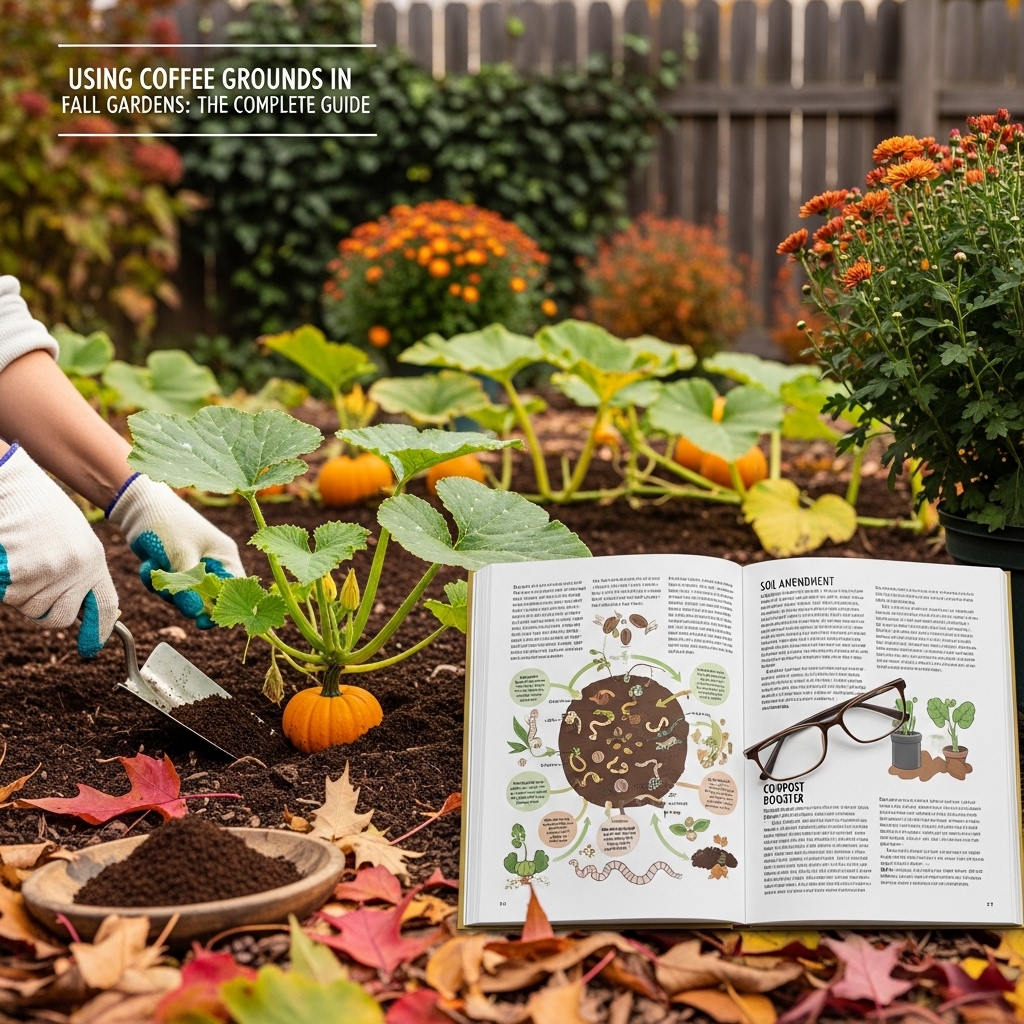
You already make coffee every morning — but did you know those used grounds are basically free fertilizer you’ve been throwing away? Using coffee grounds in fall gardens is one of the smartest, most budget-friendly things you can do before winter arrives, and most gardeners have zero idea they’re sitting on a goldmine every single day. Fall is actually the perfect season to put coffee grounds to work, because your soil has all winter to absorb and benefit from them. Ready to find out exactly how to use every last scoop? Let’s dive in!
At a Glance
- Used coffee grounds contain nitrogen, potassium, and magnesium — all nutrients that benefit fall soil preparation and plant health.
- Fall is the ideal time to apply coffee grounds because they break down slowly over winter, releasing nutrients just in time for spring planting.
- Coffee grounds work best when mixed into compost or lightly incorporated into soil, rather than applied in thick layers that can repel water.
- Acid-loving plants like blueberries, azaleas, and rhododendrons respond especially well to coffee ground applications in autumn.
- Many local coffee shops will give away used grounds for free — so you can scale up your garden benefits without spending a single extra dollar.
Why Fall Is the Best Time for Coffee Grounds in the Garden
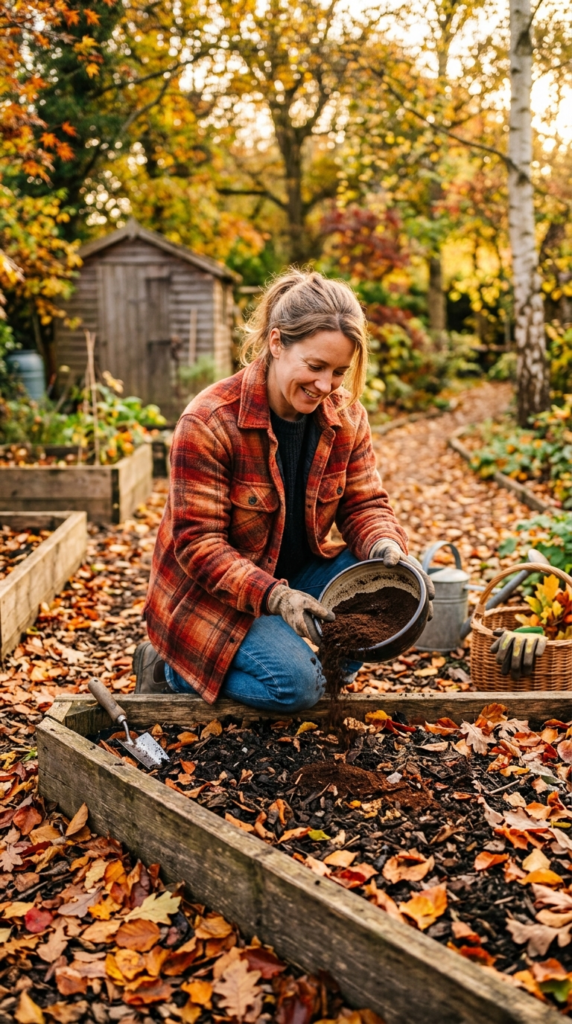
Most people think of coffee grounds in the garden as a spring or summer thing — but fall is actually when they shine the brightest. Here’s why: coffee grounds break down slowly, and fall gives them the entire winter to decompose and integrate into your soil before plants start actively feeding in spring.
Think of it like a slow-release soil treatment. Instead of dumping nutrients in when your plants are already stressed or dormant, you’re pre-loading the soil with goodness that’ll be perfectly available right when new growth kicks off.
Fall soil is also biologically active in ways most people don’t realize. Soil microbes are still working hard until the ground freezes, and coffee grounds give them extra fuel to keep improving your soil structure through the cold months.
💡 Pro Tip: Start collecting and applying coffee grounds in fall gardens as soon as temperatures begin to drop — you’ve got a wider window than you think, and every batch makes a difference.
Learn more about the best fall soil preparation techniques for urban gardens to get your beds truly ready for spring.
Fall coffee ground applications are one of those simple habits that quietly transform your garden over time — so satisfying!
What Coffee Grounds Actually Do for Your Soil
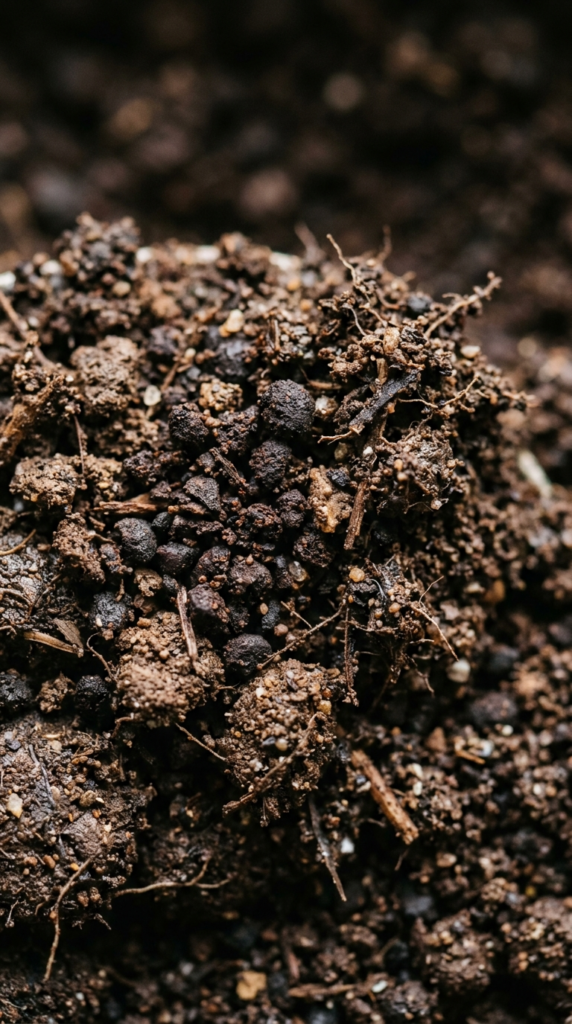
Here’s the deal: coffee grounds aren’t magic, but they’re pretty close. They contain nitrogen, potassium, magnesium, and copper — all nutrients that plants genuinely need — plus they provide organic matter that improves soil structure over time.
The nitrogen in coffee grounds is released slowly as microbes break them down, which is exactly the kind of gentle, sustained feeding your soil loves. Unlike synthetic fertilizers, there’s no risk of burning plants with a sudden nutrient surge.
Coffee grounds also improve soil drainage and aeration in clay-heavy soils, and help sandy soils retain moisture better. Either way, your soil wins. They also feed the beneficial microorganisms and earthworms that are the backbone of healthy, living soil.
One thing worth knowing: used coffee grounds are close to pH-neutral (around 6.5–6.8), despite the popular myth that they’re highly acidic. The acidity is mostly extracted into your cup of coffee, not left in the grounds. So they won’t dramatically change your soil pH, but they will improve it gently over time.
| Nutrient/Benefit | What It Does |
| Nitrogen | Feeds plants and soil microbes |
| Potassium | Supports root development and disease resistance |
| Magnesium | Aids chlorophyll production |
| Organic matter | Improves soil structure and water retention |
| Microbial food | Boosts beneficial soil biology |
Visit Oregon State University Extension’s guide on coffee grounds for an in-depth, research-backed breakdown of coffee grounds in soil.
Understanding what’s actually in your coffee grounds makes every application feel that much more intentional and exciting!
Using Coffee Grounds in Fall Compost
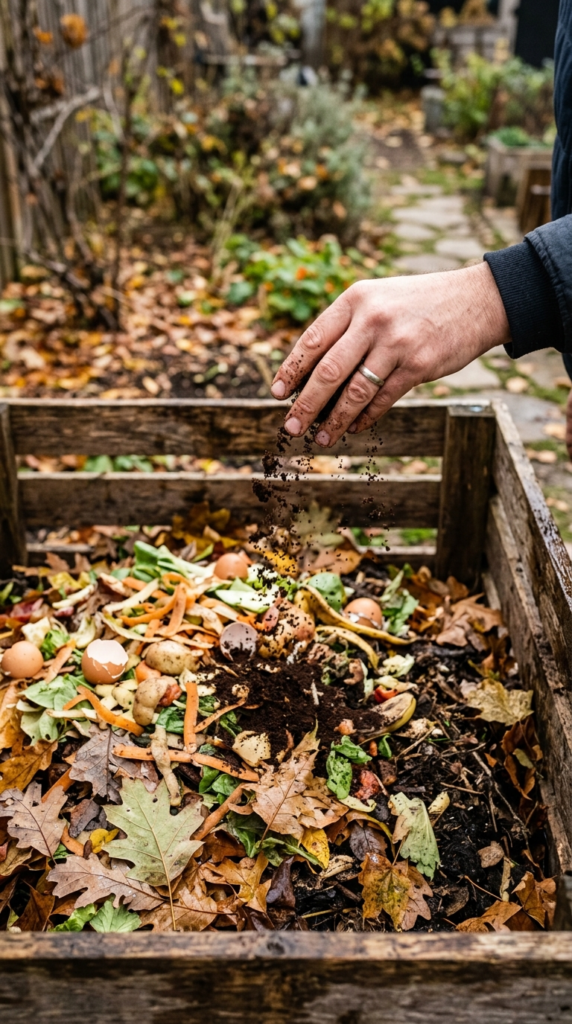
If there’s one place coffee grounds absolutely belong in fall, it’s your compost pile. They’re classified as a “green” material — meaning they’re nitrogen-rich — which makes them the perfect counterbalance to all those carbon-heavy fall leaves you’re piling in.
The ideal compost ratio is roughly 25–30 parts carbon to 1 part nitrogen, and coffee grounds are one of the easiest, most convenient nitrogen sources around. Layer them in with your shredded leaves and watch your pile heat up and break down significantly faster.
💡 Pro Tip: You can add coffee filters right along with the grounds — paper filters are fully compostable and break down quickly, saving you the step of separating them.
Don’t go overboard though. Coffee grounds should make up no more than 20–25% of your total compost volume. Too many grounds can compact together, repel water, and create an anaerobic mat that slows everything down instead of speeding it up.
Explore our complete guide to fast fall composting with leaves for the full composting system that pairs beautifully with coffee grounds.
Toss those grounds in the compost pile and let them do their slow, steady magic all winter long!
Direct Application to Garden Beds
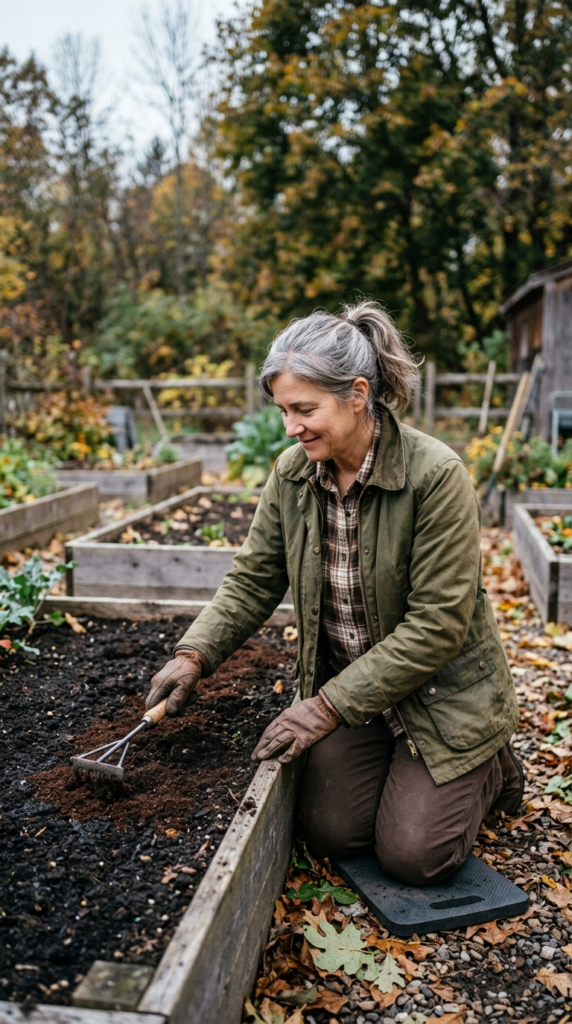
Want to go straight to the source? Applying coffee grounds directly to garden beds in fall is a great option — as long as you do it correctly. The key word is lightly.
Sprinkle a thin layer — no more than half an inch — of coffee grounds over your bed, then use a rake or garden fork to work them lightly into the top 2–3 inches of soil. This prevents the grounds from sitting on the surface and forming a water-repellent crust, which is the most common mistake people make with direct applications.
For vegetable beds you’re putting to rest for winter, this is an especially smart move. The grounds will break down over the dormant season, enriching the soil with organic matter and nitrogen that’ll be waiting for your spring seedlings.
For ornamental beds, focus applications around plants that prefer slightly more acidic, well-structured soil. Avoid heavily piling grounds around plants that prefer alkaline conditions.
- ✅ Do: Apply a thin layer and rake in gently
- ✅ Do: Apply in fall for slow winter breakdown
- ✅ Do: Mix with other organic matter for best results
- ❌ Don’t: Apply in thick layers that can crust over
- ❌ Don’t: Pile directly against plant stems or crowns
- ❌ Don’t: Apply to beds with alkaline-loving plants
Check out our guide to amending fall garden beds for a productive spring for a complete bed prep routine.
Light, intentional applications make all the difference — you’re nailing this!
Coffee Grounds as Fall Mulch
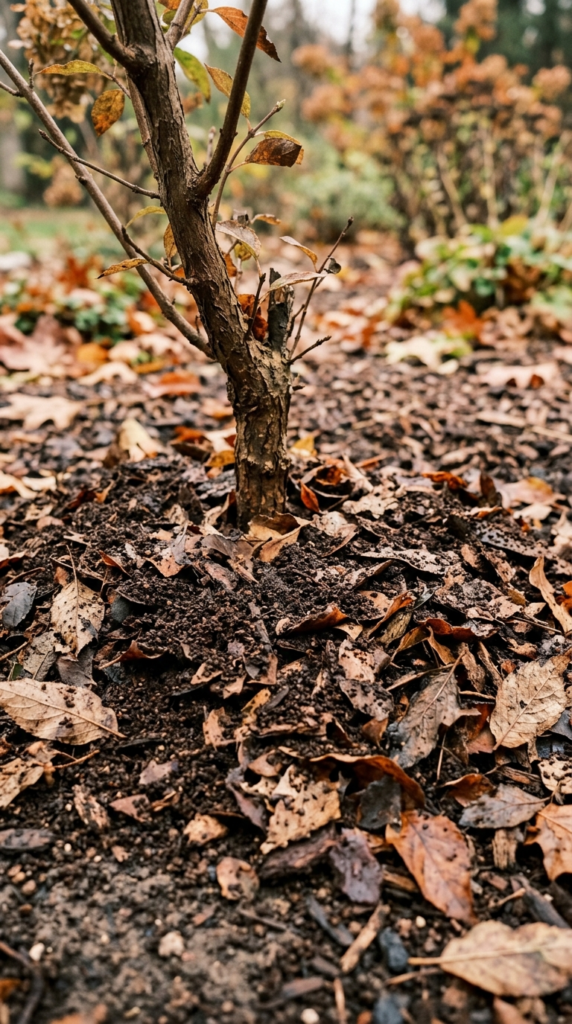
Here’s a fun one: coffee grounds mixed into mulch is a fall garden hack that more people need to know about. Pure coffee ground mulch is a mistake (they crust over), but blending them into your leaf mulch or wood chip mulch? Brilliant.
Aim for a mix of about one part coffee grounds to four or five parts mulch material — shredded leaves, straw, or wood chips all work beautifully. Spread this blend 2–3 inches deep around perennials, shrubs, and tree bases for winter insulation that also slowly feeds the soil underneath.
The coffee grounds add nitrogen to what would otherwise be a purely carbon-heavy mulch layer, creating a more balanced organic material that breaks down into genuinely rich humus over winter. Talk about a game-changer!
💡 Pro Tip: This coffee-enriched mulch is especially fantastic around acid-loving shrubs like azaleas, rhododendrons, and hydrangeas — it feeds and insulates them at the same time.
Discover the best mulching strategies for fall perennial garden beds to protect your plants through the cold months.
Mix, spread, and let winter do all the hard work for you — pretty cool, right?
Which Fall Plants Love Coffee Grounds the Most
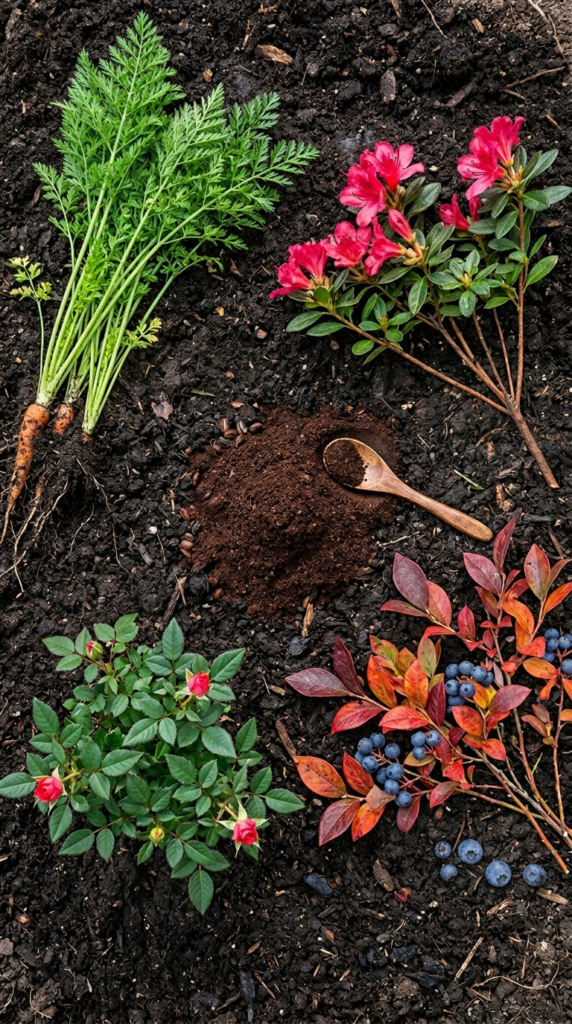
Not every plant responds equally to coffee grounds in fall gardens — and knowing which ones love them helps you use every scoop strategically. The plants that benefit most are those that prefer slightly acidic, well-structured, nutrient-rich soil.
Blueberries are arguably the number one plant that thrives with coffee ground applications. They love acidic soil (pH 4.5–5.5), and regular coffee ground additions over fall and winter gradually help maintain those ideal conditions.
Roses also respond beautifully to fall coffee ground applications, which boost the nitrogen levels that support vigorous spring growth and abundant flowering. Work grounds lightly into the soil around the drip line — not right up against the canes.
Other big fans include:
- Azaleas and rhododendrons — acid-loving flowering shrubs
- Hydrangeas — especially blue varieties that thrive in acidic soil
- Carrots and radishes — root vegetables benefit from loosened, enriched soil
- Strawberries — love the nitrogen boost for next season’s fruit production
- Evergreen trees and shrubs — appreciate the slow organic matter release
Visit The Royal Horticultural Society’s plant care database for a comprehensive list of plants that respond well to coffee ground applications.
Knowing your plants’ preferences makes every handful of grounds count twice as much!
Using Coffee Grounds Around Trees and Shrubs
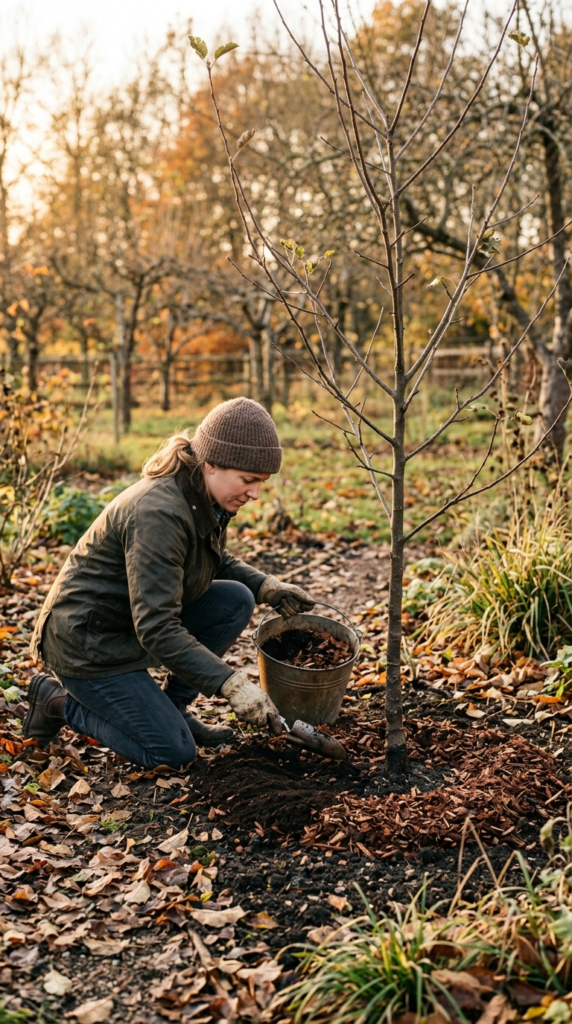
Fall is the perfect time to give your trees and shrubs a coffee ground treatment because they’re heading into a period of root growth, even as the top of the plant goes dormant. Roots keep growing in cool soil long after the leaves drop, and that’s exactly when they benefit from slowly available nutrients.
For trees, apply a thin layer of coffee grounds — mixed with compost or wood chips — in a ring starting about 6 inches from the trunk and extending out to the drip line (the outer edge of the canopy). Never pile anything directly against the trunk, as that can cause rot and pest problems.
For acid-loving shrubs like blueberries, azaleas, and camellias, a light coffee ground application in fall is almost like a gift to the plant. It gently acidifies the mulch layer, feeds the root zone, and improves the soil structure that these plants particularly love.
Learn how to prepare trees and shrubs for winter in urban gardens to complete your fall care routine.
A little attention at the root zone this fall pays dividends in blooms and growth next year!
Coffee Grounds in Container and Balcony Gardens
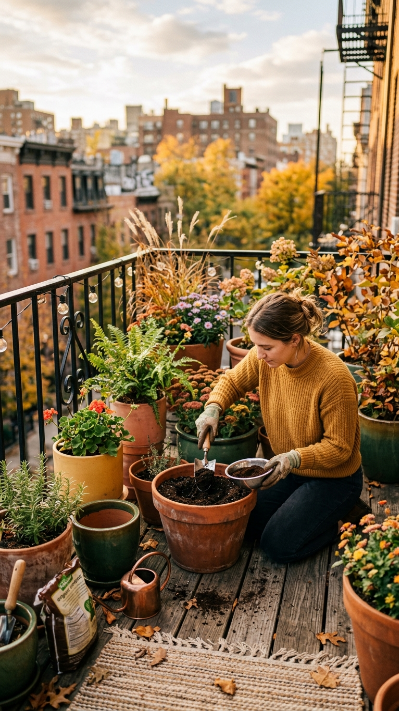
Great news if you’re a container or balcony gardener: using coffee grounds in fall gardens works brilliantly in pots too. In fact, container plants can benefit even more from coffee ground applications because their nutrient supply is more limited than plants growing in open ground.
For fall container prep, mix a tablespoon or two of used coffee grounds into the top inch of potting mix for each medium-sized pot. This light incorporation adds nitrogen and improves the texture of potting mix that may have become compacted over the growing season.
💡 Pro Tip: For pots you’re overwintering indoors, a small amount of coffee grounds mixed into the soil also helps feed the beneficial microbes in your potting mix, keeping the soil biology alive and active even during the slow winter months indoors.
For containers you’re putting to rest for winter outdoors, coffee grounds mixed into the top layer will break down slowly and refresh the potting mix so it’s ready to go in spring — potentially saving you the cost of completely replacing your potting soil.
Discover our complete fall container garden care guide for balcony growers to winterize your pots like a pro.
Container gardeners, you have just as much to gain from this habit — dive right in!
Do Coffee Grounds Really Deter Pests?
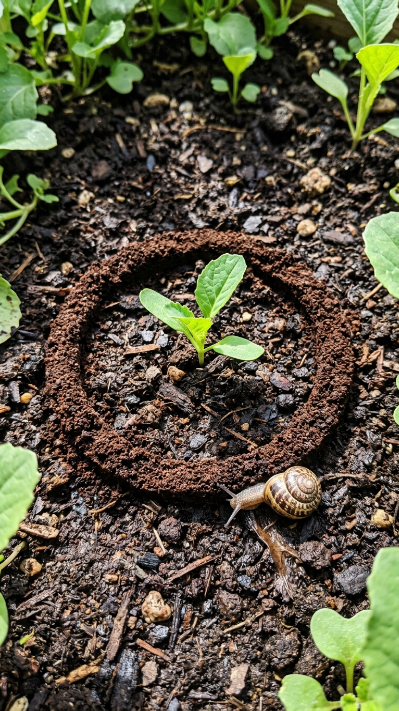
You’ve probably heard that coffee grounds repel slugs, snails, and cats from the garden. But what’s actually true, and what’s garden myth? The answer, as usual, is somewhere in the middle.
Research suggests that caffeine is genuinely toxic to slugs and snails at high concentrations — but the caffeine content in used grounds is significantly lower than in fresh grounds. Some gardeners swear by a ring of coffee grounds around vulnerable plants, and it likely does create a mild deterrent, though it won’t be a complete barrier.
For cats, the strong smell of coffee grounds does appear to be an effective deterrent in many cases. Spreading grounds around areas where cats are digging can discourage the behavior — a handy trick for urban gardeners with neighborhood cat visitors in their beds!
For ants, the evidence is mixed — some studies suggest coffee grounds disrupt scent trails, while others show little effect. Think of it as a possible bonus rather than a reliable pest control method.
- Slugs/snails: Mild deterrent, especially with fresh grounds
- Cats: Reasonably effective scent deterrent
- Ants: Mixed results — not reliable as a primary control
- Deer: No significant evidence of deterrence
Explore natural pest deterrent strategies for fall gardens for a full toolkit of organic options.
Every layer of pest protection helps — and coffee grounds are a free bonus on top of all their other benefits!
How Much Is Too Much — Avoiding Common Mistakes
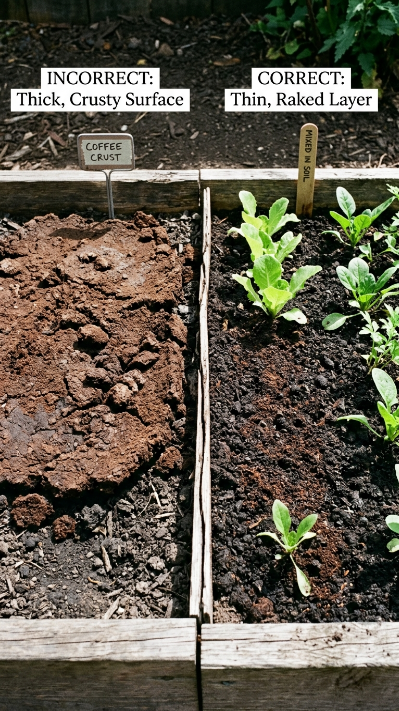
Here’s the thing: coffee grounds are genuinely beneficial, but more is definitely not always better. Overdoing it is the most common mistake gardeners make, and it can actually cause real problems.
A thick layer of coffee grounds on the soil surface dries out and forms a water-repellent crust that prevents rain and irrigation from reaching your plant roots. This is the opposite of helpful. Always apply thinly and incorporate into the soil or mix with other mulch materials.
Too many coffee grounds in compost — more than 20–25% of total volume — can make the pile too acidic and compact, slowing decomposition. And applying grounds heavily around plants that prefer alkaline soil (like lavender, clematis, or brassicas) can stress them over time.
💡 Pro Tip: A good rule of thumb is to treat coffee grounds like a seasoning — they enhance what’s already there, but the dish shouldn’t be made entirely of seasoning. A little goes a long, long way.
The sweet spot for most applications is a half-inch layer worked lightly into soil, or blended into compost or mulch at a ratio of no more than 20–25%. Stick to that and you’ll never have a problem.
Read our guide to common fall garden amendment mistakes and how to avoid them to keep your soil in perfect shape.
Apply with intention and restraint, and your garden soil will absolutely love you for it!
Where to Get Extra Coffee Grounds for Free

Your morning brew only produces so many grounds — but your garden might be able to use a lot more. The secret is knowing where to ask, and the answer is almost always your local coffee shop.
Most coffee shops — from independent cafes to large chains like Starbucks — produce enormous amounts of used grounds every single day and are genuinely happy to give them away for free rather than throw them in the trash. Just ask! Many shops will set aside a bag for you if you call ahead or become a regular requester.
Starbucks’ “Grounds for Your Garden” program has offered free used coffee grounds to gardeners for years — check with your local store about availability, as participation varies by location.
Other great sources include:
- Office kitchens and break rooms — workplaces with coffee machines often have grounds going to waste daily
- Hotel breakfast areas — high volume, often willing to save grounds for pickup
- Restaurants and diners — breakfast spots especially
- Neighbors — put the word out and you might be surprised how many people are happy to save grounds for you
Explore other free and low-cost materials for enriching your urban garden to stretch your gardening budget even further.
Free resources are everywhere once you start looking — go get those grounds!
Frequently Asked Questions
Are coffee grounds good or bad for garden soil in fall?
Coffee grounds are genuinely beneficial for most fall garden soils when used correctly. They add nitrogen, potassium, and organic matter, improve soil texture, and feed beneficial microbes. The key is applying them in moderation — thin layers incorporated into soil or compost, not thick surface deposits that can crust over and repel water.
Do coffee grounds make soil acidic?
This is one of the most persistent garden myths worth busting. Used coffee grounds are nearly pH-neutral — typically around 6.5 to 6.8 — because most of the acidic compounds dissolve into the liquid coffee during brewing. They will contribute to a very mild acidifying effect over time with repeated applications, but they won’t dramatically drop your soil pH the way sulfur or peat moss would.
Can I use coffee grounds on all my fall garden plants?
Most plants tolerate coffee grounds well, but a few prefer to be avoided. Acid-loving plants like blueberries, azaleas, roses, and hydrangeas benefit the most. Plants that prefer alkaline soil — lavender, brassicas, asparagus, and clematis — are better off without coffee ground applications. When in doubt, mix grounds into compost first rather than applying directly.
How often should I apply coffee grounds in fall?
For direct soil applications, once or twice during fall is plenty — you don’t need to apply every week. For compost additions, add grounds regularly throughout the fall composting season as you generate them. The goal is steady, gradual enrichment rather than heavy single applications that can overwhelm the soil.
Can I use coffee grounds in fall for indoor plants too?
Yes, with care! Using coffee grounds in fall gardens applies indoors too — a small amount worked lightly into the top layer of potting mix can benefit acid-loving houseplants like pothos, peace lilies, and African violets. Use even more sparingly than you would outdoors — a teaspoon per medium pot is plenty — and avoid plants that prefer alkaline or dry conditions like cacti and succulents.
A Few Final Thoughts
Using coffee grounds in fall gardens is one of those beautifully simple habits that costs you nothing but delivers so much in return. You’re taking something that would otherwise go straight to the landfill and turning it into a genuine soil-building, plant-feeding resource that quietly improves your garden all winter long. Whether you’re mixing them into compost, blending them into mulch, lightly working them into your beds, or collecting extras from your local café, every scoop is a small investment in a richer, more productive spring garden. It works for backyard beds, balcony containers, and everything in between — so there’s truly no garden too big or too small to benefit. Start saving those grounds today, apply them with intention this fall, and let your soil do the rest. Your dream garden is closer than you think!