
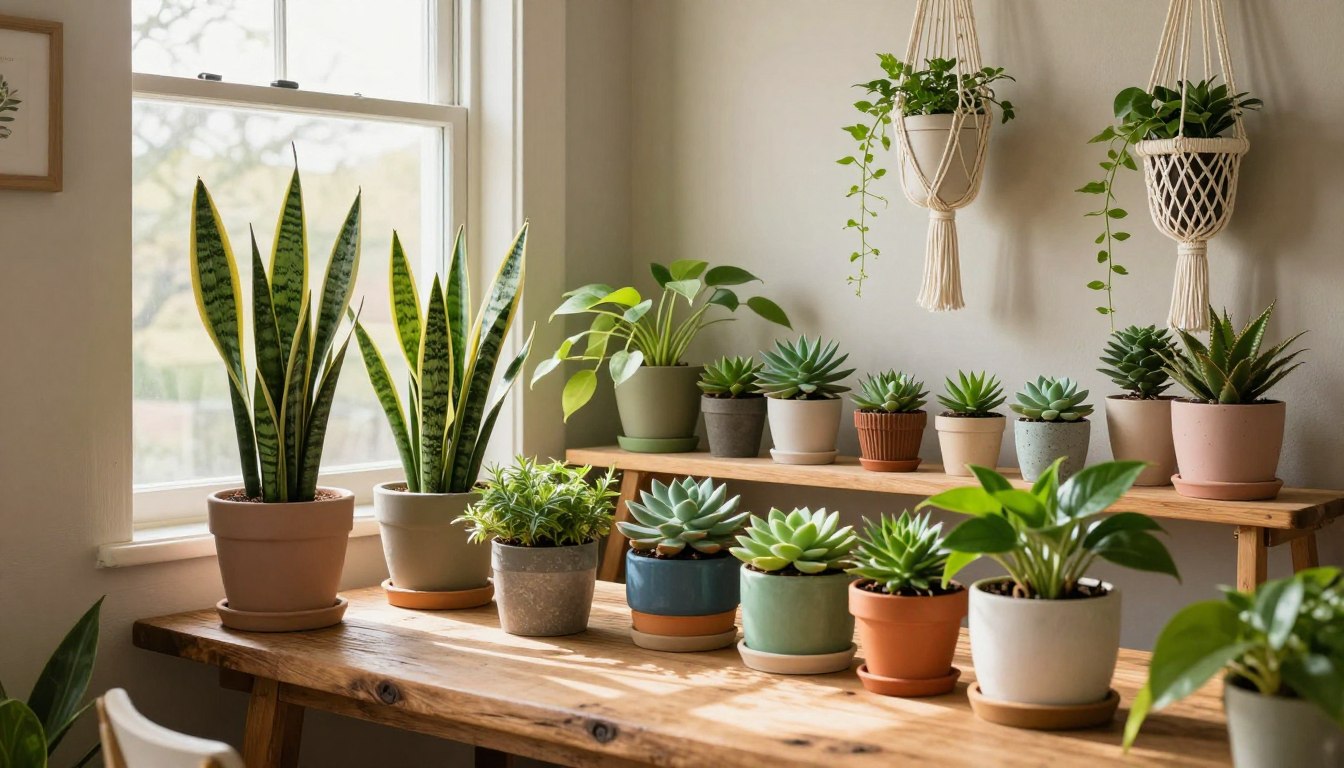
Do you dream of a lush, vibrant home that feels like a professional sanctuary? You can easily transform your living environment using Budget-Friendly Plant Decor Hacks without spending a fortune. Bringing nature indoors is a proven way to boost your mood and improve your overall well-being.

Creating a stylish space does not require an expensive interior designer. By using creative styling techniques, you can curate an inviting atmosphere that reflects your personal aesthetic. Embracing Budget-friendly home decor allows you to achieve a high-end look while keeping your finances in check.
These simple strategies will help you breathe new life into any room. You will learn how to select the right greenery and arrange it to maximize visual impact. Start your journey toward a greener, happier home today.
Key Takeaways
- Incorporate greenery to naturally enhance your mood and mental health.
- Use affordable styling tricks to achieve a professional designer aesthetic.
- Focus on low-cost botanical choices that provide high visual impact.
- Prioritize your personal style while maintaining a strict spending limit.
- Transform any room into a refreshing sanctuary with simple, creative arrangements.
Assessing Your Space and Lighting Needs
Transforming your home into a lush oasis requires more than just buying pretty pots. Before you start your journey, you must carefully evaluate the specific environmental conditions in each room. Successful indoor plant styling depends on your ability to match the right greenery to the right spot.
Evaluating Natural Light Exposure
Light is the most important fuel for your plants. You should spend a few days observing how sunlight moves through your home to ensure your indoor plant styling efforts pay off. Keep in mind that light intensity changes significantly depending on the time of day and the season.
“Plants are living things that respond to their environment; give them the right light, and they will reward you with vibrant growth.”
To get the best results, consider these simple steps for measuring your light:
- South-facing windows: These provide the most intense, direct light throughout the day.
- East or West windows: These offer moderate light, perfect for many common houseplants.
- North-facing windows: These provide consistent, low-intensity light that suits shade-loving varieties.
Identifying High-Traffic and Low-Traffic Zones
Beyond light, you must consider the physical layout of your home. Placing a delicate fern in a busy hallway might lead to accidental bumps or broken stems. Always prioritize stability when planning your indoor plant styling layout.
High-traffic areas are best suited for sturdy, resilient plants that can handle a little movement. In contrast, low-traffic zones offer the perfect sanctuary for fragile or trailing varieties that need peace and quiet to thrive. By identifying these zones early, you protect your plants and keep your home decor looking intentional and polished.
Sourcing Affordable Plants for Your Collection
You can easily cultivate a vibrant home oasis without spending a fortune on new plants. Building a diverse collection is entirely possible when you prioritize affordable home greenery over expensive boutique shops. By exploring different avenues, you can fill your shelves with life while keeping your budget intact.

Propagating Cuttings from Friends and Family
One of the most rewarding ways to expand your collection is through the simple act of propagation. Many common houseplants, such as pothos or spider plants, grow easily from small stem cuttings placed in water. Sharing these clippings with friends and family fosters a sense of community while helping you practice sustainable plant styling at home.
Shopping at Local Farmers Markets and Big-Box Stores
Local farmers markets are often hidden gems for finding unique, healthy plants at a fraction of the cost of specialty nurseries. You might discover local growers who offer hardy varieties perfectly suited to your region’s climate. Additionally, big-box retailers frequently mark down plants that need a little extra love, providing a great opportunity to rescue a plant and save money.
| Sourcing Method | Cost Level | Effort Required | Best For |
|---|---|---|---|
| Plant Swaps | Free | Medium | Rare Varieties |
| Farmers Markets | Low | Low | Local Species |
| Big-Box Stores | Very Low | High | Common Staples |
Utilizing Online Plant Swap Communities
The internet has revolutionized how enthusiasts connect and trade their favorite botanical finds. Joining local social media groups or dedicated plant swap forums allows you to trade your own propagated cuttings for new, exciting species. This approach is a cornerstone of sustainable plant styling, as it encourages the reuse and circulation of existing plants rather than constant consumption.
By diversifying your strategy, you ensure that your affordable home greenery remains healthy and varied. Whether you are trading a clipping or hunting for a clearance deal, every new addition brings you closer to your dream indoor jungle. Stay curious and keep connecting with fellow plant lovers to keep your collection growing.
Budget-Friendly Plant Decor Hacks for Every Room
Bringing nature indoors is an affordable way to breathe new life into every room. You do not need a large budget to create a stunning, green sanctuary. By using these Budget-Friendly Plant Decor Hacks, you can transform your living space into a vibrant oasis without breaking the bank.
Creating Vertical Gardens with Tension Rods
If you are short on floor space, look toward your walls. A simple tension rod placed inside a window frame acts as a perfect anchor for hanging plants. This clever trick allows you to layer greenery vertically, adding depth and visual interest to any room.
- Measure your window width before purchasing a rod.
- Use lightweight pots to ensure the rod stays secure.
- Choose trailing plants like Pothos for a lush, cascading effect.
Using Repurposed Household Items as Planters
You likely have hidden gems in your kitchen cabinets that make excellent homes for your plants. Repurposing items is a cornerstone of Budget-friendly home decor that reflects your unique personality. Consider these creative options for your next project:
Old ceramic mugs, vintage teapots, or even clean tin cans can serve as charming planters. Just remember to drill a small hole in the bottom for drainage to keep your plants healthy. These one-of-a-kind containers add character that store-bought pots simply cannot match.
Styling Bookshelves with Trailing Varieties
Bookshelves are often underutilized spaces that can benefit from a touch of nature. By placing trailing varieties on the top shelves, you create a soft, organic look that draws the eye upward. This technique helps blend your books and decor into a cohesive, living display.
Try mixing different leaf textures to keep the arrangement interesting. Trailing plants like Heartleaf Philodendron or String of Pearls are ideal for this purpose. They require minimal maintenance and provide a beautiful, cascading finish to your shelves.
Mastering the Art of DIY Planter Makeovers
Sustainable plant styling starts with giving new life to the containers you already own. You do not need to buy expensive ceramic pots to achieve a high-end look in your home. By using simple materials, you can turn basic, mismatched vessels into cohesive pieces that reflect your personal style.

Painting Terracotta Pots with Acrylics
Terracotta is a classic choice, but its standard orange hue does not always match every room. You can easily update these pots using basic acrylic paints. Geometric patterns or simple color-blocked designs work wonders to modernize the look of your greenery.
Start by cleaning the surface of the pot to ensure the paint adheres properly. Use painter’s tape to create crisp lines if you want a clean, professional finish. Once the paint dries, consider applying a clear sealant to protect your DIY plant decor from water damage during routine care.
Wrapping Plastic Containers in Natural Jute Twine
If you have plastic nursery pots lying around, do not throw them away. You can hide their utilitarian appearance by wrapping them in natural jute twine. This simple project adds a warm, rustic texture to your space that complements almost any interior design theme.
Apply a small amount of hot glue to the rim of the container and begin winding the twine tightly around the plastic. Continue this process until the entire surface is covered. The result is a cozy, organic look that makes your plants feel right at home on a wooden shelf or side table.
Adding Texture with Fabric Scraps and Decoupage
For a truly unique touch, look through your craft supplies for leftover fabric scraps. You can use these pieces to create a custom collage on your pots using basic decoupage glue. This method allows you to incorporate patterns and colors that perfectly match your existing room decor.
Apply a thin layer of glue to the pot, press your fabric down, and smooth out any air bubbles. These DIY planter projects are perfect for expressing your creativity while keeping your budget intact. With just a little bit of time, you can transform ordinary containers into beautiful, one-of-a-kind art pieces.
Utilizing Vertical Space to Maximize Greenery
You can transform any cramped room into a lush sanctuary by utilizing your vertical space effectively. When floor area is limited, looking upward is the best way to expand your indoor garden collection without sacrificing precious walking space. These creative vertical gardening ideas help you turn bare walls into vibrant, living displays.
Installing Simple Floating Shelves
Floating shelves provide a sturdy and stylish platform for your favorite trailing or upright plants. By mounting these at varying heights, you create a dynamic visual interest that draws the eye upward. This approach is perfect for showcasing pothos or philodendrons that need room to cascade gracefully toward the floor.
Crafting Macrame Hangers from Recycled Cotton
If you want to add a touch of bohemian charm to your home, consider making your own plant hangers. Crafting these from recycled cotton cord is one of the most rewarding DIY planter projects you can undertake. Not only is it budget-friendly, but it also allows you to customize the length and style to fit your specific decor needs.
Mounting Wall-Mounted Planters Using Command Hooks
For those living in rentals, drilling holes into walls is often not an option. You can safely mount lightweight wall planters using damage-free adhesive hooks to refresh your space instantly. This method is incredibly versatile, allowing you to rearrange your greenery whenever you feel like a change in scenery.
Grouping Plants for Visual Impact
Discover how simple grouping techniques can turn your collection into a professional-looking indoor garden design. When you arrange your greenery in thoughtful clusters, you create a cohesive aesthetic that transforms any corner of your home. Mastering indoor plant styling is all about how your plants interact with one another to create a balanced, inviting atmosphere.

Applying the Rule of Three for Balanced Displays
The rule of three is a classic design principle that works wonders for your plant arrangements. By grouping items in odd numbers, you create a sense of harmony that feels natural to the human eye. This technique prevents your display from looking too symmetrical or stiff.
- Start with one large statement plant to anchor the group.
- Add a medium-sized plant to provide a bridge between heights.
- Finish with a smaller, trailing variety to soften the edges of your display.
Mixing Leaf Shapes and Textures
To add depth and complexity to your arrangements, focus on variety. If you place plants with identical leaves next to each other, the display can look flat and uninspired. Instead, try combining different foliage types to create visual interest.
Consider these combinations for a dynamic look:
- Pair broad, glossy leaves like a Fiddle Leaf Fig with delicate, feathery ferns.
- Mix spiky succulents with soft, rounded pothos vines.
- Combine variegated patterns with solid deep green foliage to create a stunning contrast.
Creating Height Variations with Stools and Crates
You do not need expensive furniture to achieve a professional look. Using simple household items like wooden crates or small stools allows you to play with vertical space. Elevating certain plants draws the eye upward and makes your collection feel intentional.
Try placing a tall plant on the floor and setting a smaller one on a rustic crate nearby. This simple trick adds layers to your display, making it look like a curated piece of art. By varying the heights, you ensure that every plant gets its moment to shine without being hidden by its neighbors.
Incorporating Plants into Your Home Office
Transforming your home office into a lush sanctuary can significantly boost your daily productivity. Adding greenery to your workspace helps reduce stress and keeps your mind sharp during long hours of work. You do not need a green thumb to enjoy these benefits, as many hardy varieties thrive with minimal attention.
Selecting Low-Maintenance Desk Plants
When choosing plants for your desk, look for species that tolerate irregular watering schedules. The ZZ plant or small succulents are excellent choices because they store water in their leaves and stems. These resilient companions stay vibrant even if you get caught up in back-to-back meetings and forget their care for a few days.
Improving Air Quality with Snake Plants and Pothos
Beyond their aesthetic appeal, certain plants actively work to clean your indoor environment. Snake plants are highly effective at filtering common toxins from the air, making them perfect for enclosed office spaces. Similarly, the trailing vines of a Pothos plant add a touch of elegance while improving the overall air quality of your room.
Organizing Your Workspace with Hanging Planters
If your desk surface is already cluttered with monitors and notebooks, you should look upward. Utilizing vertical gardening ideas allows you to incorporate nature without sacrificing valuable workspace. By installing simple hanging planters, you can draw the eye upward and create a more open, airy feel in your office.
These hanging solutions keep your desk clear while providing your plants with the light they need to grow. You can easily mount these planters near windows to ensure your greenery stays healthy and lush. This approach effectively maximizes your available space while keeping your environment organized and visually refreshing.
Refreshing Your Living Room with Green Accents
Transforming your living room into a lush sanctuary is easier than you might think. As the heart of your home, this space deserves a touch of nature to feel truly complete. A thoughtful indoor garden design can breathe new life into your furniture arrangement without requiring a major renovation.

Using Large Floor Plants as Statement Pieces
Large floor plants act as the perfect anchors for your living room layout. By placing a tall specimen like a Fiddle Leaf Fig or a Monstera in an empty corner, you create a striking focal point that draws the eye upward. These bold greens help define the boundaries of your seating area, making the room feel grounded and intentional.
Styling Coffee Tables with Miniature Succulents
If you want to add greenery without overwhelming your surfaces, look toward low-maintenance houseplants like miniature succulents. These tiny wonders provide a pop of color and texture while keeping your coffee table functional and clutter-free. You can group three small pots together on a decorative tray to create a balanced, sophisticated look that feels curated rather than messy.
Integrating Plants into Entertainment Centers
Your entertainment center is often an overlooked spot for greenery, yet it offers a fantastic opportunity for styling. By tucking small trailing plants onto the shelves alongside your books or media devices, you soften the hard lines of the furniture. This approach creates a seamless, natural flow that ties your entire room together, turning a tech-heavy area into a cozy, organic retreat.
Kitchen and Bathroom Plant Styling Tips
You can turn your most functional rooms into vibrant green spaces with just a few clever adjustments. These areas often provide unique microclimates that many indoor plants absolutely love. By applying a few small space plant tips, you can easily breathe new life into your home without cluttering your counters.
Choosing Humidity-Loving Plants for Bathrooms
Bathrooms are naturally damp environments, making them the perfect home for tropical varieties. You should look for plants that thrive in high moisture, such as ferns, peace lilies, or prayer plants. These species will soak up the steam from your shower, saving you the trouble of constant misting.
Because bathrooms often have limited floor area, vertical placement is key. Placing a small fern on a shelf or a trailing plant on the vanity adds a luxurious, spa-like feel to your daily routine. Remember to ensure your bathroom has at least a small window to provide the necessary light for these green companions.
Utilizing Window Sills for Herb Gardens
Your kitchen window sill is prime real estate for a productive and fragrant indoor garden. Growing your own herbs like basil, mint, or chives allows you to have fresh ingredients right at your fingertips while you cook. These plants generally enjoy the bright, indirect light typically found near kitchen windows.
When working with limited ledge depth, consider using slim, rectangular planters to maximize your space. This is one of the most practical small space plant tips for any home cook. Keeping your herbs close to the sink also makes it incredibly easy to water them as part of your regular kitchen cleanup.
Hanging Plants Above the Kitchen Sink
If you find your counter space is already full, look up to find more room for your collection. Hanging plants above the kitchen sink is a fantastic way to utilize vertical space while keeping your greenery within reach for easy maintenance. Varieties like pothos or spider plants are excellent choices because they are hardy and tolerate the occasional splash of water.
Installing a simple tension rod or a ceiling hook allows you to create a stunning living display that doesn’t interfere with your meal prep. This approach keeps your plants hydrated and happy without taking up valuable workspace. It is a simple, effective way to integrate nature into the heart of your home.
Budget-Friendly Lighting Solutions for Indoor Plants
Transforming dark corners into vibrant plant havens starts with simple, affordable plant lighting solutions. You do not need to invest in expensive, professional-grade equipment to ensure your greenery stays healthy and strong. By making a few clever adjustments, you can provide the energy your plants need to thrive year-round.
Using Affordable LED Grow Light Bulbs
One of the easiest ways to boost your indoor garden is by swapping out standard bulbs for LED grow lights. These specialized bulbs are designed to fit into your existing desk lamps or floor fixtures, making them a highly convenient choice for any room.
- Look for full-spectrum LED bulbs that mimic natural sunlight.
- Choose bulbs with a standard E26 base to fit most household lamps.
- Position the lamp within a few feet of your plant for maximum effectiveness.
Positioning Plants Near Reflective Surfaces
If you have a dim area that needs a little extra brightness, try placing your plants near surfaces that reflect light. Light-colored walls, glossy furniture, or even metallic decor can help bounce existing light into darker corners. This simple trick effectively increases the ambient light levels without requiring any extra electricity.
Maximizing Natural Light with Mirrors
Mirrors are a secret weapon for any indoor gardener looking to optimize their space. By hanging a mirror opposite a window, you can redirect sunlight into areas that typically receive very little direct exposure. This strategy not only helps your plants grow but also makes your home feel brighter and more spacious.
When you implement these creative plant lighting solutions, you ensure that every corner of your home can support beautiful, living greenery. With just a bit of planning, you can maintain a lush collection regardless of your home’s natural light layout.
Essential Care Tips for Thriving Indoor Plants
Your journey toward becoming a confident plant parent starts with understanding these core maintenance tips. Even if you are just starting with a few low-maintenance houseplants, mastering the basics will ensure your greenery stays vibrant and healthy year-round. This houseplant care guide provides the foundation you need to help your collection flourish without unnecessary stress.
Establishing a Consistent Watering Schedule
Consistency is the secret ingredient to a happy plant. Instead of following a rigid calendar, check the top inch of soil with your finger before adding water. If the soil feels dry, it is time to hydrate your plant, but if it remains damp, wait a few more days to avoid root rot.
“To plant a garden is to believe in tomorrow.”
— Audrey Hepburn
Understanding Soil Quality and Drainage Needs
Healthy roots require room to breathe, which makes soil quality a top priority. Always use a well-draining potting mix that allows excess water to escape easily. Ensure your pots have drainage holes at the bottom to prevent water from pooling, which is a common mistake that leads to plant decline.
Managing Pests Without Expensive Chemicals
You do not need harsh synthetic pesticides to keep your plants safe from unwanted visitors. Simple, natural solutions like a mixture of mild dish soap and water can effectively deter common pests like aphids or spider mites. Regularly wiping down leaves with a damp cloth also helps keep your low-maintenance houseplants clean and pest-free.
By following this houseplant care guide, you will notice a significant improvement in the health and longevity of your indoor garden. Taking these small, proactive steps creates a sustainable environment where your plants can truly thrive.
Seasonal Plant Decor Transitions
Embracing the natural rhythm of the seasons is a secret to maintaining a lively home. By adjusting your approach to affordable home greenery, you ensure that your living space feels vibrant and fresh all year long. Your plants are living decor that responds to the changing light and temperature of your environment.
Updating Displays for Spring and Summer
When the days grow longer, your plants enter their active growth phase. This is the perfect time to move your pots to brighter spots or group them together to create a lush, jungle-like aesthetic. You might consider adding new, inexpensive trailing varieties to your shelves to celebrate the warmth of the season.
Since growth is rapid during these months, keep a close eye on your soil moisture. You will likely find that your plants need more frequent watering and occasional feeding to support their new leaves. Consistent care during this time pays off with a thriving, beautiful display.
Preparing Your Plants for Winter Dormancy
As the light fades and temperatures drop, most indoor plants naturally slow down their growth. It is essential to respect this period of winter dormancy by scaling back your maintenance routine. You should reduce your watering frequency significantly, as the soil will take much longer to dry out in cooler air.
Avoid fertilizing during these months, as your plants are resting rather than producing new growth. Following a reliable houseplant care guide will help you avoid common mistakes like overwatering, which can lead to root rot during the darker months. Keep your plants clean by gently wiping dust off their leaves to maximize their ability to absorb the limited available light.
Rotating Plants to Keep Displays Fresh
Rotating your plants is a simple yet effective way to keep your interior displays looking dynamic. By turning your pots every few weeks, you ensure that all sides of the plant receive even light exposure. This prevents your greenery from leaning toward the window and helps maintain a balanced, healthy shape.
Beyond the health benefits, moving your plants allows you to experiment with new arrangements. You might swap a floor plant with a tabletop variety to change the visual flow of a room. This effortless update keeps your home decor feeling intentional and exciting without requiring any extra spending.
Safety Considerations for Pets and Children
When you share your home with curious pets or active children, choosing the right greenery is essential. You want to create a lush, inviting atmosphere, but prioritizing safety ensures that your indoor oasis remains a happy place for everyone. Focusing on plant safety for pets allows you to enjoy nature without worrying about accidental ingestion or injury.
Identifying Non-Toxic Plant Varieties
Not all beautiful plants are safe for curious paws or wandering hands. Before you bring a new addition home, always check if it is listed as non-toxic by reputable veterinary resources. Popular choices like the Spider Plant, Boston Fern, and Parlor Palm are excellent, pet-friendly options that add vibrant color to your rooms.
By selecting these varieties, you eliminate the risk of toxicity while still achieving a professional designer look. Always verify the specific species, as some common names can be misleading. Keeping a list of safe plants on your phone makes shopping trips much easier and safer.
Using Elevated Stands to Keep Plants Out of Reach
If you have your heart set on a plant that might be mildly irritating, elevation is your best friend. Using sturdy plant stands keeps your greenery off the floor and away from curious toddlers or playful pets. This simple hack not only protects your loved ones but also showcases your plants as beautiful focal points.
When choosing stands, look for stable designs that do not wobble easily. Placing your plants on high shelves or using hanging planters can also be a great way to maximize your space. This approach works perfectly alongside your existing plant lighting solutions, ensuring your greenery gets the sun it needs while staying safely tucked away.
Securing Heavy Pots to Prevent Tipping
Large floor plants add a sense of luxury to any room, but they can be top-heavy and prone to tipping. To prevent accidents, consider using heavy-duty ceramic pots that provide a low center of gravity. You can also place heavy decorative stones at the bottom of the pot to add extra weight and stability.
For added security, consider using wall anchors or museum putty to keep your planters firmly in place. These small steps provide peace of mind, allowing you to enjoy your indoor garden without the fear of a sudden spill. Taking these precautions ensures that your home remains a safe, beautiful sanctuary for your entire family.
Creative Ways to Display Plant Cuttings
Discover how to transform humble plant clippings into beautiful, living accents for your living space. Propagating your own plants is a rewarding way to expand your collection while creating unique DIY plant decor that reflects your personal style.
By focusing on the aesthetic potential of rooting stems, you can turn a simple biological process into a stunning visual feature. These creative plant displays bring a fresh, organic energy to any room in your home.
Using Glass Jars and Vases for Water Propagation
You do not need expensive equipment to start your propagation journey. Many common household items, such as empty spice jars, vintage medicine bottles, or small glass vases, make perfect vessels for rooting cuttings.
Clear glass allows you to monitor root growth while adding a clean, minimalist look to your shelves. Simply fill your chosen container with fresh water, place your cutting inside, and watch as new life begins to emerge.
Creating a Propagation Station on a Budget
Building a dedicated station is a fun project that keeps your cuttings organized and tidy. You can use a piece of reclaimed wood and some metal pipe clamps to mount your jars directly to a wall.
Alternatively, repurpose an old wooden crate or a tiered spice rack to hold multiple containers at once. This approach keeps your DIY plant decor functional and accessible, ensuring your cuttings receive the light they need to thrive.
Displaying Cuttings as Living Art
Treat your propagation vessels as intentional design elements rather than just utility items. Grouping different leaf shapes and sizes together creates a dynamic focal point on a desk or windowsill.
Consider the following table to help you choose the best vessel for your specific plant cuttings:
| Vessel Type | Best For | Style Aesthetic |
|---|---|---|
| Amber Glass Bottles | Pothos and Philodendron | Vintage/Boho |
| Clear Bud Vases | Single Stem Cuttings | Modern/Minimalist |
| Recycled Mason Jars | Large Leaf Cuttings | Rustic/Farmhouse |
By arranging these creative plant displays with care, you turn the propagation process into a beautiful, living art installation. This simple practice adds depth and character to your home while helping your indoor garden grow.
Troubleshooting Common Plant Decor Mistakes
Even the most seasoned indoor gardeners occasionally run into hurdles when styling their greenery. While your plants bring life to your home, they sometimes require a little extra attention to stay vibrant and healthy. Most common issues are easy to resolve once you identify the root cause.
Fixing Overcrowded Plant Displays
When you pack too many pots into one corner, you often create a stagnant environment. Proper airflow is essential for preventing fungal growth and keeping your plants happy. If you are looking for small space plant tips, consider thinning out your collection or using vertical shelving to give each plant room to breathe.
Try to space your pots at least a few inches apart. This simple change allows light to reach the lower leaves and prevents pests from spreading easily between plants. If a display feels too cluttered, move a few pots to a different room to balance the visual weight.
Addressing Yellowing Leaves and Nutrient Deficiencies
Yellowing leaves are often a cry for help regarding soil health or watering habits. Before you panic, check the soil moisture levels to see if you are overwatering or underwatering your plant. Consistent care is the key to avoiding these common stress signals.
If the soil is healthy but the leaves remain pale, your plant might be suffering from a nutrient deficiency. You can easily remedy this by applying a balanced, water-soluble fertilizer during the growing season. Always follow the instructions on the label to avoid burning the roots.
Adjusting Plant Placement for Better Growth
Sometimes, a plant simply isn’t happy in its current spot. If you notice a plant leaning heavily toward a window, it is likely searching for more light. Rotating your pots regularly ensures even growth and helps you maintain beautiful, creative plant displays throughout your home.
When moving your plants, always keep plant safety for pets in mind. Ensure that any toxic varieties are placed on high shelves or in rooms where your furry friends cannot reach them. By observing how your plants react to their environment, you can make small adjustments that lead to a thriving indoor garden.
Conclusion
Refreshing your living space with budget-friendly plant decor is a rewarding journey that improves your home and your well-being. You possess the tools to create a lush environment that reflects your unique personality.
Every small change contributes to a vibrant atmosphere. Whether you choose to repurpose items or experiment with new layouts, your efforts build a beautiful indoor garden. Consistency in your care routine remains the best way to ensure your plants thrive over time.
Stay patient as your collection grows and evolves with the seasons. You will find that the process of nurturing life brings a sense of peace to your daily routine. Enjoy the transformation of your rooms into a personal, green sanctuary that invites relaxation and joy.
Share your favorite plant styling tips with friends or join local gardening groups to keep your inspiration flowing. Your home is a living canvas waiting for your creative touch. Start your next project today and watch your space bloom.
FAQ
How can I find affordable indoor plants without spending a fortune at high-end nurseries?
You can build a stunning collection on a budget by shopping at big-box retailers like The Home Depot or Lowe’s, where you often find healthy specimens at lower price points. Additionally, consider visiting local farmers markets or joining online communities like Reddit’s r/takeaplantleaveaplant to swap cuttings with fellow enthusiasts for free.
I have very little floor space; how can I still incorporate greenery into my home?
You should look upward to maximize your vertical space! Installing floating shelves or using Command Hooks to hang macrame planters allows you to display trailing varieties like Pothos without taking up square footage. Another clever hack is using a simple tension rod across a window frame to create a hanging garden at eye level.
How do I know if a specific room has enough natural light for my plants?
You need to evaluate your natural light exposure throughout the day. South-facing windows typically offer the brightest light, while north-facing rooms are much dimmer. If your space is naturally dark, you can supplement with affordable GE LED Grow Light Bulbs or strategically place mirrors to bounce existing sunlight into your darker corners.
What are some budget-friendly ways to make cheap plastic pots look more stylish?
You can easily transform basic containers with a DIY planter makeover. Try painting terracotta pots with acrylic paints in modern geometric patterns, or wrap standard plastic nursery pots in natural jute twine for a rustic, high-end look. You can even use fabric scraps and decoupage techniques to add unique textures that match your specific decor.
Which plants are best for a home office to help improve focus and air quality?
For your workspace, you should choose low-maintenance varieties that thrive in indoor environments. Snake Plants and Pothos are excellent choices because they are famous for improving air quality and require minimal attention. If your desk is crowded, consider using a small succulent or a hanging planter to keep your work surface clear while still enjoying the stress-reducing benefits of nature.
Is it possible to decorate with plants if I have curious pets or small children?
Yes, but you must prioritize safety by selecting non-toxic plant varieties such as Spider Plants or Boston Ferns. You should also use elevated plant stands or wall-mounted shelves to keep your greenery out of reach. For larger floor plants, ensure you are securing heavy pots to prevent them from tipping over if they are accidentally bumped during play.
Why are the leaves on my indoor plants turning yellow, and how can I fix it?
Yellowing leaves are often a sign of overwatering or poor drainage. Ensure your pots have holes at the bottom and that you are using high-quality potting soil. If the soil is fine, your plant might have a nutrient deficiency; try using a balanced fertilizer during the spring and summer growth months to restore its vibrant green color.
How can I arrange my plants so they look like they were styled by a professional designer?
You should apply the Rule of Three, which suggests that grouping items in odd numbers is more visually appealing to the eye. Mix different leaf shapes and textures—like pairing a broad-leafed Fiddle Leaf Fig with a feathery fern—to create depth. You can also use household items like wooden crates or small stools to create height variations for a more dynamic and balanced display.
What is the easiest way to start propagating my own plants at home?
You can start by using simple glass jars or repurposed vases filled with water to grow cuttings from plants you already own. This water propagation method allows you to see the roots growing, turning the process into a piece of living art. Once the roots are a few inches long, you can transplant them into soil, effectively expanding your indoor jungle for zero extra cost.
Which plants will survive the high humidity of a bathroom?
Bathrooms are perfect for humidity-loving plants like Air Plants (Tillandsia), Orchids, and Peace Lilies. These varieties thrive in the moist air generated by your daily shower, meaning you won’t have to worry about extra misting to keep them happy and healthy.