
SEO Title Tag: 18 Low-Maintenance Perennials For Your Garden (2026)
Meta Description: Discover 18 low-maintenance perennials that thrive on neglect, return every year, and still look stunning. Find your perfect match today.
URL Slug: /low-maintenance-perennials-garden
Featured Image Alt Text: Mixed perennial border with coneflowers, sedum, and ornamental grasses in bloom
Most gardeners lose interest in a bed within two seasons — not because they don’t love plants, but because the plants demand more than a busy life allows. A perennial border built the right way flips that entirely: you plant once, and it comes back stronger every spring with almost no fuss. The trick is knowing which species actually deliver on “low-maintenance” and which ones just get marketed that way. I’ve killed my share of “carefree” perennials by planting them in the wrong spot, so this list sticks to the ones that genuinely forgive mistakes. Ready? Let’s explore all 18 of them.
Quick Answer: For sunny beds, Black-Eyed Susan, Russian Sage, and Sedum ‘Autumn Joy’ are nearly indestructible. For shade, Hosta and Astilbe handle neglect best. Across the board, native and drought-tolerant species need the least intervention once established.
Why Low-Maintenance Perennials Are Worth Your Time
A perennial bed pays you back every year without repeat effort — you’re not buying and planting the same annuals every spring, which saves both money and weekends. In practice, a well-chosen perennial mix also builds a self-sufficient root system after year two, meaning less watering even in a dry July.
The lesser-known benefit is soil health: deep-rooted perennials like coneflower and Russian sage break up compacted clay far better than shallow-rooted annuals ever could. Many of these species also feed pollinators for months at a stretch, which is a real, measurable difference — I noticed three times the bee activity in my border once I swapped petunias for yarrow and catmint.
This list is ideal for anyone who travels often, has a demanding job, or is simply tired of a garden that punishes a missed weekend. It also suits new gardeners who want visible success before tackling anything fussier.
At a Glance
- Most of these perennials need dividing only every 3–4 years, not annually.
- Drought-tolerant species like Russian Sage and Sedum can go 10+ days without rain once established.
- Several — Yarrow, Coneflower, Black-Eyed Susan — are native to North America and support local pollinators.
- Shade-lovers like Hosta and Astilbe need consistent moisture but almost no other care.
- Toxicity varies widely; check the table below before planting near pets.
| Plant | Light Needs | Mature Size | Difficulty | Pet-Safe? |
| Black-Eyed Susan | Full sun | 2–3 ft | Easy | Yes |
| Coneflower | Full sun | 2–4 ft | Easy | Yes |
| Daylily | Full sun–part shade | 1–3 ft | Easy | No |
| Russian Sage | Full sun | 3–4 ft | Easy | Yes |
| Sedum ‘Autumn Joy’ | Full sun | 1–2 ft | Very easy | Yes |
| Catmint | Full sun | 1–2 ft | Very easy | No |
| Yarrow | Full sun | 2–3 ft | Very easy | Yes |
| Hosta | Part–full shade | 1–3 ft | Easy | No |
| Lavender | Full sun | 1–3 ft | Moderate | Yes |
| Peony | Full sun | 2–3 ft | Easy | No |
| Shasta Daisy | Full sun | 1–3 ft | Easy | Yes |
| Feather Reed Grass | Full sun–part shade | 3–5 ft | Very easy | Yes |
| Coreopsis | Full sun | 1–2 ft | Easy | Yes |
| Bee Balm | Full sun–part shade | 2–4 ft | Moderate | Yes |
| Sea Thrift | Full sun | 6–12 in | Very easy | Yes |
| Lamb’s Ear | Full sun | 12–18 in | Very easy | Yes |
| Astilbe | Part–full shade | 1–3 ft | Easy | Yes |
| Creeping Phlox | Full sun | 4–6 in | Very easy | Yes |
Black-Eyed Susan (Rudbeckia hirta)
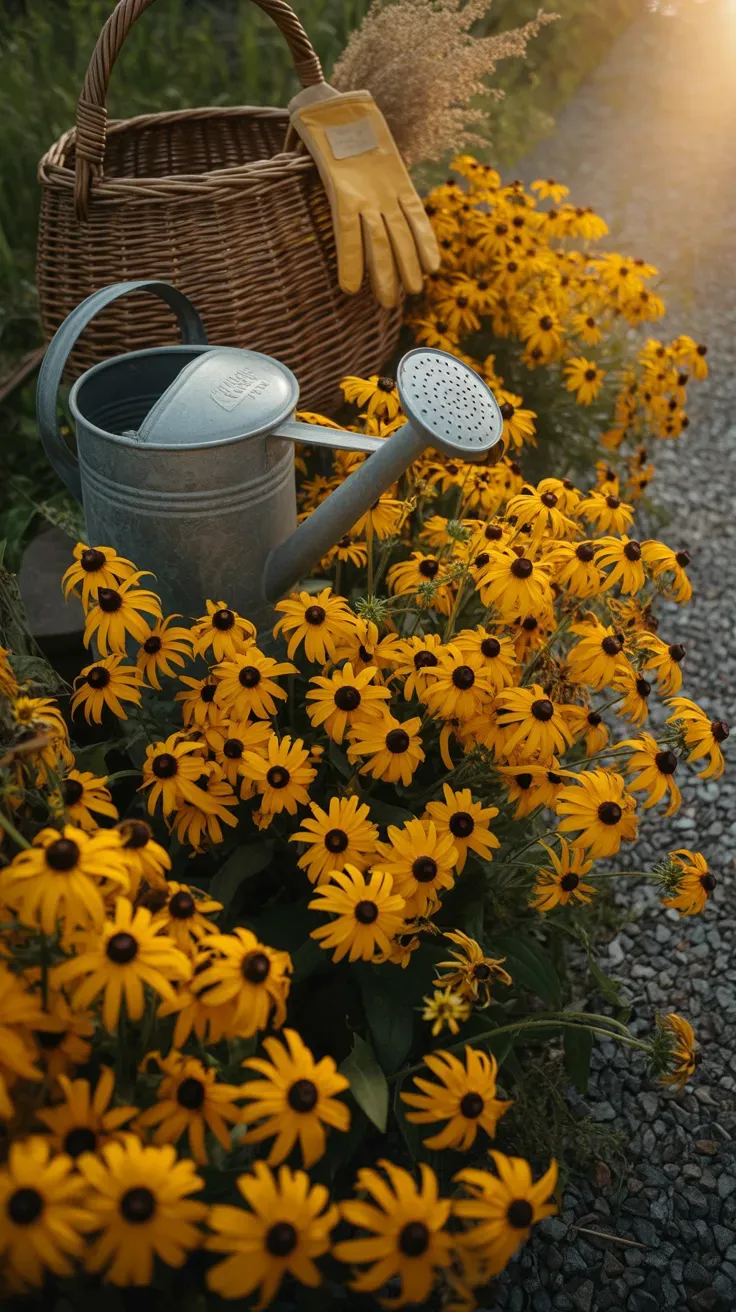
This cheerful yellow daisy is often the first perennial I recommend to anyone who’s never grown anything before, because it genuinely refuses to die.
Plant in full sun with average, well-drained soil — no amendments needed. It blooms from midsummer through the first frost and self-seeds generously, so one packet can fill a bed within two years. The only real mistake people make is overwatering; soggy roots are the one thing that stresses this plant.
Pro Tip: Leave the spent seed heads standing through winter — goldfinches feed on them, and it self-sows better than if you deadhead everything.
See our full perennial border planning guide for pairing ideas. The Missouri Botanical Garden has detailed cultivar comparisons if you want variety options.
This one earns its reputation as the easiest perennial in American gardens.
Coneflower (Echinacea purpurea)
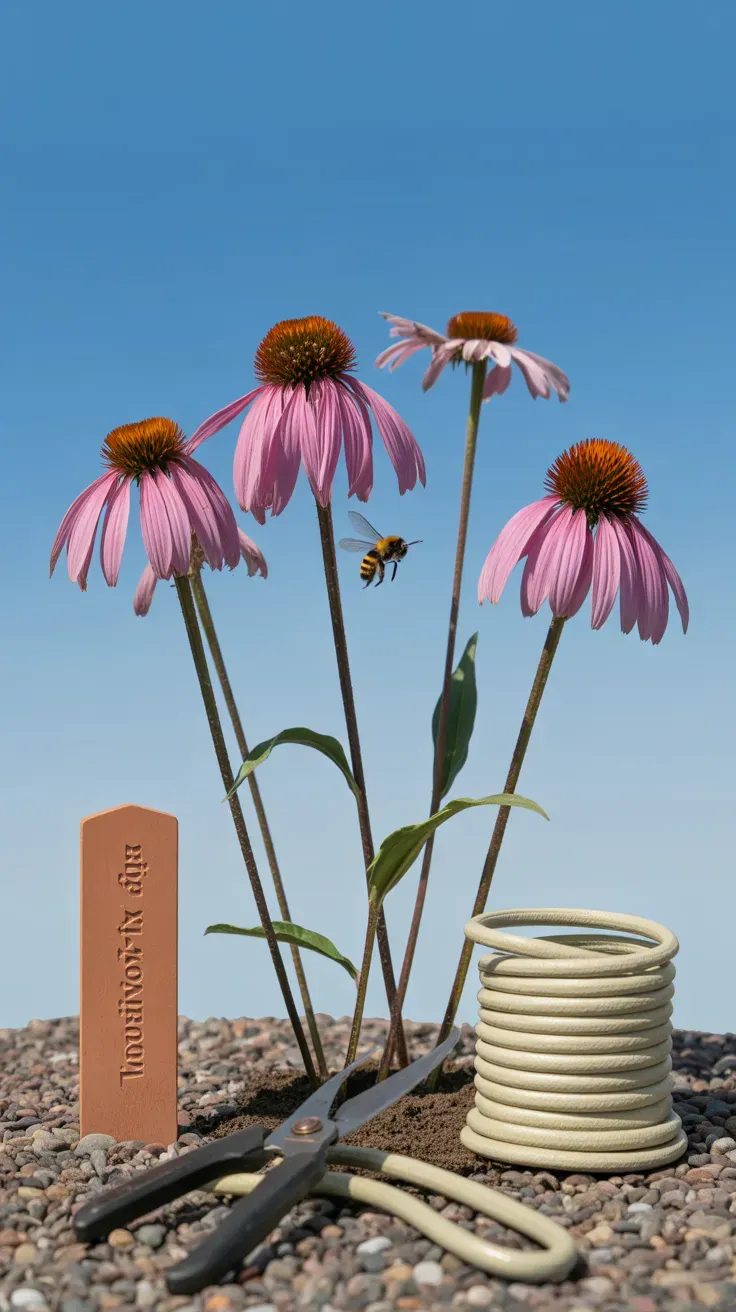
Coneflower is the backbone of a low-water pollinator garden, and its deep taproot is what makes it so drought-resistant once established.
It wants full sun and tolerates poor, rocky soil better than rich beds — I actually got fewer flowers the year I fed mine compost. Water deeply but infrequently the first season, then largely ignore it. Divide only if the center starts looking bare, usually after four or five years.
- Thrives in USDA zones 3–9
- Attracts monarch butterflies and native bees
- Deer generally avoid it once mature
Pair it with our drought-tolerant garden design ideas. For species variations, the RHS plant database is a solid reference.
Few perennials give this much bloom for this little effort.
Daylily (Hemerocallis)
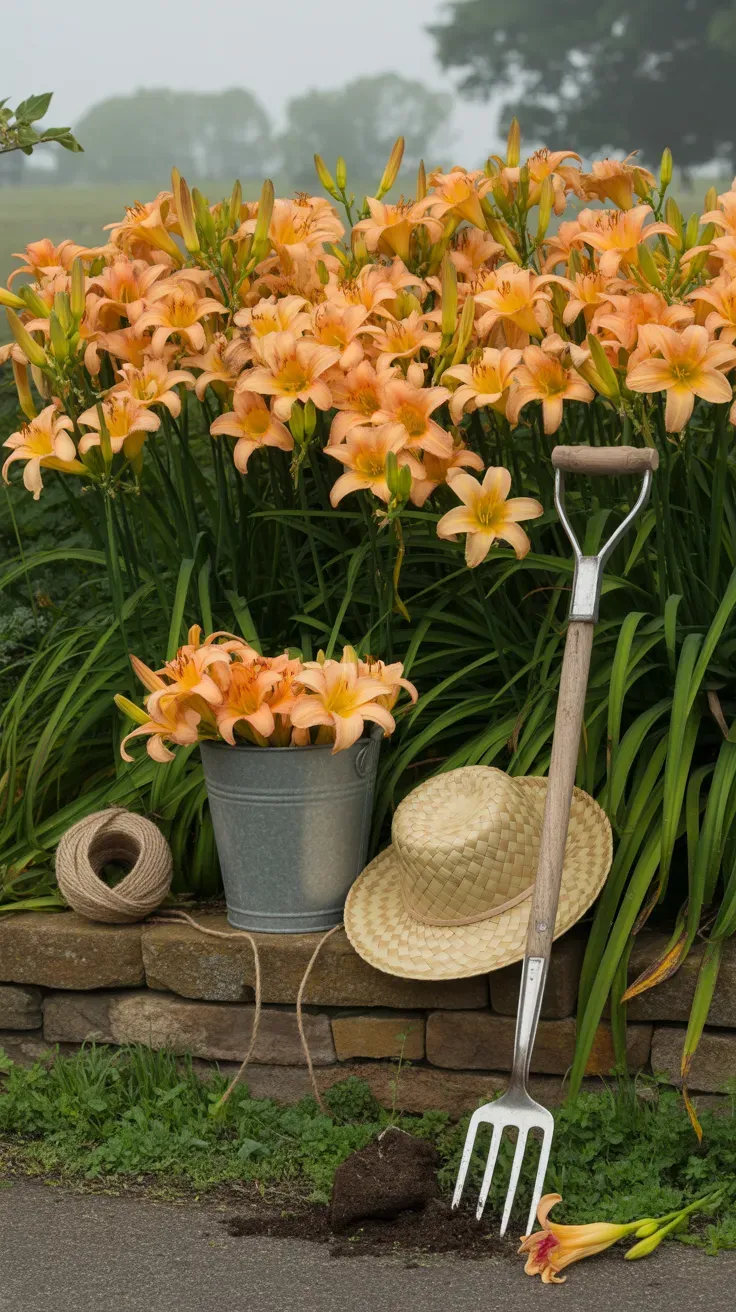
Daylilies are practically maintenance-proof — I’ve seen them thrive in ditches with zero care, which tells you everything about their tolerance for neglect.
They handle full sun to light shade and almost any soil type, including clay. Each flower lasts one day, but a mature clump produces dozens of buds per stem, so bloom continuity isn’t an issue. Cut back foliage in late fall once it yellows, and that’s essentially the entire maintenance routine.
Pro Tip: Divide clumps every 3–4 years in early spring — overcrowded roots reduce bloom count noticeably by year five.
Browse our best daylily varieties for beginners. The University of Florida Extension covers regional bloom timing well.
It’s hard to find a perennial with a better effort-to-reward ratio.
Russian Sage (Perovskia atriplicifolia)
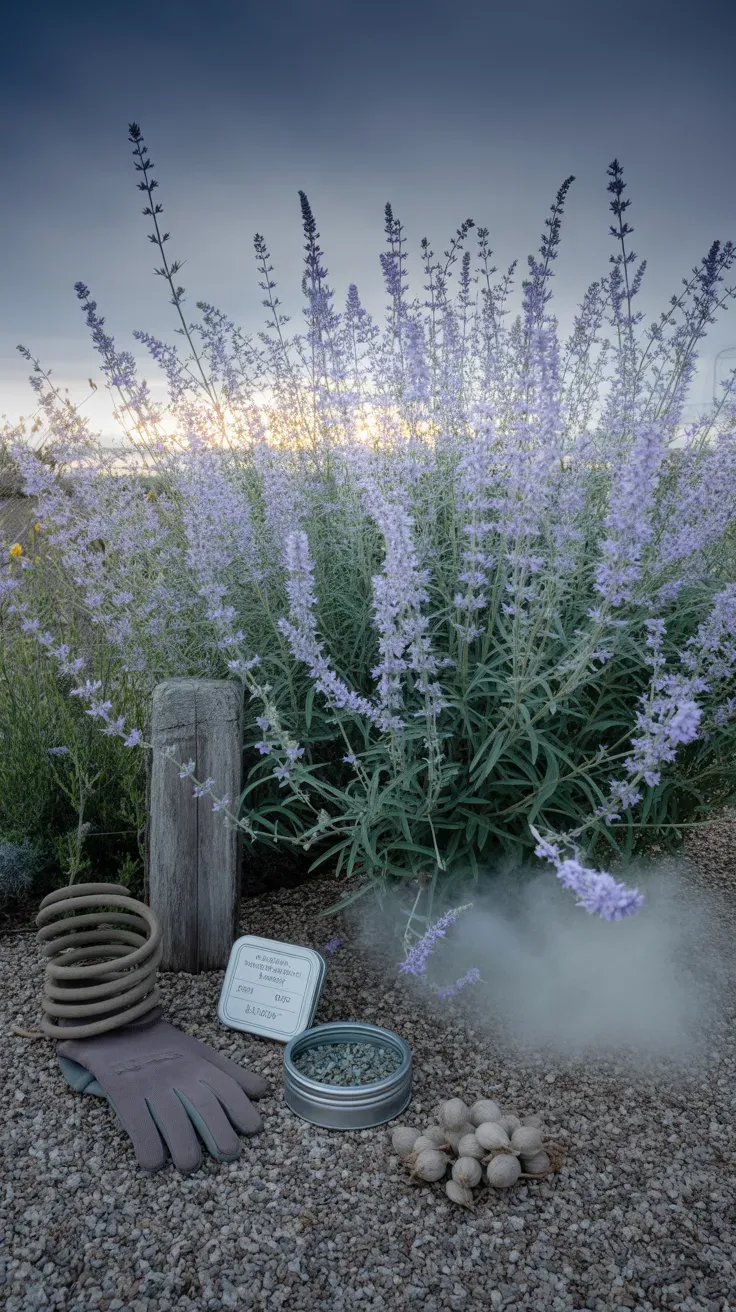
The silvery, airy texture of Russian Sage makes it one of the few perennials that looks good even when nothing else is blooming.
It needs full sun and, critically, sharp drainage — this is a plant that actually prefers being slightly starved. Once roots establish after the first summer, it needs no supplemental watering except in true drought. Cut it back hard to about 6 inches in early spring; that’s the only pruning it ever requires.
Full care details live in our xeriscaping with perennials guide. The Gardener’s World team has good notes on winter hardiness by zone.
Its long bloom window and deer resistance make it a genuine workhorse.
Sedum ‘Autumn Joy’ (Hylotelephium ‘Herbstfreude’)
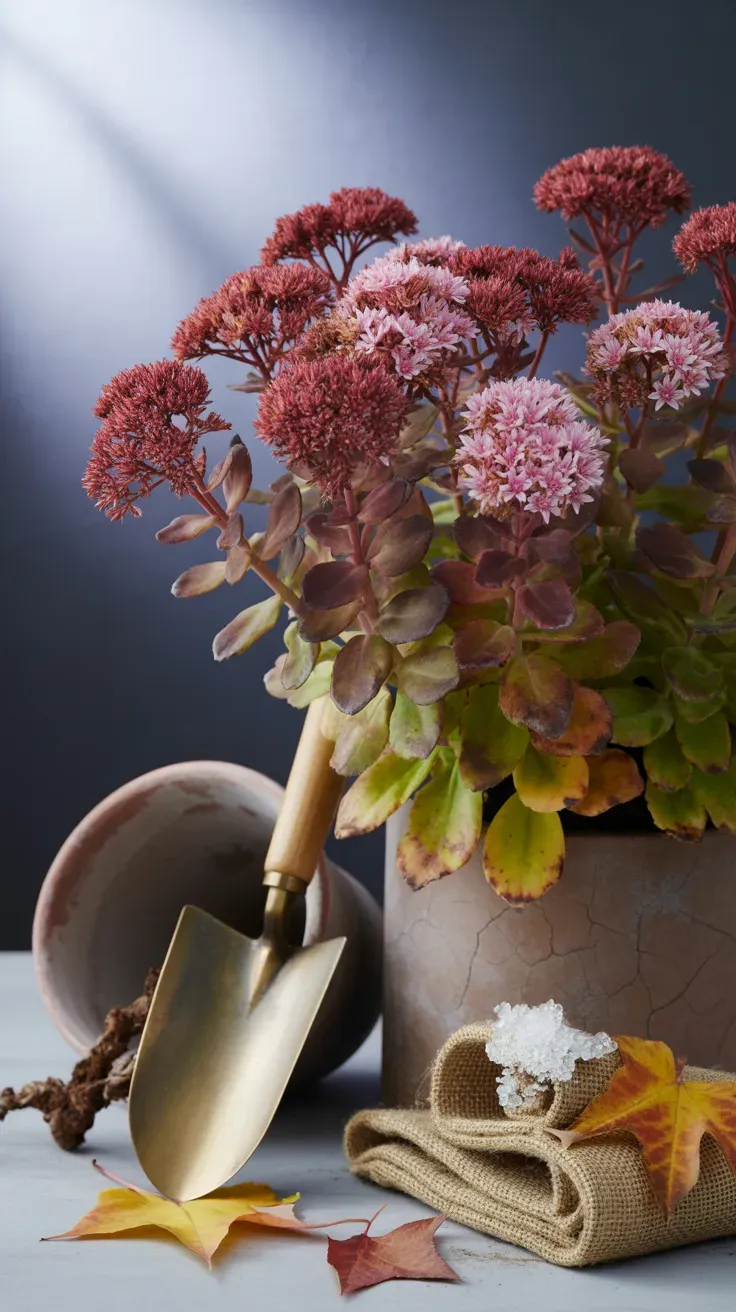
Few plants tolerate as much abuse as this sedum — I’ve grown it in gravel with almost no soil and it still bloomed reliably in September.
Full sun and lean, well-drained soil are all it asks for. Its succulent leaves store water, which is exactly why overwatering (not underwatering) is the real risk here. Flower heads shift from pale green to dusty pink to rust over the season, adding structure well into winter.
Pro Tip: Don’t cut the dried flower heads down in fall — they hold up beautifully under frost and add real winter interest.
Check our succulent perennial pairing ideas. The Missouri Botanical Garden has propagation notes if you want to divide it.
It’s essentially a perennial that thrives on being ignored.
Catmint (Nepeta faassenii)
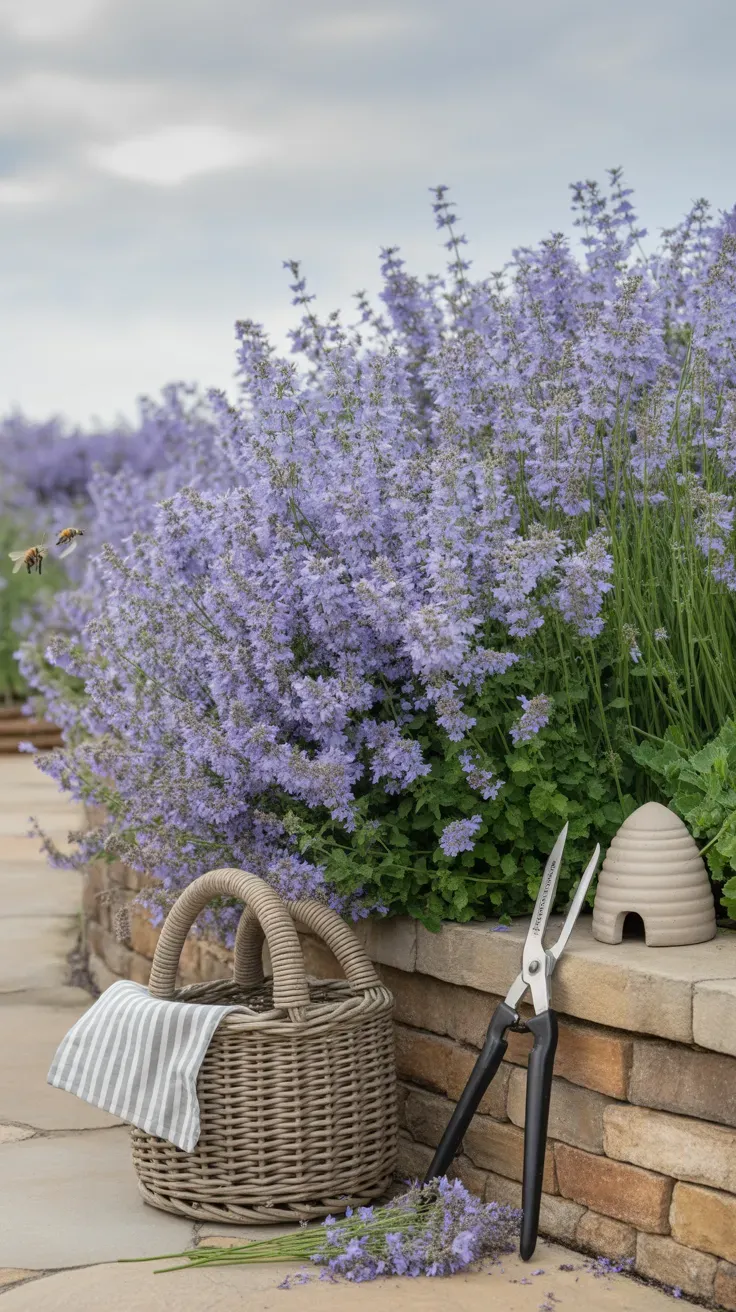
Catmint is the plant I recommend to anyone who wants instant, sprawling color without touching a hose more than twice a month.
It grows in full sun and average soil, blooming lavender-blue from late spring through fall if you shear it back once mid-season. That single haircut, done with hedge shears in about five minutes, triggers a full second flush. Cats may roll in it, so plant it where a little trampling won’t bother you.
- Blooms 4–6 months per season
- Extremely deer and rabbit resistant
- Tolerates poor, rocky soil well
More combinations in our cottage garden border ideas. The Penn State Extension covers regional shearing timing.
Almost nothing beats catmint for pure bloom-per-effort value.
Yarrow (Achillea millefolium)
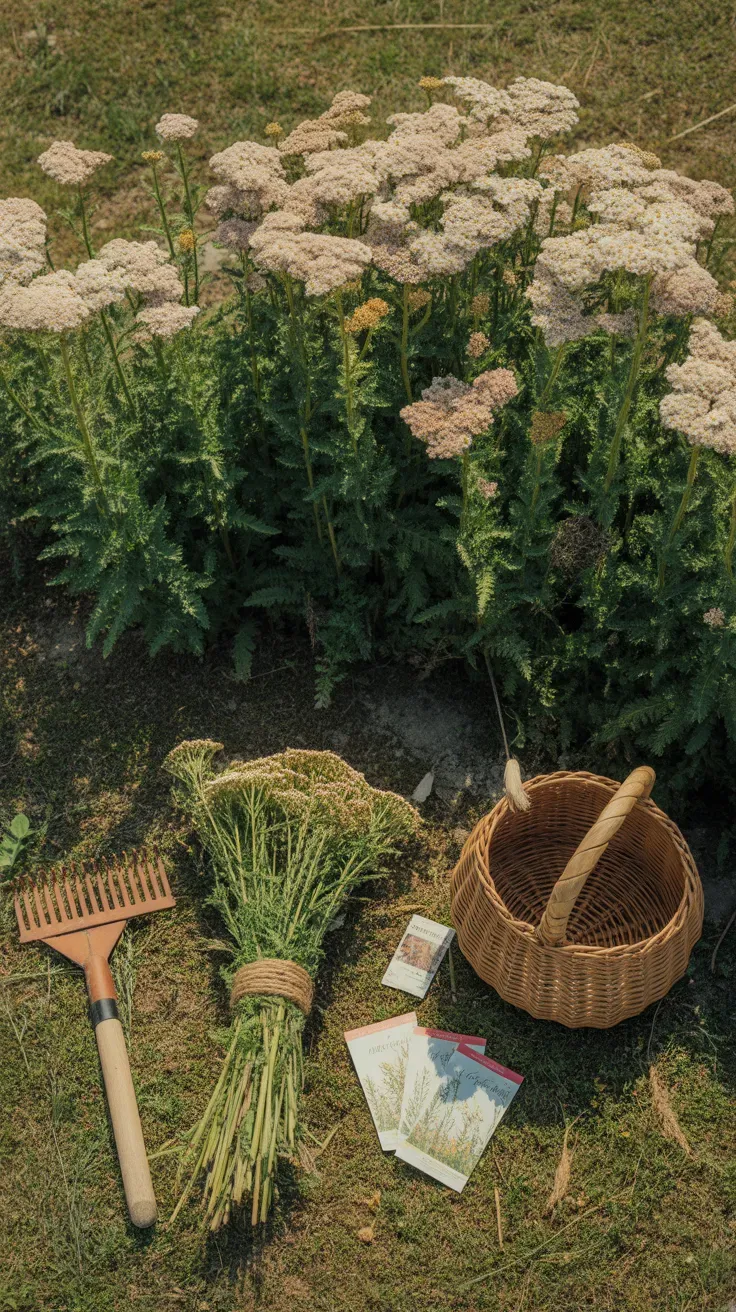
Yarrow’s flat flower clusters are a magnet for beneficial insects, and its ferny foliage stays attractive even between bloom cycles.
It genuinely prefers poor, dry soil in full sun — rich beds actually cause it to flop over and need staking, which defeats the whole point. Water only during establishment. Once mature, it survives on rainfall alone in most climates and spreads gently by rhizome, filling gaps without becoming invasive.
Pro Tip: Skip the fertilizer entirely — lean soil produces sturdier stems and better color than fed plants.
See our pollinator-friendly perennial list. The Almanac has good notes on companion planting with yarrow.
Its toughness makes it ideal for the neglected corners of any yard.
Hosta
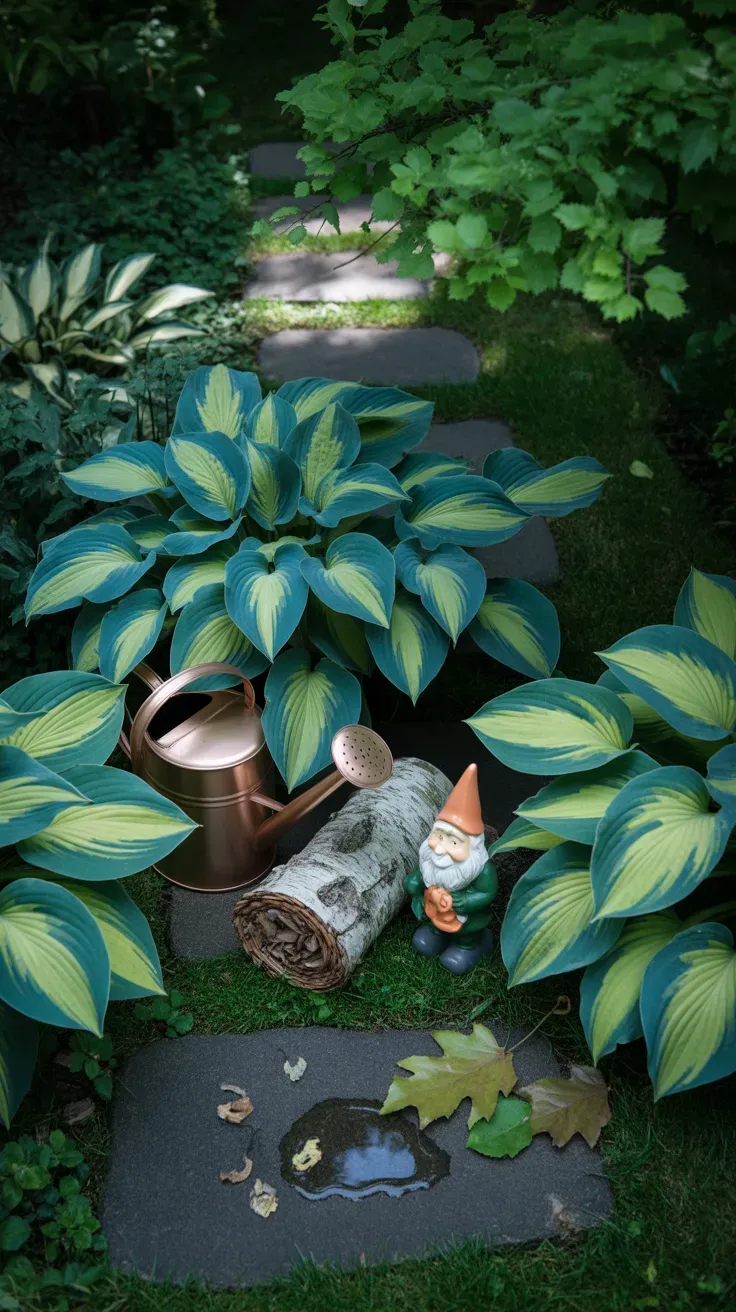
Hosta remains the default answer for shady beds because almost nothing else offers this much leaf texture and color variation with so little upkeep.
Plant in part to full shade with consistently moist, well-drained soil. The main threat isn’t neglect — it’s slugs, which chew visible holes in the leaves by midsummer. A ring of coarse mulch or diatomaceous earth around the base solves this without chemicals. Otherwise, hostas are essentially set-and-forget.
Explore our shade garden layout ideas. The University of Florida Extension has slug-control comparisons worth reading.
For deep shade with dramatic foliage, nothing else comes close.
Lavender (Lavandula angustifolia)
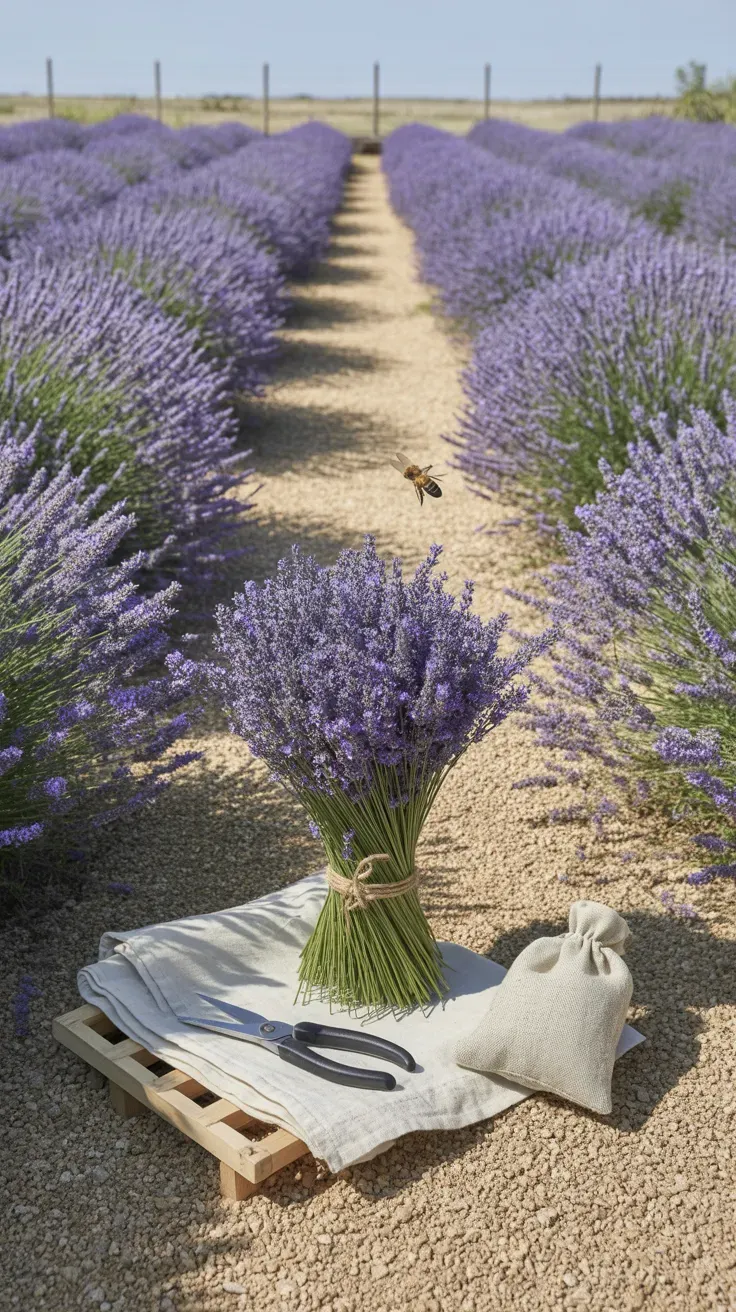
Lavender rewards you with fragrance and pollinator activity for months, but it’s the one plant on this list where drainage genuinely makes or breaks success.
Full sun and gritty, alkaline-leaning soil are non-negotiable — I lost my first lavender plant entirely to a heavy clay bed before switching to a raised, sandy mound. Water sparingly once established. Prune lightly after the first bloom flush to keep the woody base compact and productive for years.
Pro Tip: Never cut into old brown wood — lavender rarely regrows from it, so always leave a few inches of green growth when pruning.
More on soil prep in our Mediterranean herb garden guide. BHG has solid regional variety recommendations.
Get the drainage right, and lavender becomes remarkably self-sufficient.
Peony (Paeonia)
A well-placed peony can outlive the gardener who planted it — some specimens bloom reliably for over 50 years with almost no intervention.
Full sun and rich, well-drained soil suit it best, but the real key is planting depth: eyes should sit no more than 2 inches below soil level, or bloom will suffer for years. Stake floppy varieties once in spring and otherwise leave it alone.
- Blooms heaviest in year three after planting
- Ant activity on buds is harmless, not a pest problem
- Foliage stays attractive well after flowering ends
Full planting depth diagrams are in our peony planting guide. The RHS covers division timing in detail.
Get the depth right once, and peonies need almost nothing after that.
Shasta Daisy (Leucanthemum × superbum)
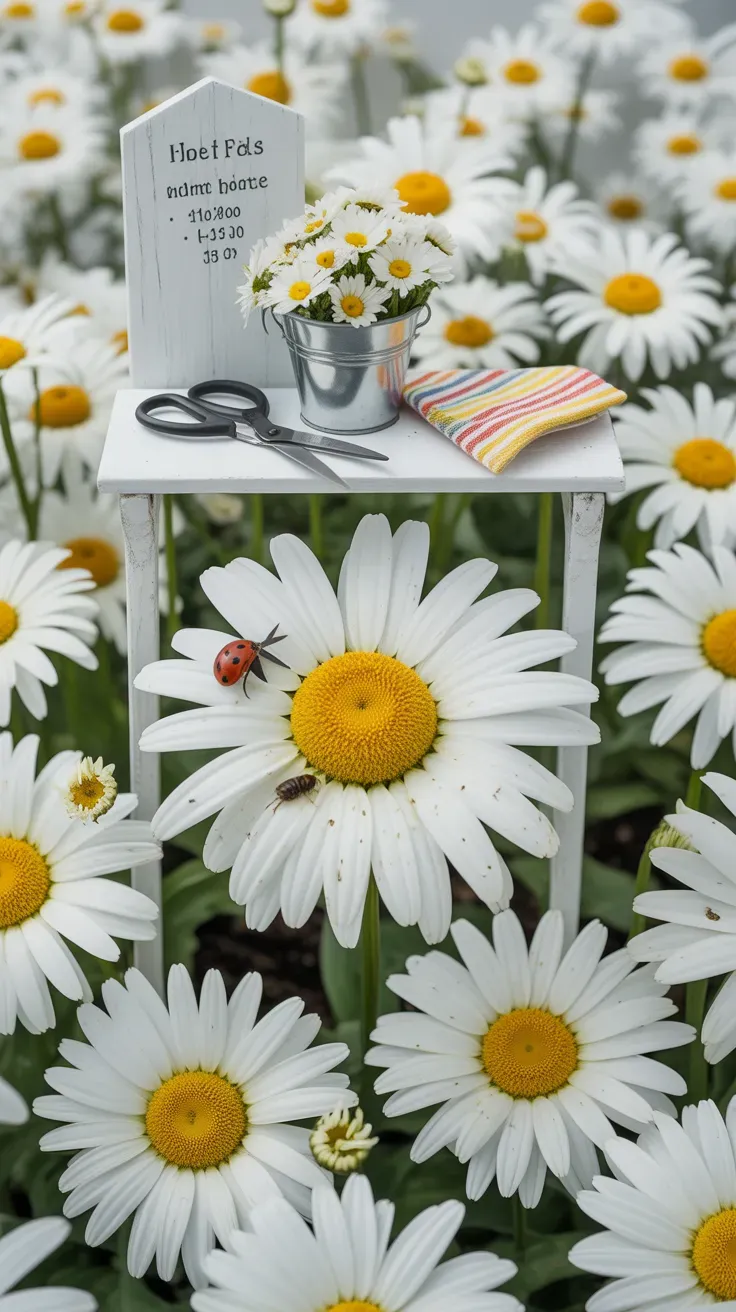
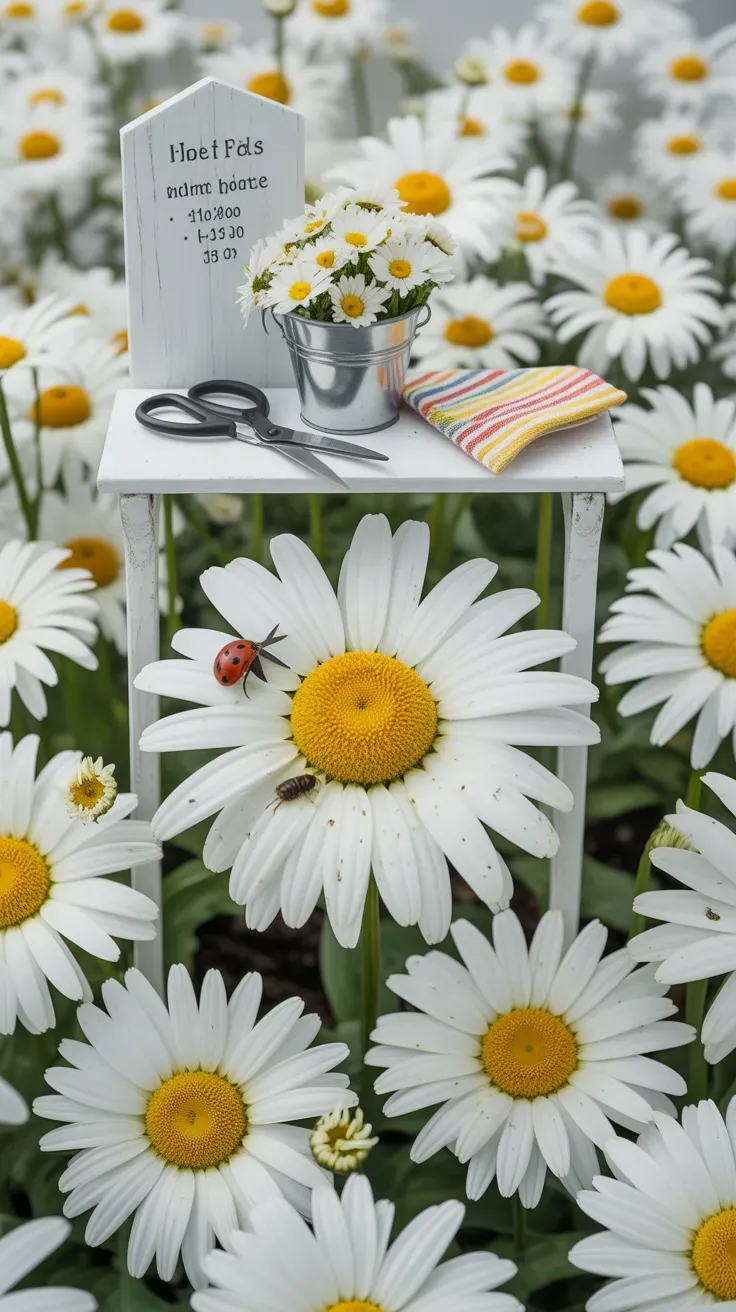
The classic white-and-yellow daisy look comes with surprisingly little maintenance once you understand its one real requirement: drainage.
Full sun and well-drained soil are essential — standing water in winter is the most common cause of loss. Deadhead spent blooms to extend flowering through late summer, though even without deadheading it performs reliably. Divide every two to three years to keep the center from thinning out.
Pro Tip: Plant in slightly raised beds if your soil holds water in winter — it solves nearly every Shasta Daisy failure I’ve seen.
Browse our white garden design ideas. Gardener’s World has good notes on cold-hardy cultivars.
It’s an old-fashioned favorite that still earns its spot in a low-effort border.
Feather Reed Grass (Calamagrostis ‘Karl Foerster’)
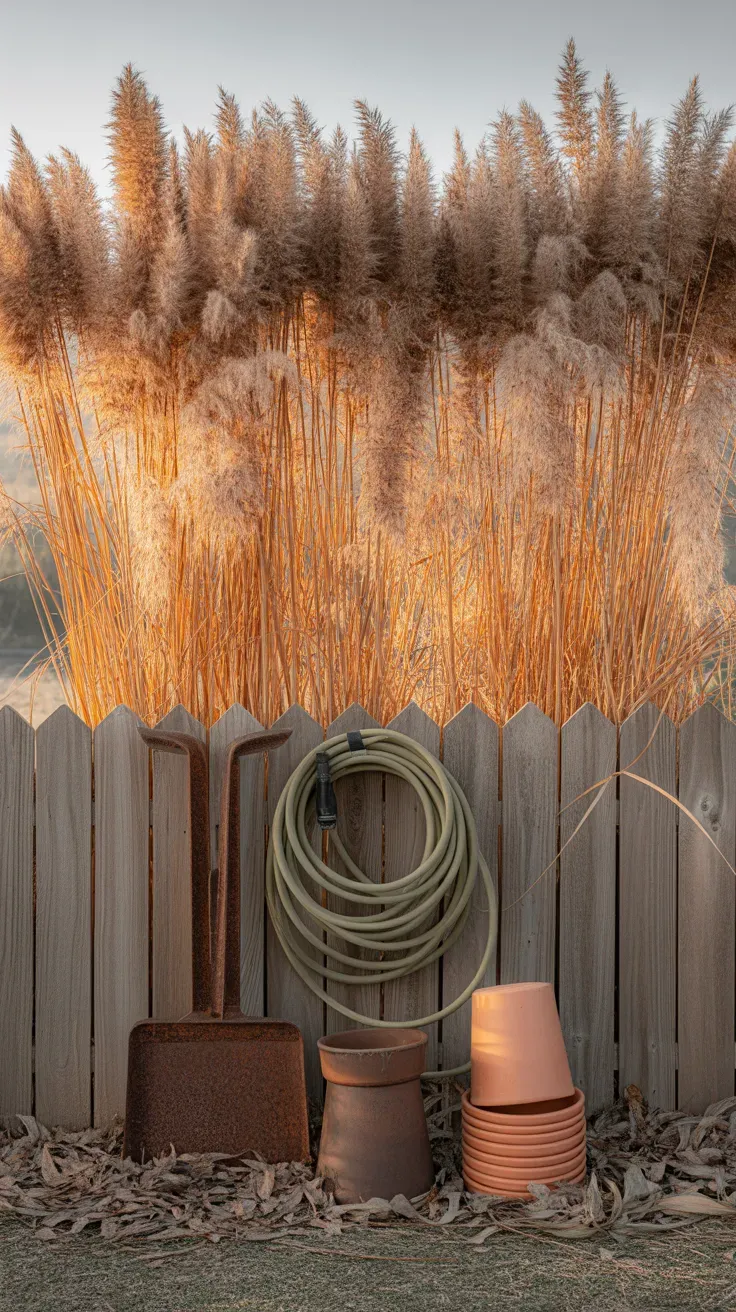
This upright ornamental grass adds vertical structure to a border without a single pest or disease issue to worry about.
It tolerates full sun to light shade and a wide range of soils, including clay that frustrates other perennials. Cut it back to about 4 inches in late winter before new growth starts — that’s the entire yearly maintenance task. It stays perfectly upright even in wind and rain, unlike many looser grass varieties.
More structural pairing ideas in our ornamental grass border guide. The Missouri Botanical Garden has cultivar comparisons for grass height.
For year-round texture with almost zero effort, this grass is hard to beat.
Coreopsis (Coreopsis verticillata)
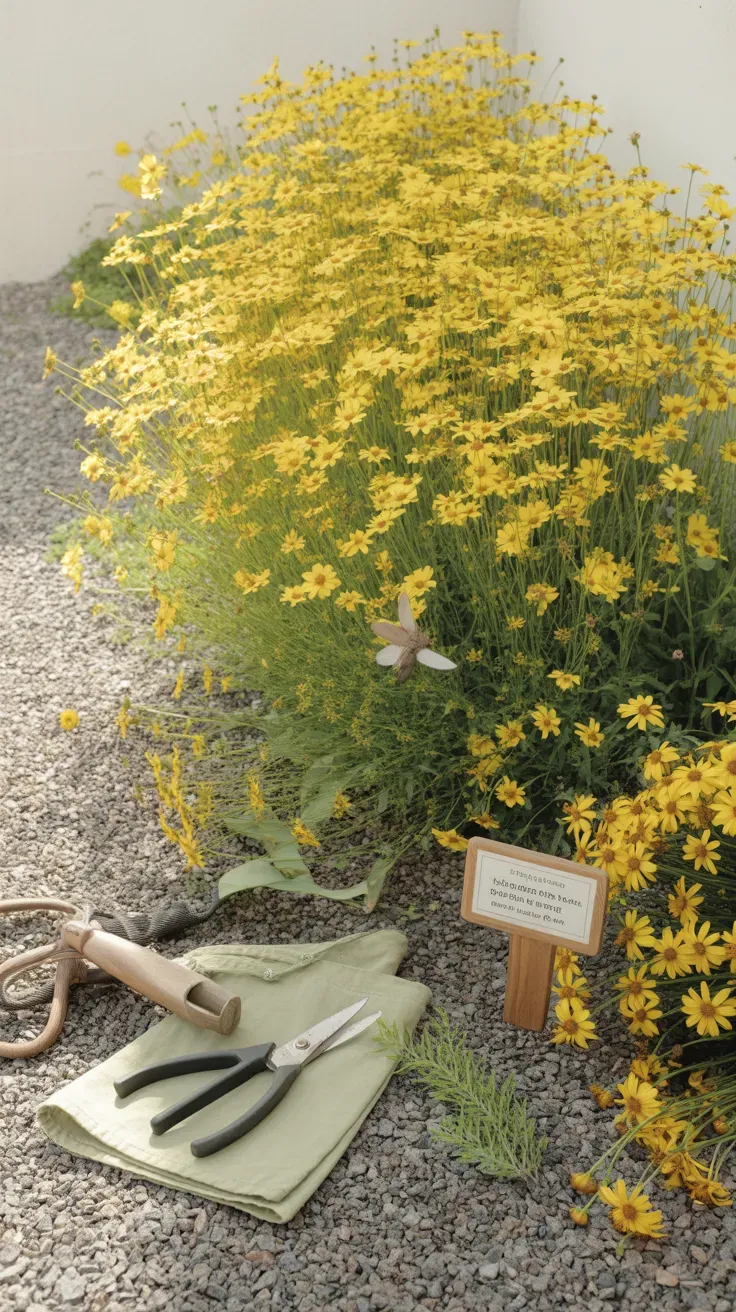
Threadleaf coreopsis produces a haze of small yellow flowers for months, and it does so in soil most other perennials would consider too poor.
Full sun and lean, well-drained soil keep it compact and floriferous — rich soil tends to make it leggy and floppy instead. It needs no deadheading to keep blooming, though shearing it back by a third in midsummer triggers a strong second flush.
Pro Tip: Resist the urge to fertilize — coreopsis blooms best when slightly stressed, which is unusual among perennials.
See our long-blooming perennial roundup. The Almanac has useful notes on regional bloom windows.
It’s one of the longest-blooming perennials you can plant and forget.
Bee Balm (Monarda didyma)
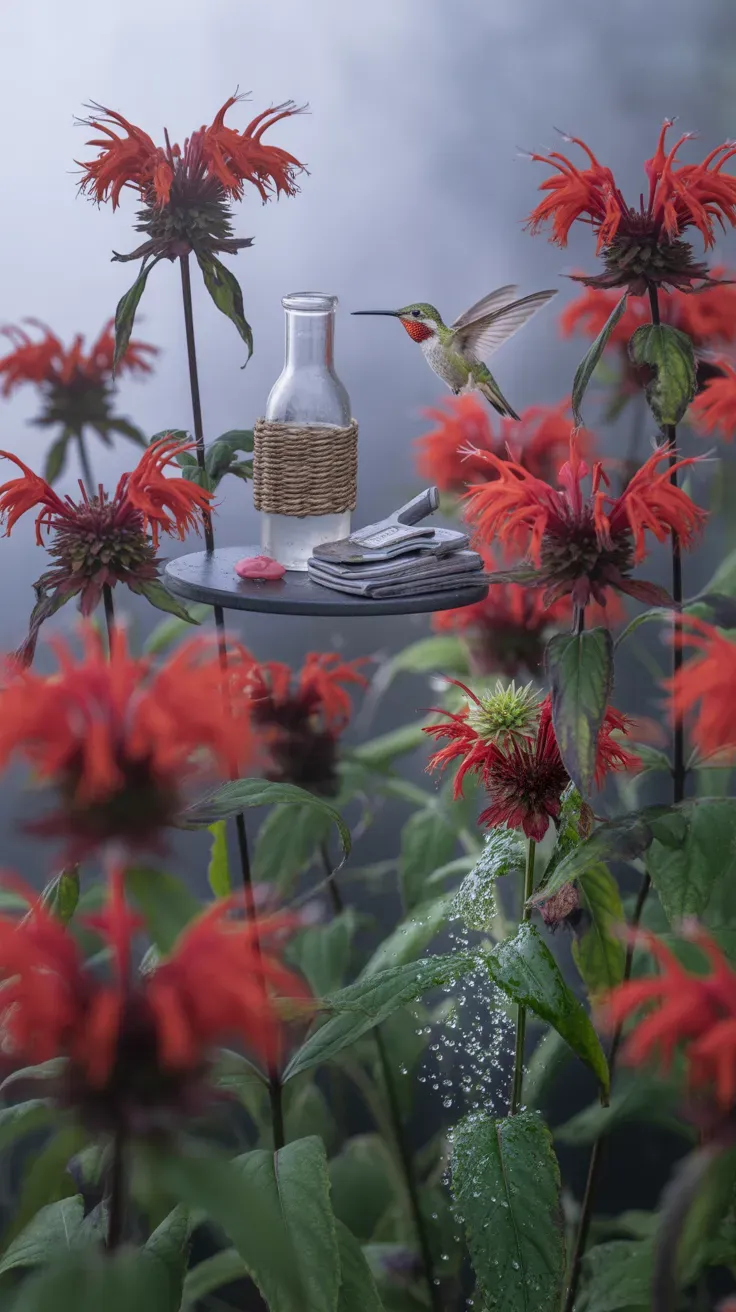
Bee balm draws hummingbirds like almost nothing else in a perennial bed, and its bold, shaggy flowers hold up well even in humid climates.
It handles full sun to part shade and prefers evenly moist soil — this is the one plant here that needs more consistent watering than most on this list. Powdery mildew can appear in still, humid air, so give it good airflow by thinning stems in spring.
- Spreads by rhizome, so divide every 2–3 years
- Deer and rabbits generally leave it alone
- Edible flowers work well in teas and garnishes
More on companion spacing in our pollinator garden layout guide. Penn State Extension covers mildew-resistant cultivars.
Give it airflow and moisture, and bee balm rewards you generously.
Sea Thrift (Armeria maritima)
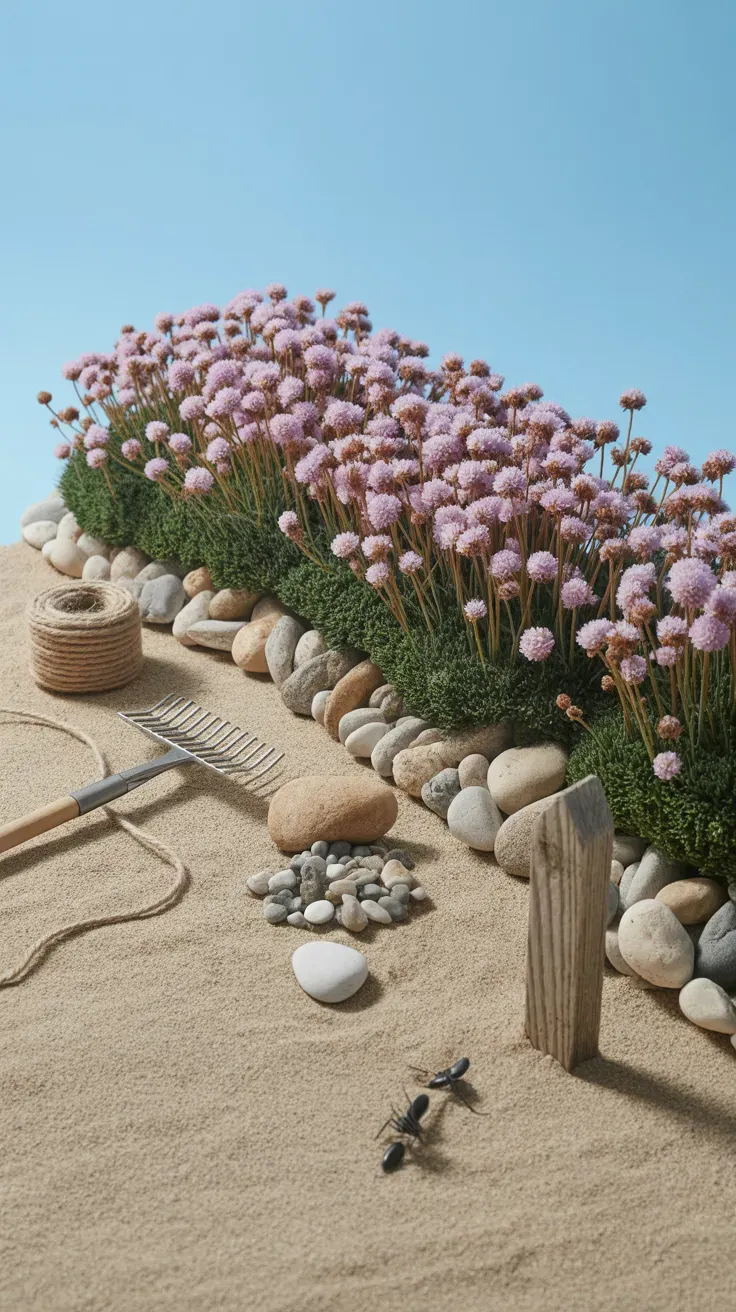
This tidy, grass-like perennial forms neat mounds topped with pink pompom blooms, and it’s practically bulletproof in poor, sandy soil.
Full sun and sharp drainage are all it needs — it actually struggles in rich garden soil far more than in rocky or coastal conditions. No fertilizing, no staking, and minimal watering once established. It also makes an excellent edging plant since it stays compact without spreading aggressively.
Pro Tip: Trim spent blooms after the first flush and you’ll often get a light rebloom in early fall.
Explore our rock garden perennial ideas. The RHS has good notes on coastal garden use.
For border edges that need almost no care, sea thrift is an easy win.
Lamb’s Ear (Stachys byzantina)
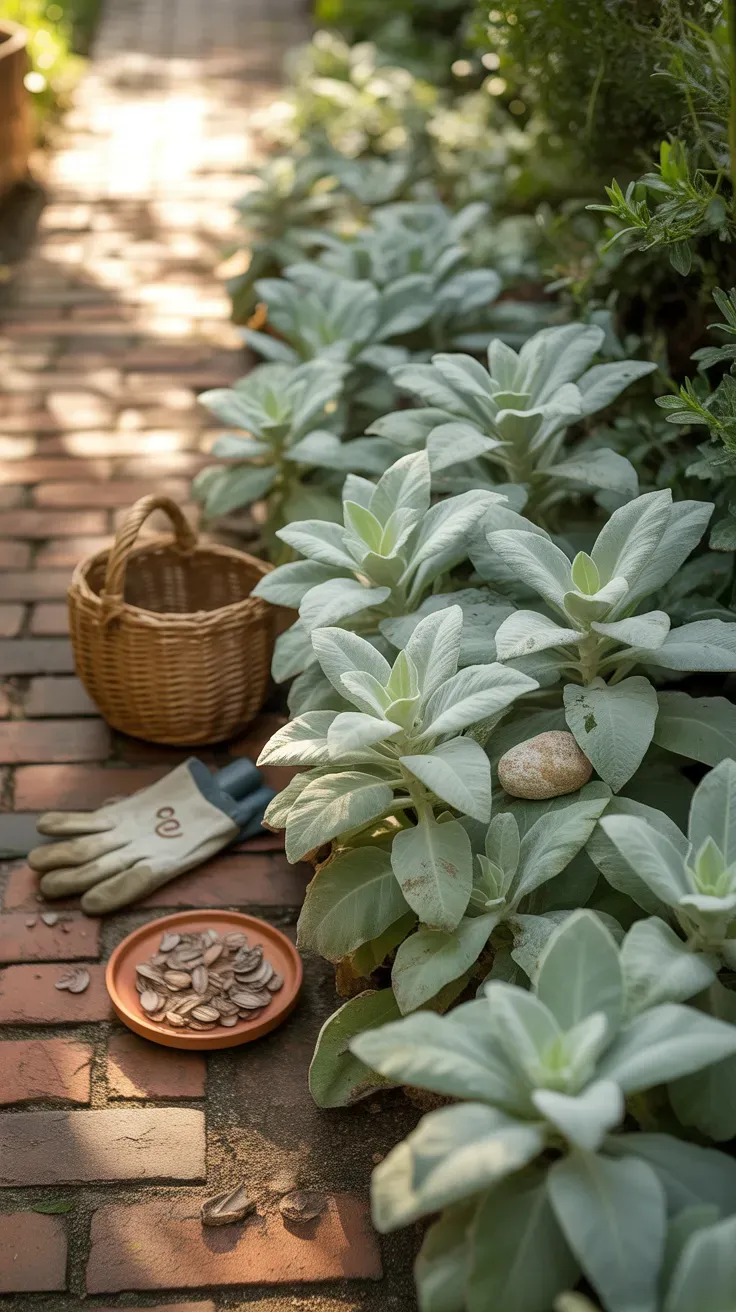
The soft, silvery foliage of lamb’s ear is a texture win in any border, and it asks for almost nothing in return.
Full sun and well-drained soil keep it happiest — in fact, too much water or shade causes the fuzzy leaves to rot and blacken. It spreads readily to fill bare patches, which makes it a great low-effort ground cover along path edges. Trim back tattered foliage in early spring and that’s the whole routine.
See more texture-focused pairings in our silver foliage garden guide. SF Gate Home Guide has solid notes on regional heat tolerance.
It’s one of the easiest textural perennials for a sunny, dry bed.
Astilbe
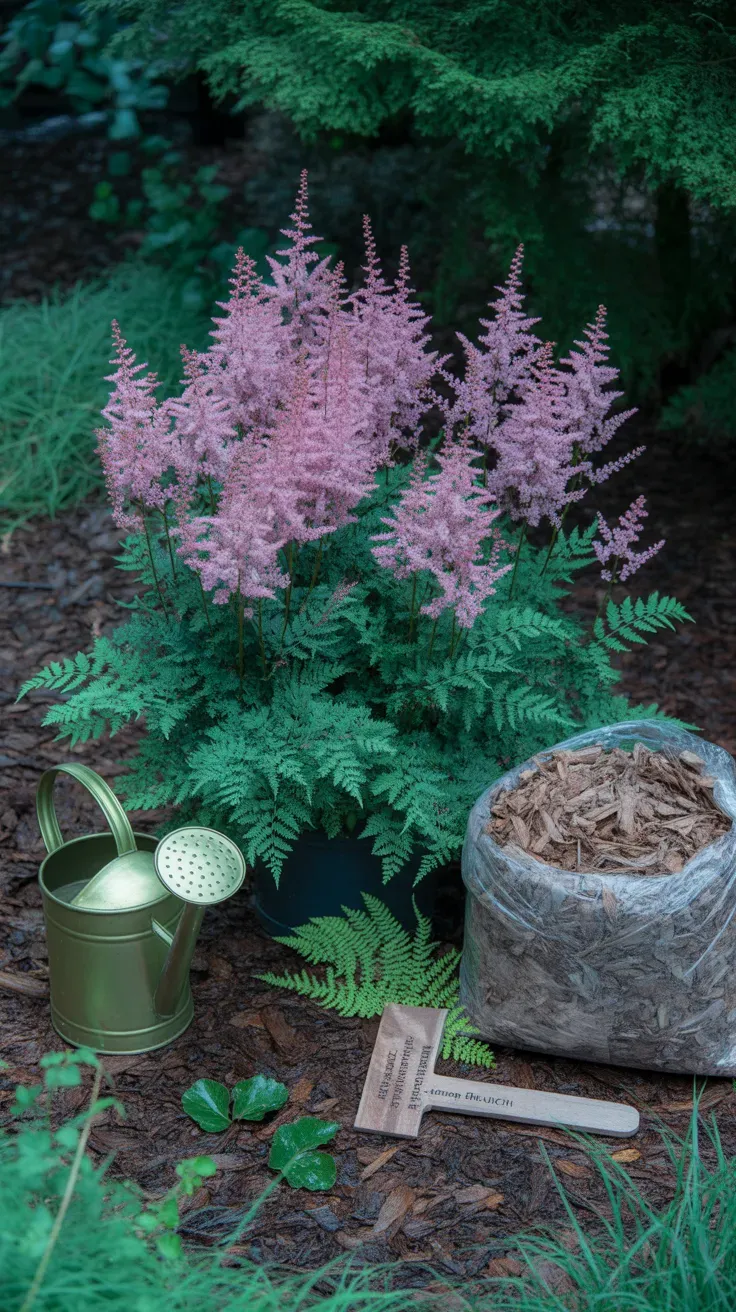
Astilbe brings feathery plume-shaped blooms to shade gardens that otherwise lean heavily on foliage alone, and it does so with minimal intervention.
Part to full shade and consistently moist, humus-rich soil suit it best — this is one of the few shade perennials that actually wants regular water, especially in its first year. Mulch heavily to retain moisture and suppress weeds. Divide every three to four years once the center starts to thin.
Pro Tip: Add a two-inch layer of shredded bark mulch each spring — it does double duty retaining moisture and feeding the soil as it breaks down.
Browse our shade perennial color guide. The Missouri Botanical Garden covers cultivar bloom-color options in depth.
For color in a shady, moist bed, astilbe is hard to beat.
Creeping Phlox (Phlox subulata)
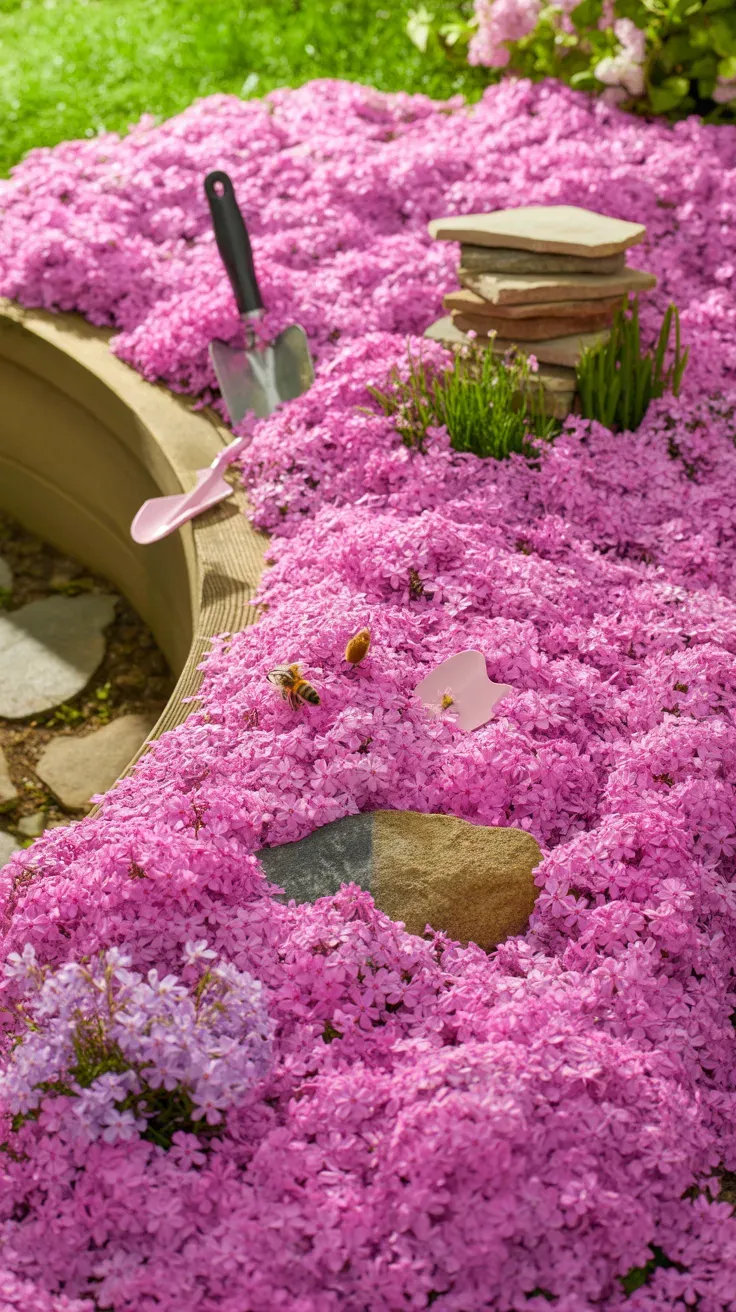
This low, mat-forming perennial explodes into a carpet of pink, purple, or white blooms each spring, and it needs almost no care the rest of the year.
Full sun and well-drained soil, including rocky or slope conditions, suit it perfectly — it’s a favorite for erosion control on banks for this reason. Shear lightly after blooming to keep it dense, though skipping this step won’t hurt the plant much.
- Excellent for slopes and rock walls
- Evergreen-ish foliage in mild winters
- Spreads without becoming invasive
More slope-planting ideas in our ground cover perennial guide. BHG has good spacing recommendations for full coverage.
For a low-effort spring show, creeping phlox is tough to top.
Getting Started With Low-Maintenance Perennials
The easiest first step is picking two or three species suited to your actual light conditions, not the ones that look best in photos — a shade-loving astilbe planted in full sun will struggle no matter how little care you give it otherwise. The most common beginner mistake is overwatering; most of these perennials fail from soggy roots, not neglect.
Buy one bag of compost for planting holes and a simple hand trowel — that’s genuinely all the gear this project requires. Skip elaborate soil amendments unless your plant tag specifically calls for them.
Expect modest growth the first year while roots establish, a noticeably fuller display by year two, and full, mature blooms by year three. That patience is the real secret behind every thriving low-maintenance perennial bed.
Frequently Asked Questions
What are the easiest low-maintenance perennials for beginners?
Black-Eyed Susan, Sedum ‘Autumn Joy,’ and Catmint are the most forgiving choices for beginners. All three tolerate poor soil, infrequent watering, and minimal pruning. They also recover quickly from occasional neglect or a missed watering week.
Do low-maintenance perennials still need watering?
Yes, but only during their first growing season while roots establish, typically 6–8 weeks of regular watering after planting. After that, most listed here survive on rainfall alone except in extended drought.
Which low-maintenance perennials work best in shade?
Hosta and Astilbe are the top picks for shaded beds, both tolerating part to full shade with minimal upkeep. Hosta needs slug protection, while Astilbe needs slightly more consistent moisture than most shade plants.
How often do low-maintenance perennials need dividing?
Most need dividing only every 3–4 years, usually signaled by a bare or thinning center. Daylilies, Shasta Daisies, and Astilbe all follow this rough timeline in average conditions.
Are low-maintenance perennials safe for pets?
Not all of them — Daylily, Catmint, and Peony are toxic to cats or dogs if ingested. Pet-safe options on this list include Coneflower, Yarrow, Sedum, and Creeping Phlox.
A Few Final Thoughts
Building a genuinely low-maintenance perennial garden isn’t about finding plants that need zero care — it’s about matching the right species to your actual light, soil, and watering habits from the start. Once you get that match right, these 18 perennials reward you with years of color for a fraction of the effort annuals demand. Start small, pick two or three that fit your existing conditions, and let the bed fill in naturally over the next few seasons. A drought-tolerant, pollinator-friendly mix like this one can quietly transform a yard without ever feeling like a chore. Give it one full growing season, and you’ll likely find yourself adding more from this list next spring.