
SEO Title Tag: When to Plant Coneflowers for Best Results (44 characters)
Meta Description: Learn exactly when to plant coneflowers for strong roots and bigger blooms, plus spring vs. fall timing tips. Get your timing right this season.
URL Slug: /when-to-plant-coneflowers
Featured Image Alt Text: Purple coneflowers blooming in a sunny garden bed in early summer
Plant coneflowers at the wrong time and you’ll spend a whole season wondering why they’re stunted, leggy, or slow to bloom, when the real issue was just bad timing. Coneflowers (Echinacea purpurea) are forgiving plants once established, but that establishment period depends almost entirely on when you get them in the ground. Get the timing right, and you’ll have a coneflower that shrugs off drought, comes back bigger every year, and blooms for months without babying. Get it wrong, and even a healthy nursery plant can struggle through its first winter. Here’s exactly how it’s done.
Quick Answer: The best time to plant coneflowers is in early fall (6–8 weeks before your first frost) or early spring after the last frost, once soil temperatures reach at least 60°F (16°C). Fall planting generally produces stronger root systems and earlier blooms the following summer, while spring planting is safer in colder Zone 3–4 climates.
Why Coneflower Planting Timing Is Worth Your Time
Coneflowers are one of the most drought-tolerant, low-maintenance perennials available, but only after their root system has had a full season to establish. Planting at the right time gives that taproot the head start it needs before the plant has to survive summer heat or winter cold on its own.
In practice, coneflowers planted at the wrong time of year — say, mid-July in full heat — often survive but sulk, producing few or no blooms their first year and sometimes not returning the following spring at all.
A lesser-known fact: fall-planted coneflowers frequently outperform spring-planted ones by their second summer, since the cooler fall soil lets roots grow steadily without the stress of supporting top growth and flowers at the same time.
This matters most for gardeners in Zones 3–9 working with pollinator gardens, cutting gardens, or dry, sunny beds where coneflowers are meant to be a long-term, low-water perennial rather than a one-season annual.
At a Glance
| Detail | Info |
| Best Planting Windows | Early fall (6–8 wks pre-frost) or early spring |
| Ideal Soil Temp | 60°F (16°C) or warmer |
| Time to Establish | 1 full growing season |
| Difficulty | Easy |
| Tools Needed | Trowel, compost, mulch |
Fall Planting: The Preferred Window in Most Zones

For most gardeners in Zones 4–8, fall is the single best time to plant coneflowers, giving roots a full season to establish before summer heat arrives.
Aim for 6–8 weeks before your area’s average first frost date, which gives roots enough time to settle into the surrounding soil while temperatures are still warm enough to support growth. Water deeply at planting, then continue watering weekly until the ground freezes, backing off once the plant goes dormant.
Pro Tip: Skip fertilizer entirely at fall planting — pushing new leafy growth right before winter makes coneflowers more vulnerable to frost damage than if you’d left them to focus purely on root development.
Read more on seasonal perennial timing at Greenbotanicalgarden.com, and see regional frost-date guidance from Almanac. Plants set in fall typically reward you with fuller blooms by their very first summer.
Spring Planting: The Safer Choice in Cold Climates
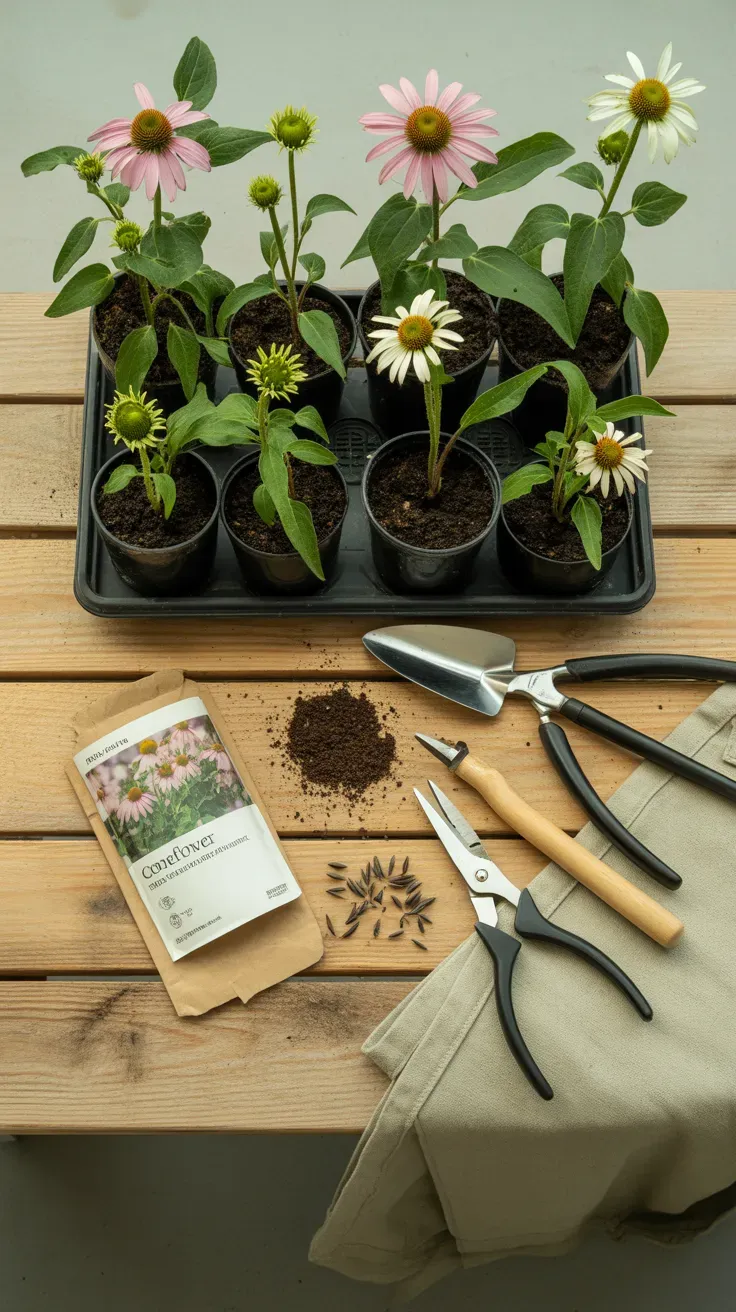
In colder Zone 3–4 climates, spring planting is the more reliable option, since young roots planted in fall may not establish enough before a hard winter arrives.
Wait until soil temperatures reach at least 60°F (16°C), usually 2–3 weeks after your last expected frost, and check with a simple soil thermometer rather than guessing off the calendar date alone. Spring-planted coneflowers often skip blooming their first year, putting energy into roots instead — that’s normal, not a sign of failure.
- Zones 3–4: spring planting strongly preferred
- Zones 5–8: fall or spring both work well
- Zones 9+: fall planting avoids summer heat stress
More cold-climate planting advice is on Greenbotanicalgarden.com; zone-specific timing comes from Penn State Extension. Patience in year one pays off with a hardier plant long-term.
Starting From Seed vs. Transplanting Nursery Plants
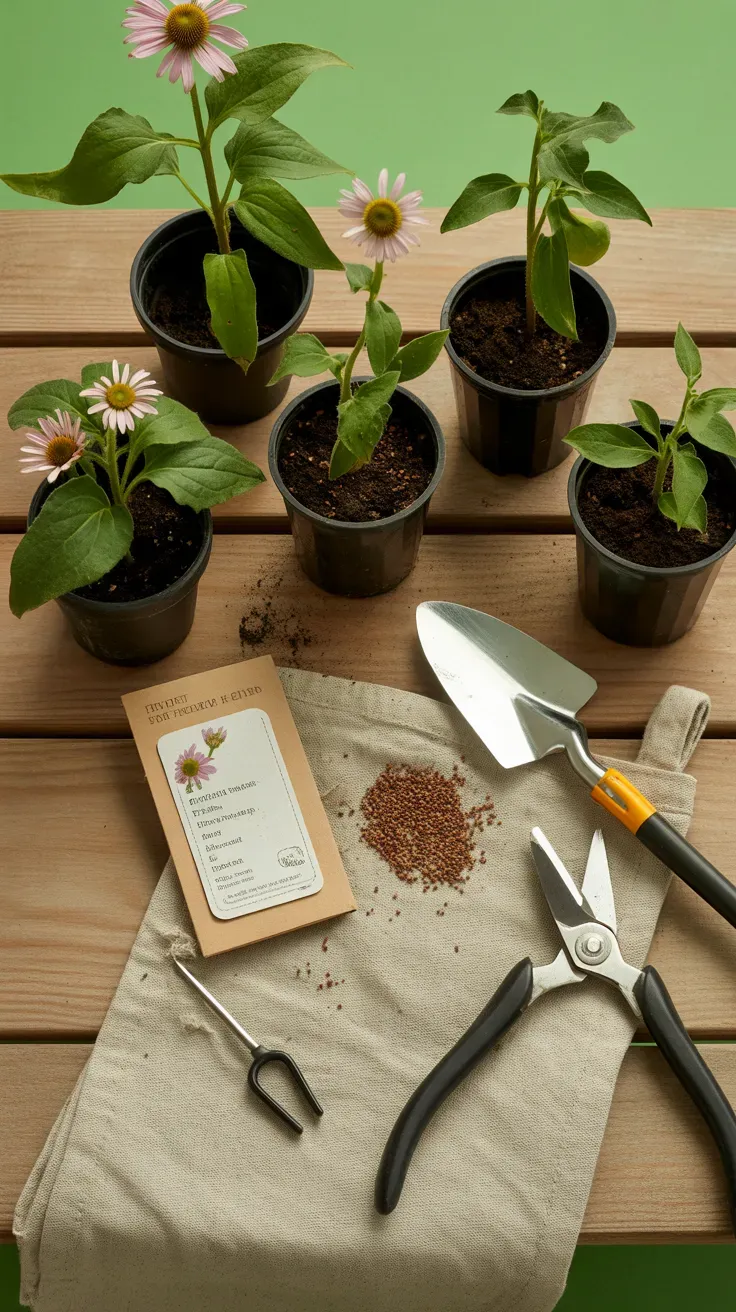
Timing shifts depending on whether you’re direct-sowing seed or planting an already-established nursery transplant, and the two methods aren’t interchangeable on the calendar.
Seeds need a cold stratification period to germinate reliably, so direct-sow in late fall and let winter do the stratifying naturally, or start seeds indoors 8–10 weeks before your last frost after refrigerating them for 4–6 weeks. Nursery transplants skip that step entirely and can go straight into the ground during either the fall or spring windows described above.
Pro Tip: If you’re direct-sowing in fall, resist raking or mulching too heavily over the seeds — coneflower seeds need some light exposure through winter and early spring to germinate well once temperatures rise.
See starting-from-seed comparisons on Greenbotanicalgarden.com, and stratification specifics from Missouri Botanical Garden. Transplants are the faster route if you want blooms sooner.
Preparing the Soil Before You Plant
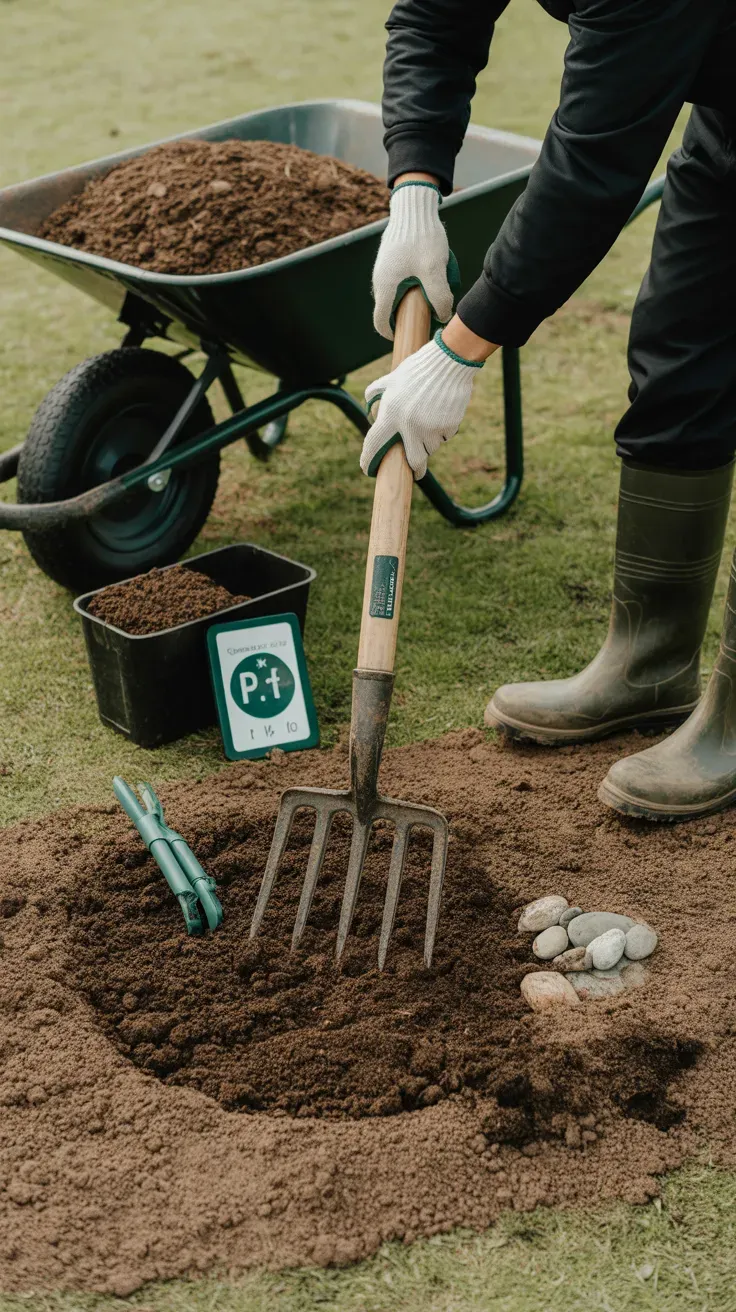
Coneflowers are native prairie plants adapted to lean, well-draining soil, so the prep work matters just as much as the calendar date you choose.
Work in a light layer of compost, no more than an inch, into the top 8–10 inches of soil, especially if you’re dealing with heavy clay that holds too much moisture around the crown. Avoid rich, heavily amended soil — in practice, coneflowers planted in overly fertile beds tend to grow tall and floppy with fewer blooms than those in leaner ground.
- Sandy or loamy soil: minimal amendment needed
- Heavy clay soil: add compost and consider raised beds
- Soil pH: aim for 6.0–7.0, slightly acidic to neutral
More soil prep guidance lives on Greenbotanicalgarden.com; pH testing basics come from RHS. Getting the bed right before planting saves a lot of troubleshooting later.
Aftercare in the First Few Weeks
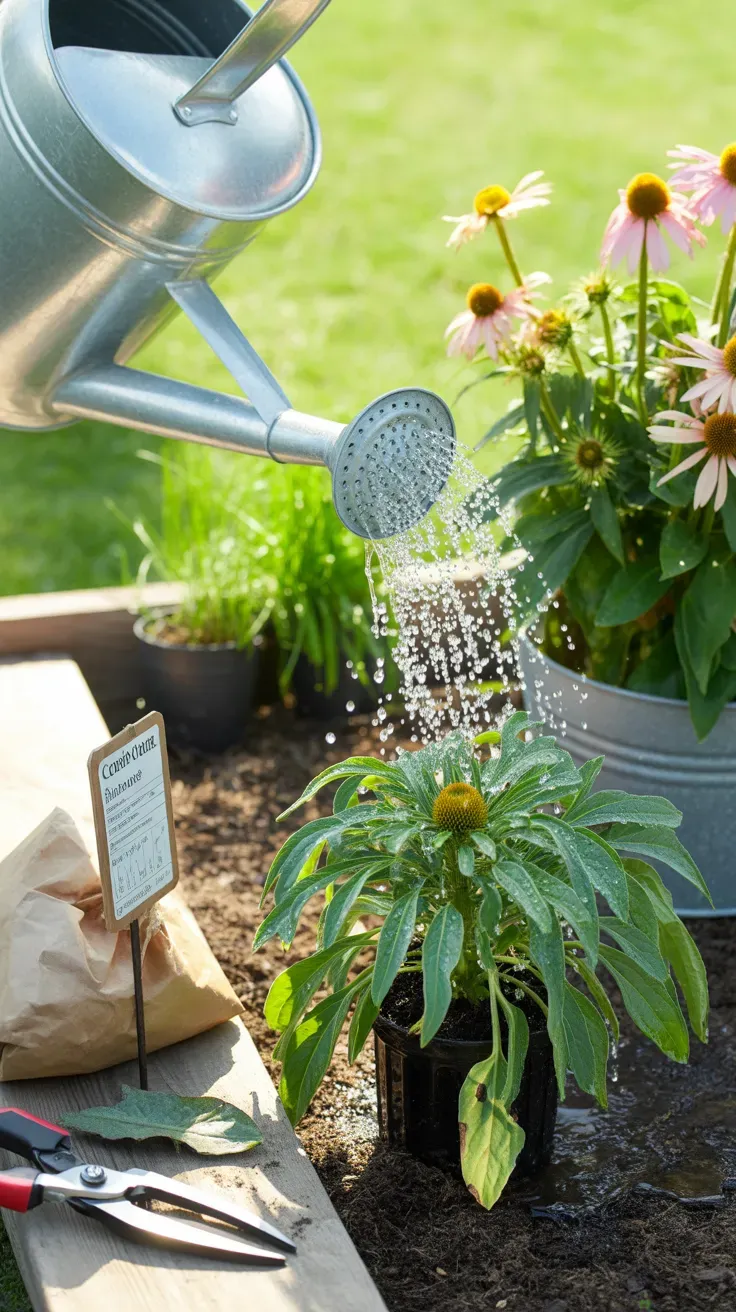
Whatever season you plant in, the first few weeks after planting determine whether roots establish well or the plant struggles through its first stretch.
Water deeply two to three times a week for the first month, tapering to once weekly as roots settle in, and add a 2-inch layer of mulch to regulate soil temperature and retain moisture. In fall specifically, keep watering until the ground actually freezes rather than stopping once temperatures merely drop, since roots continue growing in cool soil longer than most gardeners expect.
Pro Tip: Hold off on deadheading spent blooms in year one — letting a few seed heads mature helps the plant self-sow and fill in the bed faster than relying on the original transplants alone.
Explore more aftercare routines on Greenbotanicalgarden.com; watering frequency notes come from University of Florida IFAS Extension. Consistent care in these first weeks sets the tone for years of blooms.
Getting Started With Planting Coneflowers
The easiest first step is checking your USDA hardiness zone and average first-frost date, since that single piece of information determines whether fall or spring is your better window this year. From there, timing the actual planting is straightforward.
The most common beginner mistake is planting too late in fall, leaving roots only a few weeks to establish before a hard freeze — if you’re within a month of your first frost, it’s safer to wait until spring instead.
To get started, pick up one or two nursery transplants (rather than starting from seed, which takes longer) and a bag of compost for soil prep. Realistically, expect modest blooms by the first summer if planted in spring, or a fuller flush of blooms if planted the prior fall.
Frequently Asked Questions
When is the best time to plant coneflowers?
The best time to plant coneflowers is early fall, 6–8 weeks before your first frost, or early spring once soil reaches 60°F (16°C). Fall planting generally produces stronger roots and earlier blooms the following year in Zones 4–8.
Can you plant coneflowers in summer?
Coneflowers can technically be planted in summer, but the heat stresses new transplants and often reduces first-year blooming. If summer planting is unavoidable, water deeply every other day for the first two weeks to help roots establish.
How long does it take coneflowers to bloom after planting?
Fall-planted coneflowers often bloom by early the following summer, while spring-planted ones may not bloom heavily until their second year. Nursery transplants that are already a season old tend to bloom faster than seed-started plants either way.
Do coneflowers come back every year?
Yes, coneflowers are perennials and reliably return each year once established, typically living 4–6 years before needing division. Cold winters below their zone rating (below Zone 3 for most cultivars) can reduce their return rate.
Should I plant coneflowers from seed or transplants?
Transplants are faster and more reliable for most home gardeners, often blooming within the first year if planted correctly. Seeds are cheaper and work well for filling large areas, but they need a cold stratification period and typically take two seasons to bloom.
A Few Final Thoughts
Getting coneflower timing right isn’t complicated, but it does make the difference between a plant that limps through its first year and one that comes back bigger and fuller every summer after. Whether you’re working with a fall planting window or waiting for spring soil to warm up, the same core idea holds: give the roots time before asking the plant to bloom. A little patience in year one is really the only trade-off, and it’s a small one compared to years of low-maintenance color afterward. Check your frost dates, prep a lean bed, and get your coneflowers in the ground at the right moment — they’ll do the rest.