
Walk past an elder shrub in early summer and you’ll smell it before you see it — that unmistakable, honeyed floral scent drifting off clusters of tiny white blooms. Elderflower has quietly become one of the most sought-after foraged and homegrown ingredients, showing up in everything from cordial to skincare, yet most people still don’t know what it actually is or how to use it beyond a bottle of St-Germain. Once you understand where it comes from and how to harvest it properly, elderflower turns into one of the most versatile things growing in a backyard hedge. Here’s exactly what it is, how to use it, and why it’s worth paying attention to.
Quick Answer: Elderflower is the small, fragrant, cream-white blossom of the elder shrub (Sambucus nigra or Sambucus canadensis), used fresh or dried to make cordial, tea, syrup, and skincare infusions. It’s prized for its floral-honey flavor and has traditional uses for easing cold and allergy symptoms, though it must be properly identified and prepared, since raw stems and leaves are mildly toxic.
Why Elderflower Is Worth Your Time
Elderflower rewards a very small amount of effort with an outsized payoff — a single healthy shrub produces dozens of flower clusters (called umbels) each June, far more than most households can use fresh in one season. That surplus is exactly what makes cordial-making and drying so practical.
What makes this genuinely worthwhile is versatility. The same batch of dried flowers can become tea one week, a cocktail syrup the next, and a facial steam infusion after that, all from a plant many people already have growing wild nearby or could add to a hedge row easily.
A lesser-known fact: only the flowers and ripe, cooked berries of elder are safe to consume — the leaves, stems, bark, and unripe berries contain compounds that can cause nausea, which is exactly why proper identification matters more here than with most foraged plants.
This is ideal for foragers, herbal-tea drinkers, home cordial-makers, and gardeners in Zones 3–9 looking to add a fast-growing, pollinator-friendly shrub with real culinary payoff.
At a Glance
- Elderflower comes from Sambucus nigra (European elder) or Sambucus canadensis (American elder).
- Blooms appear in late spring to early summer, typically May through June depending on climate.
- Only the flowers and fully ripe, cooked berries are safe to eat.
- Fresh elderflower keeps just 1–2 days; dried flowers store well for up to a year.
- Common uses include cordial, tea, syrup, fritters, and skincare infusions.
What Elderflower Actually Is
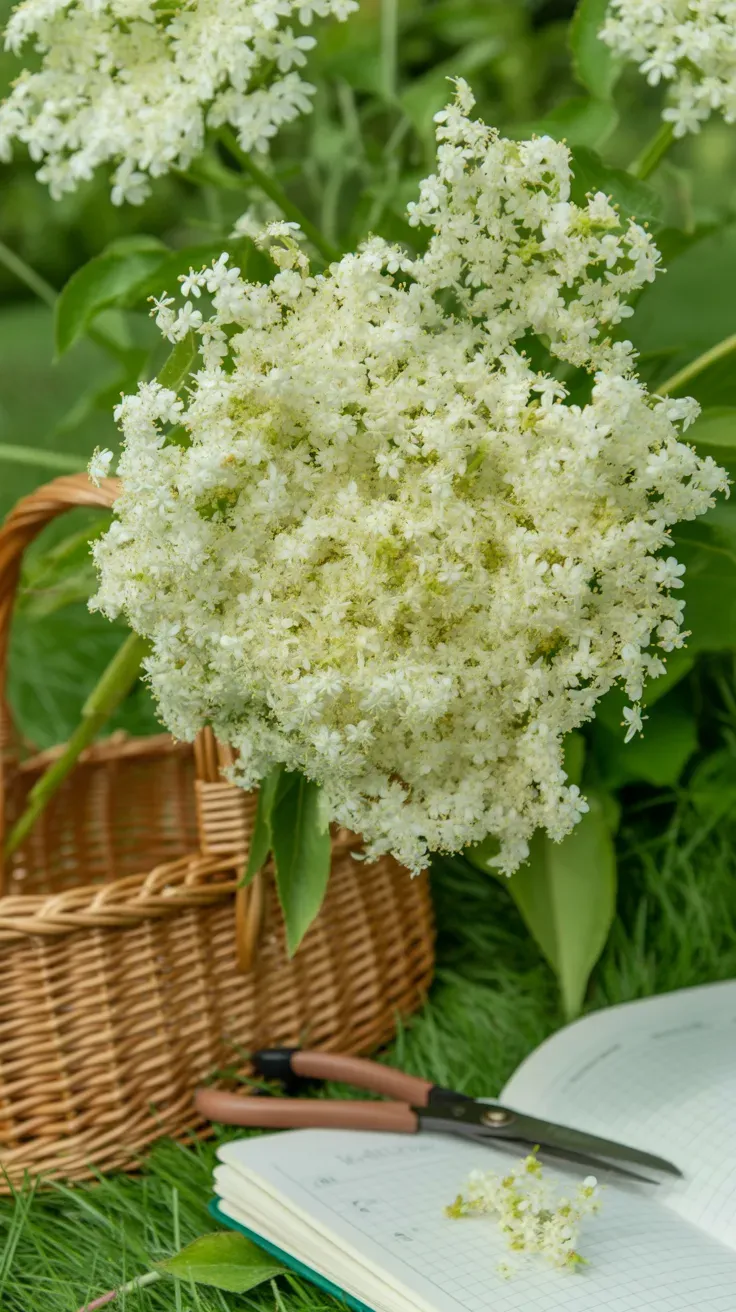
Elderflower is the bloom of the elder shrub, a fast-growing deciduous plant native to Europe (Sambucus nigra) and North America (Sambucus canadensis), both used interchangeably in most recipes.
The flowers grow in flat-topped clusters called umbels, often 6–10 inches across, made up of hundreds of tiny cream-white blooms with a distinct sweet, slightly musky floral scent. In practice, the scent is the easiest way to confirm identification alongside the plant’s compound, serrated leaves — a true elder smells noticeably sweet, not grassy or bitter.
- European elder (S. nigra): larger shrub, stronger floral scent
- American elder (S. canadensis): smaller clusters, milder flavor
- Both: bloom for roughly 2–3 weeks per season
More plant identification guides are on Greenbotanicalgarden.com, and botanical details come from Missouri Botanical Garden. Getting comfortable with identification is the real first step to using this plant well.
Growing or Foraging Elder for Its Flowers
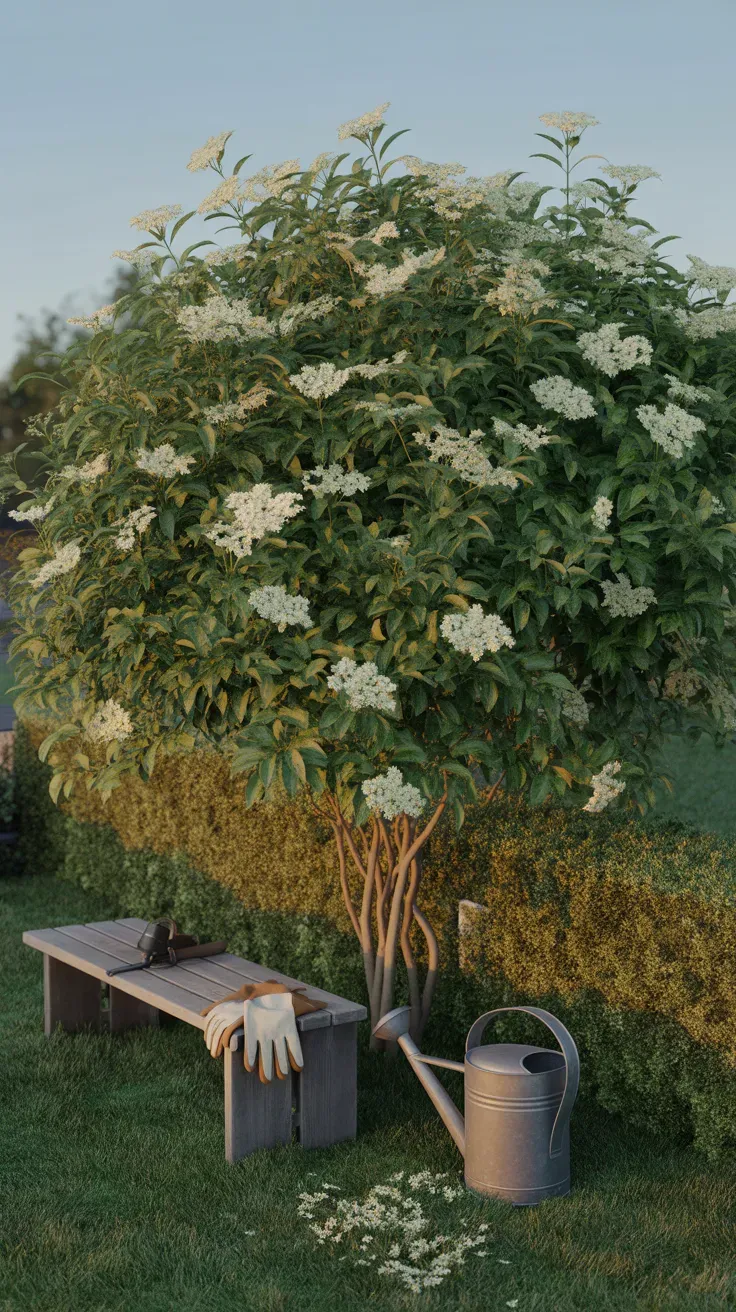
Elder is one of the easier flowering shrubs to grow, tolerating a wide range of soil types and reaching flowering maturity within its second or third year.
Plant in full sun to partial shade in moist, well-draining soil, spacing shrubs 6–8 feet apart since mature plants can reach 10–20 feet tall and wide if left unpruned. If foraging instead of growing, look for elder along woodland edges, riverbanks, and hedgerows, but always harvest away from roadsides where exhaust residue can settle on the blooms.
Pro Tip: Prune elder hard in late winter, cutting up to a third of older stems back to the base — this encourages the vigorous new growth that produces the heaviest flower clusters the following summer.
More shrub-growing guidance is on Greenbotanicalgarden.com; foraging safety notes come from Gardeners’ World. Either way, a single mature shrub provides more flowers than most households can use fresh.
Culinary Uses: Cordial, Tea, and More
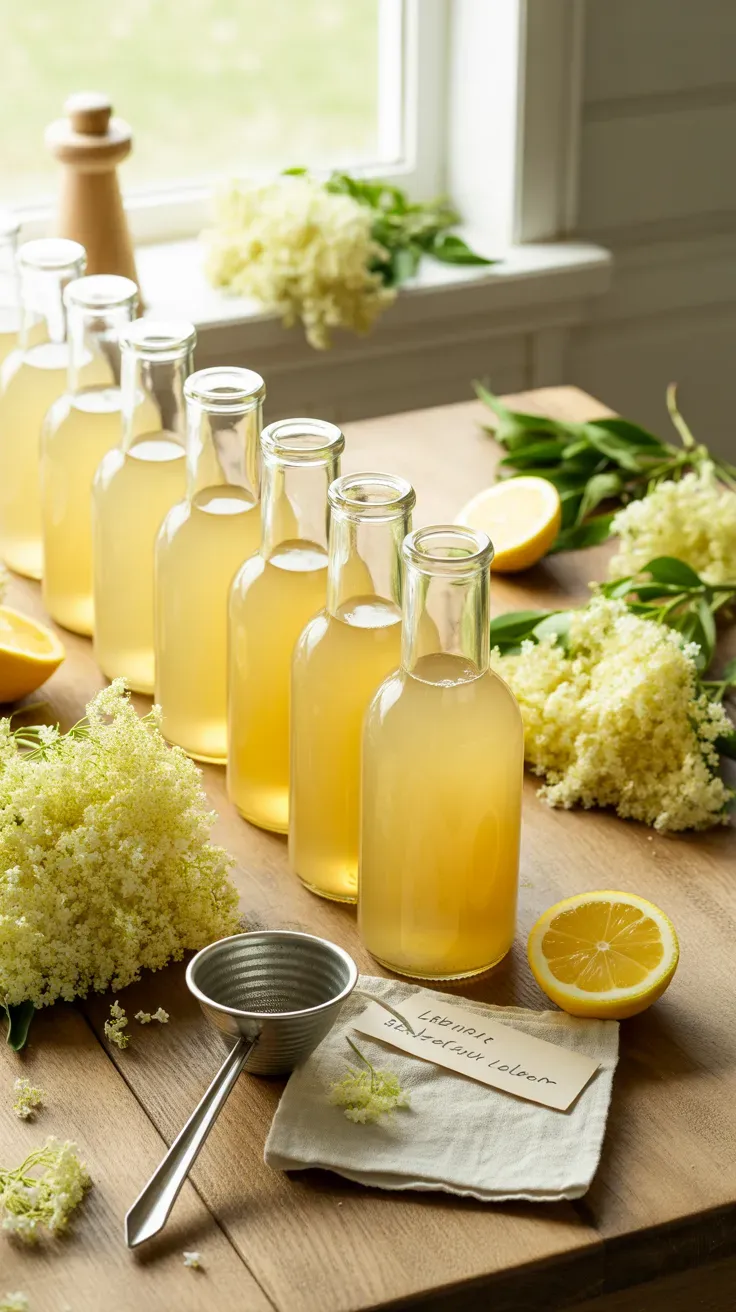
Elderflower’s floral-honey flavor makes it one of the more versatile foraged ingredients in the kitchen, working in both sweet and savory applications.
Cordial is the most popular use: steep fresh flower heads in a sugar-water syrup with lemon zest and citric acid for 24 hours, then strain and bottle for a concentrate that keeps refrigerated for weeks. Beyond cordial, dried flowers make a mild floral tea, fresh clusters can be dipped in batter and fried into fritters, and the syrup works well drizzled over yogurt or mixed into cocktails.
- Cordial: diluted with sparkling water, 1 part cordial to 4–5 parts water
- Tea: 1 tablespoon dried flowers steeped 5–7 minutes
- Fritters: fresh clusters dipped in light batter, fried until golden
Browse more foraged-ingredient recipes on Greenbotanicalgarden.com; flavor-pairing notes come from BHG Gardening. A single afternoon of flower-picking can stock a pantry for months.
Traditional Health Benefits and Uses
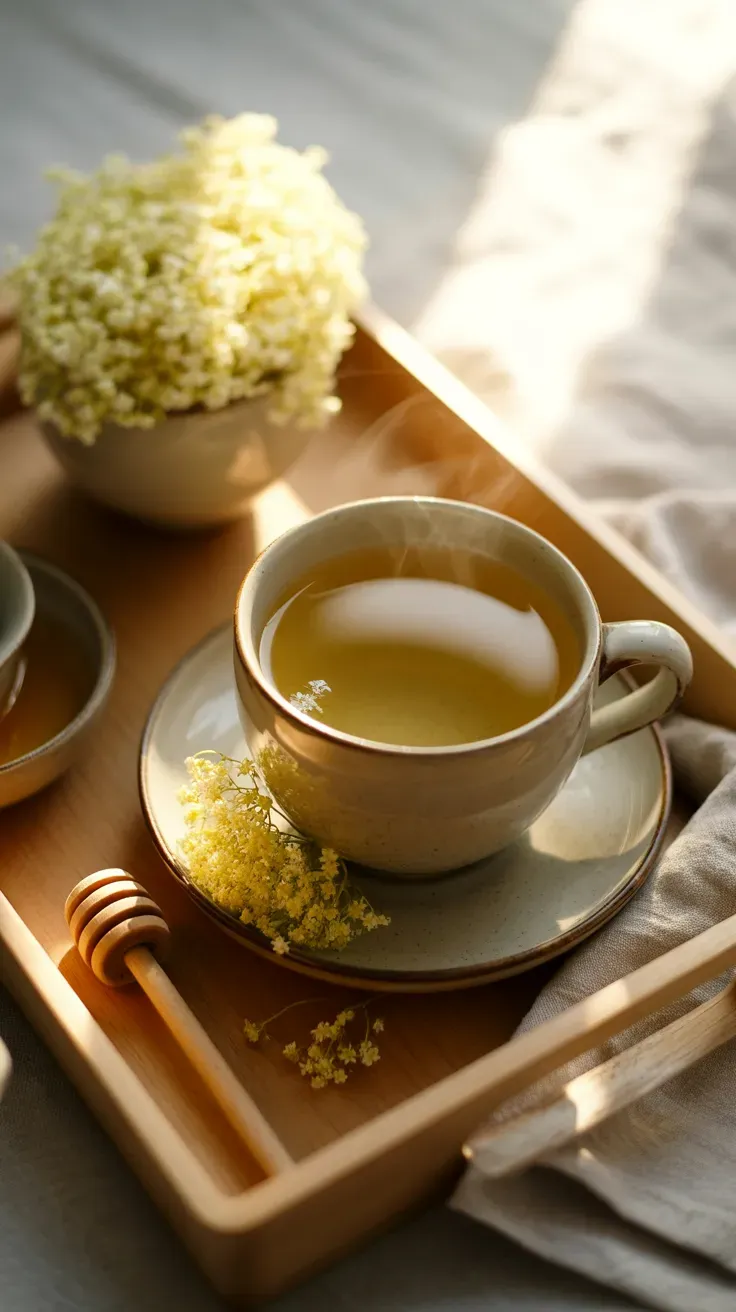
Elderflower has a long history in traditional herbal medicine, most commonly used to ease symptoms of colds, seasonal allergies, and mild congestion.
Herbalists typically prepare it as a tea or tincture, and some early research suggests the flower’s flavonoid content may support the body’s response to seasonal respiratory discomfort, though it’s not a substitute for medical treatment of a real illness. In practice, many people describe elderflower tea as gentler and less bitter than other cold-relief herbal teas like echinacea.
Pro Tip: Combine dried elderflower with dried peppermint in a 2:1 ratio for tea — the peppermint balances the elderflower’s floral sweetness and makes the blend easier to drink daily during allergy season.
More herbal-plant profiles are on Greenbotanicalgarden.com; traditional-use background comes from RHS. As always, check with a doctor before using it medicinally if you’re pregnant, nursing, or on regular medication.
Harvesting and Preserving Elderflower Correctly
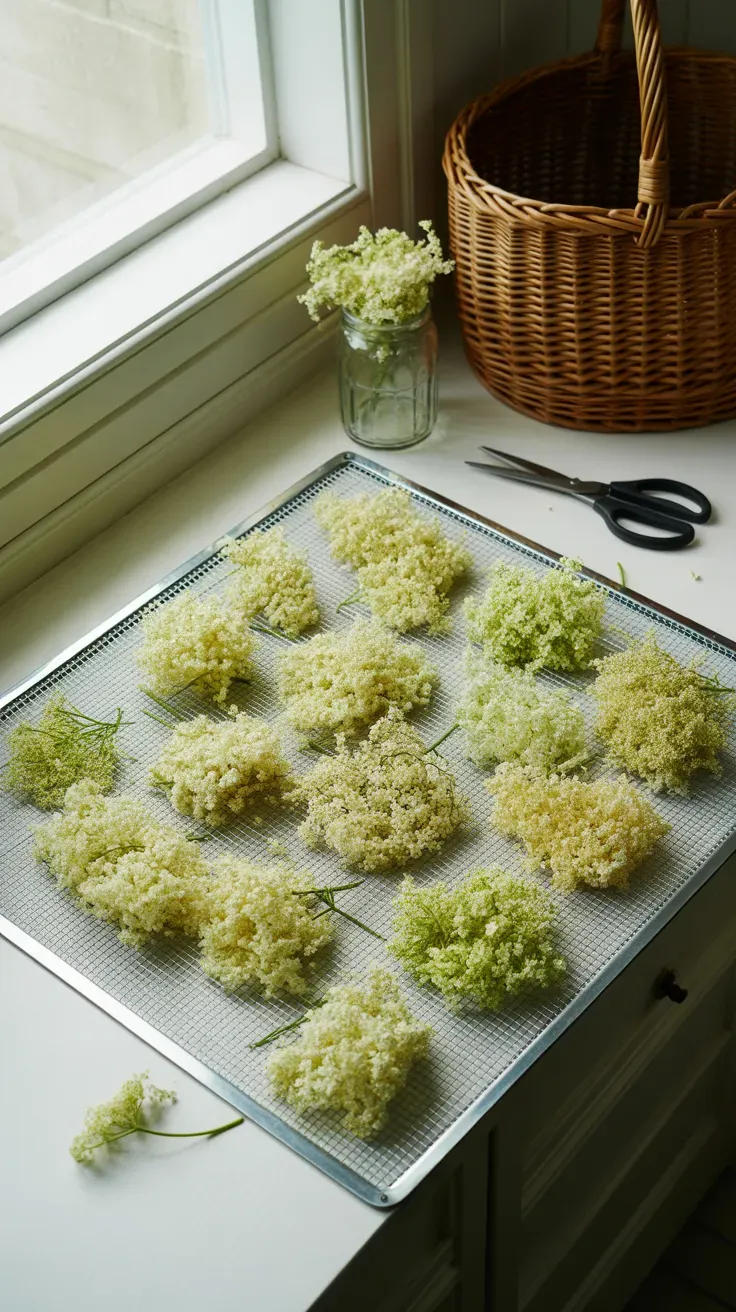
Timing and handling both matter more with elderflower than with most herbs, since the blooms wilt and brown within a day or two of picking if not used or dried promptly.
Harvest on a dry morning after the dew has evaporated but before peak afternoon heat, when the flowers’ aromatic oils are strongest; avoid picking after rain, since wet flowers turn brown quickly and lose fragrance. To dry, lay clusters in a single layer on a mesh rack or screen in a warm, dark, well-ventilated spot for 3–5 days until fully brittle, then strip the individual florets from the stems for storage.
- Fresh use: within 24 hours for best flavor and color
- Air-dried: 3–5 days until brittle, store up to 12 months
- Frozen: freeze whole clusters for cordial-making later in the year
More preservation techniques live on Greenbotanicalgarden.com; drying-time guidance comes from Almanac. Proper drying is what turns a two-week bloom window into a year-round pantry ingredient.
Getting Started With Elderflower
The easiest first step is identifying a mature elder shrub, either one already growing in your yard or a reliable foraging spot, and confirming it by its distinct sweet floral scent and compound serrated leaves before picking anything. If you’re unsure, cross-reference with a regional plant guide first.
The most common beginner mistake is harvesting too late in the bloom cycle, once flowers have started browning at the edges — those clusters produce a duller, less fragrant cordial than freshly opened blooms.
To get started, gather a pair of garden snips and a wicker or mesh basket that lets air circulate around the flowers as you collect them, since plastic bags cause wilting within an hour. Realistically, expect to go from harvest to a finished batch of cordial or dried tea within a single afternoon.
Frequently Asked Questions
What does elderflower taste like?
Elderflower has a light, honeyed, floral flavor often compared to a mix of pear, lychee, and muscat grape. It’s noticeably sweeter and less bitter than many other edible flowers, which is why it works so well in cordial and syrup.
Is elderflower safe to eat raw?
Yes, the fresh flower heads are safe to eat raw in small amounts, though most people prefer them cooked into syrup or steeped for tea. The leaves, stems, and unripe berries of the same plant are mildly toxic and should never be eaten.
How do you identify true elderflower versus a lookalike?
True elderflower has flat-topped clusters of tiny white blooms with a strong sweet fragrance and compound, serrated leaves in groups of 5–7 leaflets. Toxic lookalikes like water hemlock lack that distinct floral scent, so smell is one of the most reliable identification checks.
How long does fresh elderflower last after picking?
Fresh elderflower wilts and browns within 1–2 days if left unused, so it’s best processed into cordial, syrup, or dried the same day it’s picked. Refrigerating fresh clusters in a loosely sealed bag can extend that window by about a day.
Can you use elderflower and elderberry interchangeably?
No, elderflower and elderberry serve different purposes and aren’t interchangeable in recipes — the flower is floral and mild, while the ripe berry is tart and must always be cooked before eating. Both come from the same plant but are harvested at different times of the growing season.
A Few Final Thoughts
Elderflower is one of those plants that rewards a little curiosity — once you can confidently identify it, a single mature elder shrub can supply cordial, tea, and skincare infusions for an entire year. The floral-honey flavor genuinely doesn’t taste like anything else growing in a typical hedge, which is part of why it’s earned such a devoted following among foragers and home cooks alike. Just remember that proper identification matters here more than with most garden plants, since only the flowers and cooked, ripe berries are safe to use. If you’ve got an elder shrub nearby, or room to plant one, this is the season to finally put those blossoms to use.