
SEO Title Tag: 12 Lemon Peel Ideas: Make Lemon Powder & More (58 characters)
Meta Description: Stop tossing lemon peels. Discover 12 easy ideas, from homemade lemon powder to garden hacks, that turn kitchen scraps into real value. Try one today.
URL Slug: /lemon-peel-ideas-lemon-powder
Featured Image Alt Text: Dried lemon peels and a jar of golden lemon powder on a wooden kitchen counter
That pile of lemon peels sitting in your compost bin is worth more than you think. Every citrus you juice for lemonade or a marinade leaves behind oils, fiber, and flavor that most home cooks throw straight in the trash without a second thought. In practice, a handful of peels dried and ground into powder can season a whole week of meals, scrub a sink, or freshen a drain — no waste, no extra grocery trip. This list covers twelve practical ways to use every last bit of that peel, starting with the technique that makes it all possible. Ready? Let’s explore all 12 of them.
Quick Answer: The single best use of leftover lemon peels is drying them low and slow (170°F/76°C for 2–3 hours, or air-dried over 3–5 days) and grinding them into a fine powder — it stores for up to a year and works in cooking, cleaning, and the garden. From there, that powder (or the raw peels) can flavor food, scrub surfaces, deter pests, and even sweeten a dessert.
Why Saving Lemon Peels Is Worth Your Time
Most of a lemon’s aromatic oil lives in the peel, not the juice, which is why tossing it out after squeezing is such a waste in practice. A single lemon’s zest carries roughly three times the vitamin C concentration of its pulp, plus fiber and d-limonene, the compound responsible for that sharp citrus scent used in natural cleaners.
What makes this rewarding is how little effort it takes for how much you get back — one afternoon of drying peels yields a jar of powder that replaces store-bought citrus seasoning, cleaning boosters, and even garden deterrents for months.
This is ideal for anyone juicing lemons regularly for cooking, tea, or cocktails and hating to see the rest go in the bin. The lesser-known fact: dried lemon peel powder actually tastes brighter and less bitter than fresh zest, because drying mellows the pith’s bitterness while concentrating the oil.
At a Glance
- Twelve ways to use lemon peels, from kitchen seasoning to garden pest control.
- Drying peels takes 2–5 days air-dried or about 2–3 hours in a low oven.
- Finished lemon powder keeps for up to 12 months in a sealed, airtight jar.
- Works with any citrus — lime and orange peels follow the same method.
- No special equipment required beyond a baking sheet, oven or dehydrator, and a spice grinder.
| Idea | Difficulty | Time Needed | Best For |
| Dry & grind into powder | Easy | 2–5 days | Base technique for everything below |
| Sprinkle on salads/veggies | Easy | 1 minute | Weeknight cooking |
| Salad dressings & marinades | Easy | 5 minutes | Meal prep |
| Lemon peel tea | Easy | 10 minutes | Warm drinks |
| Baking additions | Easy | 5 minutes | Cakes, scones, cookies |
| Sugar or salt scrub | Easy | 15 minutes | Skincare |
| Natural cleaner booster | Easy | 5 minutes | Kitchen/bath surfaces |
| Garbage disposal freshener | Very Easy | 30 seconds | Odor control |
| Compost enrichment | Easy | Ongoing | Garden soil |
| Garden pest deterrent | Easy | 5 minutes | Outdoor beds |
| Infused cleaning vinegar | Easy | 2 weeks steep | All-purpose cleaner |
| Candied lemon peel | Moderate | 1 hour | Sweet treats |
Dry and Grind Lemon Peels Into Powder
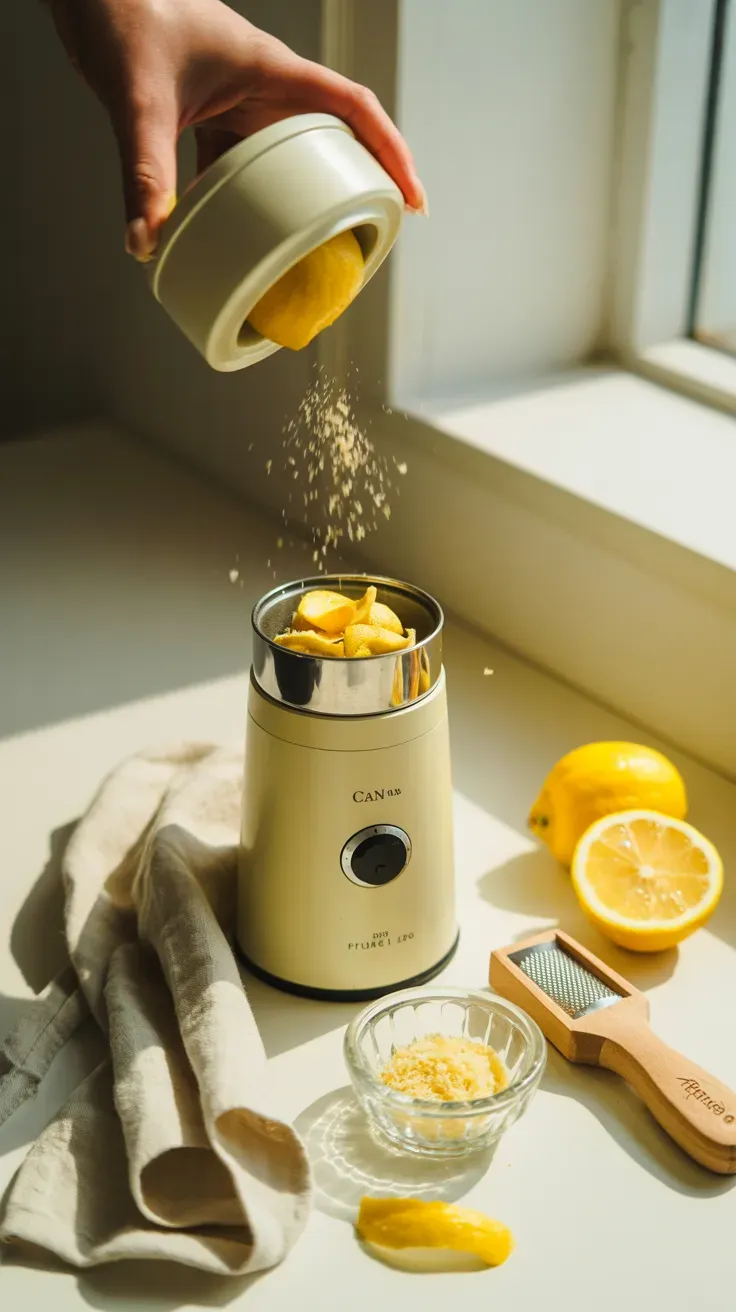
This is the foundation idea every other item on this list builds on. Save peels from 4–6 lemons, scrape off excess pith with a spoon, then spread them skin-side up on a baking sheet.
Dry them in a 170°F (76°C) oven for 2–3 hours, or air-dry on a windowsill over 3–5 days until they snap instead of bend. Once brittle, pulse them in a spice grinder until fine. The pro insight: peels that still feel even slightly leathery will clump and mold in storage, so err on the side of over-drying.
Pro Tip: Add a food-safe silica packet to your storage jar — it keeps the powder from clumping in humid kitchens, especially through summer.
Store the powder in a sealed glass jar; check out more preservation techniques on Greenbotanicalgarden.com, and see drying temperature guidance from University of Florida IFAS Extension. This one batch sets you up for every idea that follows.
Sprinkle Lemon Peel Powder Over Salads and Roasted Veggies

Lemon powder replaces bottled seasoning blends with a single-ingredient burst of citrus that doesn’t add liquid or dilute a dish.
A half-teaspoon over roasted broccoli, carrots, or a green salad wakes up flavors the same way fresh zest does, but it clings to dry surfaces better since there’s no moisture to repel it. It works especially well folded into breadcrumb coatings for baked fish or chicken.
- Roasted vegetables: ½ tsp per baking sheet
- Green salads: pinch per serving, tossed with olive oil
- Popcorn or chips: ¼ tsp for a citrusy snack twist
Try it alongside other flavor-boosting pantry staples from Greenbotanicalgarden.com, and see general citrus cooking notes from BHG Gardening. A light dusting goes further than most people expect.
Stir It Into Homemade Salad Dressings and Marinades
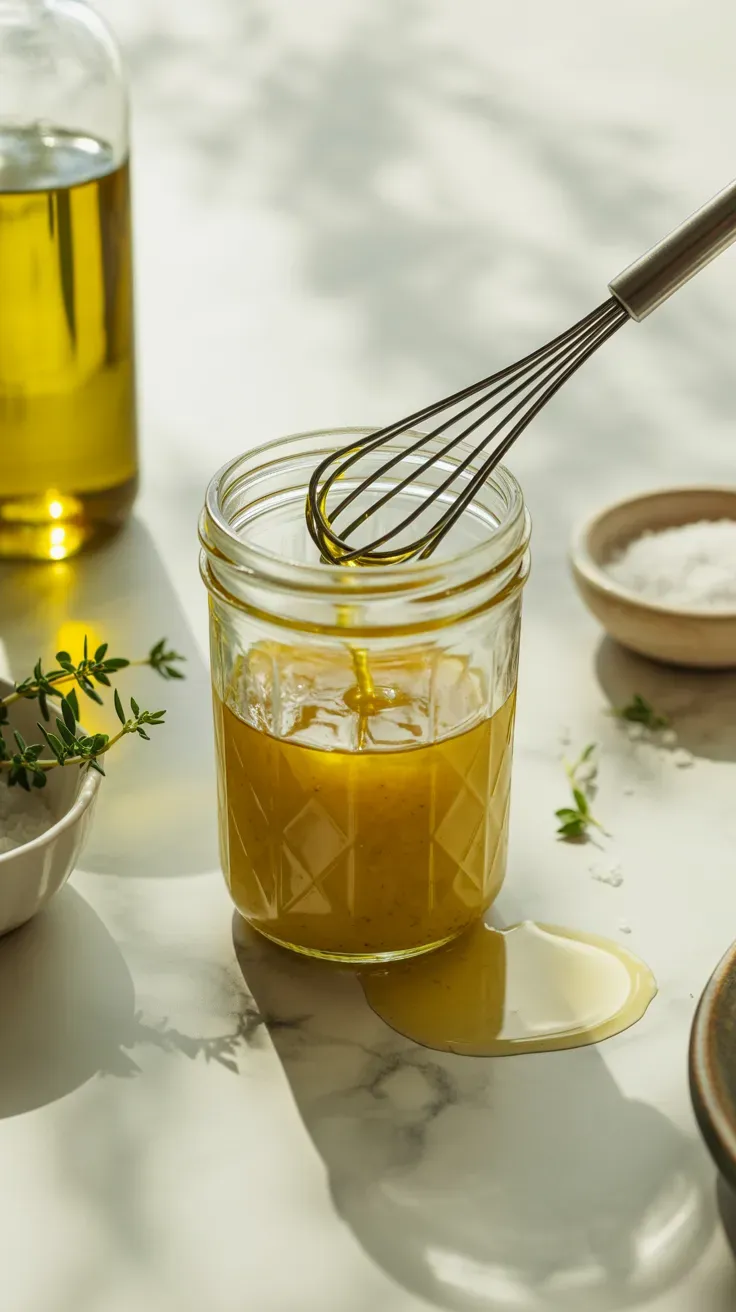
Because lemon powder is concentrated and shelf-stable, it holds up in marinades that sit for hours without the bitterness fresh zest can develop over time.
Whisk a quarter-teaspoon into olive oil, vinegar, garlic, and salt for a vinaigrette that doesn’t separate as quickly as juice-based versions. It also works rubbed directly onto chicken or fish before grilling, since the dry powder helps form a light crust.
Pro Tip: Bloom the powder in warm olive oil for 30 seconds before adding acid — this releases more of the citrus oils than mixing it in cold.
Find more dressing pairings on Greenbotanicalgarden.com and flavor-science background from Missouri Botanical Garden. It’s a small swap that makes a noticeably brighter dressing.
Brew a Bright Lemon Peel Tea

Dried lemon peel steeped in hot water makes a naturally caffeine-free tea with more depth than plain lemon juice in water.
Add 1 tablespoon of dried peel (or 1 teaspoon of powder) to a mug of hot water and steep for 8–10 minutes; the longer steep pulls out more of the peel’s natural pectin, giving the tea a slightly rounder mouthfeel than a quick 2-minute steep. Honey or fresh ginger both pair well.
- Cold brew version: steep overnight in the fridge, strain in the morning
- Digestive blend: combine with mint leaves
- Immune-support blend: add a cinnamon stick
Explore more herbal pairings on Greenbotanicalgarden.com, and see citrus nutrient notes from University of Florida IFAS Extension. It’s a genuinely restorative way to use up a whole peel at once.
Add Lemon Powder to Baking — Cakes, Cookies, and Scones

Because it’s dry, lemon powder blends directly into flour without throwing off a recipe’s liquid ratio the way fresh juice or zest can.
Stir 1–2 teaspoons into scone, cookie, or pound cake batter for a consistent citrus flavor that doesn’t fade as much during baking as fresh zest does. It’s especially useful in shortbread, where added moisture from fresh zest can change the texture.
Pro Tip: Whisk the powder into the dry ingredients first, not the wet ones — this distributes the flavor more evenly than stirring it in at the end.
More baking swaps live on Greenbotanicalgarden.com; general baking science comes from BHG Gardening. A little goes a long way in a basic dough.
Make a DIY Lemon Peel Sugar or Salt Scrub

Lemon peel’s natural oils double as a gentle exfoliant base when combined with sugar or salt and a carrier oil.
Mix ½ cup sugar, 2 tablespoons olive oil or coconut oil, and 1 tablespoon lemon peel powder for a scrub that smells fresh without added fragrance. Salt versions work better on rougher spots like elbows and feet, while sugar is gentler for hands and lips.
- Body scrub: sugar base, olive oil
- Foot scrub: coarse salt base, coconut oil
- Lip scrub: fine sugar, honey instead of oil
See more DIY home projects on Greenbotanicalgarden.com, and citrus-oil skin notes from SFGate Home Guides. Keep it refrigerated and use within two weeks since it contains no preservatives.
Use Lemon Peels as a Natural All-Purpose Cleaner Booster
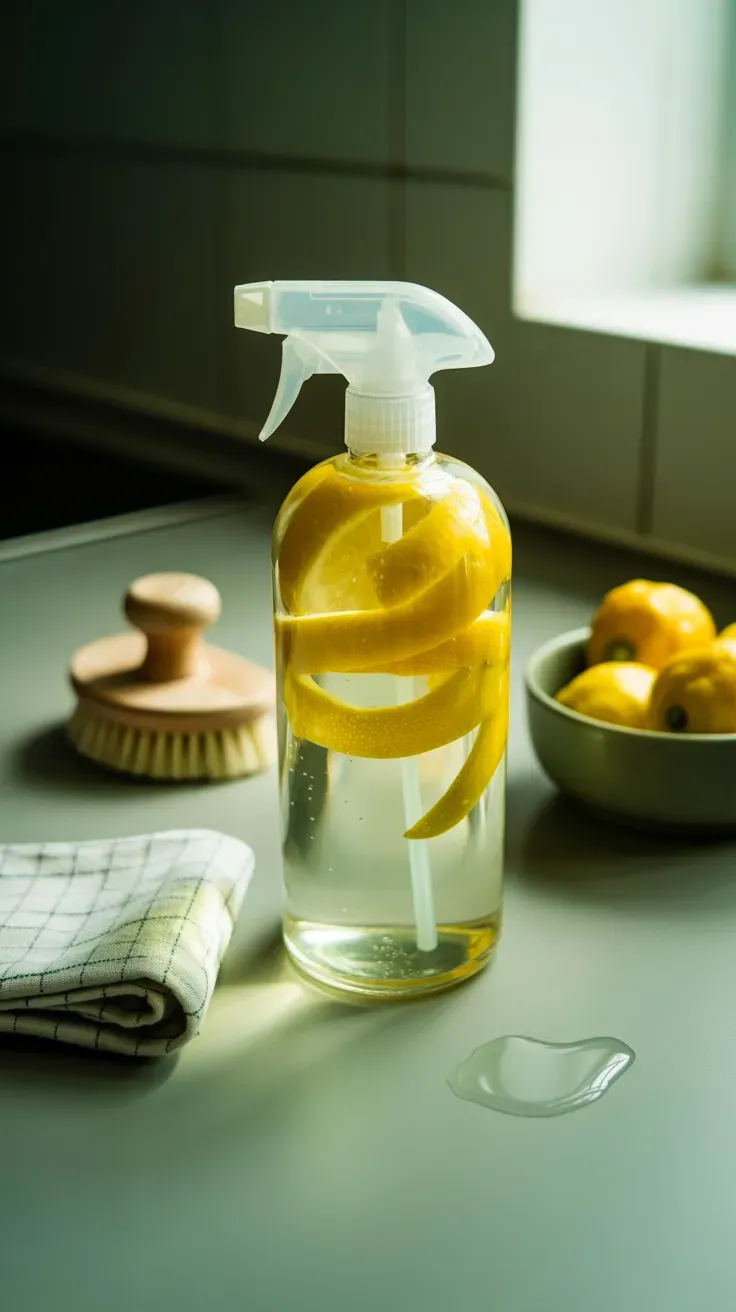
D-limonene, the citrus oil in lemon peel, is a natural degreaser that cuts through kitchen grime as effectively as many synthetic cleaners.
Steep peels in white vinegar for two weeks (more on this below), or simply rub a fresh peel directly on a stainless steel sink or cutting board to lift grease and neutralize odor. It’s especially effective on stovetops and range hoods where oil builds up.
Pro Tip: Rub peels pith-side down, not skin-side — the pith holds more of the residual oil and works harder against grease.
More natural cleaning ideas are on Greenbotanicalgarden.com; cleaning-safety notes come from SFGate Home Guides. It won’t disinfect, but it does a genuinely good job on everyday grease.
Freshen Your Garbage Disposal and Drains
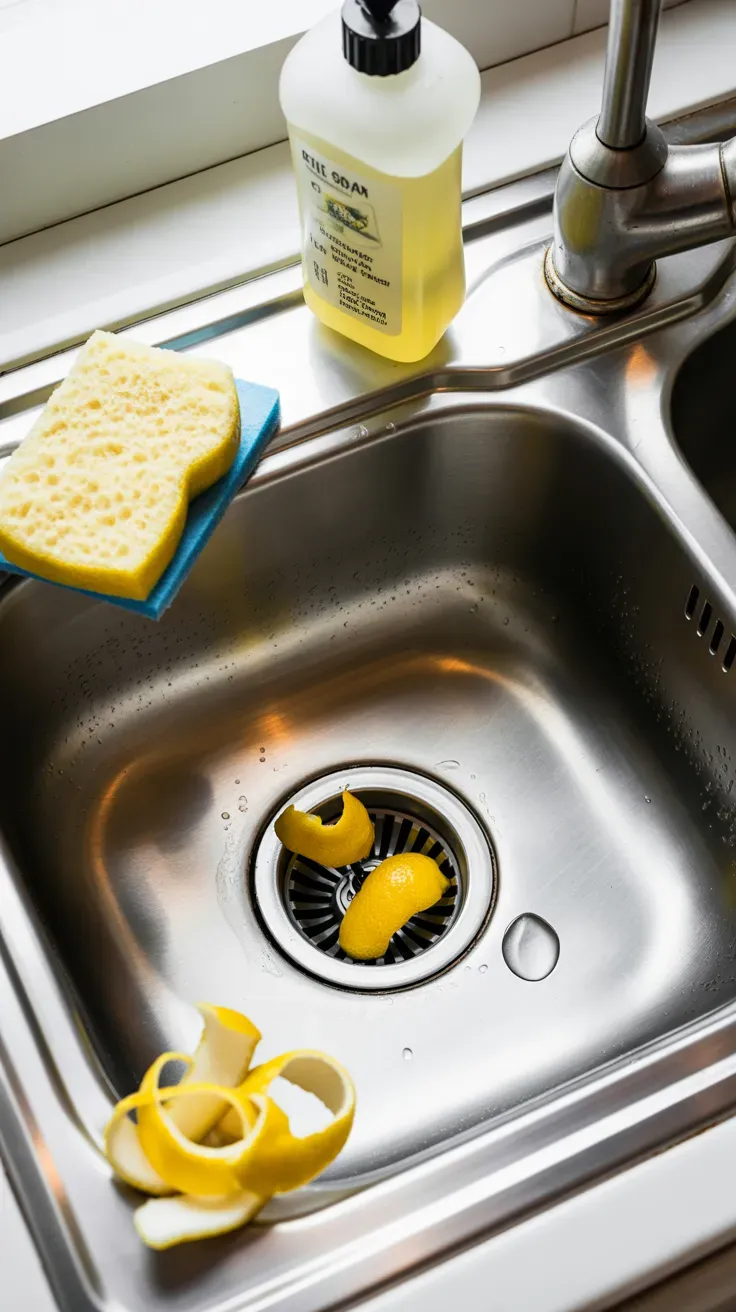
This is the fastest idea on the list and takes seconds, but it’s genuinely effective at knocking out disposal odor.
Drop 2–3 peel pieces into a running garbage disposal with cold water for about 30 seconds. The oils cut through lingering food odor better than most commercial disposal cleaners, and the abrasive peel fiber helps dislodge small buildup along the blades.
- Weekly: run peels through after heavy cooking
- Monthly: combine with a few ice cubes to sharpen blades
- As needed: use for sudden drain odor
More kitchen upkeep tips are on Greenbotanicalgarden.com; appliance-care notes come from BHG Gardening. It’s the simplest idea here, but one of the most satisfying.
Compost Lemon Peels for Nutrient-Rich Soil
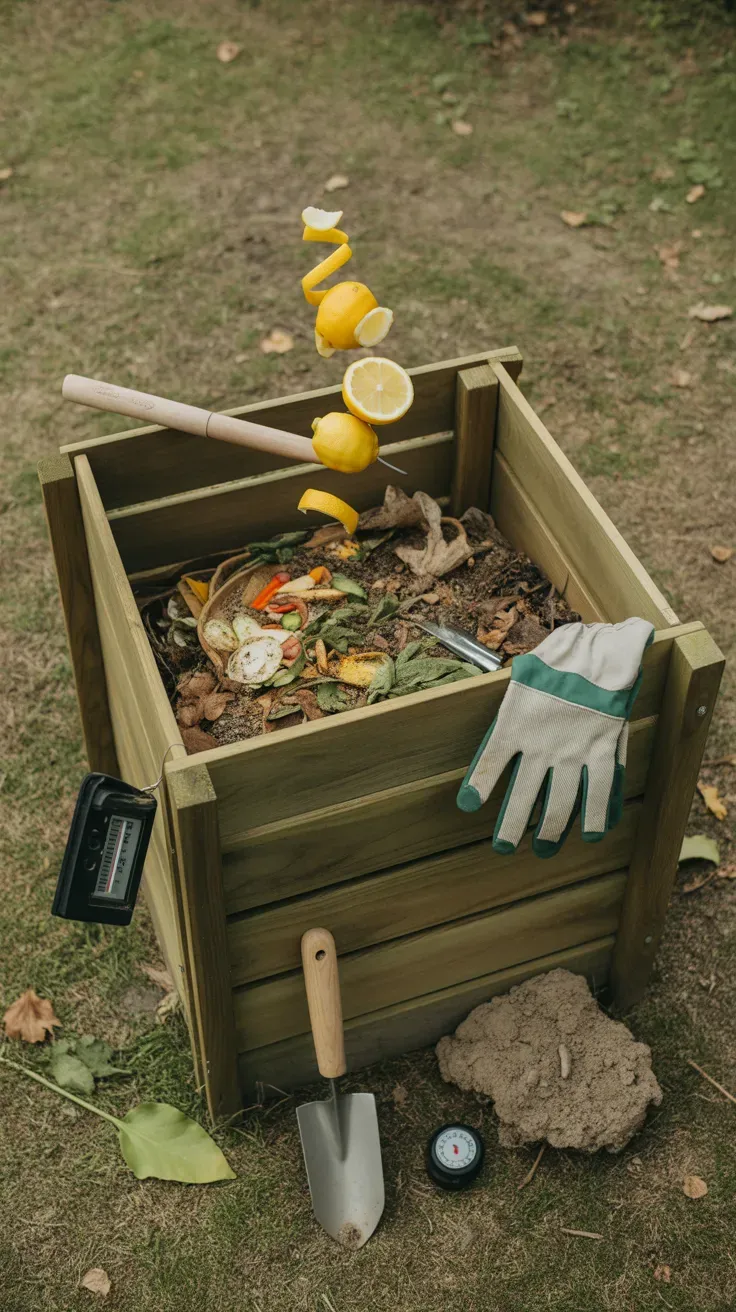
Lemon peels are safe to compost, but they break down more slowly than softer scraps because of their waxy skin.
Chop peels into small pieces before adding them to speed decomposition, and mix them with brown material like dry leaves or cardboard to balance the pile’s acidity. In practice, a pile heavy on citrus without enough browns can slow down overall breakdown by weeks.
Pro Tip: Limit citrus peels to roughly 10–15% of total compost volume — more than that can disrupt the worm and microbe activity that drives decomposition.
More composting guidance is on Greenbotanicalgarden.com; soil-balance details come from RHS. Done right, it’s an easy way to turn scraps into next season’s soil.
Use Peels to Deter Pests in the Garden
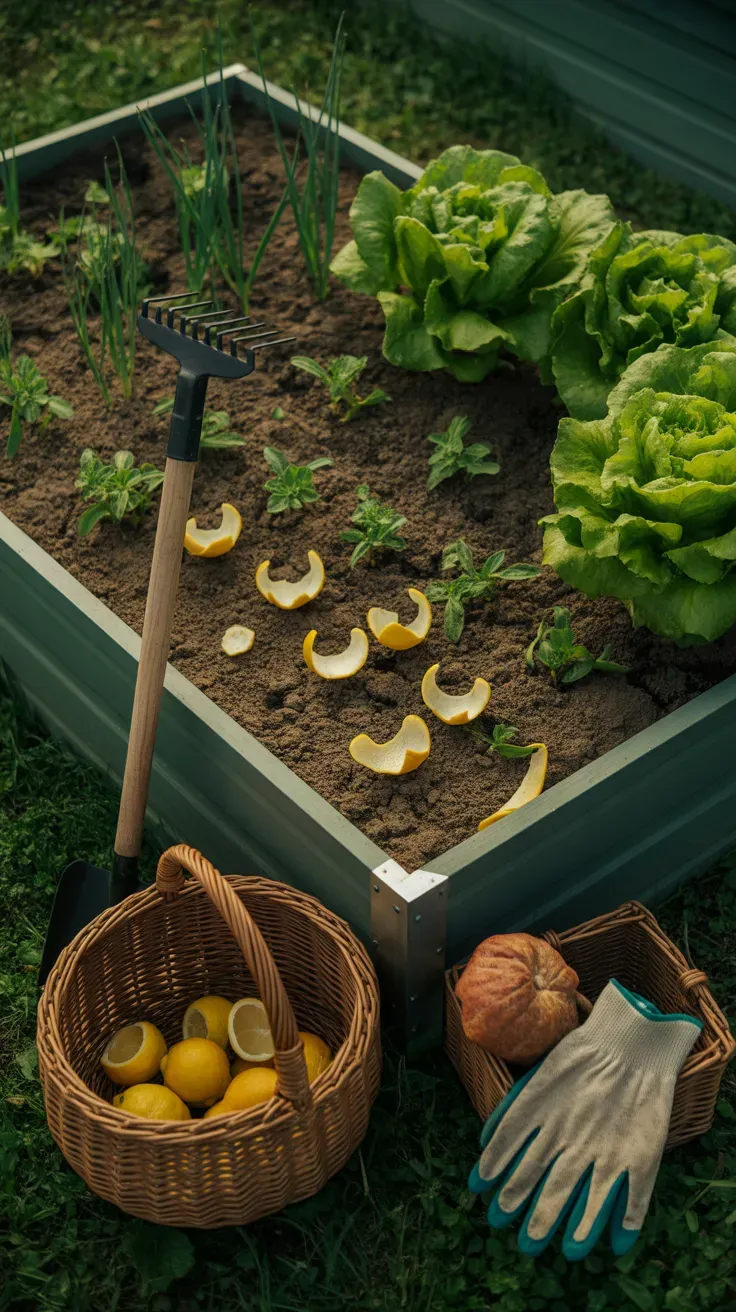
Many soft-bodied pests, including aphids and slugs, avoid the citrus oils in lemon peel, which makes it a mild, low-cost deterrent for garden beds.
Scatter chopped peels directly around the base of vulnerable plants like lettuce or basil, replacing them every few days as they dry out and lose potency. It won’t eliminate an established infestation, but it does discourage new pests from settling in.
- Aphids: scatter peel pieces near new growth
- Slugs and snails: place a peel-and-coffee-ground barrier
- Ants: rub peels along entry points near beds
More garden pest strategies are on Greenbotanicalgarden.com; pest-management basics come from RHS. It’s a gentle first line of defense, not a full solution.
Infuse Vinegar With Lemon Peels for an All-Purpose Cleaner
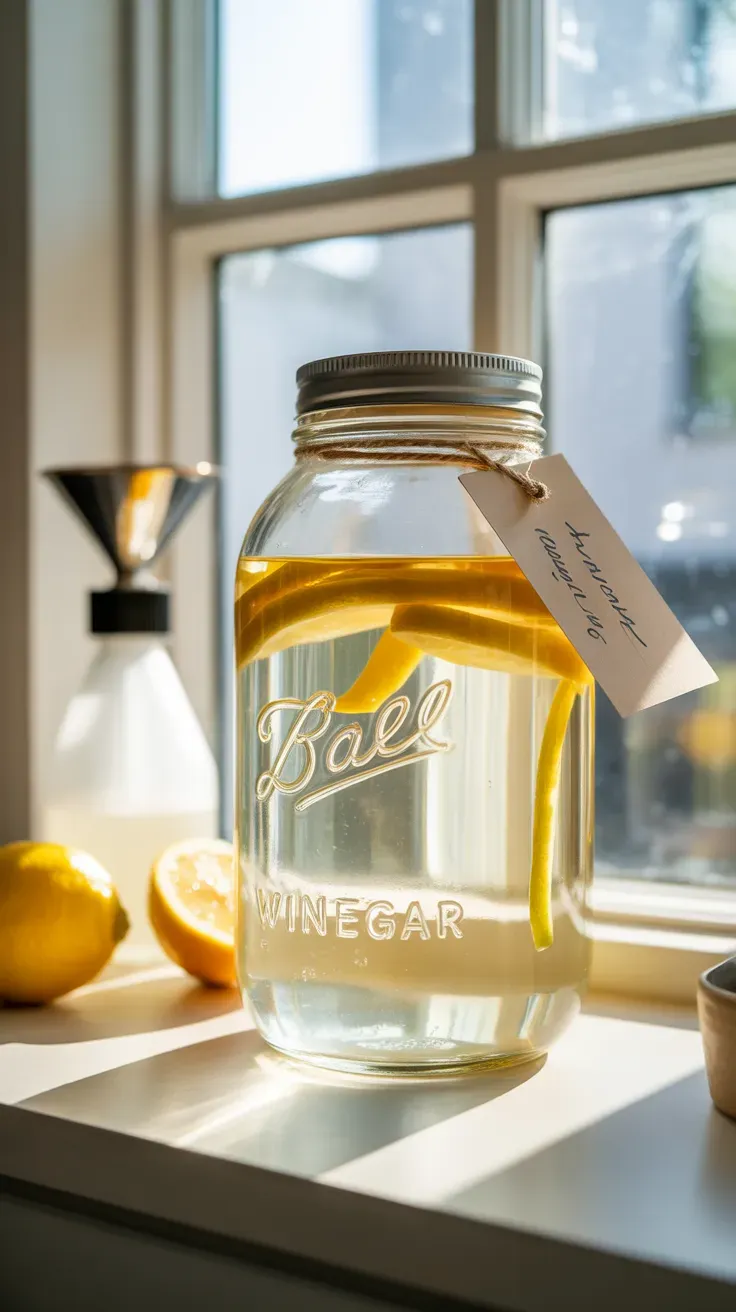
Steeping peels in vinegar makes a stronger, longer-lasting cleaner than using fresh peels alone, since the acid draws out more of the citrus oil over time.
Pack a jar with peels, cover completely with white vinegar, and let it steep in a dark cupboard for two weeks, shaking occasionally. Strain out the peels and dilute the liquid 1:1 with water in a spray bottle for everyday countertop use.
Pro Tip: Never use this on natural stone counters like marble or granite — the vinegar’s acidity etches the surface over time, even diluted.
More cleaning recipes are on Greenbotanicalgarden.com; surface-safety guidance comes from SFGate Home Guides. Once strained, it keeps well for several months.
Candy the Peels for a Sweet Homemade Treat

Unlike the other ideas here, candied peel uses the whole strip rather than dried powder, turning bitter pith into a genuinely sweet snack.
Simmer peel strips in a simple syrup (equal parts sugar and water) for about 45 minutes until translucent, then roll them in granulated sugar and let them dry on a rack overnight. Dipped in melted dark chocolate, they make a simple homemade gift.
- Plain: rolled in sugar only
- Chocolate-dipped: half-dipped in dark chocolate
- Spiced: rolled in sugar mixed with cinnamon
More sweet kitchen projects live on Greenbotanicalgarden.com; candy-making basics come from BHG Gardening. It’s the most indulgent way to use a peel that would otherwise go straight in the trash.
Getting Started With Lemon Peel Ideas
The easiest first step is simply saving peels in a bowl in the fridge every time you juice a lemon, rather than trying to plan a big batch from the start. Once you’ve collected 4–6 peels, that’s enough for a first round of powder.
The most common beginner mistake is under-drying — peels that still bend instead of snap will mold in storage within a week, so it’s worth the extra 30 minutes in the oven to get them fully brittle.
To get started, gather a baking sheet you don’t mind reusing for citrus and a basic spice grinder; a coffee grinder works fine if it’s been cleaned of coffee oils first. Realistically, expect your first usable batch of powder within 3–5 days if air-drying, or same-day if using the oven method.
Frequently Asked Questions
How long does homemade lemon peel powder last?
Stored in a sealed, airtight jar away from light and moisture, lemon peel powder stays good for up to 12 months. It won’t spoil in a way that’s unsafe to eat, but the citrus aroma fades noticeably after that window.
Can I use lime or orange peels the same way?
Yes, the same drying and grinding method works for lime, orange, and grapefruit peels. Orange peel tends to dry slightly faster due to its thicker, more porous skin.
Do lemon peels need to be organic before drying?
It’s strongly recommended, since conventional citrus is often coated in wax and pesticide residue that concentrates in the peel. If organic isn’t available, scrub peels thoroughly with a produce brush under warm water first.
Why did my lemon peel powder turn out bitter?
Leftover white pith is almost always the cause — it holds the bitter compounds, while the outer zest holds the sweet citrus oil. Scrape peels closer to the skin next time before drying.
Can lemon peels be composted whole, or should they be chopped?
Chopping speeds decomposition significantly, since whole peels can take months to break down due to their waxy coating. Aim for pieces under 1 inch for a compost pile that turns over in a reasonable timeframe.
A Few Final Thoughts
Twelve ideas is a lot to take in at once, but you don’t need to try them all this week — start with the lemon peel powder base, since nearly every other idea on this list builds from it. Once you’ve got a jar on hand, rotating it into a dressing, a scrub, or a quick drain refresh takes almost no extra effort. What’s easy to forget is that kitchen scraps like these are quietly one of the simplest sustainability wins available, no special equipment or budget required. Even trying two or three of these twelve ideas turns a habit of tossing peels into one of using nearly the whole fruit. A small change like this adds up fast — save your next batch of peels before they hit the compost, and see which idea becomes a regular habit.