
Every plant parent hits the same wall eventually: the watering can that needs refilling three times a week, the pruning that never quite catches up, the pest-checking ritual that eats your Sunday morning. You didn’t get into gardening to spend all your free time on maintenance — you got into it for the green, the calm, the joy of watching something grow. The good news is that a lower-maintenance plant life is absolutely achievable without giving up a lush, thriving space. Ready? Let’s explore all 24 of them.
Why Reducing Garden Maintenance Is Worth Your Time
A garden that demands less upkeep isn’t a lazier garden — it’s usually a smarter one. When you choose the right plants, containers, and systems from the start, you spend less time fighting your space and more time enjoying it. Gardeners consistently find that the biggest time drains (constant watering, repotting, and pest patrol) are almost always fixable with a few upfront changes rather than daily effort.
There’s a lesser-known fact that surprises a lot of beginners: overwatering, not underwatering, is the single most common cause of plant death and the single most common cause of extra weekly work. Every time you “just check” a plant out of anxiety, you’re adding a task that a good soil mix and the right pot would have made unnecessary.
This approach is ideal for busy plant parents, apartment dwellers with limited outdoor time, and beginners who’ve been burned by high-maintenance plants before. Whether you’re managing a windowsill herb garden or a full balcony setup, small structural changes compound into real time savings.
At a Glance
- Self-watering planters can stretch watering intervals from every 2–3 days to once every 1–2 weeks.
- Grouping plants by water needs prevents the over- and under-watering that creates extra emergency care.
- Slow-release fertilizer pellets replace weekly feeding with a single application every 2–3 months.
- Drip irrigation on a simple timer turns balcony watering into a fully hands-off task.
- Choosing naturally low-maintenance plants like ZZ plants and succulents cuts weekly care time by more than half.
Choose Self-Watering Planters for Thirsty Plants
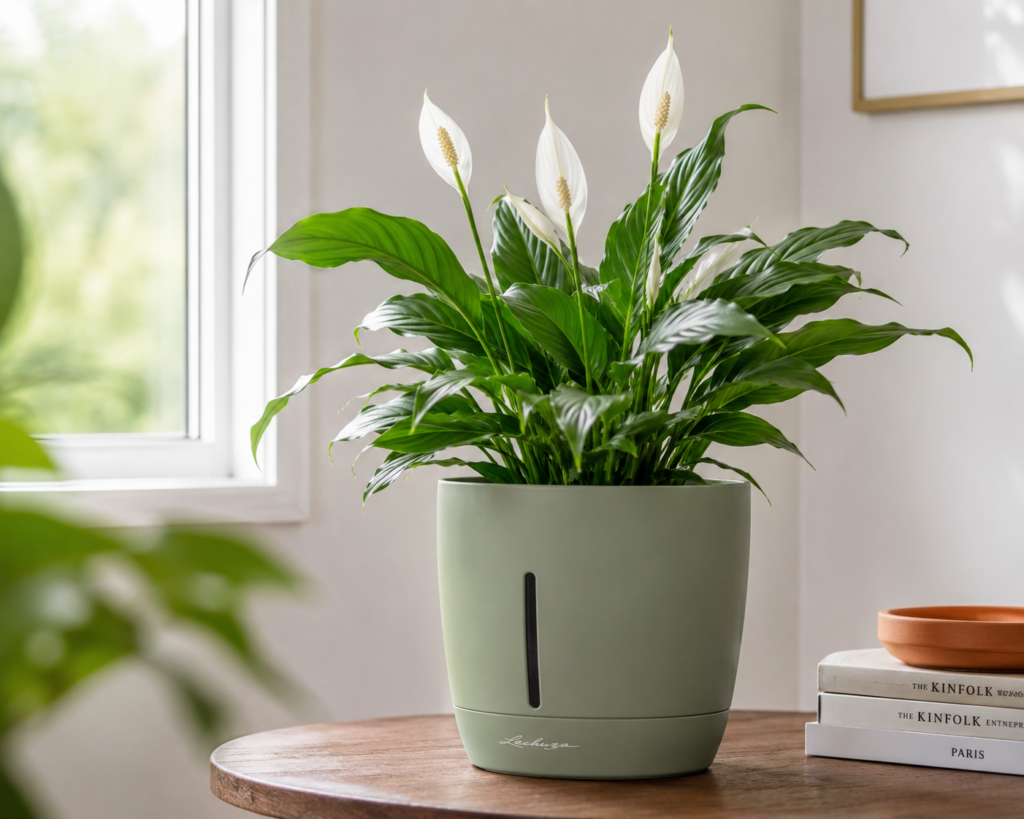
Hook: If you have thirsty plants like peace lilies or ferns, a self-watering planter is one of the fastest ways to cut weekly tasks in half.
The Detail: Look for a planter with a built-in reservoir and a wicking cord or capillary mat — brands with a visible water-level indicator make refills even easier to track. Fill the reservoir fully, then check the indicator weekly instead of watering blindly every few days. The main mistake people make is using a self-watering pot for succulents or cacti, which actually need dry-out periods between waterings.
💡 Pro Tip: Use a well-draining potting mix with extra perlite in self-watering pots — dense soil can clog the wicking mechanism over time.
Reserve self-watering pots for moisture-loving plants only, and you’ll notice far fewer wilted leaves waiting for you after a busy week.
Best planters for thirsty houseplants | guidance on watering frequency by plant type
Group Plants by Water Needs, Not by Looks
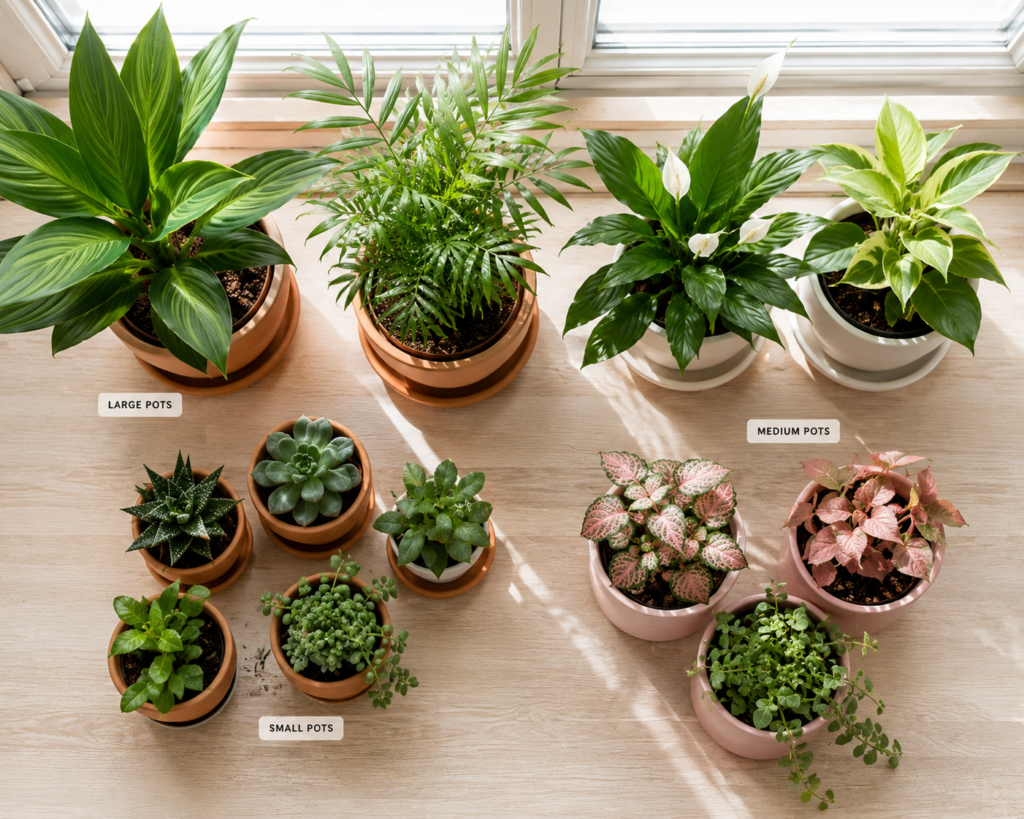
Hook: Mixing thirsty tropicals with drought-tolerant succulents on the same shelf all but guarantees you’ll overwater one or underwater the other.
The Detail: Sort your plants into two or three simple groups: “water weekly” (ferns, peace lilies, calatheas), “water every 10–14 days” (pothos, philodendron), and “water every 2–3 weeks” (succulents, snake plants, ZZ plants). Rearrange your shelves or windowsill so each group sits together. This alone removes the guesswork that leads to unnecessary daily check-ins.
Best varieties for this approach: snake plant, ZZ plant, pothos, and jade plant all group well into the “low-frequency” category.
Windowsill layout ideas by plant type | drought-tolerant houseplant options
Switch to Slow-Release Fertilizer Pellets
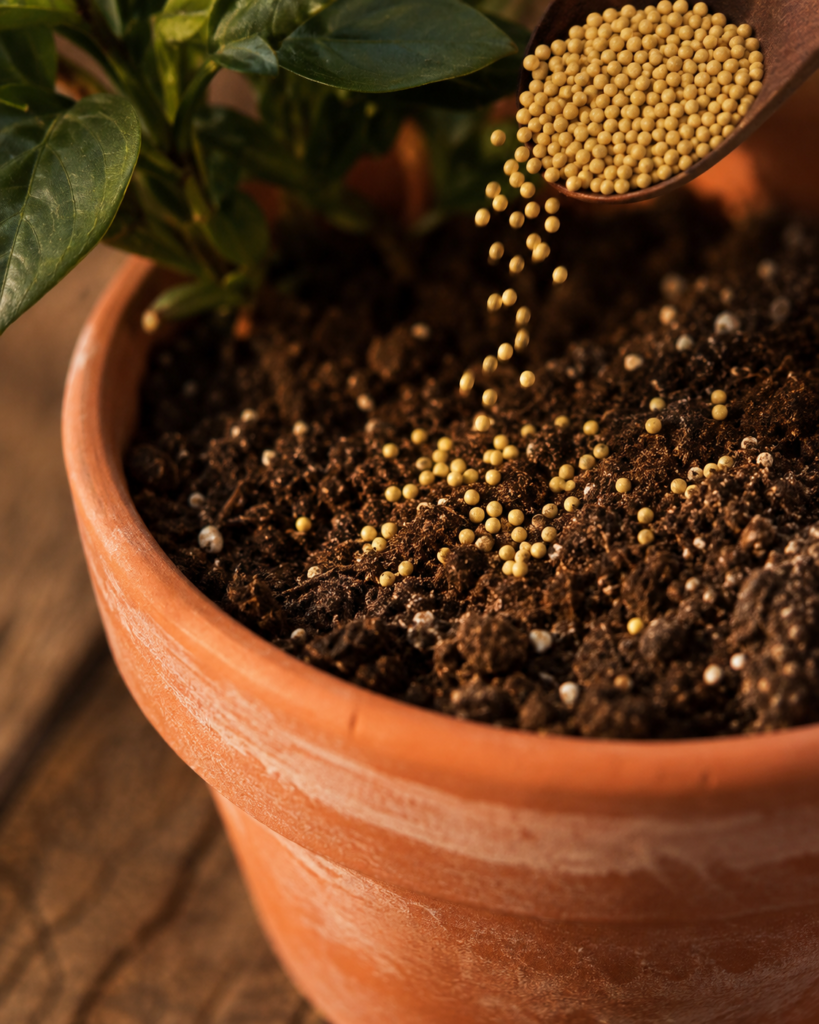
Hook: Weekly liquid feeding is one of the easiest tasks to quietly drop from your routine.
The Detail: Slow-release granular fertilizer releases nutrients gradually every time you water, feeding your plant for 2–3 months per application instead of requiring a weekly diluted feed. Work the pellets into the top inch of soil during spring repotting, or scatter them on the surface for established plants. The common mistake is over-applying — more pellets don’t mean faster growth, just a higher risk of fertilizer burn on the roots.
💡 Pro Tip: Apply slow-release fertilizer right when you see new spring growth start — this is when your plant can actually use the extra nutrients, rather than during dormant winter months.
How to fertilize houseplants correctly | fertilizer basics for container plants
Install a Simple Drip Irrigation Timer for Your Balcony
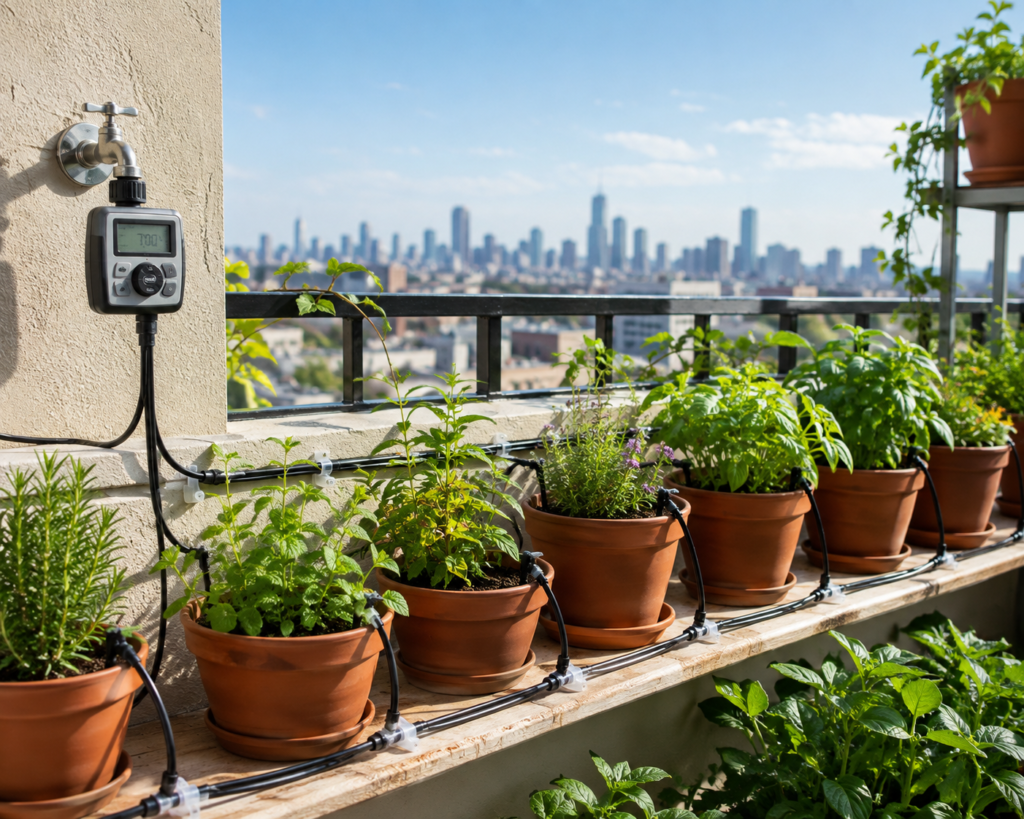
Hook: For anyone managing more than five outdoor containers, a drip irrigation timer turns balcony watering into a completely hands-off task.
The Detail: A basic kit includes a hose connector, a battery-powered timer, a main line, and small drip emitters for each pot. Set the timer for early morning watering (6–8 a.m.) so plants absorb moisture before the day heats up, and adjust the duration seasonally — more in summer, far less in cooler months. The pro insight here is to check emitters monthly for clogs, since mineral buildup from tap water can slow the flow over a season.
Balcony irrigation setup guide | seasonal watering adjustments for container gardens
Repot Into Larger Containers to Delay the Next Repotting
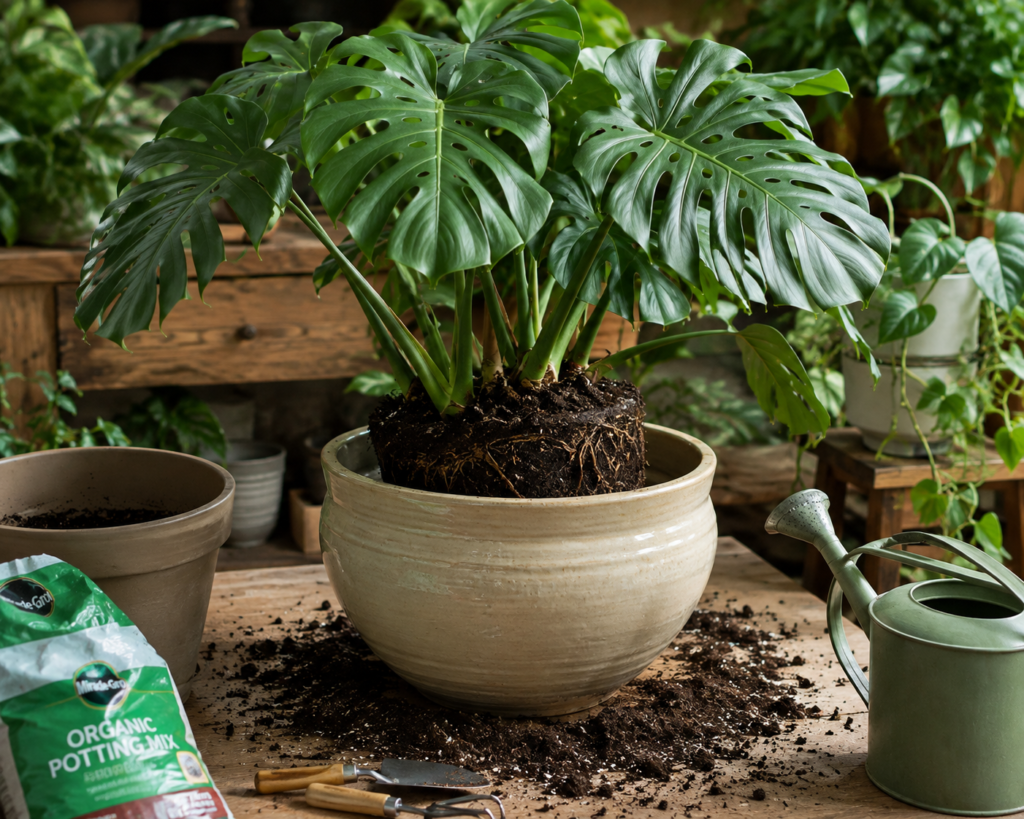
Hook: Sizing up your pot by 2–4 inches instead of the usual 1–2 buys you an extra year or more before the next repot.
The Detail: Choose a container roughly 20–30% larger in diameter than the current one — enough room for root growth without so much extra soil that it stays soggy and invites root rot. Repot in spring when the plant is actively growing, and refresh the soil fully rather than just adding a bit to the top. Avoid jumping several sizes at once for slow growers like snake plants, which prefer snugger pots anyway.
Repotting size guide by plant type | signs your plant is ready to be repotted
Mulch Container Soil to Cut Down on Watering Frequency
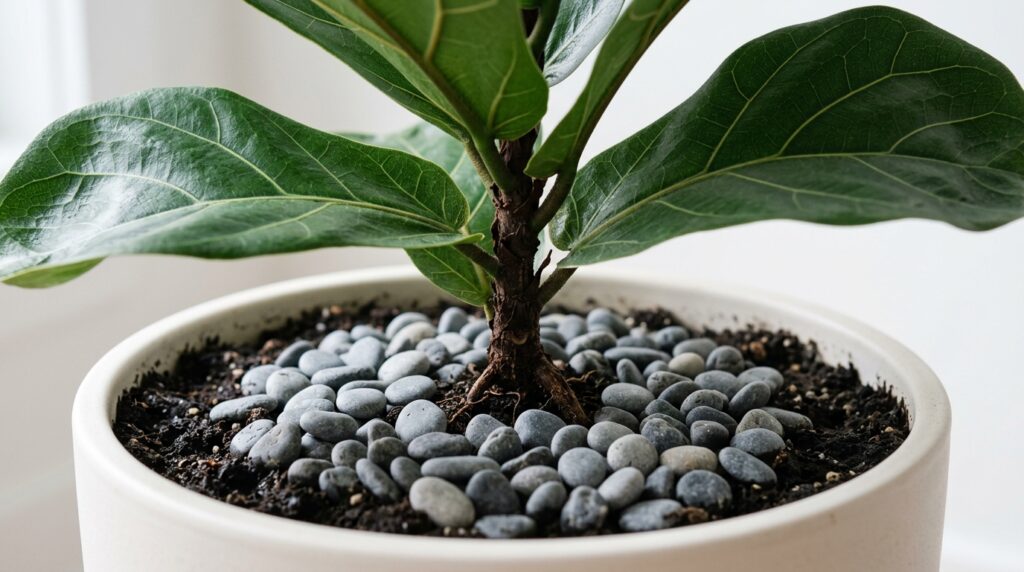
Hook: A one-inch layer of mulch on top of your container soil can meaningfully slow evaporation between waterings.
The Detail: Use decorative pebbles, bark chips, or sphagnum moss as a topper — all reduce moisture loss from the soil surface while adding a finished look to your pots. Apply after watering, leaving a small gap around the stem so moisture doesn’t sit against it. This works especially well for larger floor plants that dry out fast in centrally heated homes during winter.
💡 Pro Tip: Sphagnum moss mulch also helps moisture-loving plants like calatheas maintain the humidity they need without a separate humidifier.
Mulching options for indoor containers | moisture retention techniques for potted plants
Choose Naturally Low-Maintenance Plants From the Start
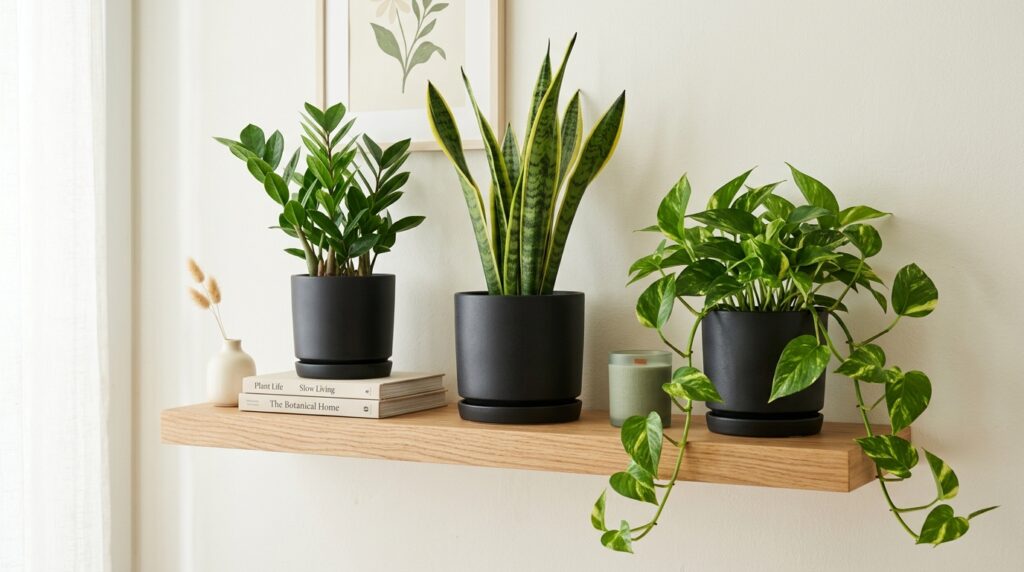
Hook: The single biggest time-saver is picking plants that were built for neglect in the first place.
The Detail: ZZ plants, snake plants, and pothos tolerate low light, irregular watering, and weeks of being ignored without real damage. These plants store water in thick rhizomes or leaves, meaning a missed week rarely causes harm the way it would with a fern. Swap out any high-maintenance plants that consistently stress you out — there’s no rule that says you have to keep a plant just because you already own it.
Best varieties for this approach: ZZ plant, snake plant, pothos, and cast iron plant.
Best low-maintenance houseplants for beginners | care requirements for ZZ plants
Use a Moisture Meter Instead of Guessing
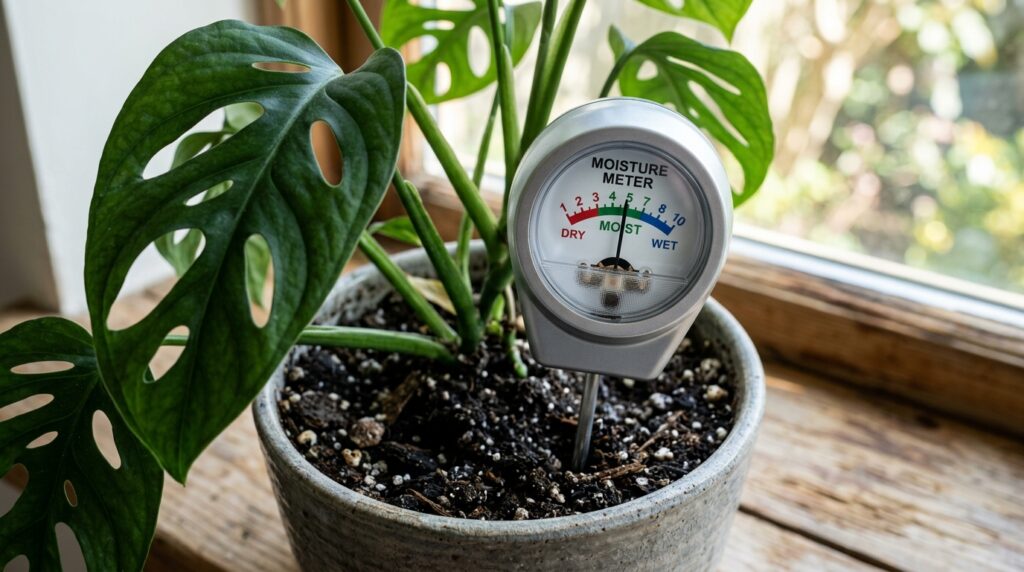
Hook: A five-dollar moisture meter removes the daily “should I water this?” ritual entirely.
The Detail: Insert the probe two-thirds of the way into the soil and check the dial — most meters show dry, moist, and wet zones. Water only when the reading falls into the dry zone for that specific plant’s needs, rather than on a fixed calendar schedule. This is far more reliable than the finger test for deep pots, where the surface can feel dry while the root zone is still saturated.
How to read a soil moisture meter correctly | signs of overwatering vs underwatering
Switch High-Maintenance Annuals for Perennials on Your Balcony
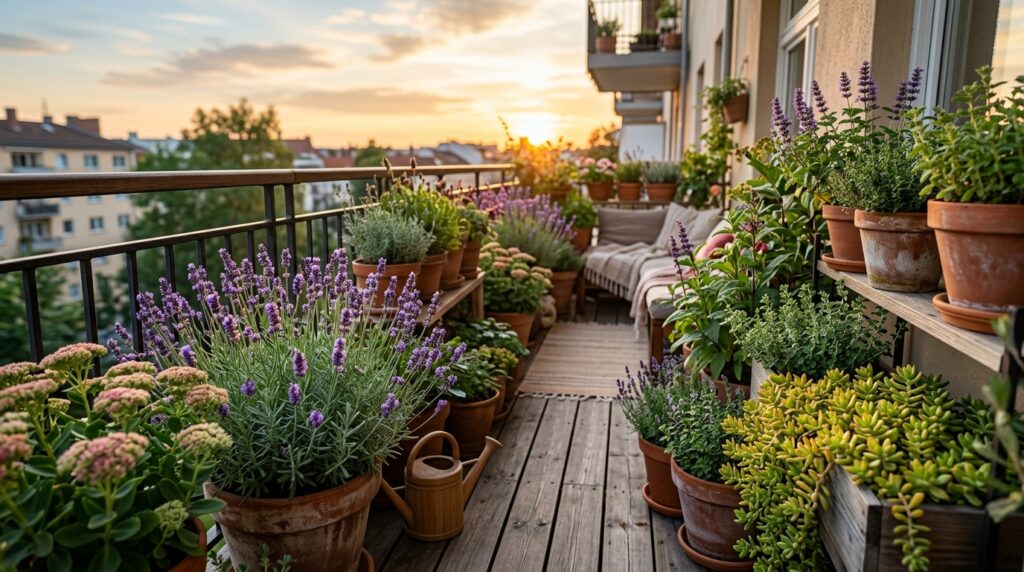
Hook: Annuals need replanting every single year — perennials just need a yearly trim.
The Detail: Lavender, sedum, and ornamental grasses return year after year in the same container with minimal fuss, unlike petunias or marigolds that need full replanting each spring. Choose varieties rated for your climate zone so they survive winter in the pot rather than needing to be brought indoors. The main trade-off is a shorter, less dramatic bloom window compared to annuals — a fair exchange for most busy gardeners.
Best perennials for balcony containers | choosing perennials for your hardiness zone
Batch Your Pruning Into One Monthly Session
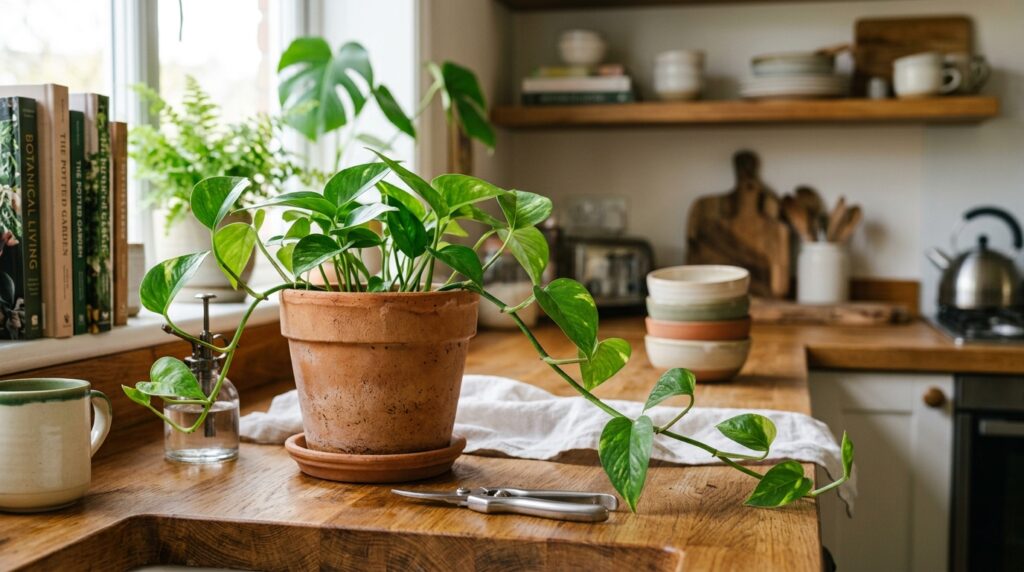
Hook: Pruning a little bit every day adds up to more total time than doing it all at once, deliberately.
The Detail: Set aside one 20–30 minute session per month to walk through your whole collection, trimming leggy vines, yellowing leaves, and spent flowers in one pass. Use clean, sharp shears to avoid tearing stems, which slows healing and invites disease. Skipping this batch approach in favor of daily “quick trims” tends to create more mess and more decision fatigue over time.
Monthly plant maintenance checklist | proper pruning techniques for houseplants
Skip the Saucer Refill Ritual With Deep Cache Pots
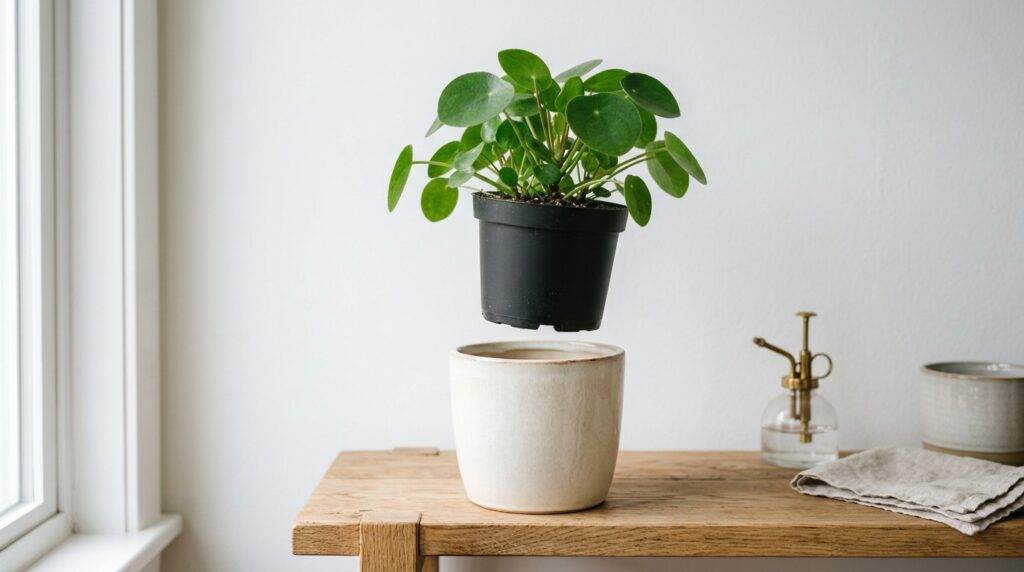
Hook: A deep cache pot means you can water generously without worrying about overflow onto your floor or furniture.
The Detail: Use a plain plastic nursery pot with drainage holes inside a larger decorative pot without holes, leaving a couple inches of depth at the bottom to catch excess water. Water thoroughly until it pools in that reservoir, then let the plant sit above the waterline rather than in standing water. Check the reservoir every week or two and pour out any excess to prevent root rot.
Cache pot vs direct planting guide | drainage basics for indoor containers
Add a Humidity Tray Instead of Daily Misting
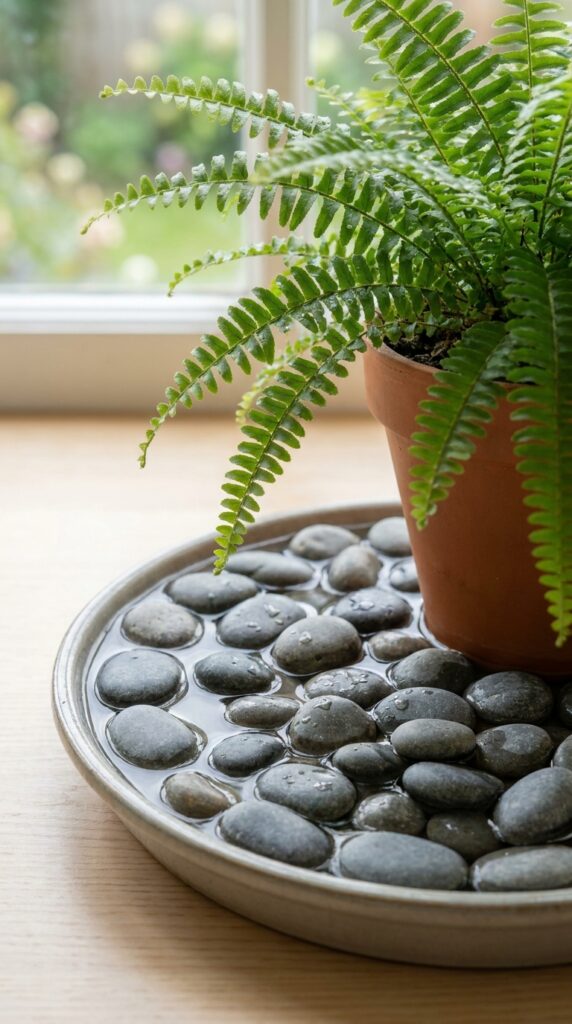
Hook: Daily misting barely raises humidity and has to be repeated constantly — a pebble tray works around the clock instead.
The Detail: Fill a shallow tray with pebbles, add water just below the top of the stones, and set your pot on top without letting the base touch the water directly. As water evaporates, it raises the humidity immediately around the plant, benefiting ferns, calatheas, and other tropical foliage. Refill the tray roughly once a week rather than misting multiple times a day for a fraction of the benefit.
💡 Pro Tip: Group several humidity-loving plants around one shared tray or in one corner — the collective evaporation creates a noticeably more humid microclimate than treating each plant individually.
DIY humidity tray tutorial | humidity needs of common tropical houseplants
Use Neem Oil Preventively Instead of Reactively
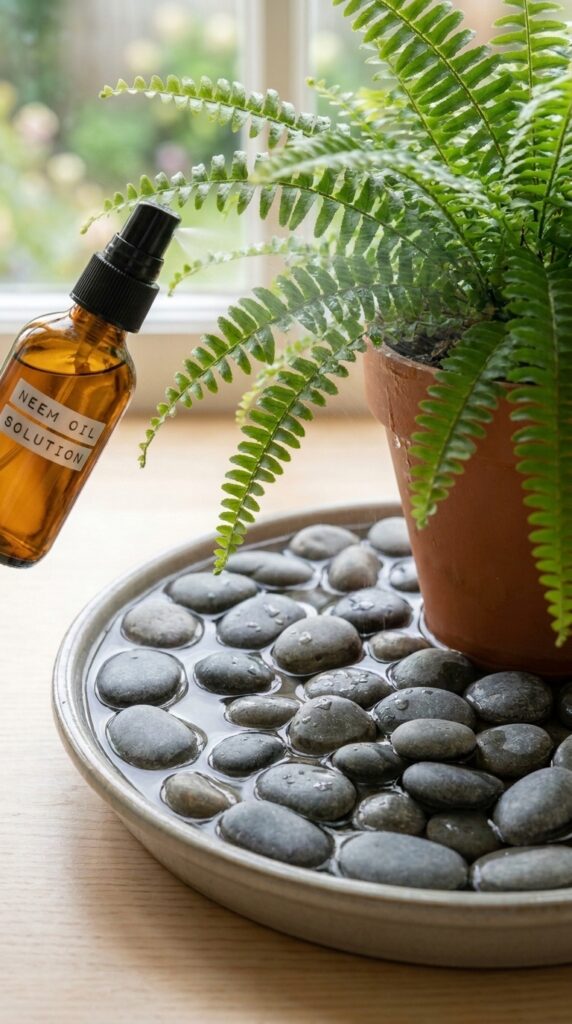
Hook: Treating pests once they’ve taken hold always costs more time than preventing them in the first place.
The Detail: Mix a diluted neem oil solution and apply it to leaves (top and underside) once a month as routine prevention, rather than only reaching for it once you spot spider mites or aphids. Apply in the evening or in indirect light, since direct sun on wet, oiled leaves can cause leaf burn. This single monthly step usually prevents the multi-week battles that heavy infestations require.
What works vs. what to avoid: monthly preventive spraying works; waiting until you see webbing or sticky residue means a much longer treatment process.
Neem oil application schedule for houseplants | identifying common houseplant pests
Set Up a Vertical Garden to Reduce Ground-Level Clutter and Care
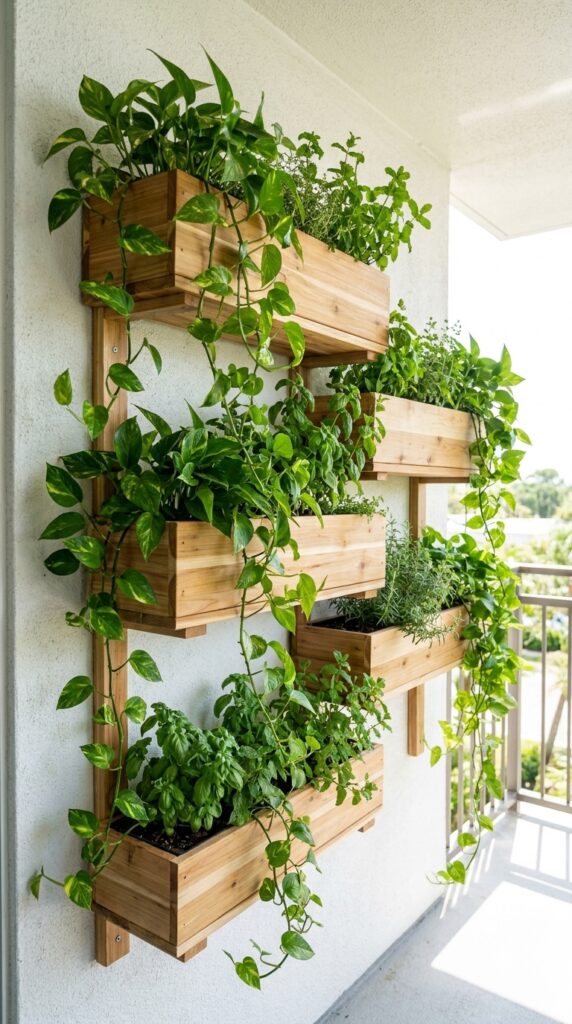
Hook: A vertical planter keeps every plant at eye level, so nothing gets forgotten in a corner.
The Detail: Wall-mounted pocket planters or tiered shelving let you see the whole collection in one glance, which naturally reduces the neglected-plant problem that happens with scattered floor pots. Group plants with similar watering needs on the same tier so you can water an entire row in one pass. Anchor mounts securely into wall studs, since a fully watered vertical system carries real weight.
Vertical garden setup ideas for small spaces | wall planting systems for apartments
Automate Feeding With Fertilizer Spikes for Set-and-Forget Care
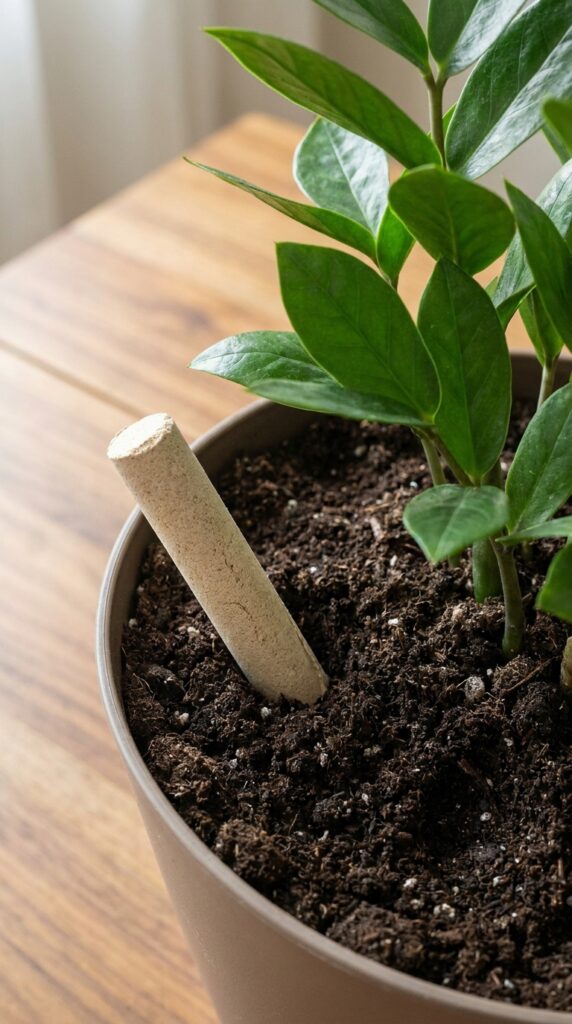
Hook: Fertilizer spikes are the closest thing to true “set it and forget it” plant feeding.
The Detail: Push the spike into moist soil a few inches from the stem, angled away from the roots to avoid direct contact, and it will release nutrients steadily for roughly 8–12 weeks. This works particularly well for larger floor plants where mixing and pouring liquid feed each week becomes tedious. Mark your calendar for the replacement date so you’re not guessing when the spike runs out.
Fertilizer spikes vs liquid feed comparison | feeding schedules for common houseplants
Choose Self-Cleaning Pots With Built-In Overflow Drainage
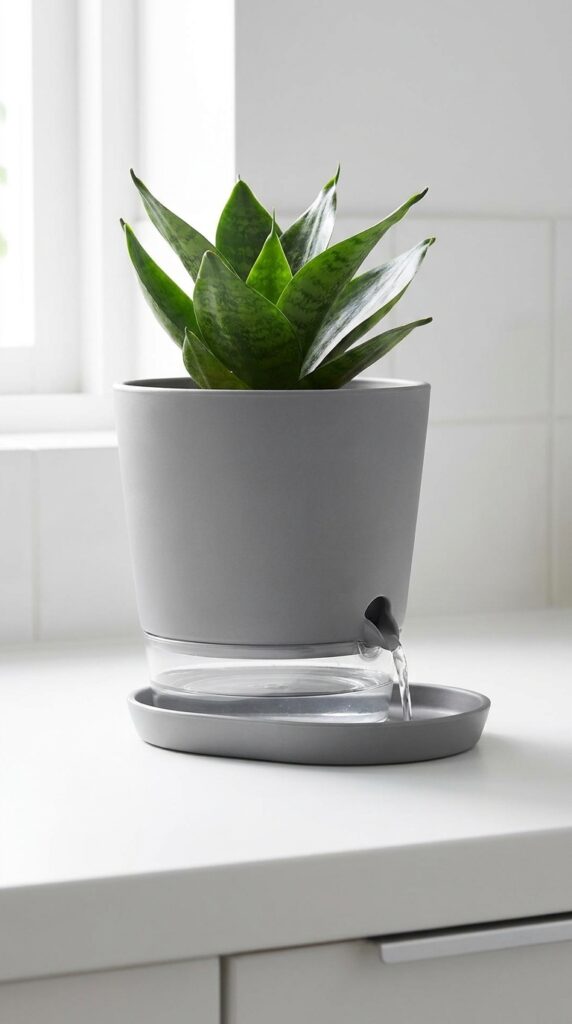
Hook: A planter with built-in overflow drainage means you never have to worry about watering “too much.”
The Detail: These pots channel excess water into a hidden internal reservoir or out through a side spout, so you can water generously without risking root rot from standing water. This removes the constant mental math of “is this enough, is this too much” that trips up a lot of beginners. It’s especially useful for kitchen countertop herbs, which get watered casually and often.
Best overflow-drainage planters for kitchens | drainage requirements for potted plants
Switch to Perlite-Heavy Soil Mixes for Faster Drying
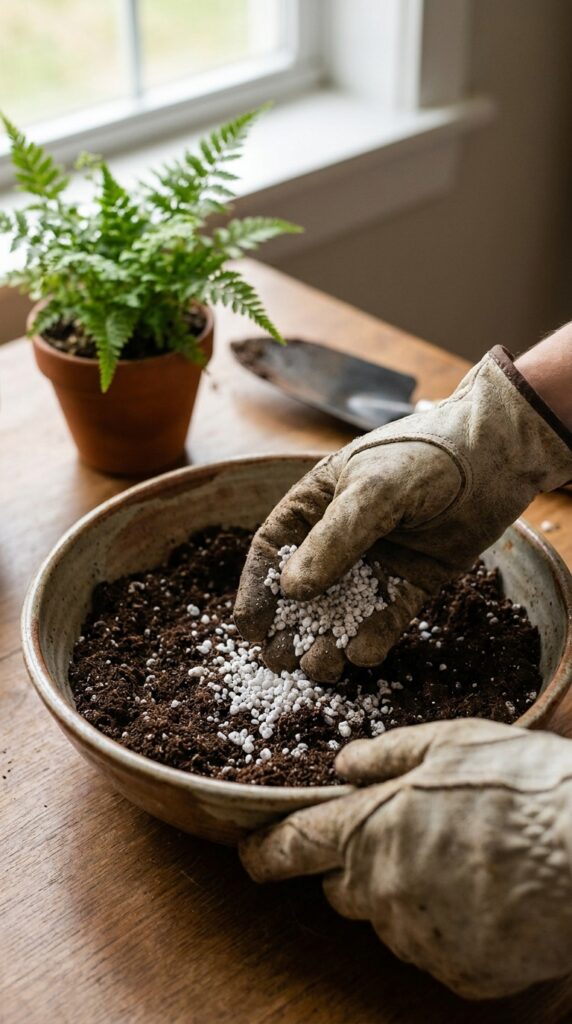
Hook: The right soil mix can mean the difference between watering twice a week and once every ten days.
The Detail: Blend standard potting soil with 20–30% perlite or pumice to improve drainage and airflow, so pots dry out faster and more evenly between waterings. This is especially helpful for succulents, snake plants, and other species prone to root rot in dense, moisture-retentive soil. Avoid using straight garden soil in containers — it compacts quickly and holds far more water than most houseplants can handle.
DIY well-draining soil mix recipe | soil composition basics for container plants
Cluster Plants Together to Create a Self-Sustaining Microclimate
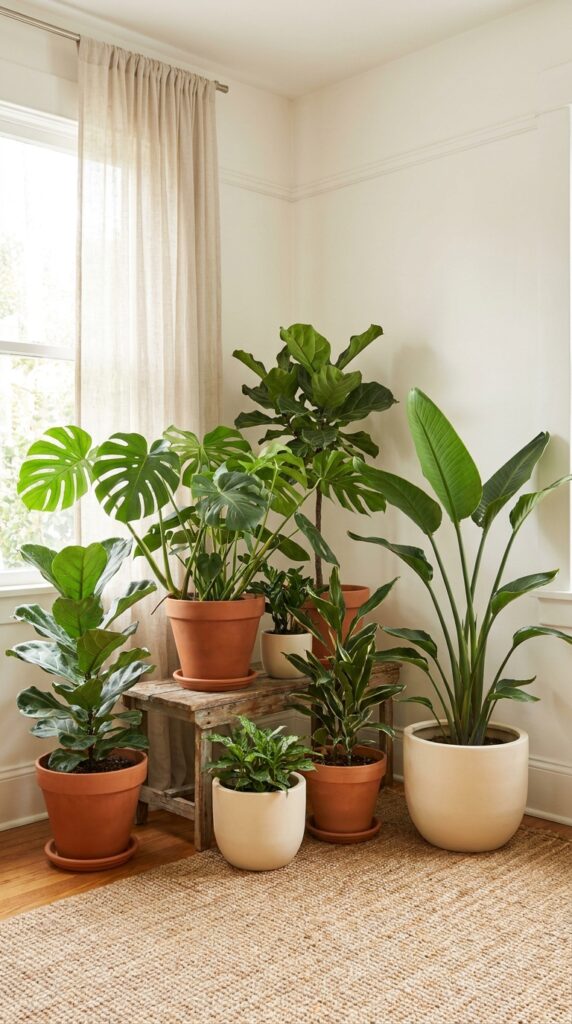
Hook: Plants grouped closely together create their own shared humidity and shade, meaning less individual attention from you.
The Detail: Position broad-leafed tropicals so their canopies slightly overlap, which naturally raises humidity around the whole cluster and reduces how often each one dries out. Leave enough space for airflow to avoid fungal issues, especially in humid climates. This clustering effect can noticeably extend the interval between waterings for the plants in the middle of the group.
How to arrange a plant cluster for shared humidity | tropical plant care basics
Choose Terracotta Over Plastic for Moisture-Sensitive Plants
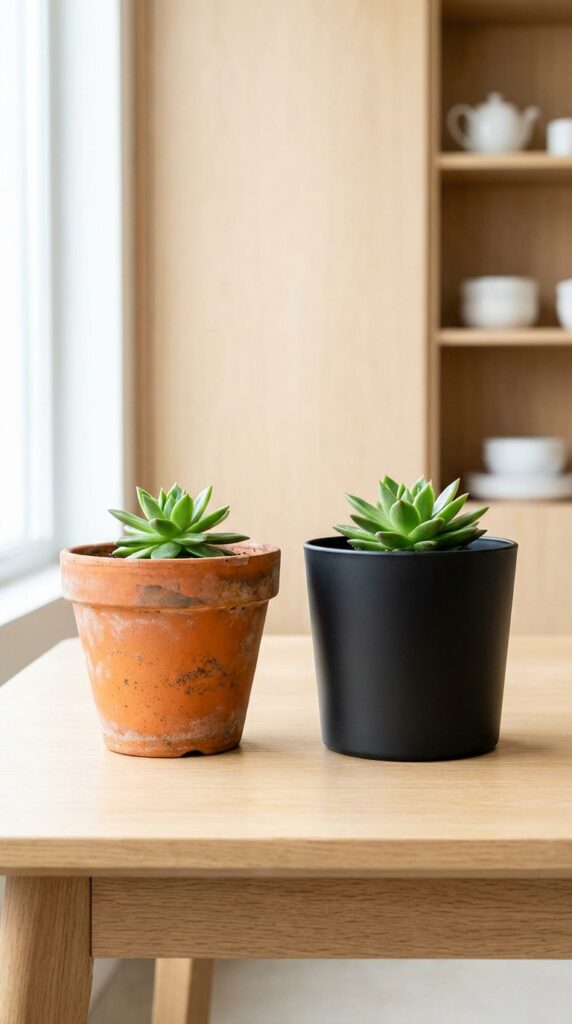
Hook: Terracotta’s porous walls do part of the drying-out work for you.
The Detail: Because terracotta is porous, it wicks moisture out through the walls, helping soil dry faster than it would in a sealed plastic pot — ideal for succulents, cacti, and other plants prone to root rot. Plastic pots retain moisture longer, which suits ferns and other thirsty plants but works against drought-tolerant species. Matching pot material to plant type prevents the constant troubleshooting that comes from fighting the wrong setup.
💡 Pro Tip: If you love the look of a glazed or plastic pot, use it as a cache pot around an inner terracotta liner — you get the aesthetic and the drainage benefit together.
Terracotta vs plastic pots explained | pot material and plant health
Set a Recurring Calendar Reminder Instead of Relying on Memory
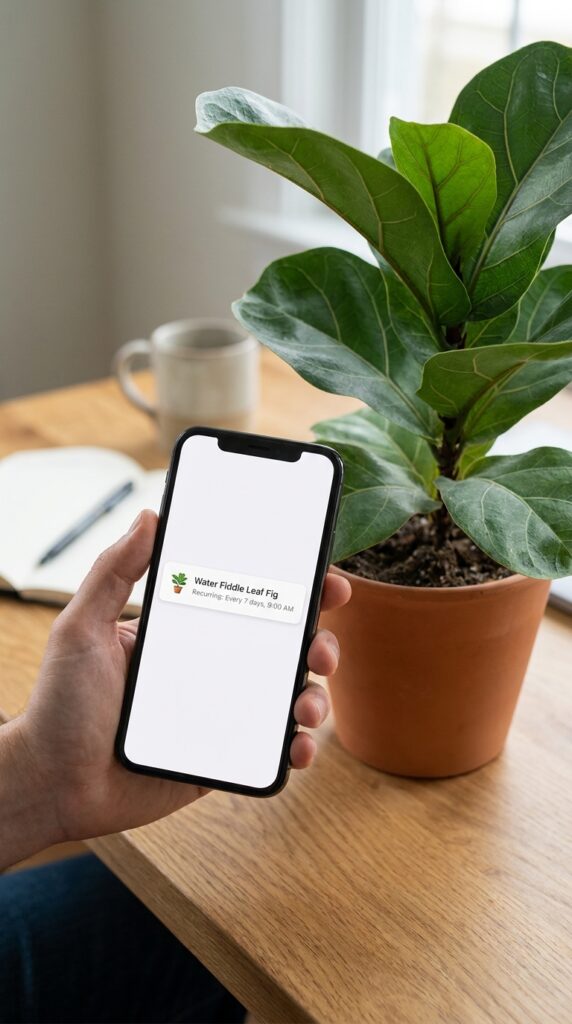
Hook: The plants that die from neglect usually aren’t neglected on purpose — they’re just forgotten.
The Detail: Set separate recurring reminders for each watering group (weekly, biweekly, monthly) rather than one generic “water plants” alert that gets ignored. Pair the reminder with the actual task, like “check moisture meter” or “top off humidity tray,” so it’s specific enough to act on immediately. This tiny system removes the mental load of tracking multiple plants’ schedules in your head.
Setting up a plant care reminder system | general plant care scheduling tips
Choose Self-Grooming Plants That Shed Old Growth Naturally
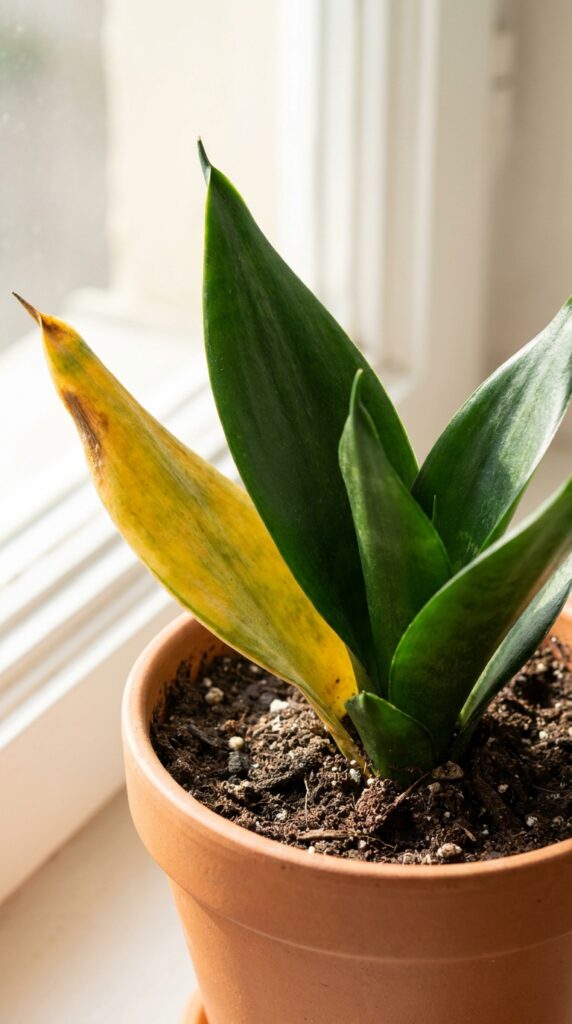
Hook: Some plants handle their own “grooming,” dropping spent leaves cleanly instead of requiring constant deadheading.
The Detail: Species like snake plants and ZZ plants shed old leaves at the base with minimal mess, unlike flowering plants that need frequent deadheading to keep blooming. Simply pull off fully yellowed leaves during your monthly pruning pass rather than checking daily. This is a good trade if you love greenery but don’t want the ongoing grooming that flowering displays demand.
Low-grooming plants for busy schedules | understanding natural leaf drop vs plant stress
Use Self-Coiling or Retractable Hoses for Faster Outdoor Watering
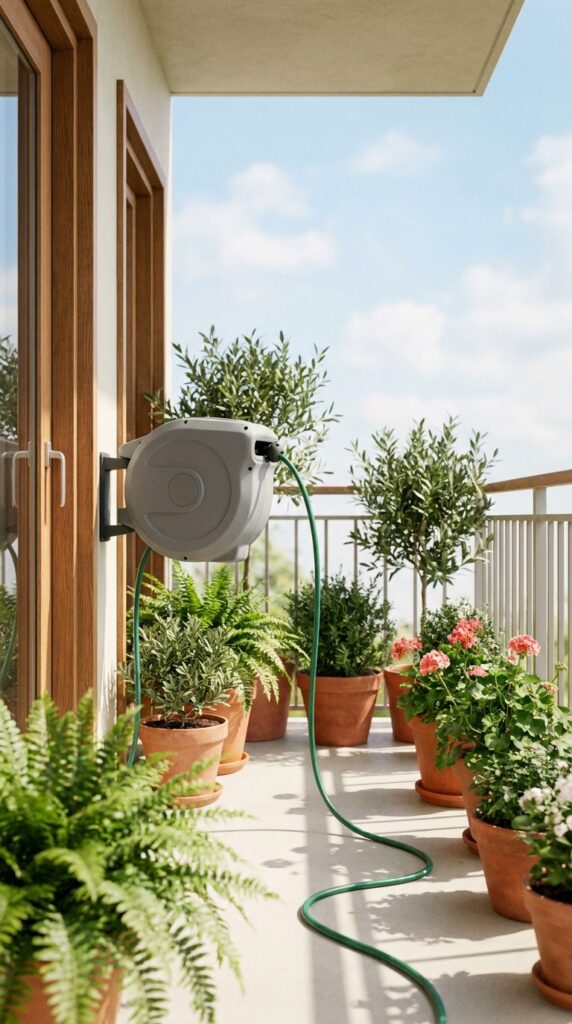
Hook: A tangled hose can turn a five-minute watering task into a fifteen-minute wrestling match.
The Detail: A retractable reel mounted near your water source keeps the hose ready to grab and instantly stowed afterward, removing the coiling and untangling that eats up real time each week. Choose a length that reaches your farthest container without excess slack pooling on the ground. This small upgrade matters most for larger balconies or patios with more than a handful of pots.
Best compact hoses for balcony gardens | efficient watering tools for small outdoor spaces
Rotate Plants Seasonally Instead of Fighting Their Light Needs Year-Round
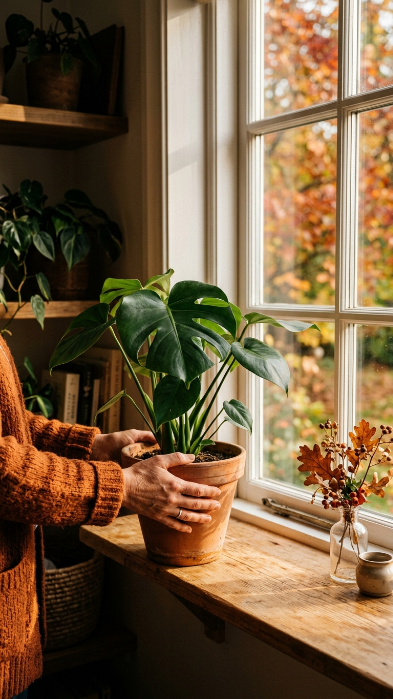
Hook: Fighting a plant’s seasonal light needs with grow lights and constant repositioning takes more effort than simply moving it twice a year.
The Detail: Move light-hungry plants to your brightest south- or west-facing window for the darker months, then shift them back in spring and summer if that spot gets too intense. This seasonal swap, done just twice a year, prevents the weekly leggy-growth troubleshooting that comes from a plant sitting in the wrong light for months. Keep a simple note of which window works best each season so you’re not re-deciding every year.
Seasonal plant placement guide by window direction | understanding light requirements for houseplants
Skip High-Maintenance Flowering Plants for Reliable Foliage Varieties
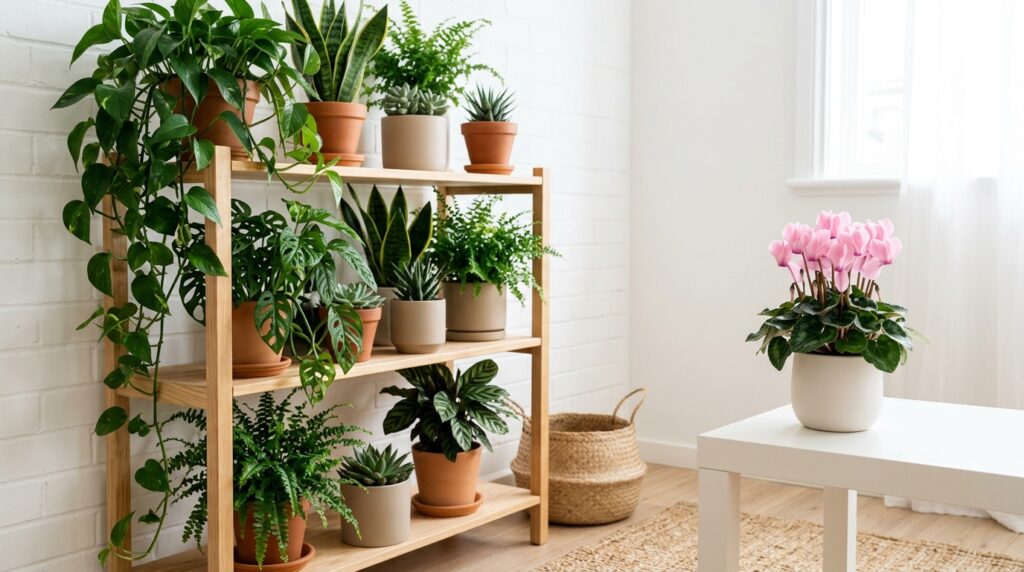
Hook: Flowering plants look stunning but usually demand more deadheading, feeding, and precise light than foliage plants ever will.
The Detail: Species like orchids and African violets need specific light, humidity, and feeding schedules to keep blooming, while foliage plants like pothos, philodendron, and calathea just need consistent basic care to look full and healthy year-round. If your goal is genuinely less weekly work, building your collection primarily around foliage with one or two flowering “statement” plants strikes the right balance.
Beginner vs. Advanced version of this idea: beginners should stick to foliage-only collections; more experienced gardeners can add one flowering plant per room once basic care routines are solid.
Foliage-first houseplant collection guide | comparing care needs of flowering vs foliage plants
Build a Simple End-of-Week Reset Routine Instead of Daily Checks
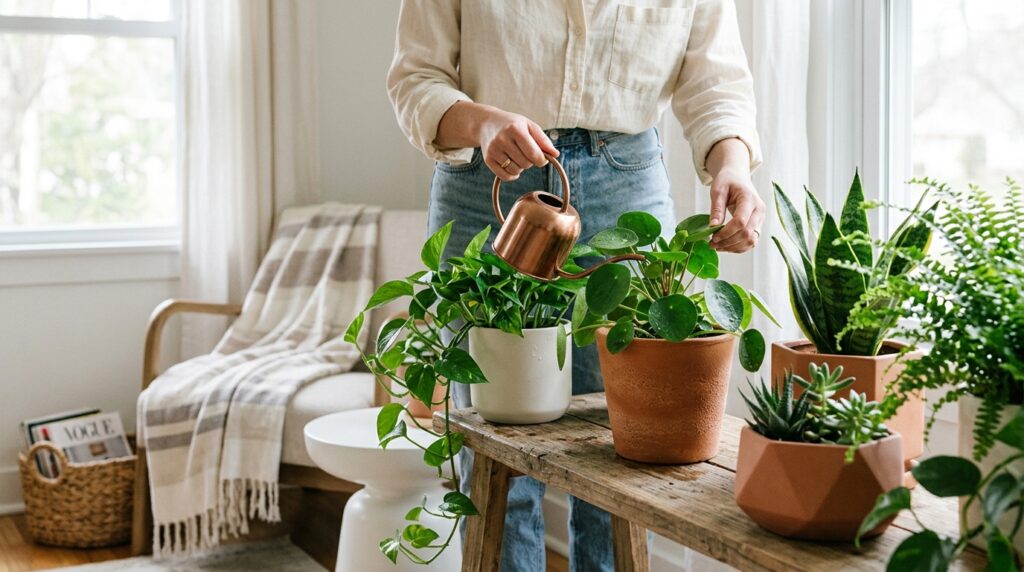
Hook: One focused 20-minute session a week beats seven scattered five-minute check-ins that never quite cover everything.
The Detail: Pick one day — a Sunday morning works well for most people — and walk through watering checks, a quick pest glance, and any small trims in one pass. Keep a simple written or phone-note checklist so nothing gets skipped between weeks. This single habit consolidates almost every other tip on this list into one predictable block of time instead of daily interruptions.
Weekly plant care checklist template | building sustainable gardening routines
Getting Started With Reducing Weekly Garden Tasks
Start small: pick your three thirstiest plants and switch them to a self-watering pot or a deep cache pot this week. That single change alone tends to save the most time, since frequent watering is usually the biggest weekly time drain. The most common mistake beginners make is trying to overhaul everything at once — swapping every pot, every soil mix, and every fertilizer in the same weekend — which usually leads to plant stress and inconsistent results.
For your first purchase, get one self-watering planter, a bag of perlite to amend your existing soil, and a basic moisture meter. These three items alone address watering frequency, soil drainage, and guesswork — the three most common sources of extra weekly tasks. Realistically, you’ll notice the time savings within two to three weeks, once your plants settle into their new watering rhythm and you stop second-guessing yourself.
Frequently Asked Questions
How often should I water houseplants to reduce weekly maintenance?
It depends on the plant, but grouping by water needs helps: most tropical foliage plants like pothos need water every 7–10 days, while succulents and snake plants can go 2–3 weeks between waterings. Using a moisture meter instead of a fixed schedule prevents unnecessary daily checking.
Can I really cut my plant care down to once a week?
Yes, for most low-maintenance plants. ZZ plants, snake plants, and pothos can realistically be checked just once a week if you’re using well-draining soil and appropriately sized pots. Higher-maintenance plants like ferns or calatheas will still need more frequent attention regardless of system changes.
What’s the best low-maintenance plant for a busy schedule?
The ZZ plant is widely considered one of the most forgiving houseplants, tolerating low light and irregular watering for weeks at a time. Snake plants and pothos are close runners-up for anyone wanting minimal weekly involvement.
Why is my plant still dying even with a self-watering pot?
Self-watering pots only help moisture-loving plants — using one for a succulent or cactus that needs dry-out periods can cause root rot instead of preventing it. Match the pot type to the plant’s actual water needs rather than assuming every plant benefits from constant moisture.
How much sunlight do low-maintenance plants actually need?
Most low-maintenance options like pothos and ZZ plants do well in medium, indirect light — roughly 4-6 feet from an unobstructed window is usually sufficient. Very low light corners will slow growth but rarely kill these particular species outright.
A Few Final Thoughts
Cutting down your weekly garden tasks doesn’t mean cutting corners — it means building a setup that works with your plants instead of against your own schedule. Of these 24 ideas, even picking just three or four — a self-watering pot here, a moisture meter there, a switch to low-maintenance plants for your busiest shelf — adds up to real time back in your week. Your garden should give you more calm than chores. One small system change, one better pot, one smarter grouping — your lower-maintenance garden starts today.