
The first time I deadheaded a stand of purple coneflowers, I cut them all the way back to the base like I would with spent daffodil foliage — and spent the rest of July staring at bare, flowerless stalks while my neighbor’s Echinacea kept blooming into September. Coneflowers are forgiving plants, but deadheading them wrong wastes a step that should be doing real work for you: pushing the plant to throw out fresh buds instead of pouring energy into seed. Get the timing and the cut location right, and a single Echinacea purpurea clump can bloom in flushes from June clear through the first frost. Get it wrong, and you’re just tidying up a plant that’s already decided its season is over. Here’s exactly how it’s done.
Quick Answer: Deadhead coneflowers as soon as the petals droop and the central cone turns brown and dry, cutting the stem about a quarter inch above the first full set of healthy leaves or a side bud. Do this every 7–10 days through midsummer, then stop deadheading by late summer so the last flush can go to seed for birds.
Why Coneflower Deadheading Is Worth Your Time
Echinacea purpurea is genetically wired to flower, set seed, and call it a season. Once a bloom is pollinated and starts forming seed, the plant redirects sugars and nitrogen away from new bud production — which is why an undeadheaded stand tends to bloom hard in June and July, then peter out by mid-August even though the growing season has months left. Removing the spent flower before seed-set convinces the plant it hasn’t reproduced yet, and it responds by pushing lateral buds lower on the same stem.
In practice, a consistently deadheaded coneflower planting can push its bloom window out by four to six weeks compared with one left alone, without any extra fertilizer or water. It also keeps the bed looking intentional rather than scraggly, since spent cones turn a dull grayish-brown that reads as “neglected” from ten feet away.
The trade-off is that goldfinches, which strip coneflower seed heads through fall and winter, need you to stop at some point. Deadheading isn’t a season-long chore — it’s a technique with a start date and a stop date, and knowing both is most of the skill.
At a Glance
- Best deadheading window: Early June through mid-to-late August, checking plants every 7–10 days.
- Where to cut: About ¼ inch above the first full, healthy leaf set or a visible side bud, not at the plant base.
- Angle: A 45-degree cut sheds water and reduces rot risk at the wound.
- When to stop: Leave the last 2–3 weeks of blooms unclipped so seed heads can mature for goldfinches and winter interest.
- Tools: Sharp bypass pruners, wiped with rubbing alcohol between plants to avoid spreading aster yellows disease.
Coneflower Deadheading At A Glance
| Task | Time Needed | Difficulty | Best Time of Day | Tools Needed |
| Spot-checking blooms | 5 min/week | Easy | Morning | None |
| Deadheading a single stem | 10–15 sec/stem | Easy | Morning or evening | Bypass pruners |
| Sanitizing tools between plants | 30 sec | Easy | Any | Rubbing alcohol, cloth |
| End-of-season fall cutback | 20–30 min/bed | Moderate | Late fall or early spring | Pruners, gloves |
When To Start Deadheading Coneflowers
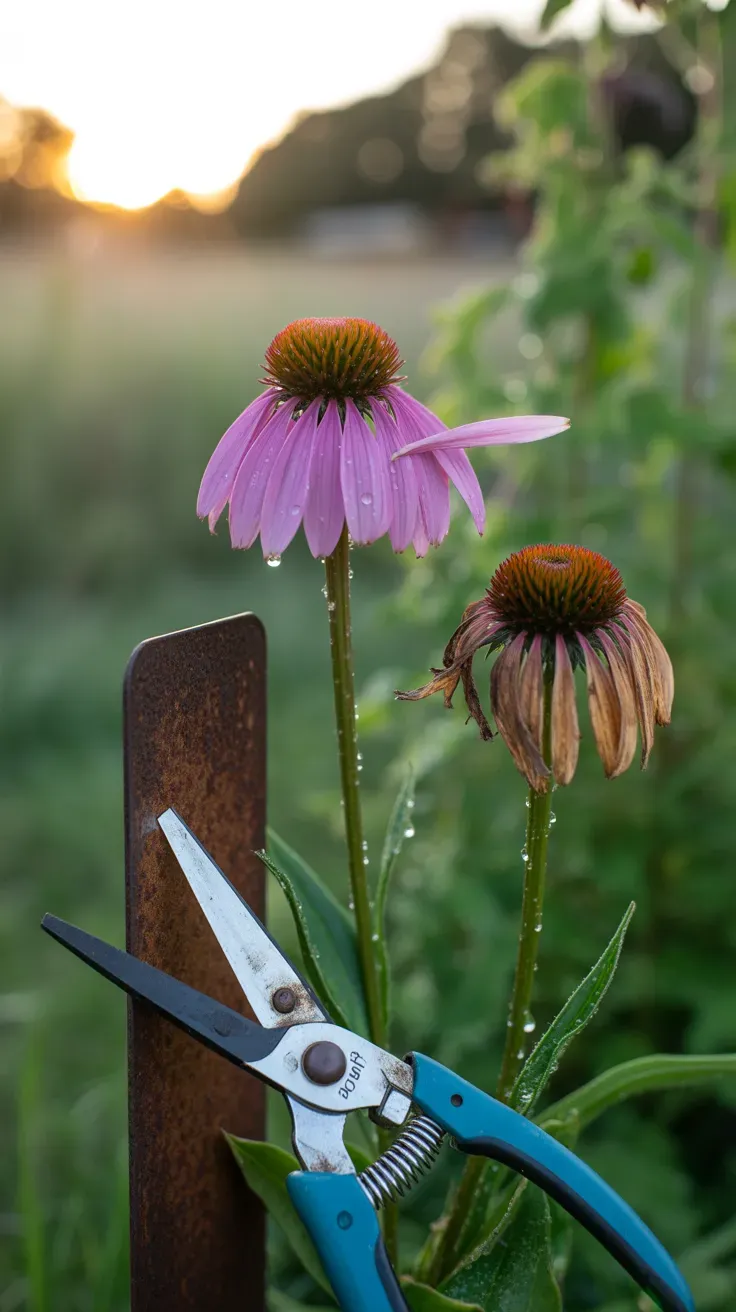
You’ll know a bloom is ready the moment the petals — technically ray florets — start drooping downward and losing their color saturation, usually about 7 to 10 days after the flower fully opened. The spiny center cone, still orange-ish while blooming, dries out and darkens to a dull brown.
That browning cone is the real signal, not the petals. Petals can look ragged from wind or bees days before the cone is actually spent, and cutting too early wastes a bloom that had more life left. Wait for the cone itself to feel dry and slightly crumbly under a light squeeze.
Check plants roughly every 7 to 10 days from early June onward. In my own beds, coneflowers planted in full sun run about three to five business days ahead of the same variety in part shade, so a mixed border needs staggered checking rather than one blanket pass.
Pro Tip: If you’re unsure whether a cone is ready, tap it gently over your palm. A spent cone releases a few loose seeds; a still-productive one holds tight.
See our full pollinator garden planting guide for what to pair coneflowers with. According to the Missouri Botanical Garden’s plant finder, Echinacea purpurea typically blooms from June through August in most temperate zones, which lines up with when this deadheading window matters most.
Getting this timing right is really just paying attention for a few minutes each week — nothing more.
🛒 Shop This Idea
- Echinacea purpurea ‘Magnus’ bare root plants — the classic deadhead-and-rebloom variety this whole technique is built around. Shop on Amazon →
- Stainless steel bypass pruning shears — a clean, sharp cut on the cone stem heals faster than a torn one. Shop on Amazon →
- Slow-release granular perennial flower fertilizer — supports the extra bud production deadheading encourages. Shop on Amazon →
- Weatherproof garden journal with weekly checklist pages — handy for logging your 7–10 day deadhead checks. Shop on Amazon →
- Wide-brim garden sun hat with UPF 50 protection — you’ll be out there checking blooms in full midday sun most weeks. Shop on Amazon →
Where Exactly To Make The Cut
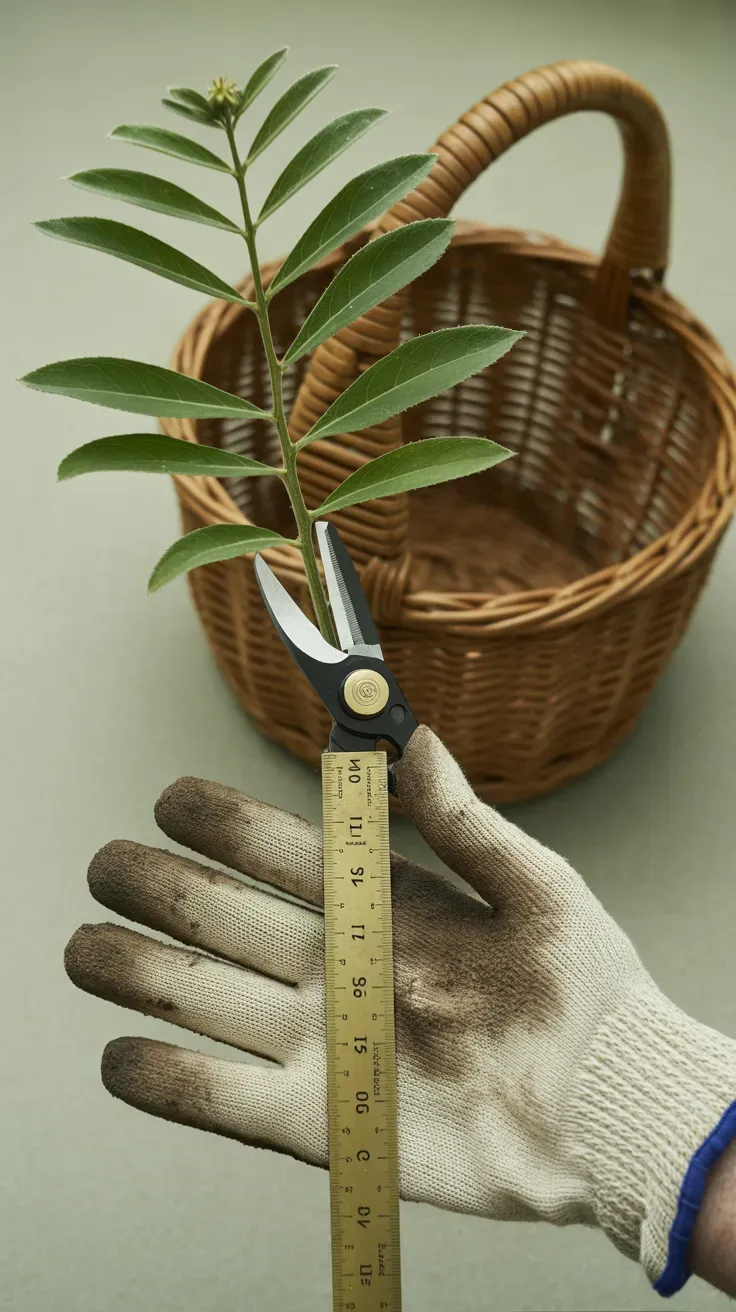
The cut location matters more than most gardeners think. Snip too close to the spent bloom and you leave a bare, leafless stub that never produces another flower. Snip too far down and you remove healthy stem and leaf tissue the plant still needs for photosynthesis.
The right spot is about a quarter inch above the first full set of healthy leaves below the spent bloom, or directly above a visible lateral bud if one is already forming. That lateral bud, often barely a bump at this stage, is where your next flower will actually emerge from within two to three weeks.
Angle the cut at roughly 45 degrees rather than straight across. A slanted cut sheds rainwater instead of pooling it on the wound, which in my experience noticeably cuts down on stem rot during humid stretches.
- Cut too close to the bloom → bare stub, no rebloom
- Cut too far down → wasted healthy foliage
- Cut ¼ inch above a leaf node or lateral bud → new flower in 2–3 weeks
Read more in our perennial pruning schedule for how this compares across other summer bloomers. Penn State Extension’s guidance on herbaceous perennial maintenance confirms that cutting just above a node is standard practice across most branching perennials, not just Echinacea.
Once you’ve made a handful of correct cuts, your eye adjusts and you stop needing to measure at all.
🛒 Shop This Idea
- Titanium-coated micro-tip pruning snips — the fine tip makes it easy to see and clear the leaf node before cutting. Shop on Amazon →
- Folding pocket measuring ruler — handy for training your eye on the quarter-inch cut distance until it’s automatic. Shop on Amazon →
- Coir garden kneeling pad — getting the cut angle right often means kneeling at stem height for a few minutes. Shop on Amazon →
- Breathable nitrile-coated garden gloves — coneflower stems are slightly bristly and these keep grip without bulk. Shop on Amazon →
- Engraved brass plant marker set — mark which stems you’ve already deadheaded on multi-stem clumps. Shop on Amazon →
Deadheading Vs Leaving Seed Heads For Birds
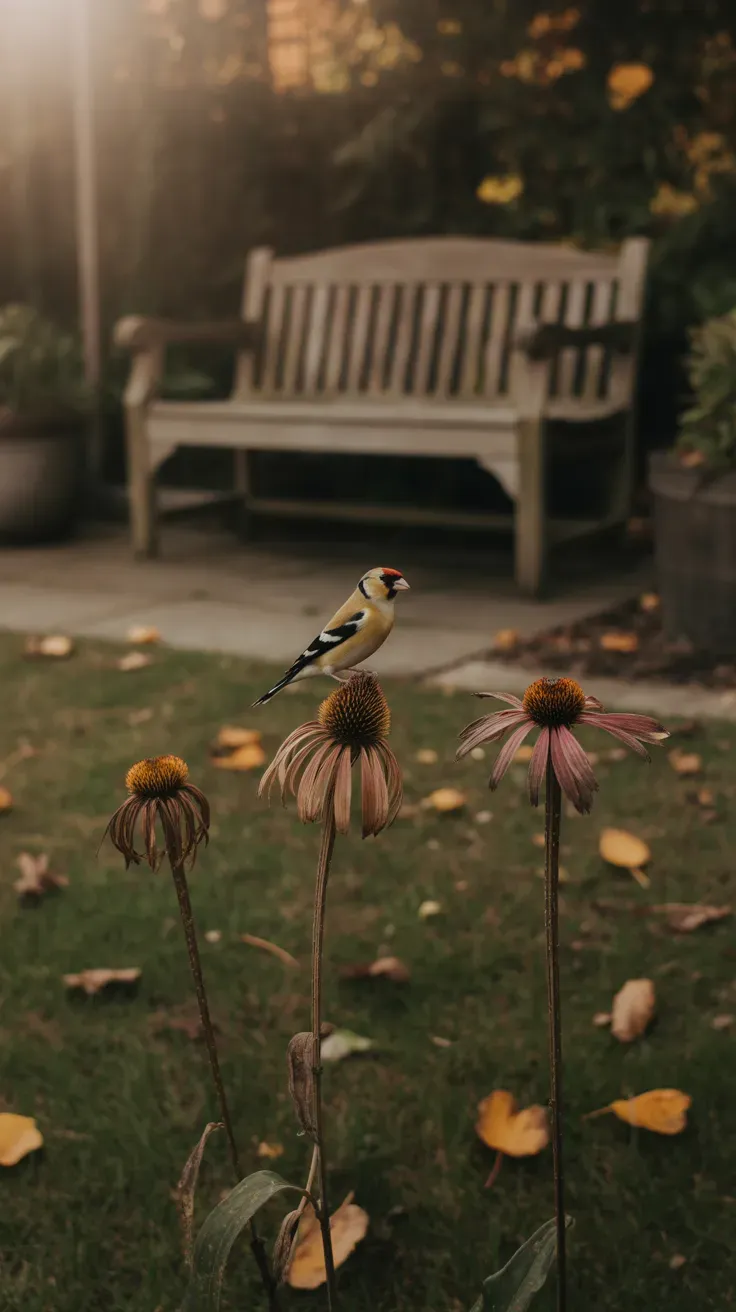
Deadheading isn’t meant to run all season. Every stem you clip is a seed head a goldfinch won’t get to eat in October, so the technique works best as a deliberate trade-off rather than a reflex.
I deadhead hard through June and July, then taper off through August, and stop entirely by early-to-mid September depending on the first-frost date for the zone. That last flush of blooms is left to mature into full seed heads, which goldfinches and other songbirds strip clean through fall and into winter.
If you’re gardening specifically for pollinators and birds rather than maximum bloom count, consider deadheading only the front-of-border stems people actually see, and leaving back-row plants untouched from the start.
Pro Tip: Goldfinches favor coneflower seed over most nyjer feeder mixes in late fall — leaving even one untouched clump can pull noticeably more birds into view from a window.
Our guide to leaving seed heads for winter wildlife covers which other perennials are worth skipping the shears on. The Almanac’s notes on attracting goldfinches with native seed plants list Echinacea among the top three seed sources for the species.
It’s a small compromise that turns a chore into something closer to habitat planning.
🛒 Shop This Idea
- Echinacea angustifolia native prairie seed packet — a straight-species option that produces especially bird-favored seed heads. Shop on Amazon →
- Cedar songbird feeding platform — pairs well near untouched coneflower stands to draw finches closer to view. Shop on Amazon →
- Compact birdwatching binoculars, 8×25 — worth having by the window once goldfinches start visiting your seed heads. Shop on Amazon →
- Weatherproof garden bench, natural wood finish — a spot to actually sit and watch the birds work the seed heads. Shop on Amazon →
- National Audubon field guide to backyard birds — helps identify which visitors are stopping by for the seed. Shop on Amazon →
Tools And Technique For Clean Cuts
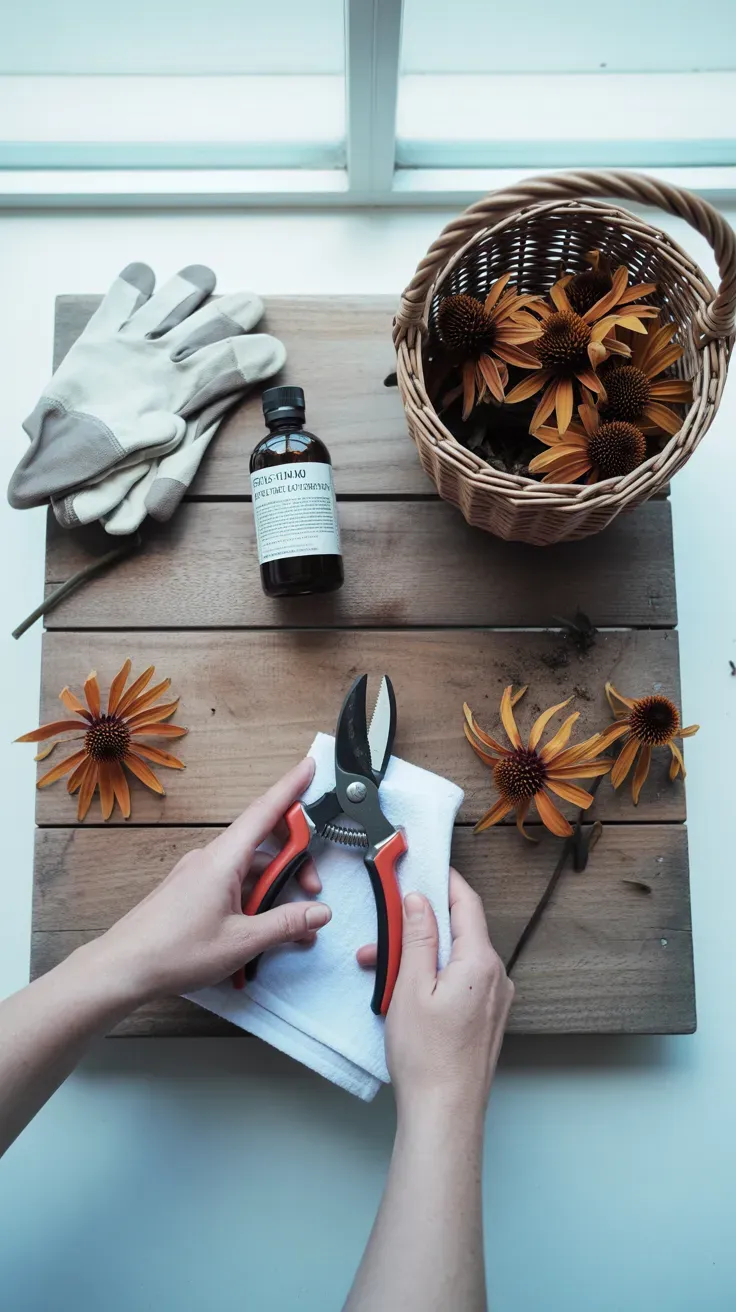
Bypass pruners, not anvil-style shears, are the right tool here. Bypass blades slide past each other like scissors, producing a clean cut that heals quickly, while anvil pruners crush the stem between a flat blade and a plate, which bruises the tissue and slows recovery.
Keep the blades sharp — a dull pruner tears rather than slices, and torn plant tissue is more vulnerable to fungal entry points. I resharpen mine with a small ceramic hone every few weeks during peak deadheading season.
Wipe blades with rubbing alcohol between plants, especially if any stems show yellowing, stunted growth, or distorted blooms, which can signal aster yellows, a phytoplasma disease spread partly through contaminated tools.
Coneflowers, like most late-summer border perennials, respond well to this same clean-cut approach — the Royal Horticultural Society’s deadheading guidance recommends sanitized bypass tools for exactly this reason across herbaceous perennials generally.
A five-second wipe between plants is a small habit that prevents a much bigger problem later.
For a deeper look at disease prevention across your whole bed, see our tool sanitation checklist for garden pests and disease.
🛒 Shop This Idea
- Felco-style bypass pruning shears, 8-inch — the industry-standard clean-cut tool for stems this size. Shop on Amazon →
- Isopropyl rubbing alcohol, 16 oz — the standard tool sanitizer between plants to stop disease spread. Shop on Amazon →
- Ceramic pruner blade sharpening stone — keeps blades slicing cleanly rather than tearing stem tissue. Shop on Amazon →
- Microfiber tool cleaning cloths, 6-pack — quick wipe-downs between plants without soaking a rag. Shop on Amazon →
- Leather-palm garden work gloves — grip and puncture protection for handling bristly coneflower stems. Shop on Amazon →
Fall Cutback: The Final Deadheading Of The Season
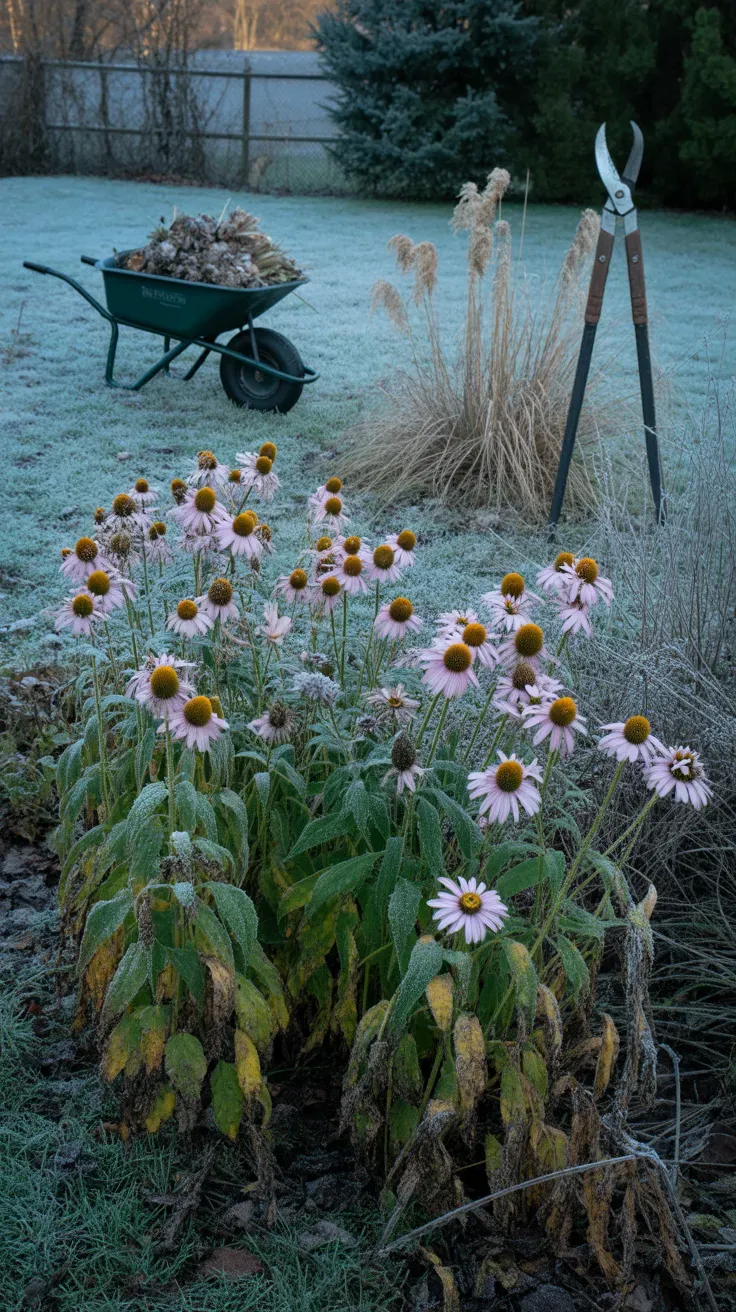
Deadheading individual blooms stops by early fall, but there’s one last cutback decision to make before winter. You can either cut stems down to about 4 to 6 inches in late fall, or skip fall cutback entirely and leave stems standing until early spring.
I’ve shifted to spring cutback over the years, mainly because hollow coneflower stems provide winter shelter for cavity-nesting native bees, and the standing seed heads keep feeding birds well past the point most feeders run low. The trade-off is a messier-looking bed through winter.
If your HOA or personal taste demands a tidier fall look, cutting to 4–6 inches rather than all the way to the crown still leaves enough stem structure for some insects while cleaning up the silhouette.
Pro Tip: Whichever timing you choose, always cut above the visible basal foliage rosette at the plant’s crown — cutting into it can invite crown rot over a wet winter.
Our fall garden cleanup timing guide breaks down which perennials benefit most from delayed cutback. The University of Florida IFAS Extension’s notes on beneficial insect overwintering support leaving stems through winter where climate allows.
Either approach works — the key is choosing one on purpose rather than by default.
🛒 Shop This Idea
- Long-handled bypass loppers — better leverage for cutting thicker, semi-woody fall coneflower stems. Shop on Amazon →
- Collapsible garden waste bag, 50 gallon — makes hauling cut stems to the compost pile far easier. Shop on Amazon →
- Native mason bee house with bamboo tubes — a good companion if you’re leaving hollow stems for overwintering insects. Shop on Amazon →
- Insulating shredded bark mulch, 2 cu ft bag — protects the crown after any late cutback going into winter. Shop on Amazon →
- Waterproof knee-high garden boots — fall and early spring cutback often means working wet, cold ground. Shop on Amazon →
Common Deadheading Mistakes To Avoid
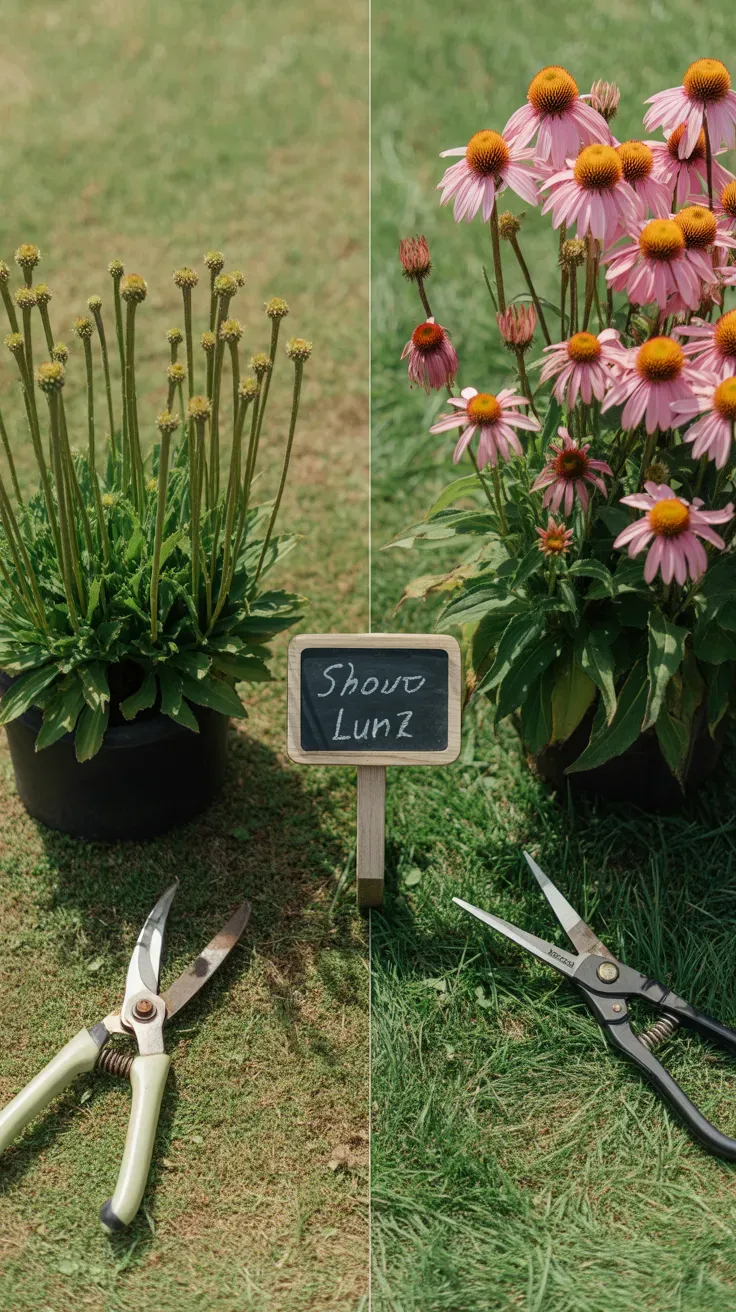
The most common mistake I see, and the one I made myself early on, is shearing the whole clump flat with hedge shears instead of deadheading stem by stem. It’s faster, but it removes healthy buds along with spent blooms and leaves an ugly flat-topped mound instead of a naturally branching plant.
The second mistake is deadheading too late, after the seed has already hardened inside the cone. At that point the plant has already committed resources to seed production, so the rebloom benefit is mostly gone and you’ve just removed a seed head birds would have used.
The third is inconsistency — deadheading heavily for two weeks, then ignoring the bed for a month. Coneflowers respond best to a steady rhythm, not sporadic bursts of attention.
- Shearing the whole clump instead of individual stems
- Waiting until the seed head has fully hardened
- Deadheading in irregular bursts instead of weekly checks
BHG’s general guidance on deadheading perennials echoes the same core rule across species: individual, well-timed cuts consistently outperform bulk shearing for rebloom.
Avoid these three habits and the technique basically runs itself after the first few weeks.
🛒 Shop This Idea
- Single-stem precision garden snips — small enough to discourage shearing whole clumps at once. Shop on Amazon →
- Weekly garden task reminder magnet planner — keeps deadheading on a consistent schedule instead of sporadic bursts. Shop on Amazon →
- Echinacea purpurea ‘PowWow Wild Berry’ plants — a compact, heavy-reblooming variety forgiving of imperfect timing. Shop on Amazon →
- Garden kneeling stool with tool pouch — makes close-up, stem-by-stem deadheading far more comfortable. Shop on Amazon →
- Compost tumbler bin, 37 gallon — a place for those clipped stems and cones that beats a trash bag. Shop on Amazon →
Getting Started With Coneflower Deadheading
The easiest first step is simply walking your bed once a week starting in early June with nothing but a pair of bypass pruners in hand. You don’t need a schedule spreadsheet or a fertilizing plan to begin — just consistent looking.
The most common beginner mistake is grabbing hedge shears out of habit and flat-topping the whole clump in one pass. Resist that urge; individual stem cuts take longer per visit but cost far less plant health in the long run.
If you’re buying exactly one tool and one plant to start, get a decent pair of bypass pruners and a single Echinacea purpurea plant to practice on before working through a whole bed. Expect to see the first rebloom from your earliest correct cuts within two to three weeks, with the full extended-bloom effect becoming obvious by midsummer.
🛒 Starter Pick
- Fiskars 5-inch bypass pruning shears — an affordable, reliably sharp starter tool sized right for coneflower stems. Shop on Amazon →
Frequently Asked Questions
How often should I deadhead coneflowers?
Check plants every 7 to 10 days from early June through August, deadheading any bloom whose central cone has turned brown and dry. Weekly checks catch spent blooms before they harden into seed, keeping the rebloom cycle going.
Does deadheading coneflowers really make them bloom longer?
Yes — removing spent blooms before seed-set redirects the plant’s energy into new lateral buds instead of seed production. In practice this can extend flowering by four to six weeks compared with an undeadheaded plant, though results vary by climate and sun exposure.
Should I deadhead all my coneflowers or leave some for birds?
A mixed approach works best for most gardeners: deadhead through midsummer, then stop by early-to-mid September and leave the final flush to mature into seed heads. Goldfinches and other songbirds rely heavily on those late-season seed heads through fall and winter.
Where do I cut a spent coneflower bloom?
Cut about a quarter inch above the first full set of healthy leaves or a visible lateral bud below the spent flower, angling the cut at roughly 45 degrees. Cutting too close leaves a bare stub, while cutting too far down removes healthy foliage the plant still needs.
Should I cut coneflowers back in fall or wait until spring?
Either timing works, but spring cutback leaves hollow stems standing through winter to shelter cavity-nesting native bees and keeps seed heads available for birds longer. If you prefer a tidier fall look, cutting stems to 4–6 inches in late fall is a reasonable middle ground.
A Few Final Thoughts
Coneflower deadheading isn’t a complicated skill — it’s really just consistent weekly attention paired with two specific decisions: where on the stem to cut, and when in the season to stop cutting altogether. Get the location right and you protect the plant’s next round of buds; get the timing right and you leave something behind for the goldfinches. The reward for a few minutes a week is a border that keeps producing color well past when an untouched stand would have quit, without any extra fertilizer or fuss. Start with one clump, get comfortable with the cut, and let the rest of the bed follow your lead. Your coneflowers — and eventually your local finches — will make it obvious you got it right.