
Most perennial beds hit a wall by midsummer — the tulips are long gone, the peonies had their two-week moment, and suddenly there’s a stretch of green with nothing much happening. I redesigned my own border around bloom time rather than just color three summers ago, and it’s the single change that finally kept the garden interesting from May through October. The 12 perennials here were chosen specifically because they keep flowering for eight weeks or more, not just a showy week or two, which makes them the backbone plants worth building a bed around. Whether you’re starting a new border, filling gaps in an established one, or just tired of a garden that peaks too early and fades too fast, there’s a plant here for that spot. Ready? Let’s explore all 12 of them.
Quick Answer: For reliable, long-lasting color, build your bed around coneflower, black-eyed Susan, catmint, and salvia — all four bloom for two months or more with minimal deadheading. Add Russian sage and blanket flower for drought-prone spots, and garden phlox or daylilies where you want taller, showier color mid-border. Full sun and well-drained soil cover most of this list’s needs.
Why Long-Blooming Perennials Are Worth Your Time
A garden built around long bloomers solves the problem most beds run into eventually — a spectacular spring, then a long, quiet stretch until fall. Choosing plants that flower for eight to twelve weeks instead of two changes the entire rhythm of a border, and it means less time spent constantly rotating in annuals to fill gaps.
The practical upside goes beyond aesthetics. Long-blooming perennials tend to be heavy pollinator draws precisely because they’re offering nectar for months rather than days, and several on this list — coneflower, catmint, salvia — are genuine bee and butterfly magnets. A lesser-known fact: many long bloomers, including coreopsis and blanket flower, actually flower harder and longer in leaner, less fertile soil, since rich soil pushes them toward leafy growth instead of blooms.
This approach suits gardeners who want a border that looks intentional without weekly maintenance, and it’s especially useful for anyone who’s watched a spring-heavy garden go visually silent by July.
At a Glance
- Most long-blooming perennials on this list want full sun — at least six hours daily — to flower at their best
- Deadheading spent blooms extends flowering time significantly on nearly every plant here
- Drought-tolerant species like Russian sage and blanket flower thrive in leaner, well-drained soil
- Pairing early, mid, and late bloomers from this list keeps color going from late spring through frost
- Most are hardy across a wide range of USDA zones, typically 3 through 9, though specifics vary by plant
Comparison Table: 12 Long-Blooming Perennials
| # | Perennial | Bloom Season | Mature Size | Light Needs | Pollinator Draw |
| 1 | Coneflower | Jun–Sep | 2–4 ft | Full sun | High |
| 2 | Black-Eyed Susan | Jun–Oct | 2–3 ft | Full sun | High |
| 3 | Catmint | May–Sep | 1–2 ft | Full sun | High |
| 4 | Salvia (Meadow Sage) | May–Sep | 1.5–2 ft | Full sun | High |
| 5 | Coreopsis (Threadleaf) | Jun–Sep | 1–2 ft | Full sun | Moderate |
| 6 | Shasta Daisy | Jun–Aug | 2–3 ft | Full sun | Moderate |
| 7 | Russian Sage | Jul–Oct | 3–5 ft | Full sun | High |
| 8 | Daylily (Reblooming) | Jun–Sep | 1.5–2.5 ft | Full sun | Moderate |
| 9 | Yarrow | Jun–Sep | 2–3 ft | Full sun | High |
| 10 | Blanket Flower | Jun–Oct | 1–2 ft | Full sun | High |
| 11 | Garden Phlox | Jul–Sep | 2–4 ft | Full sun–part shade | High |
| 12 | Veronica (Speedwell) | Jun–Aug | 1–2.5 ft | Full sun | Moderate |
Main Body — 12 Long-Blooming Perennials
1. Coneflower (Echinacea purpurea)
Coneflower might be the single most reliable long bloomer for a sunny border, holding its daisy-like purple-pink petals and spiky orange centers from early summer well into fall.
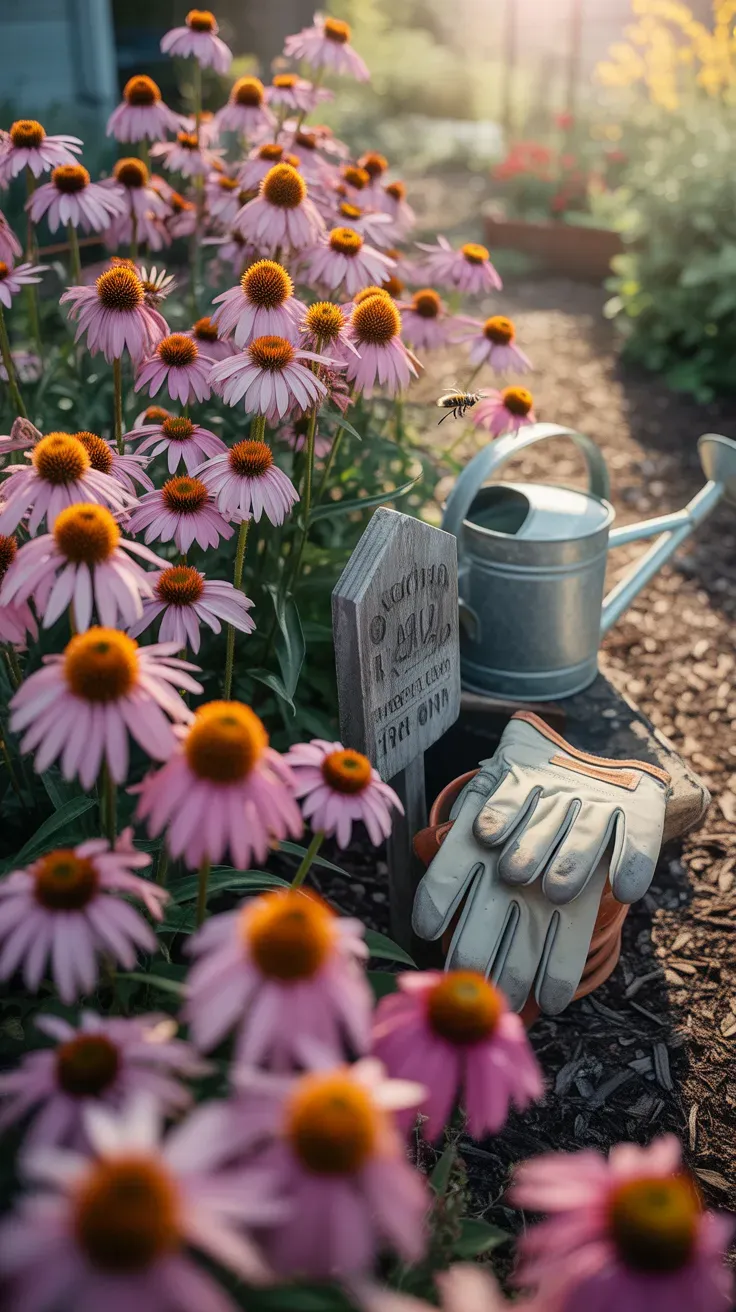
Plant coneflower in full sun with well-drained soil — it tolerates poor, dry conditions far better than rich, consistently moist beds, where it can actually rot at the crown. Deadhead the first flush of blooms in midsummer to encourage a strong second wave, though leaving some spent flowers standing through fall feeds goldfinches, who strip the seed heads readily.
Pro Tip: Skip fertilizing coneflower altogether in average soil — extra nitrogen pushes leafy growth at the expense of blooms, which is the opposite of what most people actually want from this plant.
See our coneflower care and pairing guide and the Missouri Botanical Garden’s Echinacea profile for more. It’s hardy in USDA zones 3 through 9 and rarely needs staking even at full height.
2. Black-Eyed Susan (Rudbeckia fulgida)
Black-eyed Susan brings cheerful, golden-yellow daisy blooms that keep coming from early summer straight through the first hard frost, often outlasting nearly everything else in the border.
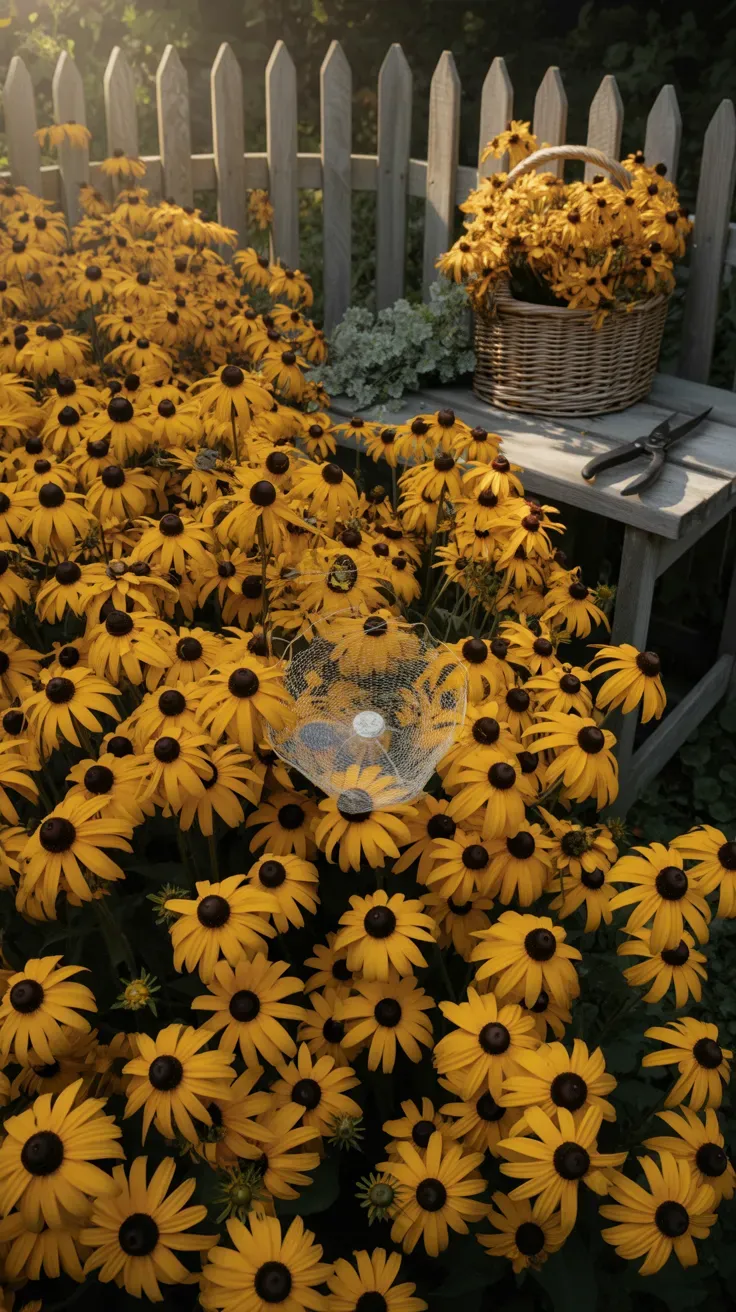
This plant spreads readily by both seed and rhizome, so give it room or plan to divide clumps every two to three years if you want to keep it contained. It tolerates heat, humidity, and inconsistent watering better than most perennials on this list, which is exactly why it shows up in so many low-maintenance garden designs.
- Divide overcrowded clumps in early spring or fall
- Deadhead selectively if you want to limit self-seeding
- Leave some seed heads standing for winter bird interest
Our black-eyed Susan care guide and University of Florida Extension’s Rudbeckia notes cover spreading habits well. It’s hardy in zones 3 through 9 and genuinely difficult to discourage once established.
3. Catmint (Nepeta × faassenii)
Catmint’s soft blue-purple flower spikes and silvery foliage bloom in waves from late spring through early fall, and it’s one of the few perennials that looks tidy even when nothing else in the bed does.
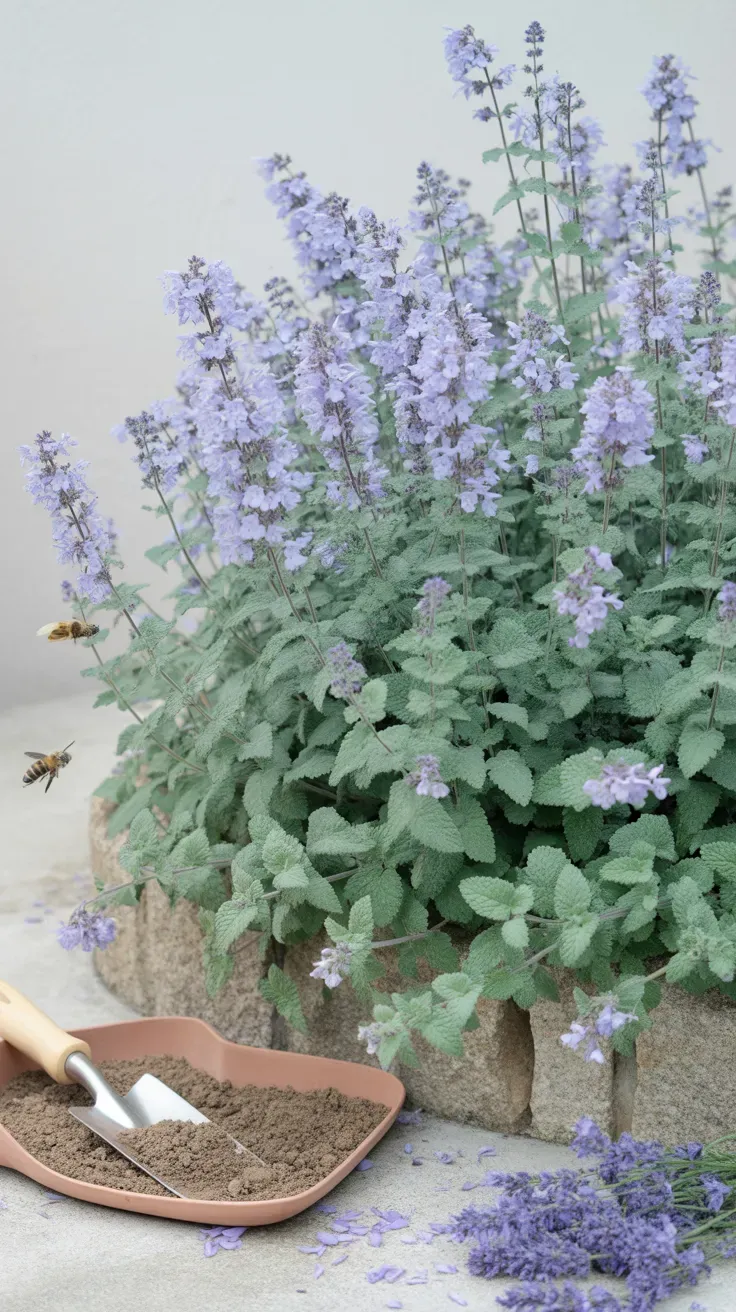
Shear the whole plant back by about a third after the first bloom flush fades in midsummer — this single step is what triggers a strong second round of flowering, and skipping it is the most common reason people find catmint’s bloom time disappointing. It thrives in poor, well-drained soil and actually performs worse in rich, heavily amended beds.
Pro Tip: Plant catmint along a path or border edge where you’ll brush against it — the crushed foliage releases a scent that deters deer and rabbits from browsing nearby plants too.
Full care notes are in our catmint pruning and care guide, and Gardeners’ World has notes on Nepeta varieties. It’s hardy in zones 3 through 8 and rarely needs watering once established.
4. Salvia / Meadow Sage (Salvia nemorosa)
Meadow sage sends up dense, upright spikes of violet-blue flowers that bloom for months when properly deadheaded, and its clumping habit makes it easy to slot into almost any border design.
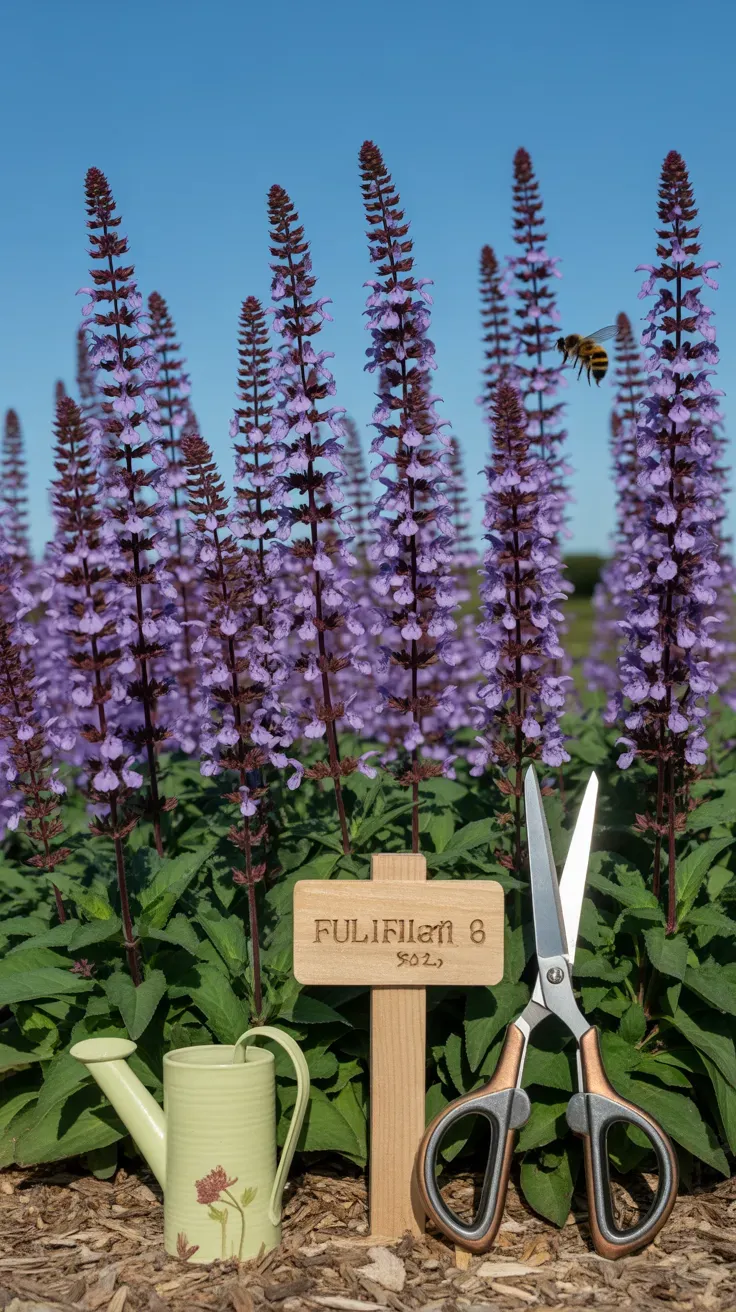
Cut spent flower spikes back to the basal foliage as soon as blooms fade, rather than just snipping the tips — this encourages a genuine rebloom rather than a few scattered flowers, and it’s a step I skipped my first year with noticeably weaker results. Salvia tolerates drought well once established and rarely needs fertilizing in average garden soil.
- Cut back hard after the first bloom flush for the strongest rebloom
- Divide clumps every three to four years to maintain vigor
- Avoid overly rich soil, which produces floppy, weak stems
Our salvia deadheading guide and RHS growing notes cover this species. It’s hardy in zones 4 through 8 and a strong pollinator draw throughout its bloom period.
5. Threadleaf Coreopsis (Coreopsis verticillata)
Threadleaf coreopsis covers itself in small, bright yellow, daisy-like flowers atop feathery, fine-textured foliage, blooming steadily from early summer through September with almost no fuss.
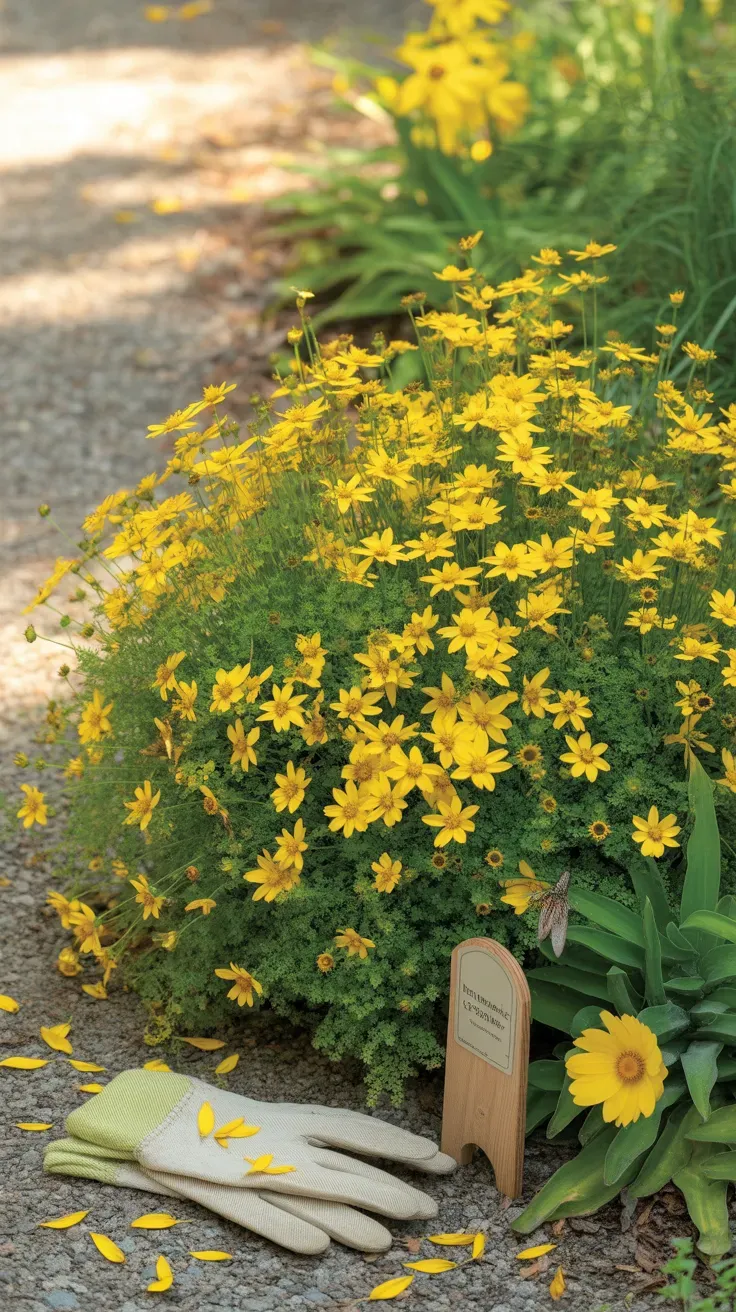
This plant genuinely prefers lean, well-drained soil and struggles in heavy clay or consistently wet beds, where root rot becomes a real risk. Shear the whole plant back by half in midsummer if flowering starts to slow — it responds with a fresh flush of blooms within a few weeks, which surprised me the first time I tried it.
Our threadleaf coreopsis care guide has more on soil preferences, and Almanac.com covers coreopsis varieties generally. It’s hardy in zones 4 through 9 and one of the most drought-tolerant plants on this entire list.
6. Shasta Daisy (Leucanthemum × superbum)
Shasta daisy delivers the classic white-petaled, yellow-centered daisy look most people picture when they think “cottage garden,” blooming reliably through most of the summer.
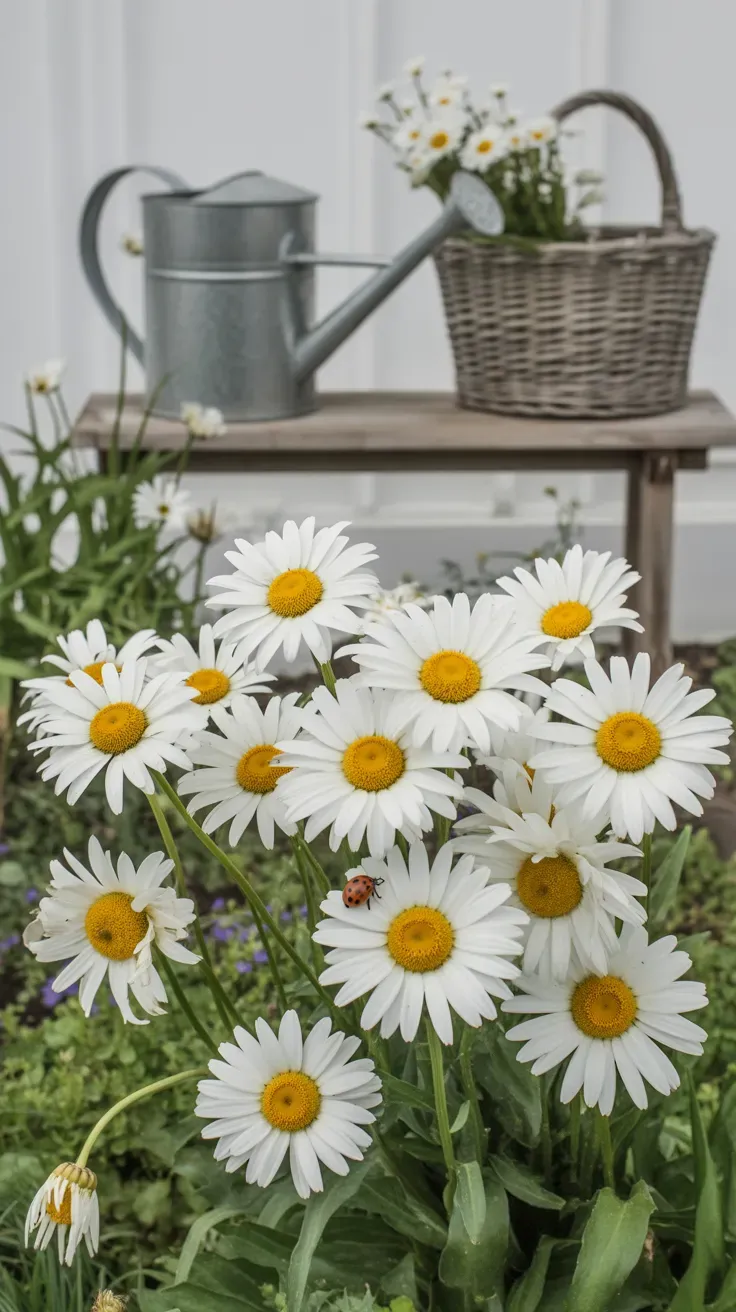
Deadhead spent blooms regularly to keep new flowers coming — this is the single biggest factor in how long a Shasta daisy’s bloom period actually lasts, and neglecting it can shorten the display by weeks. Divide clumps every two to three years, since the center tends to die out and get woody while the outer growth stays vigorous.
Pro Tip: Stake taller Shasta daisy varieties early in the season, before they need it — trying to prop up already-flopped stems after a summer storm rarely looks as clean as staking preemptively.
Our Shasta daisy care and division guide and Missouri Botanical Garden’s Leucanthemum notes cover this well. It’s hardy in zones 4 through 9 and a reliable cut-flower producer too.
7. Russian Sage (Perovskia atriplicifolia)
Russian sage brings a hazy cloud of small lavender-blue flowers on silvery, aromatic stems, blooming from midsummer well into fall and adding real height and airiness to the back of a border.
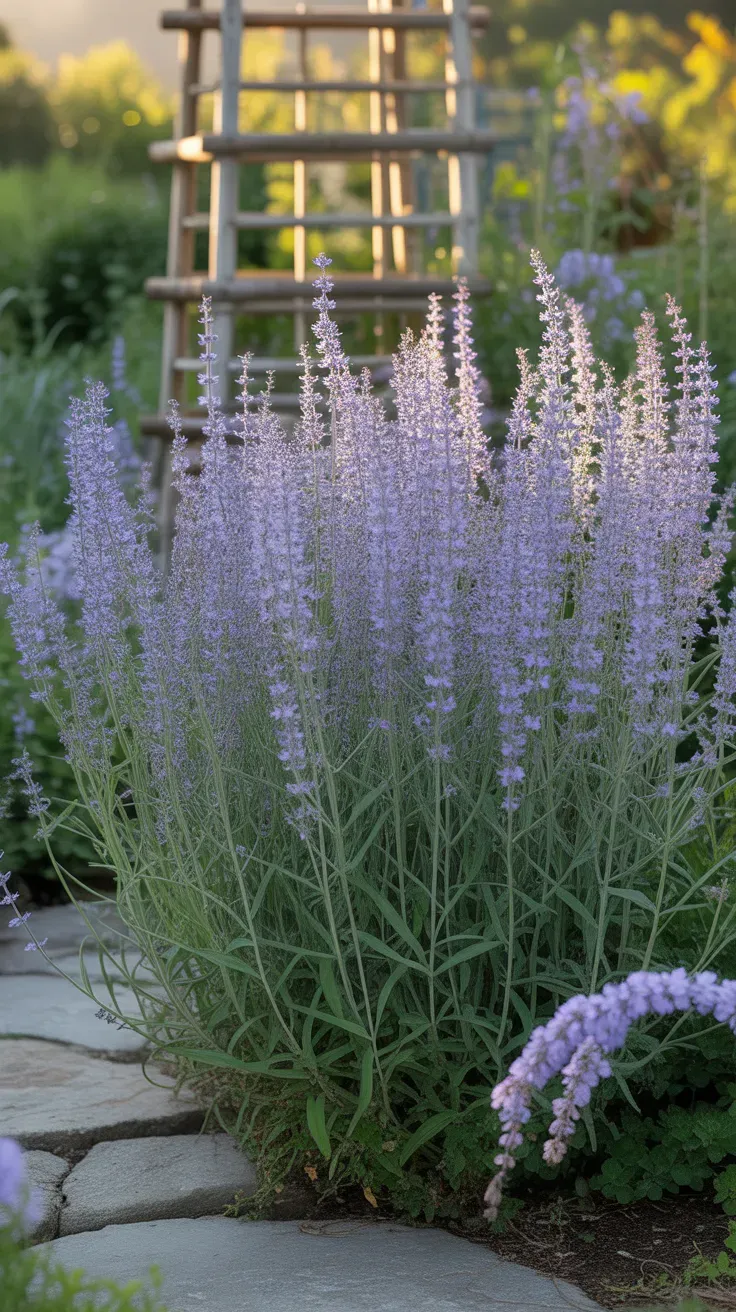
Russian sage genuinely thrives on neglect — it wants full sun, lean soil, and minimal watering once established, and overly generous care tends to produce floppy, weak growth rather than the upright, airy form it’s known for. Cut it back hard to about 6 inches in early spring, since it blooms on new wood and won’t flower well on old growth left over winter.
- Plant in the leanest, driest spot in the border for the best form
- Cut back hard in early spring, not fall, for winter structure
- Give it room — mature plants can spread 3 to 4 feet wide
Our Russian sage pruning guide and SFGate’s drought-tolerant perennial notes cover this well. It’s hardy in zones 4 through 9 and one of the best choices for a genuinely low-water border.
8. Reblooming Daylily (Hemerocallis)
Reblooming daylily varieties, like the widely available ‘Stella de Oro,’ produce flushes of trumpet-shaped blooms from early summer through early fall rather than the single two-week show older daylily varieties are known for.
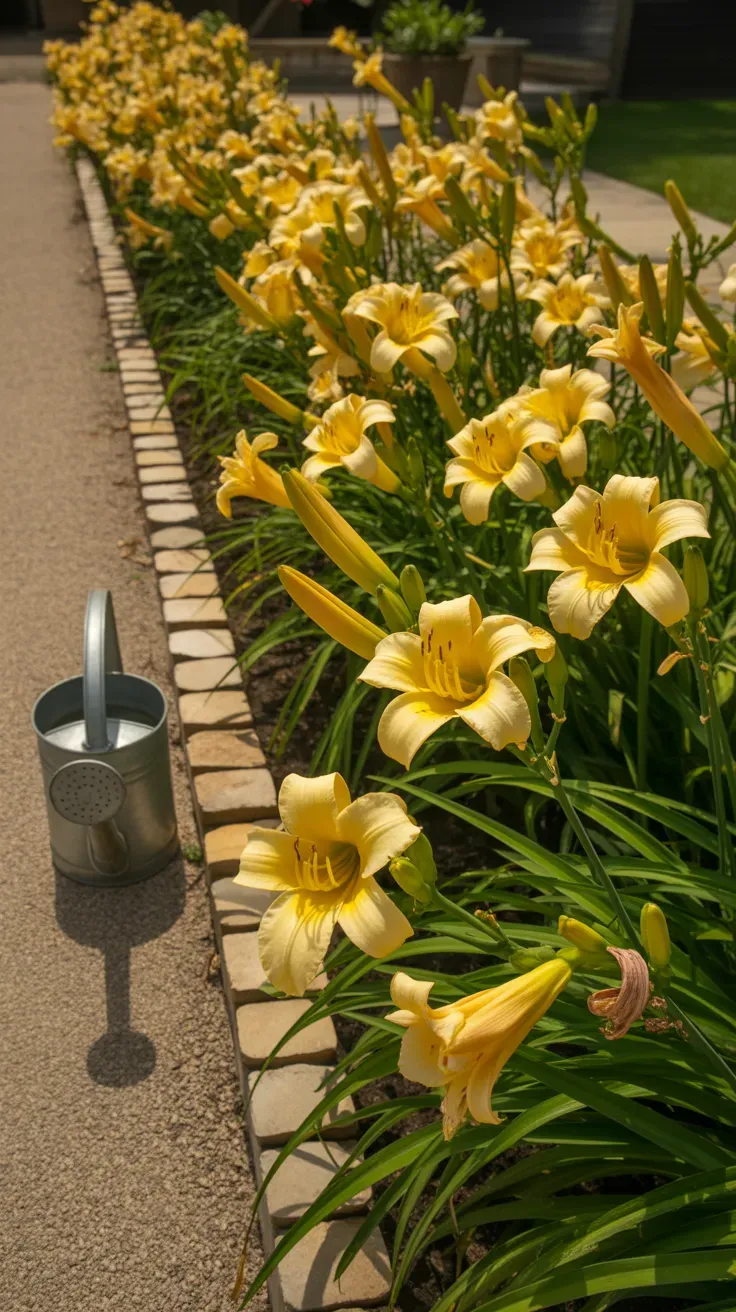
Each individual flower lasts only a single day, which surprises new gardeners, but a healthy clump produces so many buds that the overall bloom display continues for weeks at a stretch. Deadhead spent blooms daily if you want the tidiest look, though it’s not strictly necessary for the plant’s health or continued flowering.
Full care details are in our reblooming daylily care guide, and University of Florida Extension has notes on Hemerocallis varieties. It’s hardy in zones 3 through 9 and among the most low-maintenance perennials available.
9. Yarrow (Achillea millefolium)
Yarrow’s flat-topped flower clusters in shades of yellow, pink, or white bloom continuously from early summer through September, and its ferny, aromatic foliage adds texture even between bloom flushes.
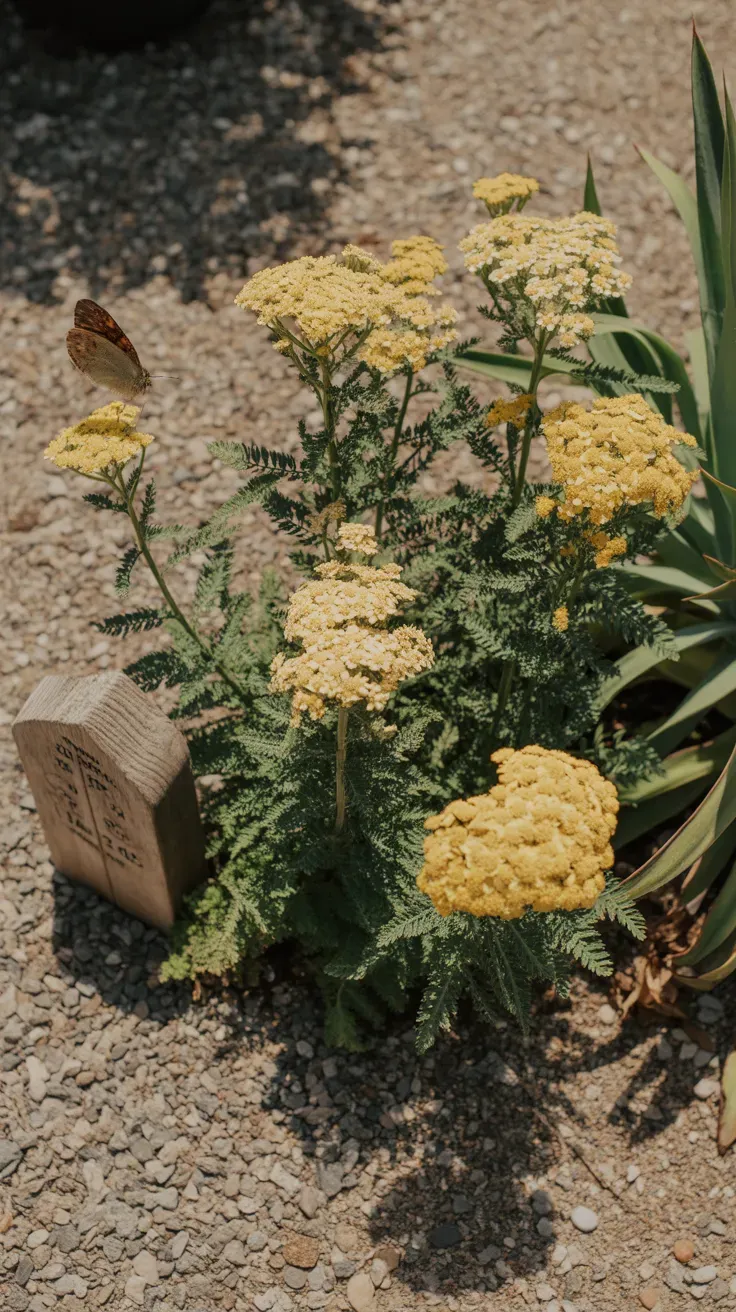
Yarrow tolerates poor, dry soil better than almost anything else on this list and actually flops and weakens in overly rich, fertile beds — the leaner the soil, the sturdier the stems tend to be. Cut spent flower heads back to encourage continued blooming, and divide congested clumps every two to three years to keep the center from thinning out.
Pro Tip: Resist watering yarrow once it’s established, even during a dry spell — established plants draw on deep roots, and extra watering more often causes weak, floppy stems than it prevents wilting.
Our yarrow care and division guide and Almanac.com cover this species. It’s hardy in zones 3 through 9 and a strong beneficial-insect draw throughout the season.
10. Blanket Flower (Gaillardia × grandiflora)
Blanket flower’s warm red-and-yellow bicolor blooms keep coming from early summer through the first frost, and it’s one of the most heat- and drought-tolerant perennials on this entire list.
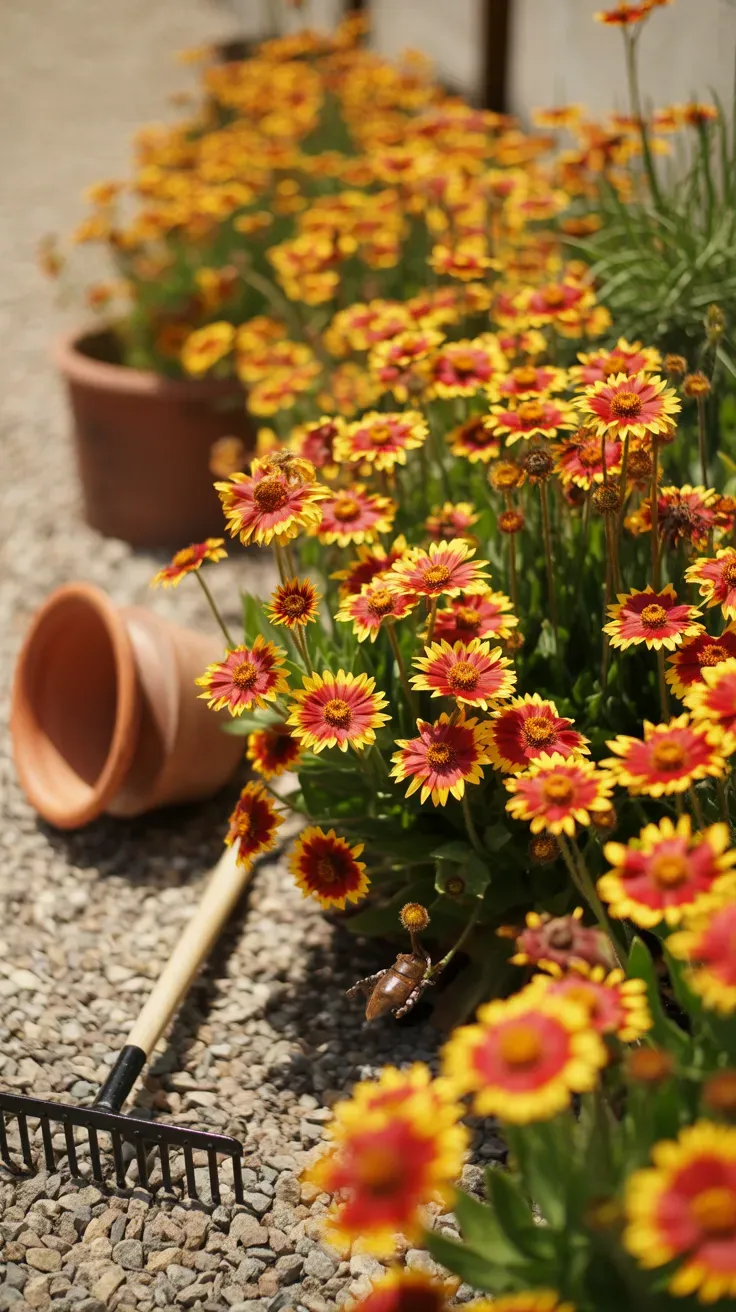
This plant genuinely prefers poor, sandy, well-drained soil and tends to be short-lived — typically two to four years — in rich or consistently moist beds, where root rot sets in faster than the plant can outgrow it. Deadhead regularly for the longest bloom period, and let a few seed heads mature if you want it to self-sow and refresh the patch naturally.
- Plant in the sunniest, driest spot available
- Avoid heavy mulch directly against the crown, which traps moisture
- Let some plants self-seed to naturally replace shorter-lived individuals
Our blanket flower care guide and SFGate’s drought-tolerant perennial notes cover this well. It’s hardy in zones 3 through 10 and an excellent pollinator plant for hot, exposed spots.
11. Garden Phlox (Phlox paniculata)
Garden phlox produces large, fragrant flower clusters in shades of pink, purple, and white from midsummer into early fall, bringing genuine height and a classic cottage-garden scent to the middle or back of a border.
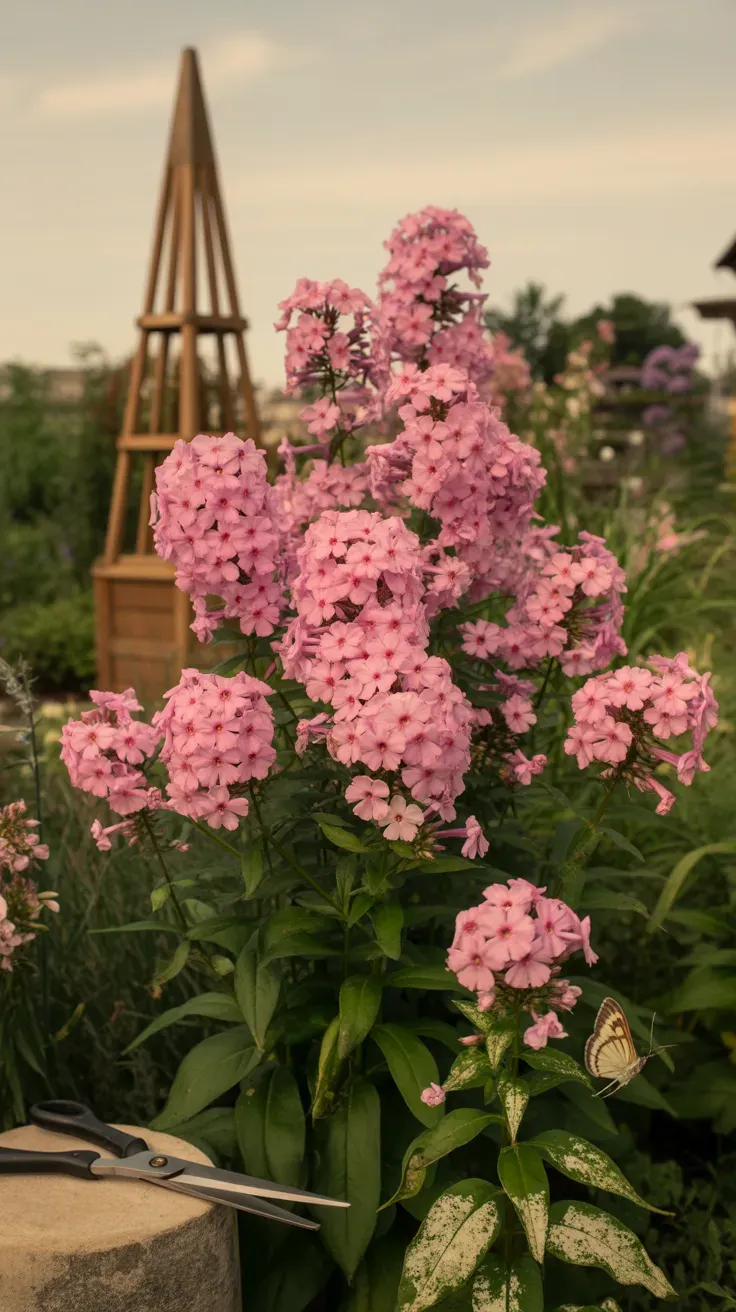
Space plants generously — at least 18 to 24 inches apart — and choose a mildew-resistant variety, since garden phlox is genuinely prone to powdery mildew in crowded, poorly ventilated conditions, something that affected an entire row of mine before I learned to space it properly. Deadhead spent blooms promptly to prevent unwanted self-seeding, since seedlings often revert to a muddy magenta rather than the parent plant’s true color.
Pro Tip: Water at the base rather than overhead, and water in the morning if you do get leaves wet — both steps meaningfully reduce the powdery mildew risk that plagues this plant in humid climates.
Our garden phlox care and mildew prevention guide and Missouri Botanical Garden’s Phlox paniculata notes cover this in depth. It’s hardy in zones 4 through 8 and one of the most fragrant plants on this list.
12. Veronica / Speedwell (Veronica spicata)
Veronica sends up neat, upright spikes of blue, purple, pink, or white flowers that bloom from early summer through August, adding vertical structure without the size or spread of taller perennials.
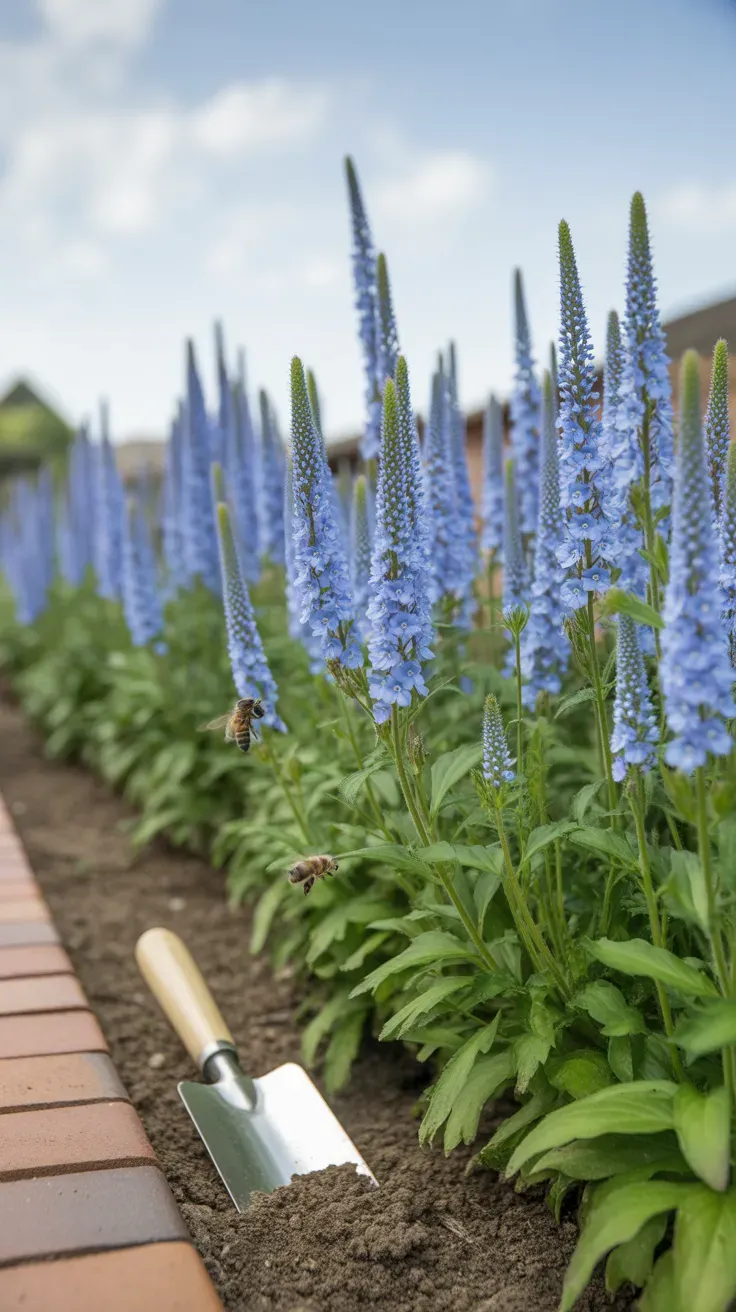
Deadhead spent spikes down to a lower set of leaves as soon as blooms fade, which reliably triggers a second, though usually shorter, flush of flowers later in the season. Veronica tolerates average garden soil better than some of the leaner-loving plants on this list, though it still wants good drainage to avoid crown rot over winter.
Full care notes are in our veronica speedwell care guide, and Gardeners’ World covers Veronica varieties and their bloom colors. It’s hardy in zones 3 through 8 and a tidy, reliable choice for the front third of a border.
Getting Started With Long-Blooming Perennials
The easiest first step is choosing two or three plants from this list that share the same light and soil needs — most of them want full sun and well-drained, average-to-lean soil, so coneflower, catmint, and salvia make an easy, compatible starting trio. Plant them together and watch how they perform for a full season before expanding the bed.
The most common beginner mistake is over-fertilizing and overwatering long bloomers, since nearly every plant on this list actually flowers better under slightly lean, dry conditions than in rich, pampered soil. Before buying anything else, gather a good pair of bypass pruners for deadheading and a soil test kit, since knowing your existing soil’s drainage and fertility will guide which plants on this list suit your bed best.
Realistically, expect newly planted perennials to establish and bloom modestly in their first season, then hit their real stride by the second year once root systems are fully developed. A well-planned bed built from this list should be delivering continuous color from late spring through fall by its third summer.
Frequently Asked Questions
What are the easiest long-blooming perennials for beginners?
Black-eyed Susan, catmint, and coneflower are widely considered the most forgiving choices, tolerating a range of soil conditions and requiring minimal deadheading to keep flowering for months. All three also handle drought and heat well once established.
How do I keep perennials blooming longer through the season?
Regular deadheading — removing spent flowers before they set seed — is the single most effective technique, since it redirects the plant’s energy into producing new blooms rather than seeds. Many plants on this list, like salvia and catmint, also respond well to a hard midsummer shear to trigger a second flush.
Do long-blooming perennials need full sun?
Most do — nearly every plant on this list wants at least six hours of direct sun daily to bloom at their best, with garden phlox being the most shade-tolerant option, handling a bit of afternoon shade in hot climates. Less sun generally means fewer, weaker blooms rather than plant failure.
Which of these perennials are deer-resistant?
Catmint, Russian sage, and yarrow are among the more reliably deer-resistant choices here, largely due to their aromatic foliage, though deer behavior varies significantly by region and hunger level. No perennial is truly deer-proof in a severe browsing situation.
When is the best time to plant perennials for the strongest first-year bloom?
Early spring or early fall planting generally gives perennials the best chance to establish strong roots before facing summer heat or winter cold, which translates to stronger blooming the following season. Plants set out in the heat of summer need more consistent watering to get established.
A Few Final Thoughts
Twelve perennials is a solid foundation, but the real goal isn’t planting all of them — it’s choosing the handful that match your actual light and soil conditions and letting them do the heavy lifting through the season. Build around two or three long bloomers first, watch how they perform for a full year, and expand from there rather than filling every gap at once. The gardens that stay colorful from late spring through frost are almost always built on plants chosen for bloom duration, not just a single dramatic week. A border that once went quiet by July can become the part of the yard that never really stops giving you something to look at. Give your first few plants a full season to settle in before judging the results — long bloomers are worth the modest wait.