
Most of us walk past a dozen medicinally significant plants on an average nature walk without recognizing a single one, dismissing them as ordinary weeds along the trail edge. I started learning to identify wild medicinal plants after a herbalist friend pointed out plantain growing in my own backyard, a plant I’d been mowing over for years without knowing its long history in folk medicine. This list covers 20 medicinal wild plants with a documented history of traditional use, each with the identification details, native range, and historical application that make them worth knowing. Ready? Let’s explore all 20 of them.
Quick Answer: Common, easy-to-identify medicinal plants for beginners include plantain, yarrow, and dandelion, all widespread across North America and Europe. Always positively identify any wild plant using multiple sources before use, since several medicinal plants have toxic lookalikes, and consult a healthcare provider before using any herbal remedy, especially alongside medications.
Why Learning About Medicinal Wild Plants Is Worth Your Time
Wild medicinal plants carry centuries of accumulated traditional knowledge, and understanding their history connects modern foragers and gardeners to practices that predate synthetic pharmaceuticals by thousands of years. In practice, many of these plants grow as “weeds” in lawns and roadsides most people already have direct access to, without needing a dedicated garden bed.
The practical value extends beyond history. Several plants on this list, like yarrow and plantain, are genuinely easy to identify and grow, making them accessible starting points for anyone curious about herbalism as a hobby or plant identification skill. The lesser-known fact most people miss: a significant number of modern pharmaceuticals were originally derived from or inspired by compounds first identified in these traditional plants, including aspirin’s connection to willow bark.
This approach is ideal for foraging enthusiasts, herb garden hobbyists, and anyone interested in plant identification and traditional knowledge, though it’s worth stating plainly upfront that this list is educational and historical rather than medical guidance, and identification mistakes with wild plants carry real risk.
At a Glance
- Plantain and yarrow are among the easiest medicinal plants for beginners to positively identify.
- Several plants on this list, like dandelion, are already common in most residential lawns.
- Willow bark’s traditional use directly connects to the development of modern aspirin.
- Always cross-reference multiple identification sources before harvesting any wild plant.
- Some plants on this list have toxic lookalikes, making positive identification essential before any use.
20 Medicinal Wild Plants Compared
| Plant | Native Range | Traditional Use Category | Identification Difficulty | Toxic Lookalikes |
| Yarrow | N. America, Europe | Wound care, digestive | Easy | Poison hemlock |
| Plantain | Worldwide | Skin, wound care | Very easy | None significant |
| Dandelion | Worldwide | Digestive, liver | Very easy | None significant |
| Willow Bark | N. Hemisphere | Pain relief | Moderate | None significant |
| St. John’s Wort | Europe, N. America | Mood, skin | Moderate | Look-alike Hypericum spp. |
| Chamomile | Europe, W. Asia | Calming, digestive | Easy | Mayweed (mild) |
| Elderberry | N. America, Europe | Immune support | Moderate | Poison ivy (leaf confusion) |
| Nettle | Worldwide | Anti-inflammatory | Easy | None significant |
| Echinacea | N. America | Immune support | Moderate | None significant |
| Comfrey | Europe, Asia | Wound healing | Moderate | Foxglove (young leaves) |
| Mullein | Europe, Asia, naturalized | Respiratory | Easy | None significant |
| Red Clover | Europe, naturalized | Hormonal, skin | Easy | None significant |
| Burdock | Europe, Asia, naturalized | Digestive, skin | Moderate | None significant |
| Feverfew | Balkans, naturalized | Headache, pain | Easy | Chamomile (mild) |
| Valerian | Europe, Asia | Sleep, calming | Moderate | Poison hemlock (root) |
| Horsetail | Worldwide | Bone, urinary | Moderate | Toxic species exist |
| Lemon Balm | Europe, naturalized | Calming, digestive | Easy | Mint family (mild) |
| Wild Ginger | E. N. America | Digestive | Moderate | None significant |
| Goldenrod | N. America | Urinary, allergy | Easy | Ragweed (confused, not related) |
| Chickweed | Europe, worldwide | Skin, digestive | Easy | Scarlet pimpernel |
1. Yarrow for Traditional Wound Care and Digestive Support
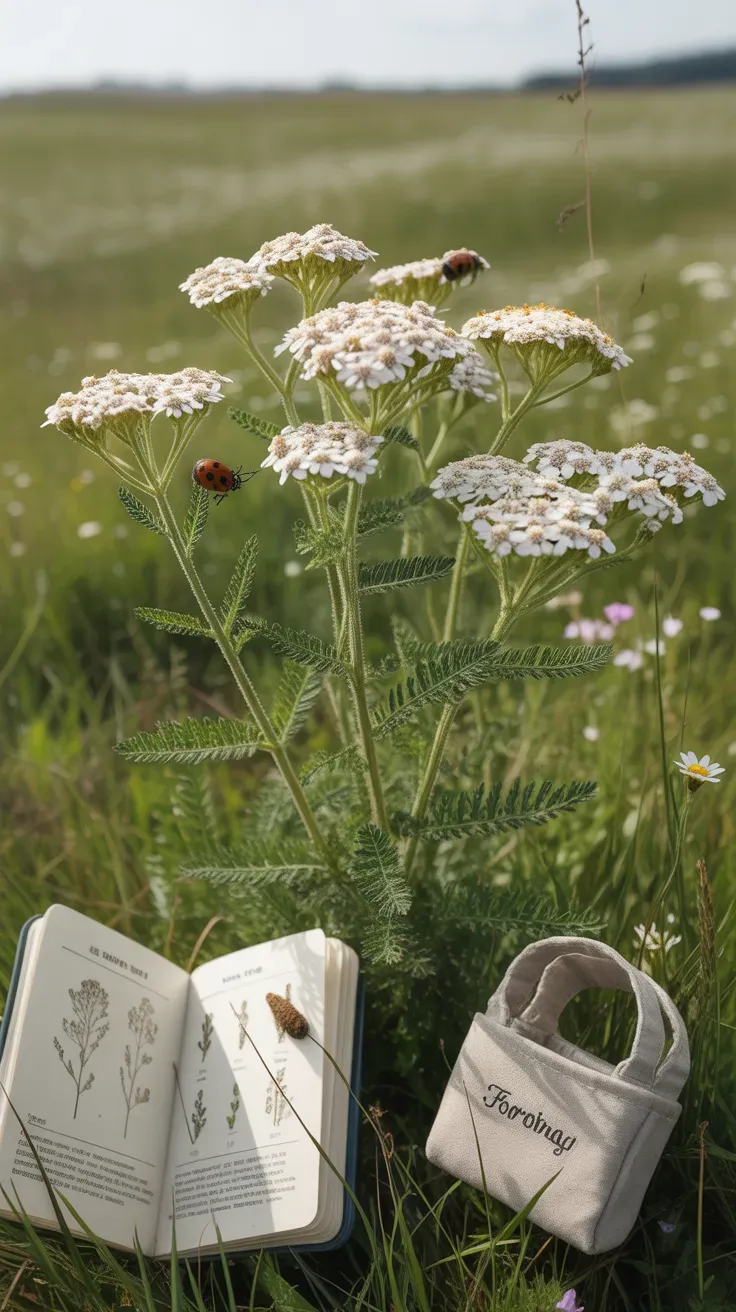
Yarrow (Achillea millefolium) has one of the longest documented histories of traditional use among wild plants, with archaeological evidence suggesting its use dating back tens of thousands of years, historically associated with wound care and digestive support in folk traditions worldwide.
Identify it by its flat-topped clusters of small white (occasionally pink) flowers and distinctively feathery, fern-like leaves with a mildly aromatic scent when crushed. It grows widely across meadows, roadsides, and disturbed soil throughout North America and Europe, typically reaching 1-3 feet tall.
Important: Yarrow’s feathery foliage can be confused with poison hemlock at a glance, though hemlock lacks yarrow’s aromatic scent and has purple-spotted stems. Positive identification using multiple features, not foliage shape alone, is essential before any use.
Internal link: growing yarrow in a home herb garden External link: Missouri Botanical Garden’s Achillea millefolium plant profile
Yarrow’s long history and wide distribution make it one of the most studied wild medicinal plants in traditional herbalism.
2. Plantain for Skin Soothing and Beginner Foraging
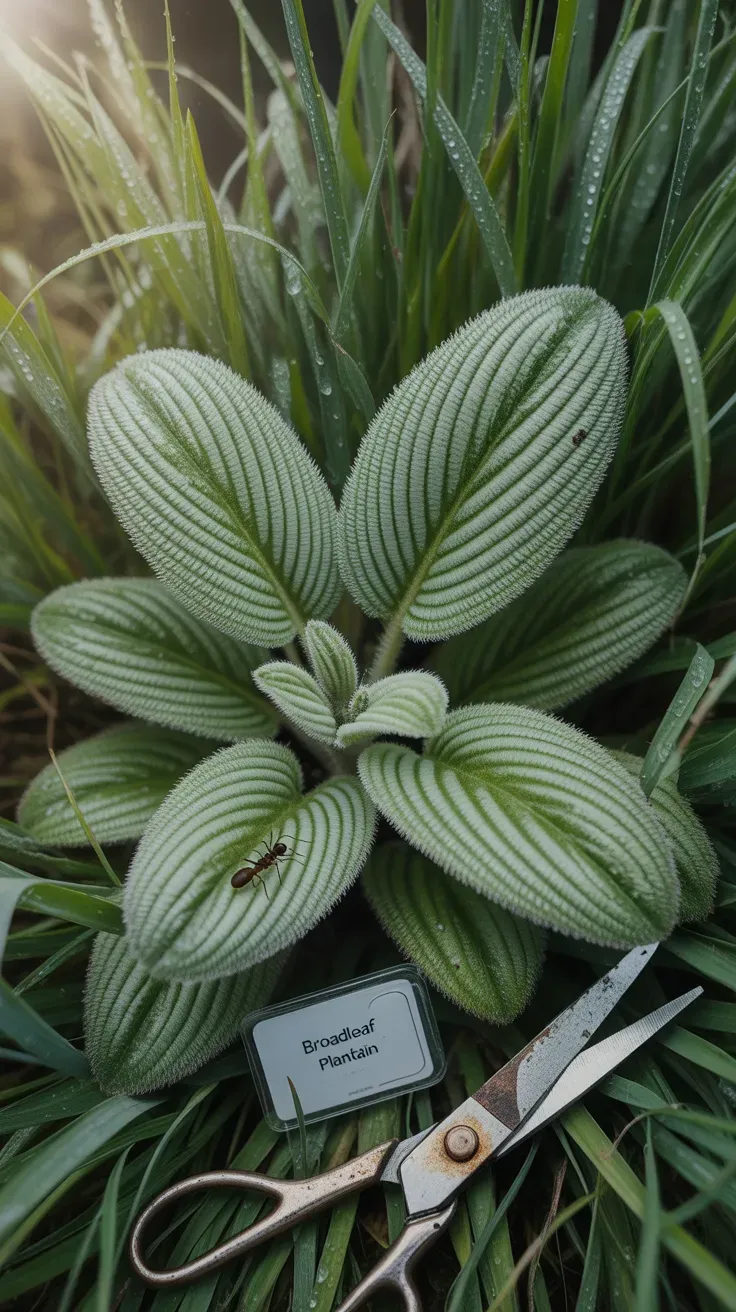
Plantain (Plantago major), not related to the banana-like plantain fruit, is one of the most widespread and easily identified medicinal plants, historically applied topically in folk tradition for minor skin irritation and insect bites.
Identify it by its broad, oval leaves with 5-7 distinctive parallel ribs running lengthwise and a low, ground-hugging rosette growth habit. It grows virtually anywhere disturbed soil exists, including lawns, sidewalk cracks, and roadsides, making it one of the easiest plants on this list to find without traveling anywhere.
Internal link: identifying common “weeds” with historical uses External link: Penn State Extension’s Plantago major identification notes
Plantain’s near-universal availability makes it the most practical starting point for beginners learning plant identification.
3. Dandelion for Traditional Digestive and Liver Support
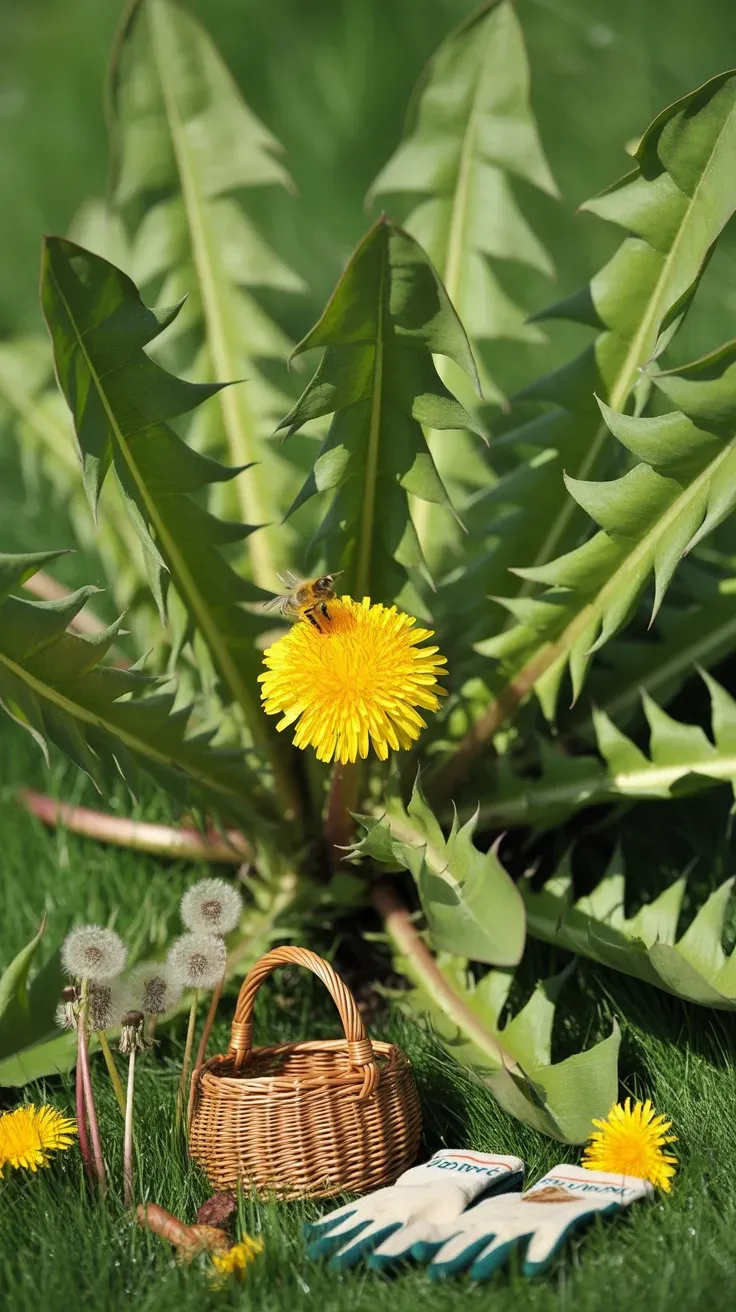
Dandelion (Taraxacum officinale) is perhaps the most recognizable plant on this list, and its entire structure — root, leaf, and flower — carries a long history of traditional use in digestive and liver-supporting folk remedies across multiple cultures.
Identify it by its bright yellow composite flower, deeply toothed leaves in a basal rosette (the “teeth” giving the plant its French-derived name, dent de lion, or “lion’s tooth”), and the characteristic milky sap in its hollow stem. It grows in lawns, fields, and disturbed soil virtually worldwide.
What works vs. what to avoid:
- Works: harvesting from lawns and areas confirmed free of herbicide or pesticide treatment
- Avoid: roadside dandelions exposed to vehicle exhaust and runoff contaminants
Internal link: growing and identifying common lawn “weeds” External link: University of Florida Extension’s Taraxacum officinale profile
4. Willow Bark for Its Historical Connection to Modern Pain Relief
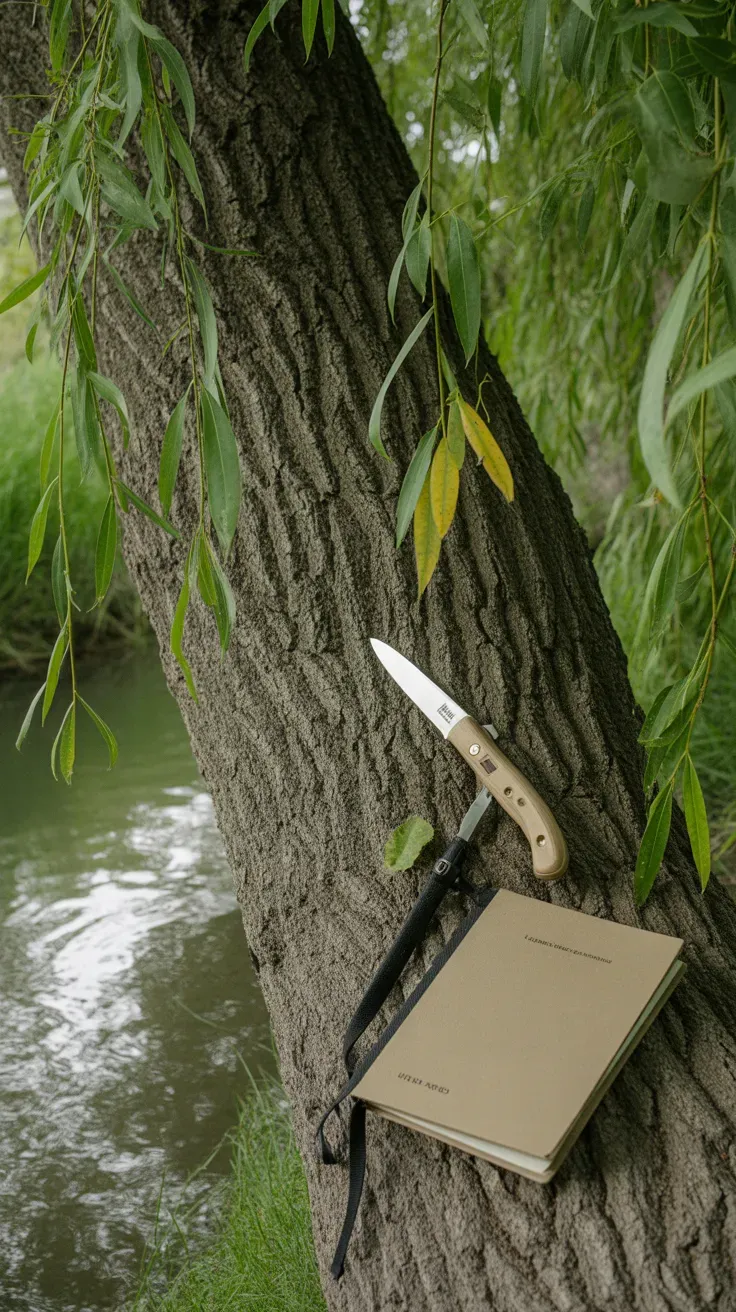
Willow bark (Salix species) holds a unique place in medicinal plant history — its traditional use for pain relief directly led to the isolation of salicin, the compound that inspired the development of modern aspirin in the late 19th century.
Identify willows by their characteristically narrow, lance-shaped leaves, furrowed gray-brown bark, and typical growth near water sources like streams and riverbanks, where most species thrive in consistently moist soil. Multiple Salix species exist across North America and Europe, and traditional use historically favored white willow (Salix alba) specifically.
Important: Willow bark contains compounds related to aspirin and should never be used by anyone with an aspirin allergy or by children, given the historical association between salicylate compounds and Reye’s syndrome. Consult a healthcare provider before any use.
Internal link: plants with historical connections to modern medicine External link: RHS growing guide for Salix species
5. St. John’s Wort for Traditional Mood and Skin Applications
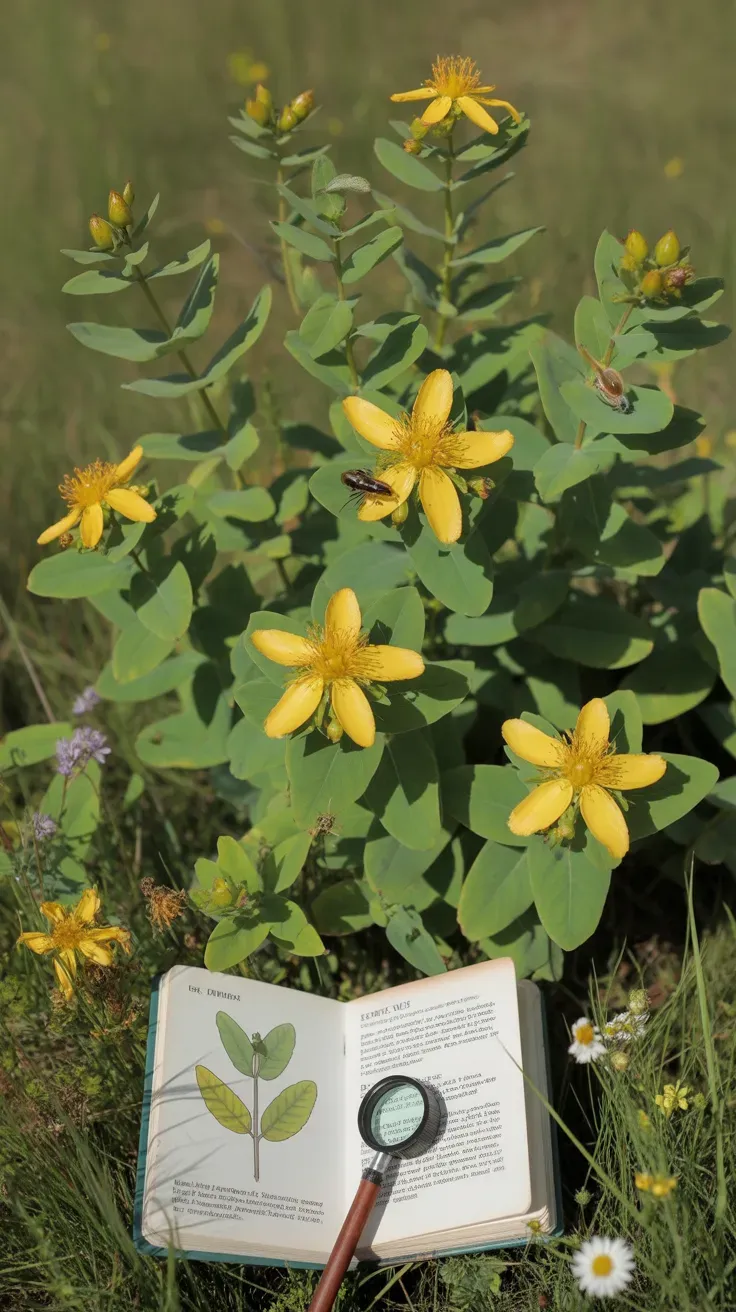
St. John’s Wort (Hypericum perforatum) has a documented history of traditional use extending back to ancient Greece, historically associated with mood support and topical skin applications in folk medicine across Europe.
Identify it by its small, five-petaled yellow flowers with numerous prominent stamens, and paired oval leaves that show tiny translucent dots when held up to light (giving the species name “perforatum”). It grows in meadows, fields, and roadsides across Europe and naturalized areas of North America.
Important: St. John’s Wort is known to interact significantly with numerous prescription medications, including antidepressants, blood thinners, and oral contraceptives. This makes professional medical consultation essential before any use, not merely advisable.
Internal link: identifying plants with translucent leaf markings External link: Missouri Botanical Garden’s Hypericum perforatum profile
6. Chamomile for Traditional Calming and Digestive Use
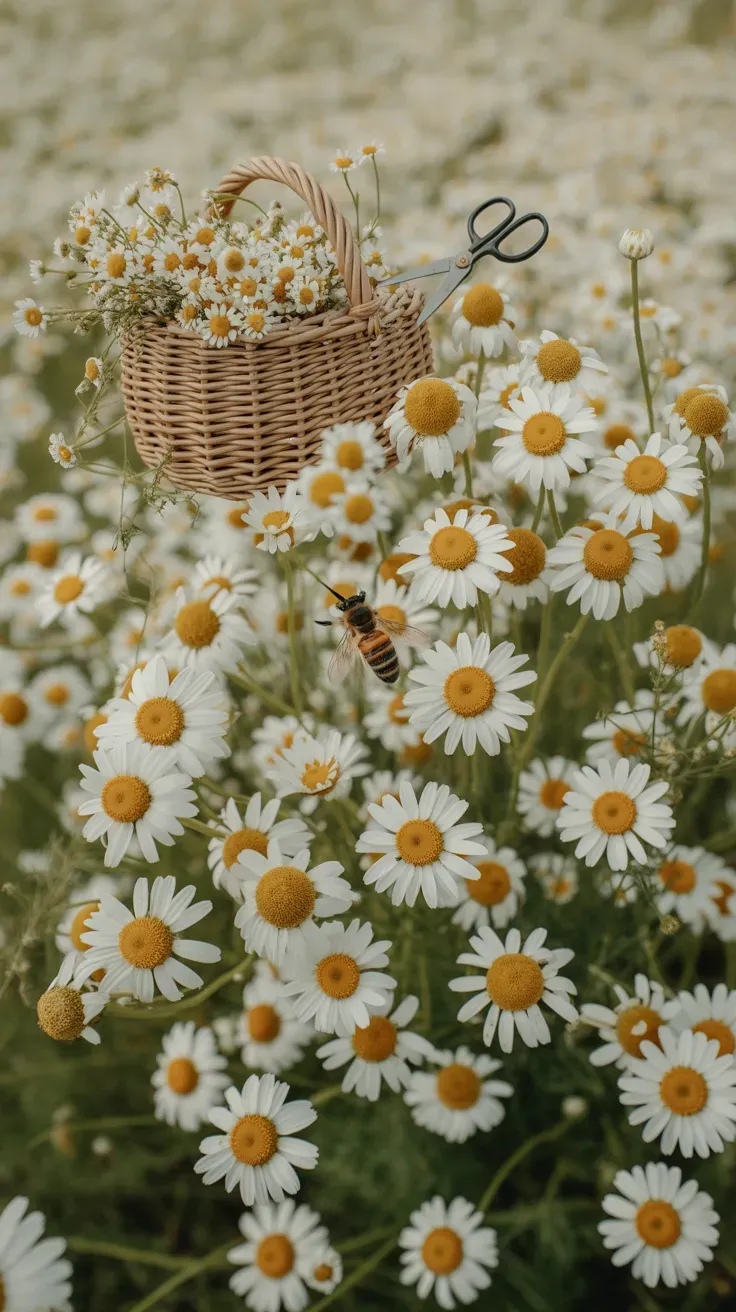
Chamomile (Matricaria chamomilla, also called German chamomile) is among the most widely used traditional plants globally, historically brewed as a tea for calming and digestive support across countless cultures.
Identify it by its small, daisy-like flowers with white petals surrounding a raised, hollow yellow center, and finely divided, feathery foliage with an apple-like scent when crushed. It grows in fields, meadows, and disturbed soil throughout Europe and Western Asia, now naturalized widely.
Pro Tip: Crush a small amount of foliage and smell it as a quick field-identification check — genuine chamomile has a distinctly sweet, apple-like fragrance that most lookalikes lack.
Internal link: growing chamomile in a home herb garden External link: Gardeners’ World’s chamomile growing guide
7. Elderberry for Traditional Immune Support
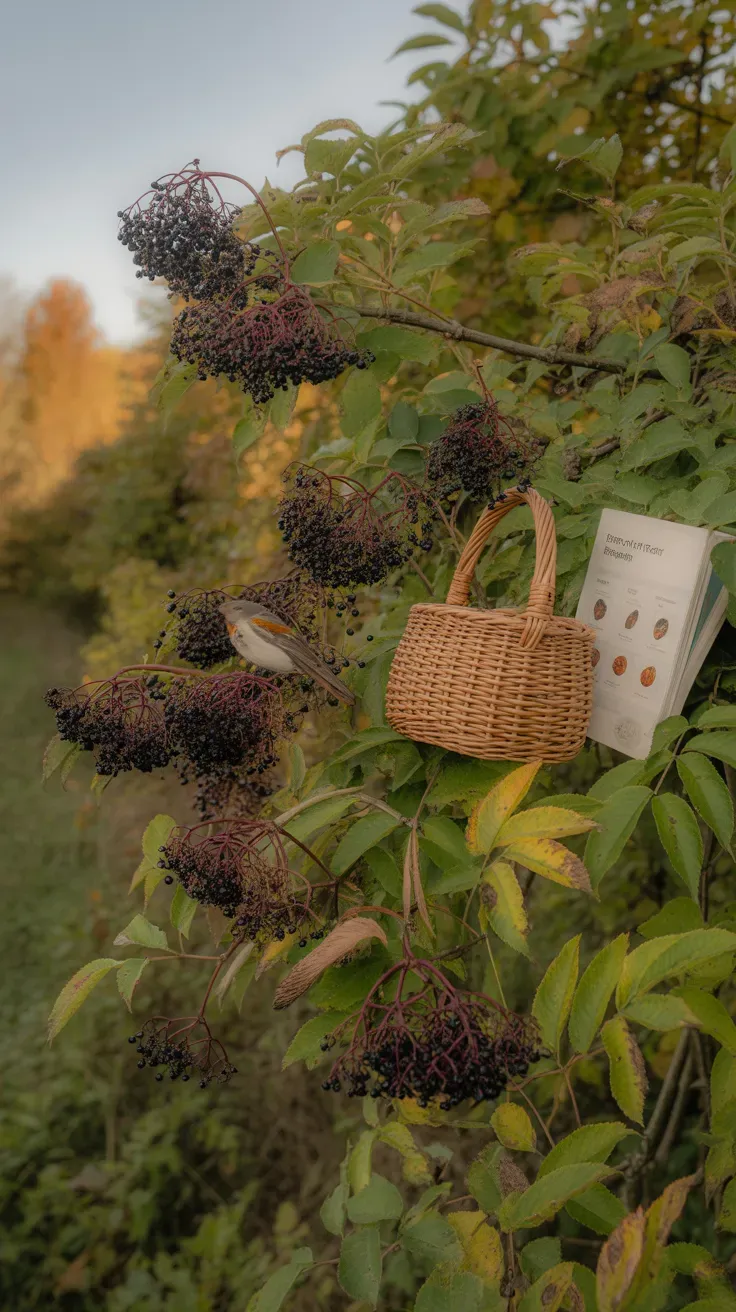
Elderberry (Sambucus nigra and related species) has a long tradition of use for immune support, with historical references dating back to ancient Egyptian and Greek medicine, typically prepared as a cooked syrup or tea.
Identify it by its compound leaves with 5-7 serrated leaflets, flat-topped clusters of small white flowers in early summer, and drooping clusters of small dark purple-black berries in late summer through fall. It grows in hedgerows, woodland edges, and moist soil across North America and Europe.
Important: Raw elderberries, along with the leaves, stems, and unripe berries, contain compounds that cause nausea and digestive upset and must never be consumed raw. Traditional preparations always involve cooking the ripe berries thoroughly.
Internal link: growing elderberry shrubs for home use External link: University of Florida Extension’s elderberry growing and safety notes
8. Nettle for Traditional Anti-Inflammatory Use
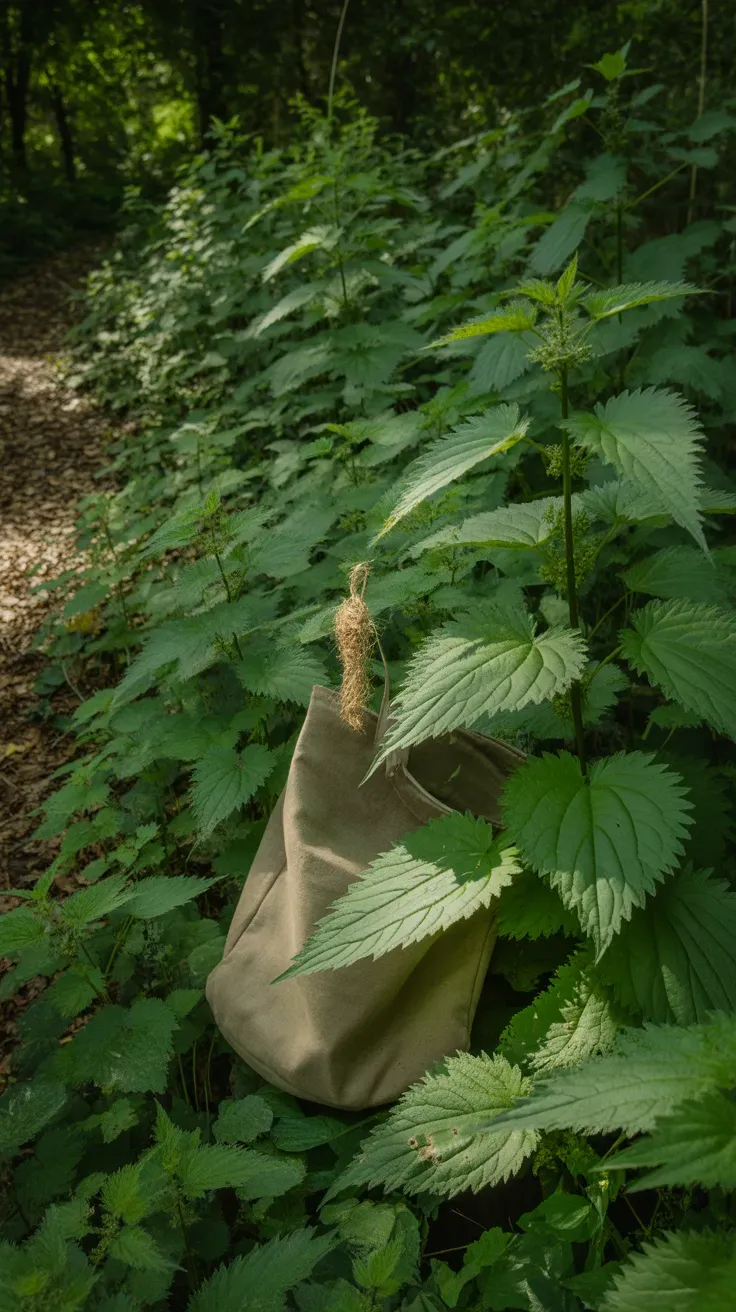
Stinging nettle (Urtica dioica) has been used traditionally across numerous cultures for anti-inflammatory and general tonic purposes, typically prepared as a cooked or dried tea after the stinging compounds are neutralized.
Identify it by its serrated, heart-shaped leaves covered in fine hairs that cause a stinging, itching reaction on contact with skin, growing in dense colonies along woodland edges, stream banks, and disturbed soil. It’s found throughout North America, Europe, and Asia in consistently moist, partially shaded conditions.
Important: Always wear thick gloves when handling fresh nettle, since the stinging hairs cause genuine skin irritation on contact. Cooking, drying, or steeping in hot water neutralizes the stinging compounds before traditional use.
Internal link: identifying plants with defensive stinging structures External link: RHS growing guide for Urtica dioica
9. Echinacea for Traditional Immune-Supporting Use
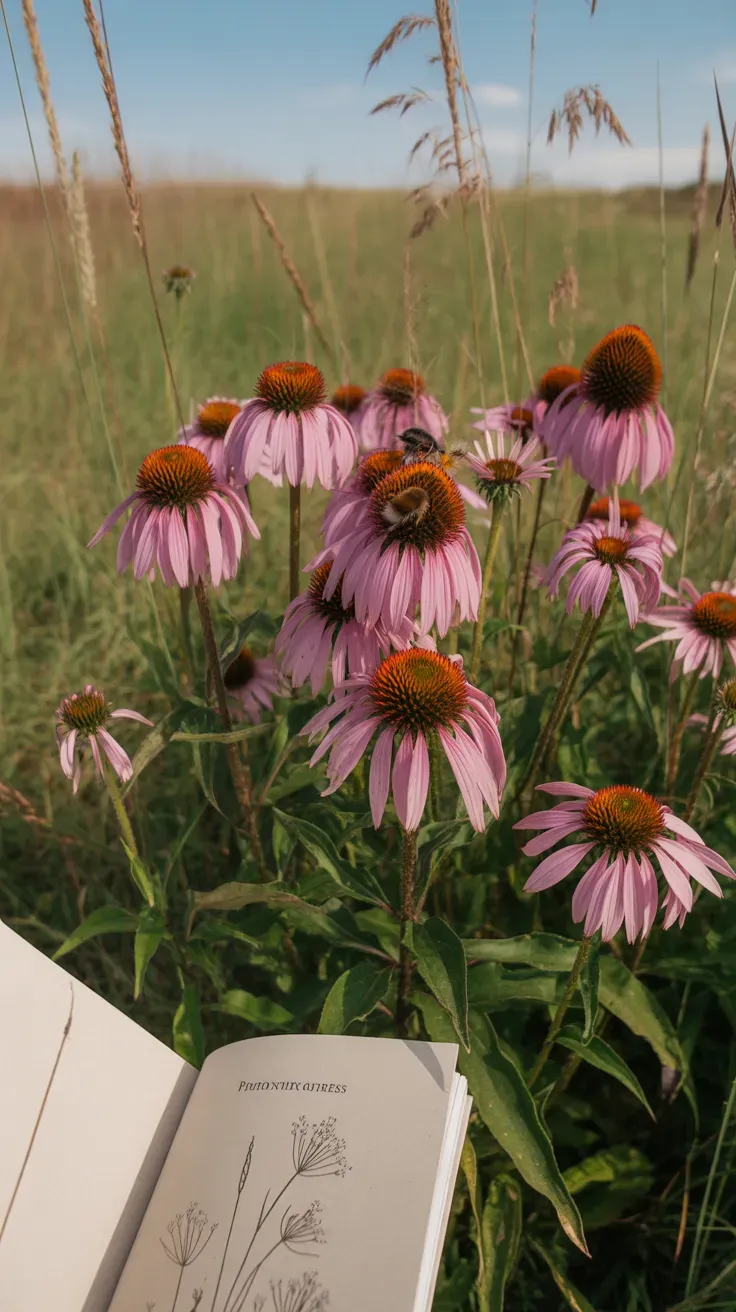
Echinacea (Echinacea purpurea and related species), native to North American prairies, has a documented history of traditional use among Indigenous peoples of the Great Plains for immune support, later adopted broadly into Western herbalism.
Identify it by its distinctive purple, downward-drooping petals surrounding a raised, spiny orange-brown central cone, and coarse, hairy leaves. It grows natively in prairies and open woodlands across central North America, though it’s now widely cultivated in gardens well beyond its native range.
Internal link: growing native echinacea in home gardens External link: Missouri Botanical Garden’s Echinacea purpurea profile
Echinacea’s prairie origins and Indigenous traditional use make it one of the most historically significant North American medicinal plants.
10. Comfrey for Traditional External Wound Support
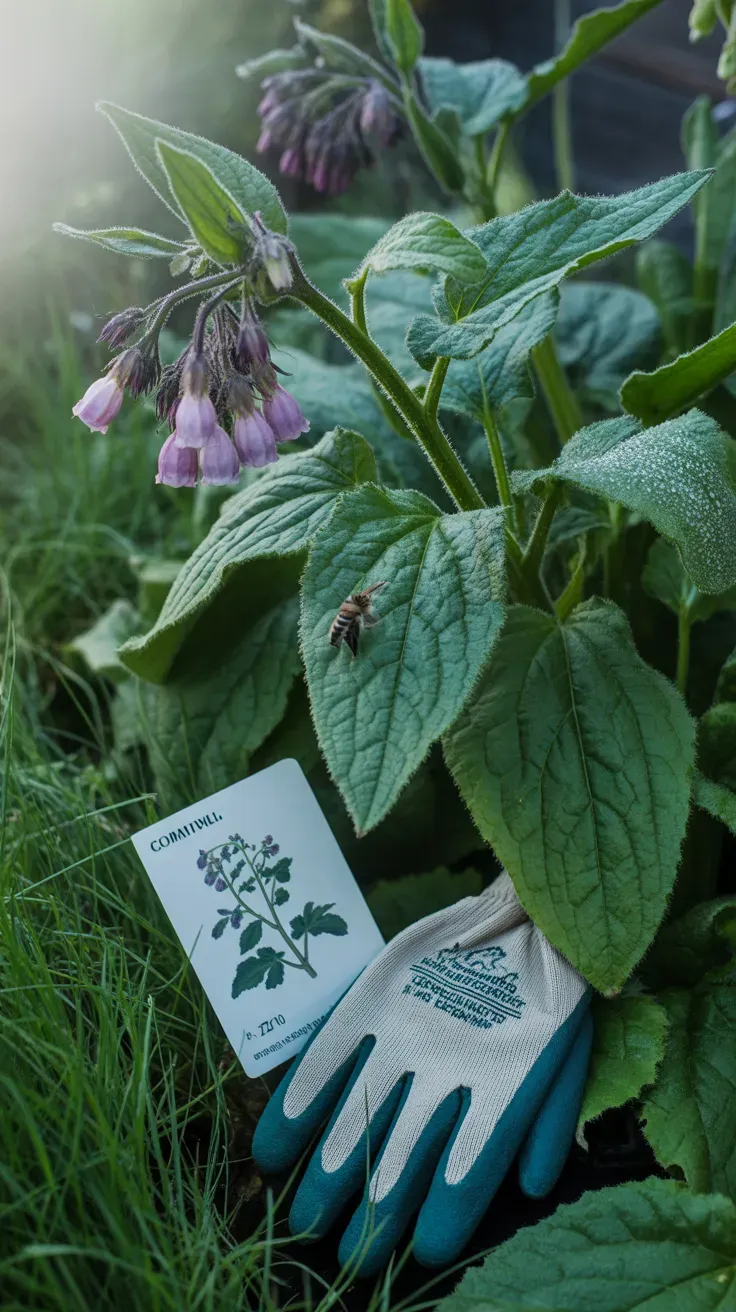
Comfrey (Symphytum officinale) has a long tradition of external use for skin and topical support, historically applied as a poultice, though its internal use has fallen out of favor due to documented liver toxicity concerns.
Identify it by its large, rough, hairy leaves with a distinctive deeply veined texture, and clusters of drooping bell-shaped flowers in purple, pink, or cream. It grows in moist soil along garden edges, ditches, and waste ground across Europe, now naturalized in parts of North America.
Important: Modern research has established that internal use of comfrey carries genuine liver toxicity risk due to pyrrolizidine alkaloids. Traditional external-only use remains the safer historical application, and even this should be discussed with a healthcare provider, particularly for broken skin.
Internal link: plants with historical external versus internal use distinctions External link: Penn State Extension’s Symphytum officinale safety notes
11. Mullein for Traditional Respiratory Support
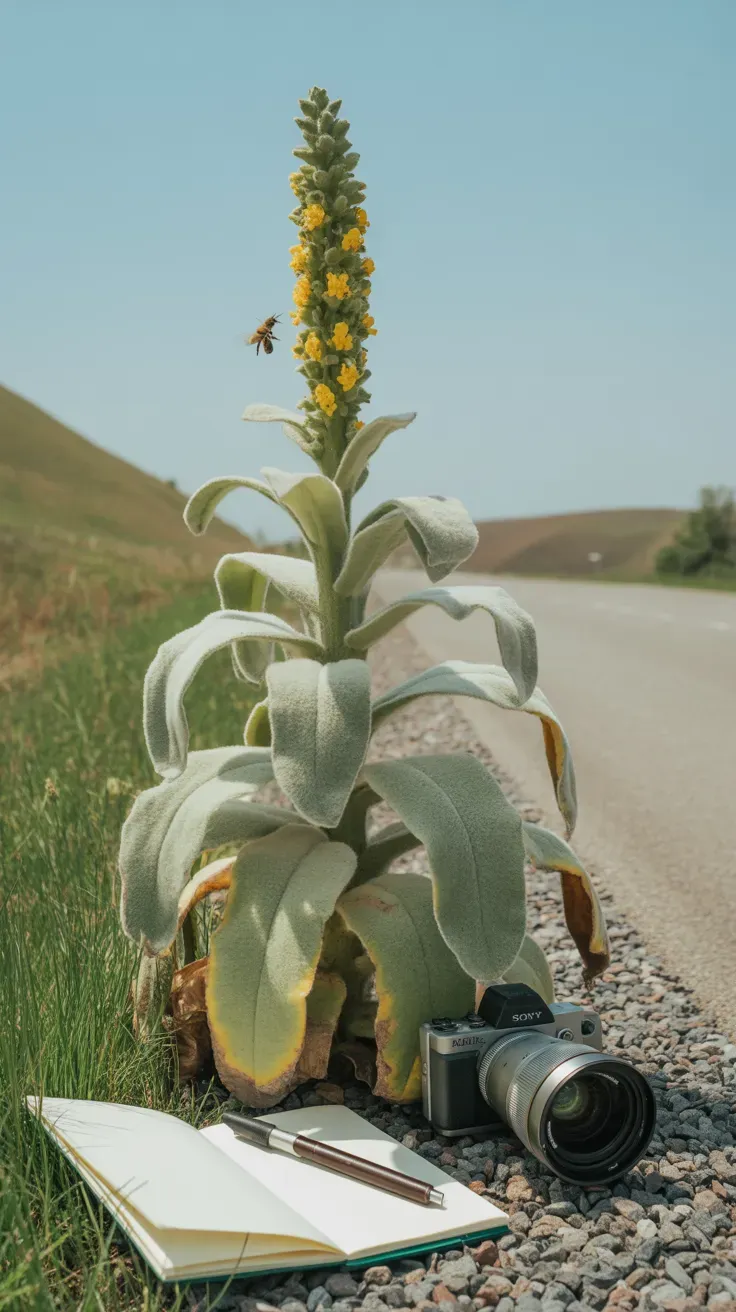
Mullein (Verbascum thapsus) has a long tradition of use for respiratory support, historically prepared as a tea using the dried leaves and flowers, valued particularly for its soft, non-irritating texture compared to more astringent herbs.
Identify it by its distinctive rosette of large, soft, fuzzy silver-green leaves in its first year, followed by a tall (often 5-7 foot) flowering spike covered in small yellow flowers in its second year. It grows in disturbed soil, roadsides, and dry fields across Europe, Asia, and naturalized widely in North America.
Pro Tip: If harvesting mullein leaves for tea, strain the prepared tea through a fine cloth or coffee filter — the plant’s characteristic fine hairs can cause mild throat irritation if not filtered out before drinking.
Internal link: identifying tall biennial wildflowers along roadsides External link: Almanac’s mullein identification and traditional use notes
12. Red Clover for Traditional Hormonal and Skin Support
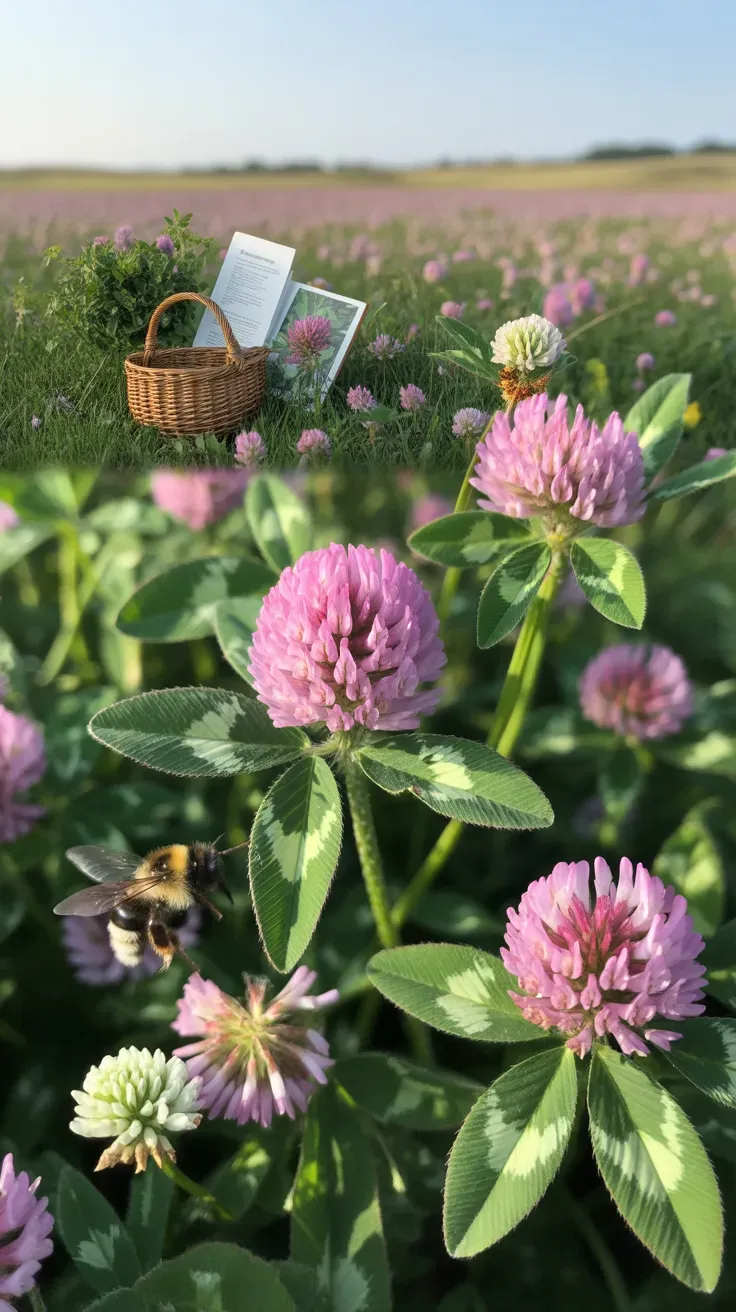
Red clover (Trifolium pratense) has a documented history of traditional use for hormonal and skin support, particularly in women’s health traditions, valued for its phytoestrogen content.
Identify it by its round, dense pink-purple flower heads and distinctive trifoliate (three-leaflet) leaves, each often marked with a pale chevron pattern. It grows widely in fields, lawns, and roadsides across Europe, now naturalized throughout North America as both a wild plant and agricultural cover crop.
Important: Red clover’s phytoestrogen content means it should be used with particular caution by anyone with hormone-sensitive conditions or taking hormonal medications. Consult a healthcare provider before use in these circumstances.
Internal link: identifying common clover species and lookalikes External link: University of Florida Extension’s Trifolium pratense growing notes
13. Burdock for Traditional Digestive and Skin Use
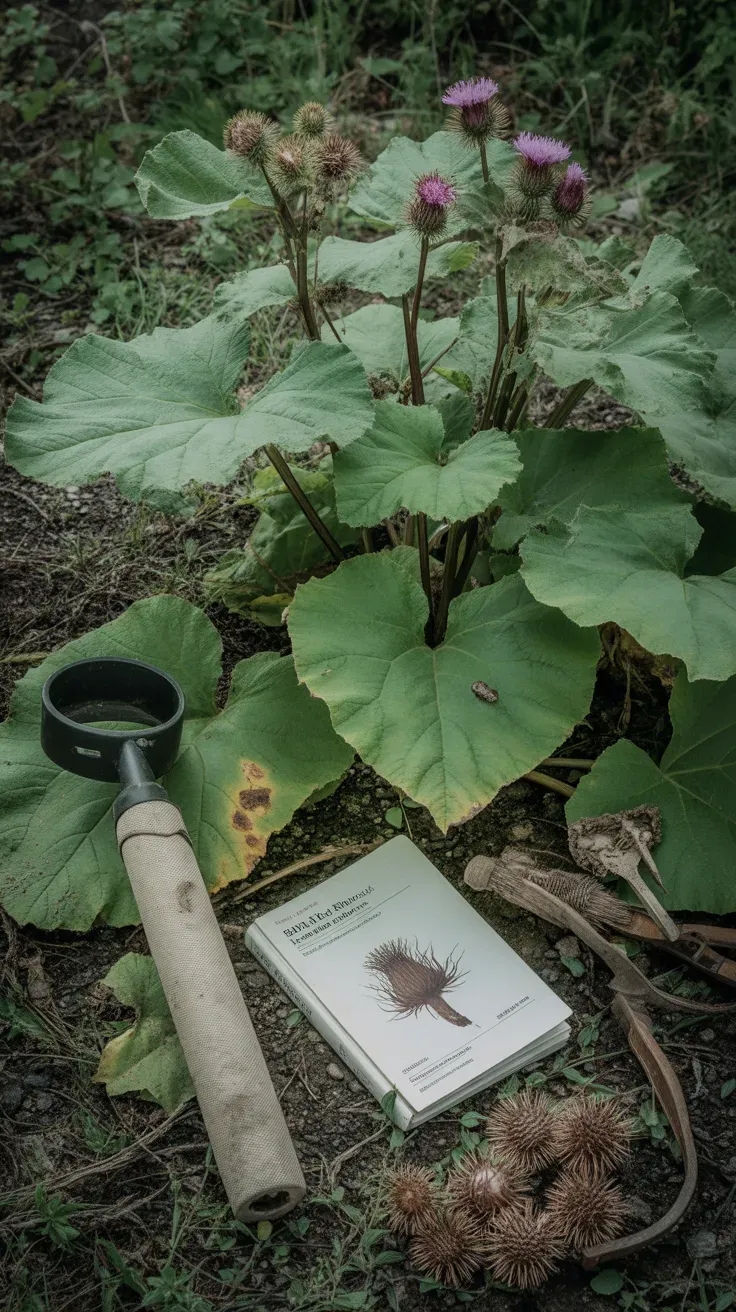
Burdock (Arctium lappa) has a long tradition of use across European and Asian herbal medicine, historically valued for digestive and skin-supporting applications, with the root being the most commonly used part.
Identify it by its large, heart-shaped leaves with a woolly gray underside, and distinctive purple thistle-like flowers that develop into the notoriously sticky burrs (the inspiration behind the invention of Velcro). It grows in disturbed soil, waste ground, and field edges across Europe and Asia, now naturalized widely in North America.
What works vs. what to avoid:
- Works: harvesting first-year roots before the plant flowers, when they’re most tender
- Avoid: confusing young burdock with rhubarb or other broad-leaved plants before the distinctive burrs appear
Internal link: identifying biennial plants by growth stage External link: SF Gate Home Guide’s burdock identification and traditional use notes
14. Feverfew for Traditional Headache Relief
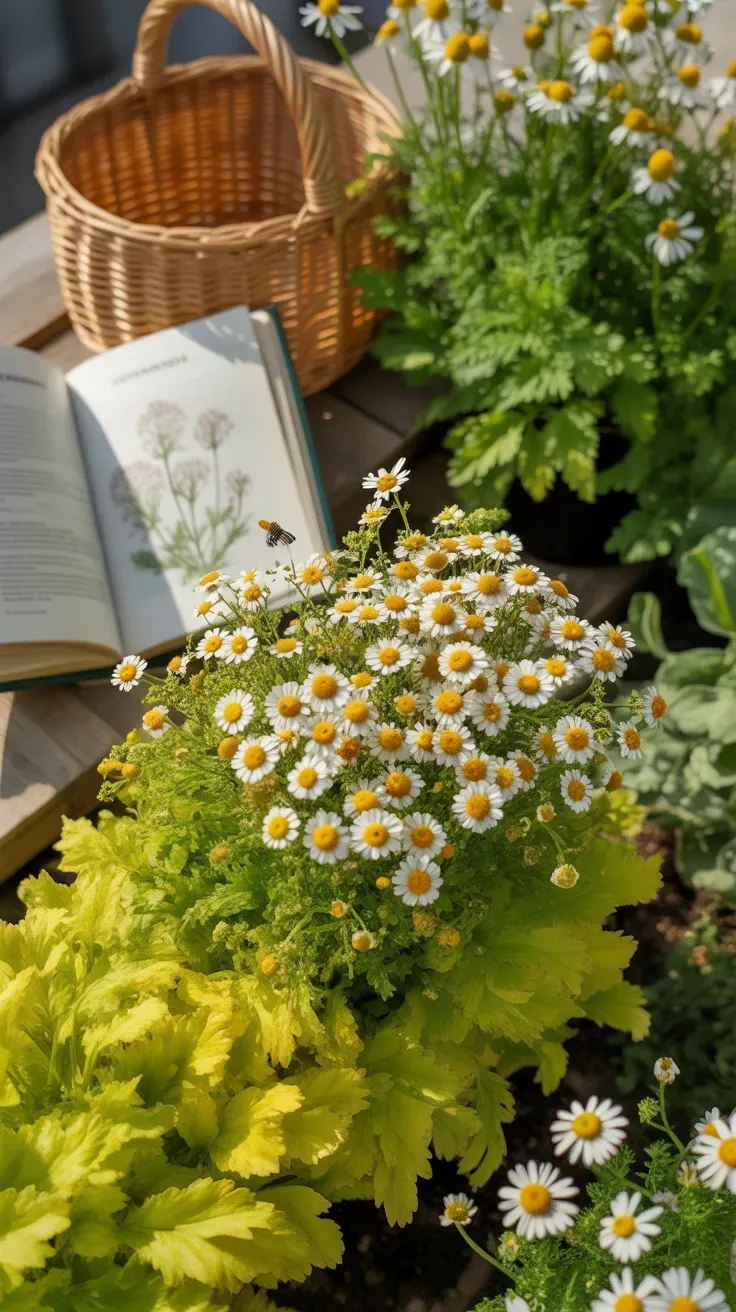
Feverfew (Tanacetum parthenium) has a documented history of traditional use for headache relief dating back to ancient Greek medicine, and it remains one of the more extensively studied traditional plants for this specific application.
Identify it by its small, daisy-like white flowers with yellow centers, similar to chamomile but slightly smaller, and distinctively yellow-green, aromatic foliage with a bitter scent when crushed. It grows in gardens and naturalized areas across Europe, Asia, and North America, often escaping cultivation into roadsides and waste ground.
Important: Feverfew can cause mouth ulcers in some people when the fresh leaf is chewed directly, and it’s not recommended during pregnancy. As with all plants on this list, consult a healthcare provider before use, particularly given interactions with blood-thinning medications.
Internal link: growing traditional headache-relief herbs at home External link: RHS growing guide for Tanacetum parthenium
15. Valerian for Traditional Sleep and Calming Support
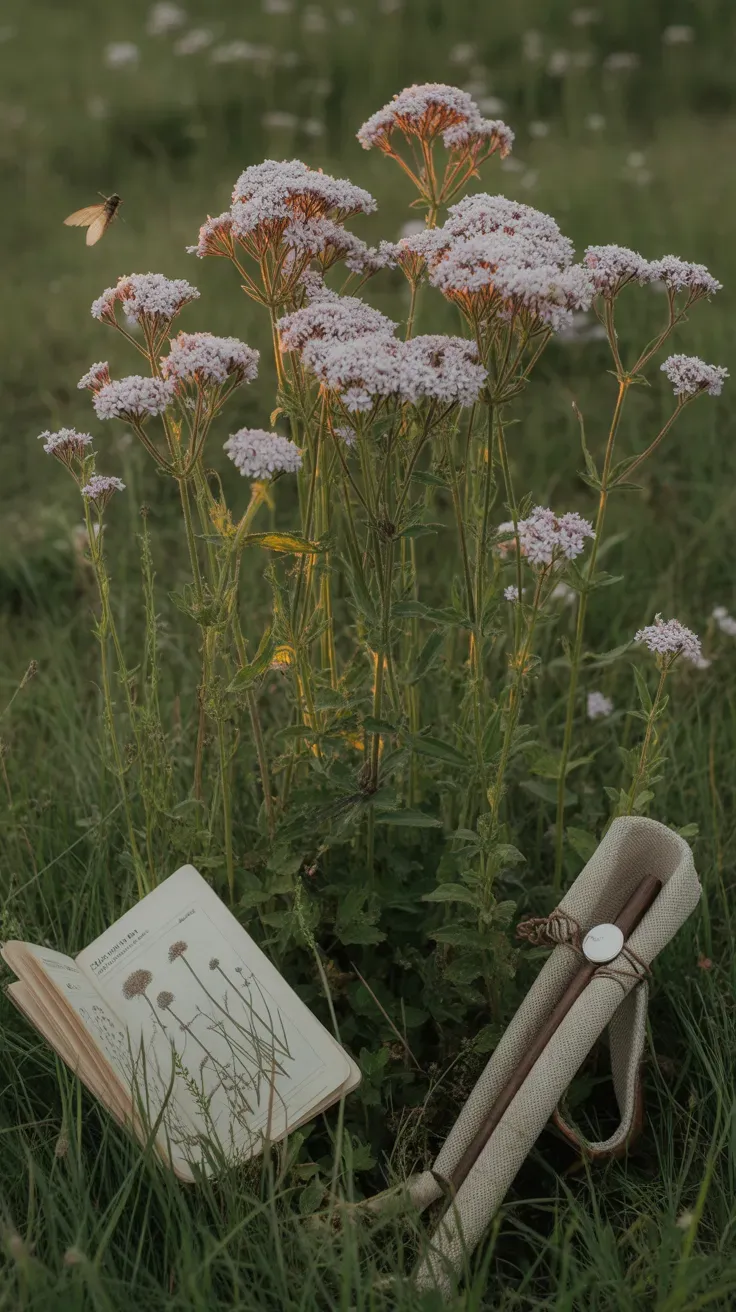
Valerian (Valeriana officinalis) has a long tradition of use for sleep and calming support dating back to ancient Greek and Roman medicine, with the root being the primary part used in traditional preparations.
Identify it by its loose clusters of small, sweetly fragrant pink-white flowers atop tall (2-4 foot) stems, and compound leaves with multiple paired leaflets. It grows in damp meadows, ditches, and along stream banks across Europe and Asia, now naturalized in parts of North America.
Important: Valerian root can be confused with poison hemlock root when dug and cleaned, since both grow in similar damp habitats. Root identification is considerably harder than above-ground identification, making this a plant best sourced from a reputable supplier rather than wild-harvested by beginners.
Internal link: plants traditionally used for sleep and relaxation External link: Gardeners’ World’s valerian growing guide
16. Horsetail for Traditional Bone and Urinary Support
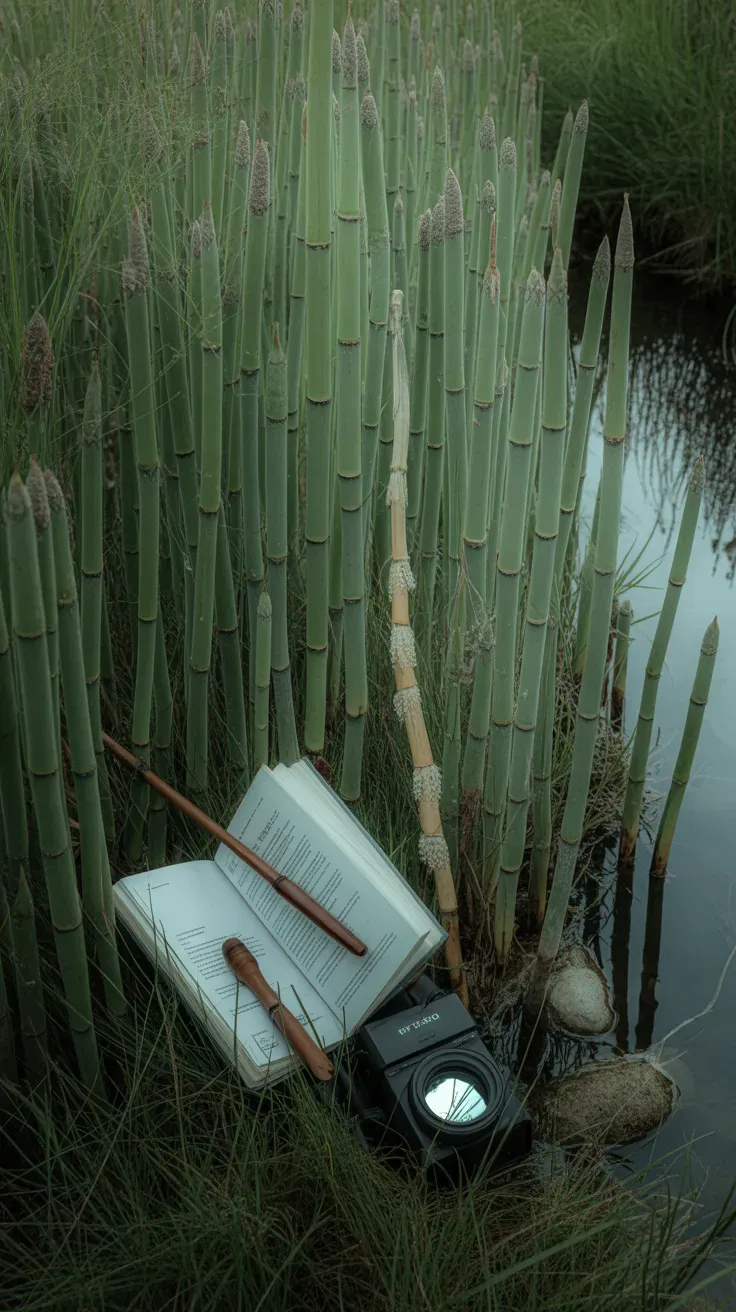
Horsetail (Equisetum arvense), a living relative of ancient plants that predate flowering plants by millions of years, has a traditional history of use for bone and urinary support, valued for its notably high silica content.
Identify it by its distinctive jointed, hollow, bamboo-like segmented stems with no true leaves, growing in dense colonies. It thrives in damp, disturbed soil along streams, ditches, and wet meadows across the Northern Hemisphere.
Important: Some Equisetum species contain higher levels of concerning compounds than others, and correct species identification matters significantly for this plant specifically. This is a case where consulting an experienced local forager or botanist before use is particularly worthwhile.
Internal link: ancient plant lineages found in modern wild spaces External link: Missouri Botanical Garden’s Equisetum arvense profile
17. Lemon Balm for Traditional Calming and Digestive Use
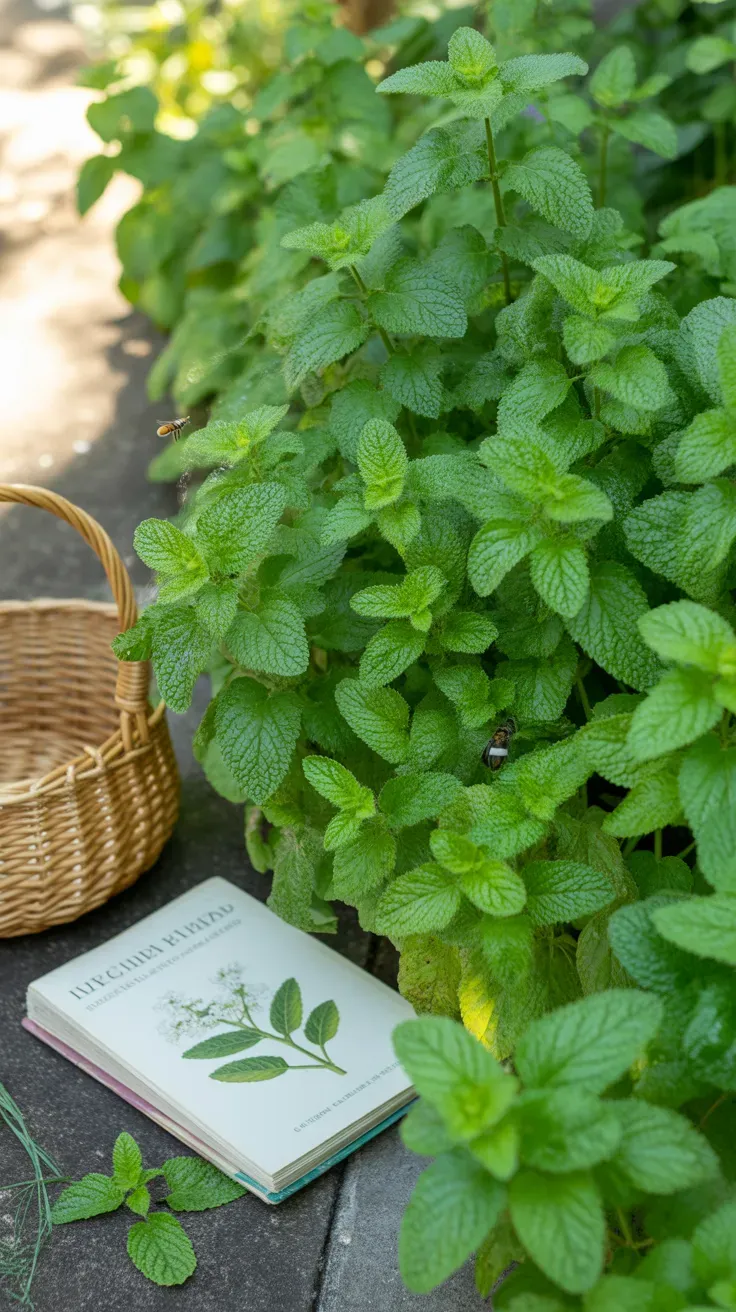
Lemon balm (Melissa officinalis), a member of the mint family, has a long tradition of use for calming and digestive support, historically brewed as a tea and valued for its pleasant citrus-like fragrance.
Identify it by its crinkled, bright green, mint-family leaves with a distinctive lemon scent when crushed, and small, inconspicuous white flowers tucked among the foliage. It grows readily in gardens and naturalized areas across Europe, now widely cultivated and occasionally escaped into the wild throughout North America.
Pro Tip: Like other mint-family plants, lemon balm spreads aggressively once established — if growing it intentionally, contain it in a pot even within a garden bed to prevent it from taking over neighboring plantings.
Internal link: growing calming herbs in a home garden External link: Almanac’s lemon balm growing guide
18. Wild Ginger for Traditional Digestive Support
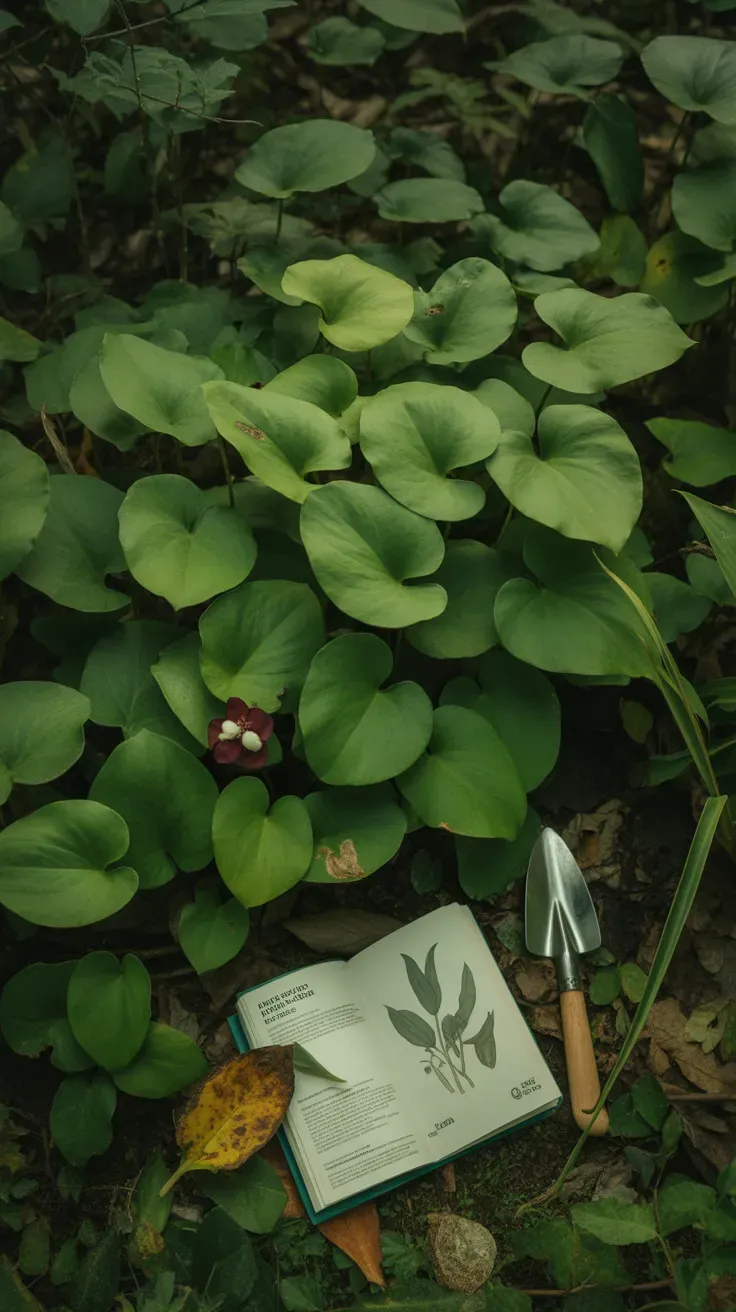
Wild ginger (Asarum canadense), unrelated botanically to true culinary ginger despite a similar aromatic quality, has a documented history of traditional use among Indigenous peoples of eastern North America for digestive support.
Identify it by its dense, heart-shaped, glossy leaves growing in pairs close to the ground, and small, unusual maroon-brown flowers that bloom hidden beneath the foliage at soil level, rarely noticed without deliberately searching. It grows in rich, shaded woodland understory habitats across eastern North America.
Important: Wild ginger contains aristolochic acid, a compound associated with kidney toxicity concerns in modern research, which has significantly reduced its contemporary herbal use despite its traditional history. This is a plant where historical use and current safety understanding notably diverge.
Internal link: native woodland plants with historical Indigenous uses External link: Missouri Botanical Garden’s Asarum canadense profile
19. Goldenrod for Traditional Urinary and Allergy Applications
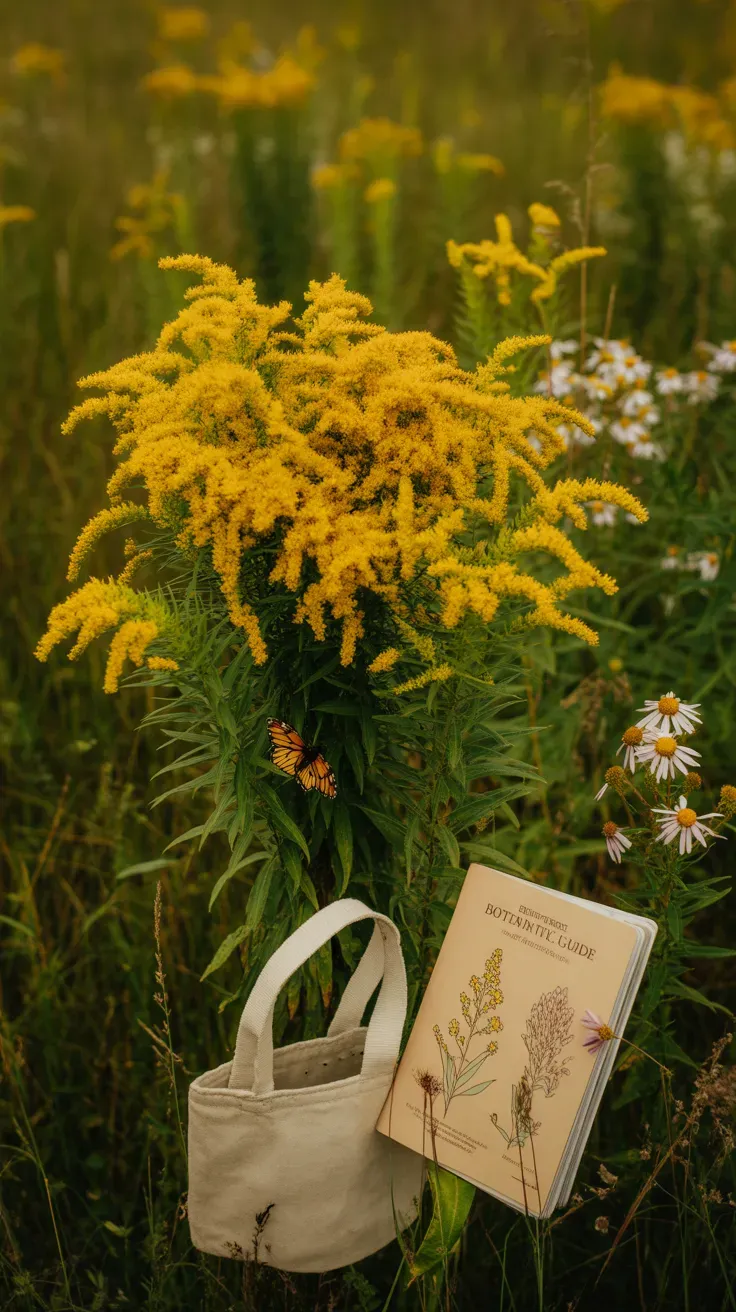
Goldenrod (Solidago species) has a long tradition of use for urinary support in European and North American folk medicine, and despite its popular reputation as an allergy trigger, it’s actually insect-pollinated and rarely the true source of late-summer hay fever symptoms (ragweed, which blooms simultaneously, is the more common culprit).
Identify it by its bright yellow, plume-like or wand-shaped flower clusters blooming in late summer through fall, and lance-shaped leaves along an upright stem. It grows abundantly in meadows, fields, and roadsides across North America, with numerous species found throughout the continent.
Internal link: late-season native meadow plants and their traditional uses External link: University of Florida Extension’s Solidago growing notes
Goldenrod’s mistaken allergy reputation makes it a genuinely interesting case study in plant misidentification affecting public perception.
20. Chickweed for Traditional Skin and Digestive Use
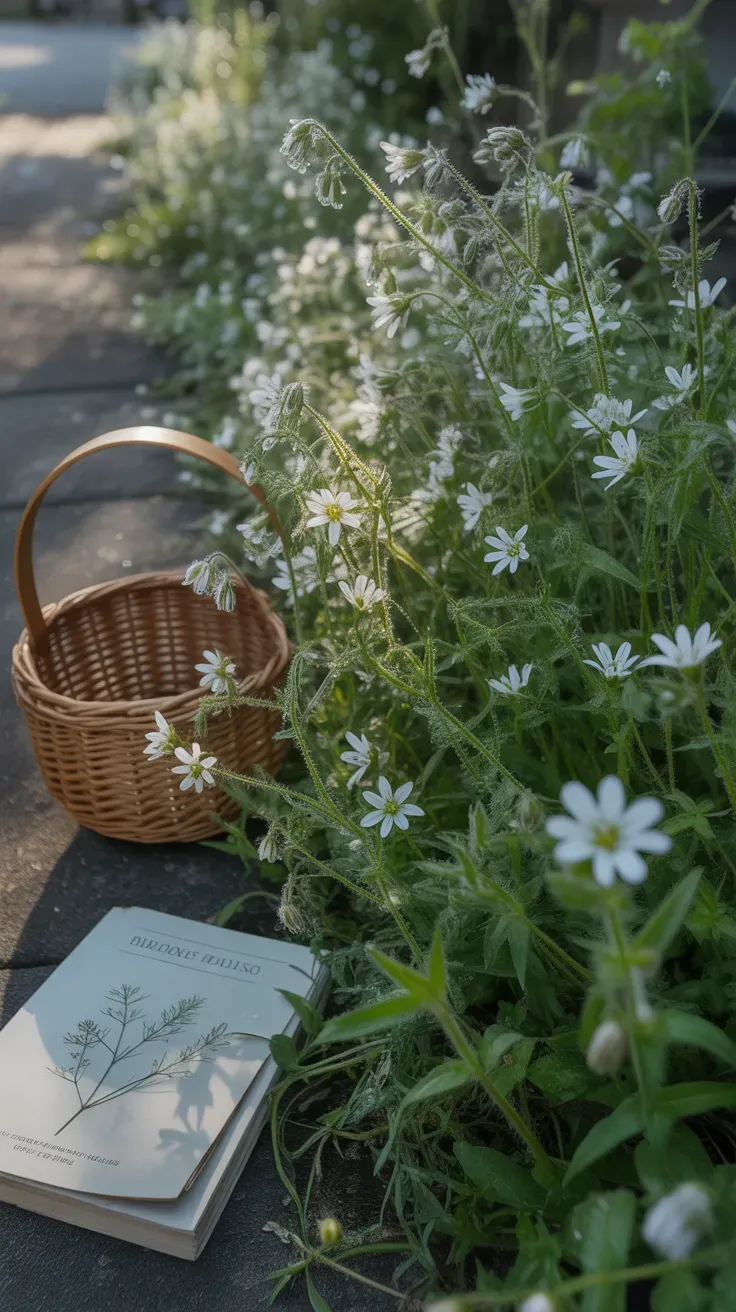
Chickweed (Stellaria media) has a long tradition of use for skin and digestive support in European folk medicine, historically applied both topically as a poultice and consumed as a mild, edible green.
Identify it by its small, white, star-shaped flowers with five deeply notched petals (appearing as ten at a glance), trailing stems with a single line of fine hairs, and small oval leaves in opposite pairs. It grows in shaded, moist garden edges, disturbed soil, and lawns across Europe, now naturalized worldwide.
Important: Chickweed closely resembles scarlet pimpernel, a mildly toxic lookalike with orange or red flowers rather than white. Always confirm flower color and the fine hairline stem detail before harvesting, since young plants can be confused before flowering.
Internal link: identifying common low-growing garden “weeds” External link: RHS growing guide and identification notes for Stellaria media
Closing this list with chickweed reinforces a theme worth remembering: even the most common, unassuming plants in your own yard often carry a documented history worth knowing.
Getting Started With Learning Medicinal Wild Plants
The easiest first step is starting with the most common, easily identified plants on this list — plantain, dandelion, and yarrow — rather than attempting to identify anything with a toxic lookalike as a beginner. The most common beginner mistake is relying on a single photo or app identification rather than cross-referencing multiple sources and physical features before any use.
For your first project, get one reputable regional plant identification guide (specific to your area, since species vary by region), a hand lens for examining small identifying features, and a notebook for recording where and when you find each plant.
Realistically, expect to spend a full season or more building genuine confidence in identifying even a handful of plants reliably, since many species look different at various growth stages throughout the year.
Frequently Asked Questions
Is it safe to forage and use wild medicinal plants?
Foraging carries real risk if plants are misidentified, since several medicinal plants have toxic lookalikes that can cause serious harm. Always use multiple identification sources, positively confirm identification using several distinct physical features, and consult a healthcare provider before using any wild plant medicinally, especially alongside existing medications.
What are the easiest medicinal wild plants for beginners to identify?
Plantain, dandelion, and yarrow are among the most widely recognized and easily identified plants for beginners, all common in lawns and disturbed soil across most of North America and Europe. Each has minimal toxic lookalike concerns compared to plants like valerian or horsetail, which require more identification confidence.
Can I grow medicinal wild plants in my own garden?
Yes, many plants on this list, including yarrow, chamomile, echinacea, and lemon balm, adapt well to home garden conditions and are commonly available at nurseries. Growing your own from a known, reputable source also eliminates the identification uncertainty that comes with wild foraging.
Do I need to consult a doctor before using herbal remedies?
Yes, consulting a healthcare provider before using any herbal remedy is genuinely important, particularly given documented interactions between plants like St. John’s Wort and common prescription medications. This matters even more for anyone pregnant, nursing, managing a chronic condition, or taking regular medication.
How do I tell a medicinal plant apart from a toxic lookalike?
Cross-reference multiple physical features, not just overall shape, including flower structure, leaf arrangement, scent, stem characteristics, and typical habitat, using at least two independent identification sources. When any uncertainty remains, the safest choice is not to use the plant, since the consequences of misidentification with species like poison hemlock can be severe.
A Few Final Thoughts
These 20 medicinal wild plants represent just a fraction of the traditional herbal knowledge embedded in the landscapes most of us walk past daily, from lawn dandelions to streamside willow. Learning to genuinely identify even a handful of these, starting with the most accessible, low-risk options like plantain and yarrow, connects you to centuries of documented traditional practice. Always prioritize positive identification using multiple sources over convenience or assumption, since the stakes with wild plants are real and some lookalikes carry genuine danger. Start with one plant already growing in your own yard, learn to identify it with total confidence, and you’ll likely find yourself noticing a dozen more traditional plants on your very next walk.