
Bee balm is one of those perennials that looks effortless in photos and then turns into a powdery-mildew magnet by mid-July if you plant it next to the wrong neighbors. I learned this the hard way after tucking a patch of Monarda didyma ‘Jacob Cline’ between two hostas — the airflow was terrible, and by August the leaves looked dusted in flour. The right companions solve that problem while pulling in more hummingbirds and bees than bee balm could manage alone. Below are 10 plants that genuinely earn a spot near your monarda, and 5 that quietly work against it. Ready? Let’s explore all 15 of them.
Quick Answer: For the best results, pair bee balm with airflow-friendly, similarly thirsty perennials like purple coneflower, catmint, and Russian sage — all three tolerate the same moisture swings and won’t smother monarda’s stems. Skip mint, hostas, and roses, which either compete too aggressively for water or share bee balm’s susceptibility to powdery mildew. If you only remember one rule: give bee balm at least 18-24 inches of breathing room on every side.
Why Companion Planting With Bee Balm Is Worth Your Time
Bee balm (Monarda didyma and Monarda fistulosa) is a magnet for hummingbirds, bumblebees, and swallowtail butterflies, but on its own in a border it can look leggy by late summer once the main flush of bloom fades. The right companions extend the visual season and give pollinators a continuous nectar source from June through September, which is the whole point of planting it in the first place.
The practical benefit most gardeners miss is airflow. Monarda is genetically prone to powdery mildew, and crowding it with dense, low-growing plants traps humidity around the stems. Pairing it instead with plants that have similar height and open, airy growth habits — ornamental grasses, salvia, yarrow — cuts mildew risk dramatically without spraying anything.
A lesser-known fact: bee balm spreads by rhizomes almost as aggressively as mint, since they’re both in the Lamiaceae family. Planting it next to slower, clump-forming perennials like coneflower actually helps contain the spread, because the coneflower’s root mass gives the monarda rhizomes less open soil to colonize.
This approach is ideal for anyone with a sunny-to-part-shade border who wants a low-maintenance pollinator patch rather than a high-fuss cutting garden.
At a Glance
- Purple coneflower and bee balm bloom on nearly the same schedule, so the border never has an awkward gap.
- Russian sage’s silvery foliage hides bee balm’s lower stems once they get leggy in August.
- Catmint blooms four to six weeks earlier than monarda, giving pollinators a head start in late spring.
- Mint should never share a bed with bee balm — both spread by rhizomes and will fight for the same square footage within two seasons.
- Roses and bee balm both attract powdery mildew, so planting them close together doubles your fungicide workload.
At-a-Glance Comparison
| Plant | Light Needs | Mature Size | Difficulty | Pet-Safe? |
| Purple Coneflower | Full sun | 2-4 ft tall | Easy | Yes |
| Black-Eyed Susan | Full sun | 1-3 ft tall | Easy | Yes |
| Garden Phlox | Full sun/part shade | 2-4 ft tall | Moderate | Yes |
| Russian Sage | Full sun | 3-4 ft tall | Easy | Yes |
| Yarrow | Full sun | 1-3 ft tall | Easy | Mildly toxic to pets |
| Catmint | Full sun | 1-2 ft tall | Easy | Yes (cats may nibble) |
| Joe Pye Weed | Full sun/part shade | 4-7 ft tall | Moderate | Yes |
| Lavender | Full sun | 1-3 ft tall | Moderate | Yes |
| Salvia (Nemorosa) | Full sun | 1-2 ft tall | Easy | Yes |
| Little Bluestem Grass | Full sun | 2-4 ft tall | Easy | Yes |
| Mint (avoid) | Full sun/part shade | 1-2 ft, spreading | Easy but invasive | Yes |
| Hostas (avoid) | Part/full shade | 1-3 ft tall | Easy | Toxic to pets |
| Roses (avoid) | Full sun | 3-6 ft tall | Difficult | Yes (thorns hazard) |
| Peonies (avoid) | Full sun | 2-3 ft tall | Moderate | Mildly toxic to pets |
| Bearded Iris (avoid) | Full sun | 2-3 ft tall | Moderate | Toxic to pets |
Purple Coneflower (Echinacea purpurea)
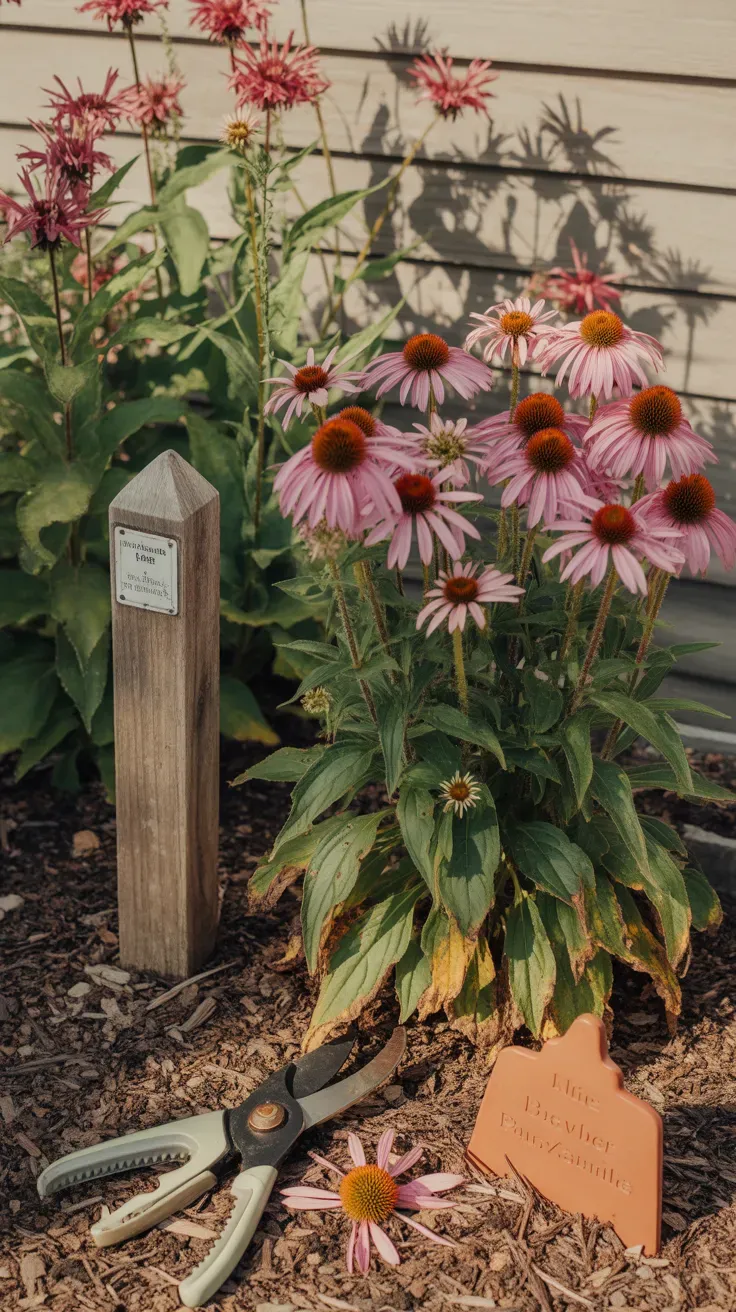
Purple coneflower shares bee balm’s love of full sun and average, well-drained soil, and both bloom from June into September, so the pairing never has a dead zone.
Plant coneflower about 18 inches from your monarda clump in soil that drains within a few hours after rain — coneflower rots in soggy spots faster than bee balm does. Water both deeply once a week during dry spells rather than misting daily; shallow watering encourages the powdery mildew that monarda is already prone to. Deadhead coneflower through midsummer to keep it blooming, then let the last flush go to seed for finches in fall.
Pro Tip: Leave coneflower’s root mass undisturbed near monarda — the dense taproot system genuinely slows how far bee balm’s rhizomes spread underground.
Pair these two along a sunny perennial border for a low-maintenance pollinator strip. For more on echinacea’s drought tolerance once established, see the Missouri Botanical Garden’s plant profile.
This combination alone will carry a border through the hottest, driest stretch of summer without extra fuss.
Black-Eyed Susan (Rudbeckia hirta)
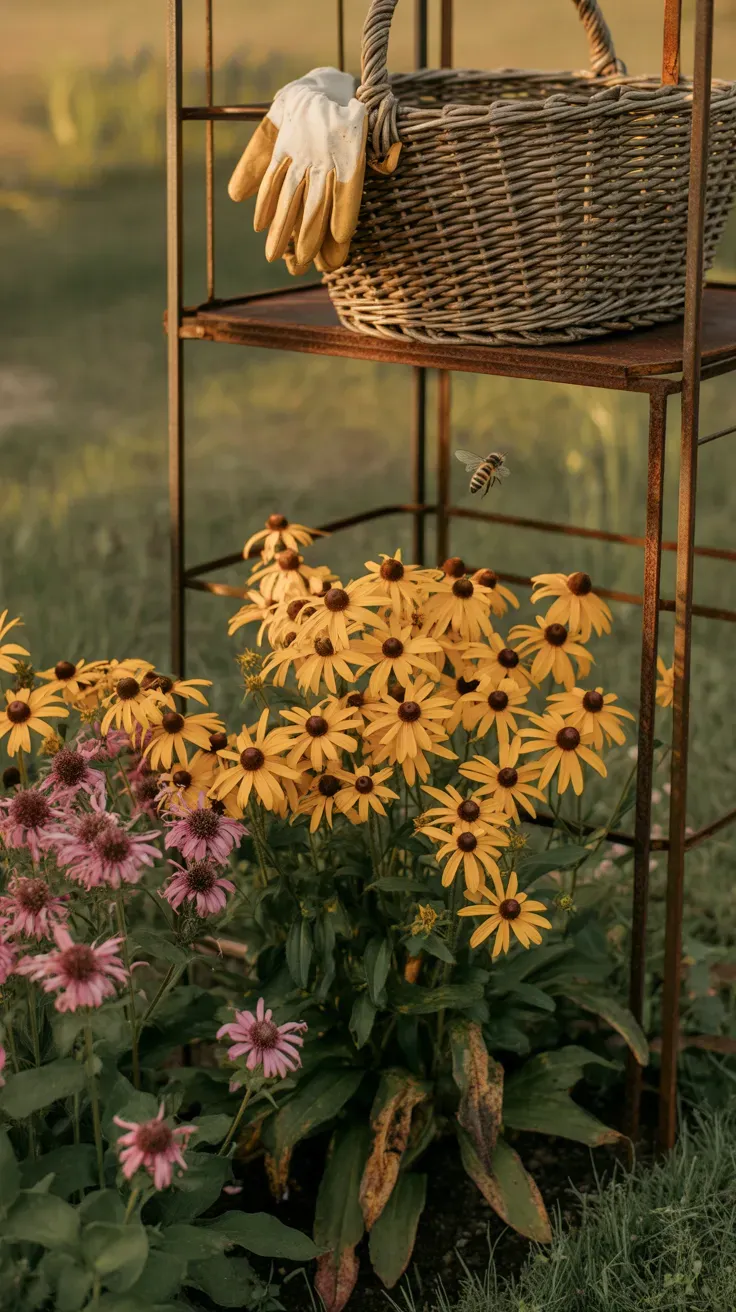
Black-eyed Susan tolerates poor, rocky soil almost as well as bee balm tolerates clay, which makes this a forgiving pairing for gardeners who haven’t amended their beds yet.
Space rudbeckia about a foot away from monarda’s outer stems, since both plants can get bushy by August and will crowd each other if planted too tight. Both prefer six or more hours of direct sun; in anything less, rudbeckia gets leggy and flops onto the bee balm, trapping moisture against its stems. Feed both lightly in spring with a balanced granular fertilizer — over-feeding rudbeckia actually reduces bloom count in favor of foliage.
- Beginner move: plant nursery starts 12-18 inches apart and let them fill in over two seasons.
- Advanced move: direct-sow rudbeckia seed in fall for a denser, more naturalized look by the following summer.
Read more on naturalizing native perennials in a sunny border, and check Penn State Extension’s guide to rudbeckia care for regional bloom timing.
Rudbeckia’s cheerful color echoes monarda’s red or purple blooms without competing for the same pollinators at the exact same hour of the day.
Garden Phlox (Phlox paniculata)
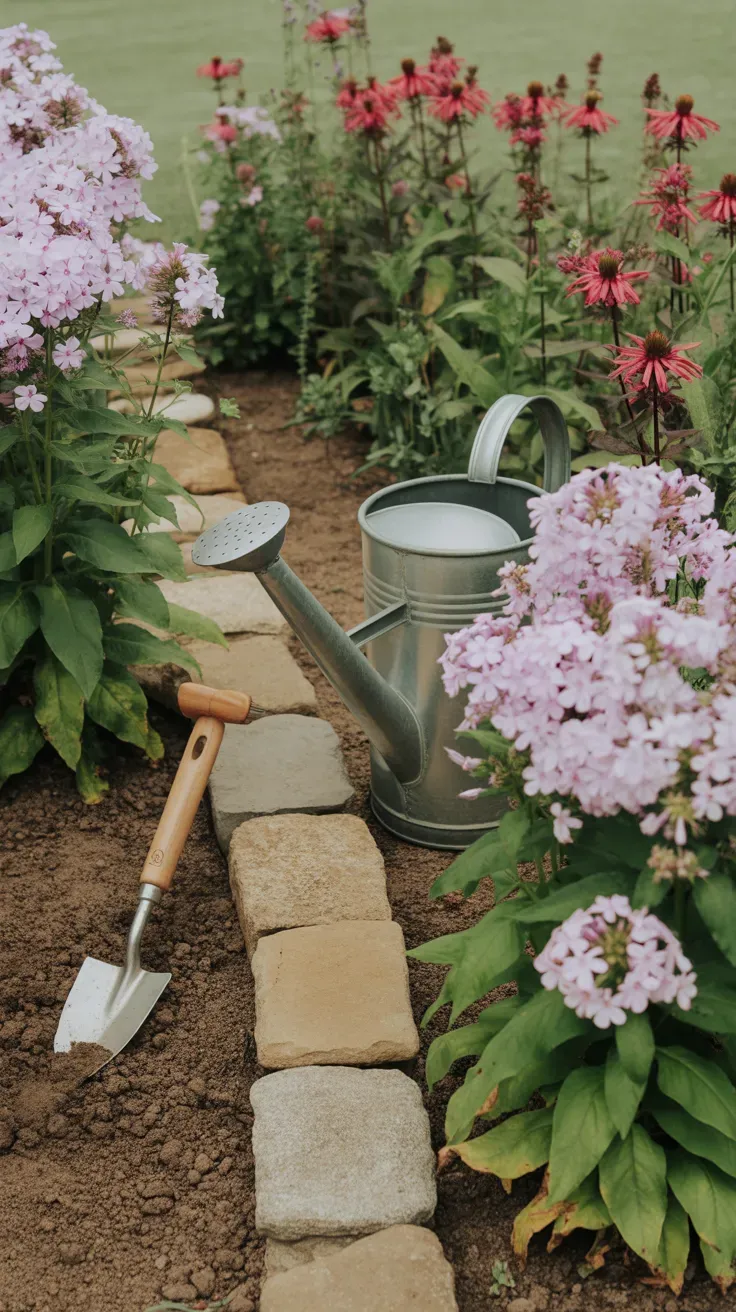
Garden phlox and bee balm are both prone to powdery mildew, which sounds like a dealbreaker, but planting mildew-resistant cultivars of each — like Phlox ‘David’ and Monarda ‘Jacob Cline’ — turns this into one of the showiest combinations in a mid-border planting.
Give both plants a full 24 inches of spacing minimum, since crowding is the actual mildew trigger, not the plants themselves. Water at the soil line with a soaker hose rather than overhead sprinklers; wet foliage overnight is what fungal spores need to establish. Both bloom in the same magenta-to-white color family, so stagger a few white phlox among red monarda for contrast rather than a monochrome block.
Explore more mildew-resistant perennial pairings for humid climates, and see Gardeners’ World’s advice on phlox care for pruning timing.
Choose resistant cultivars here and this pairing rewards you with six solid weeks of overlapping color.
Russian Sage (Perovskia atriplicifolia)
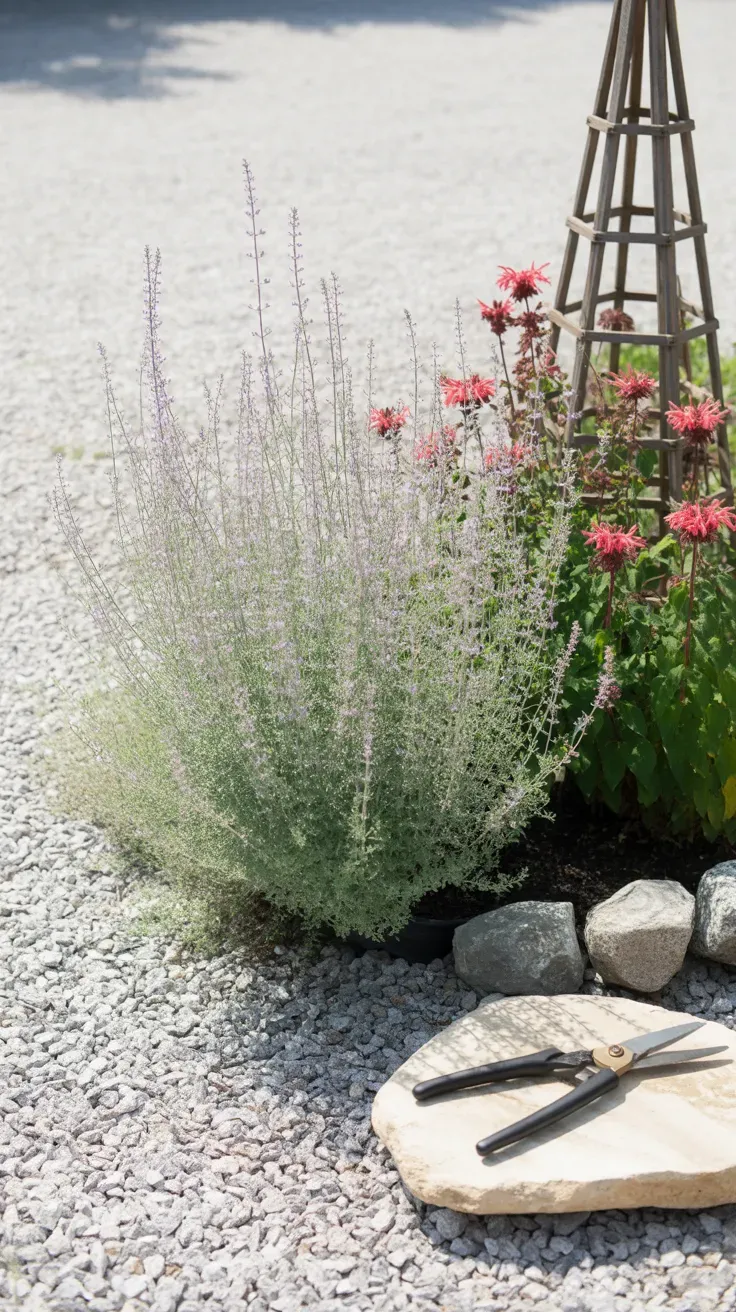
Russian sage’s fine, silvery foliage does something useful bee balm can’t do for itself: it visually camouflages monarda’s bare lower stems once the plant gets leggy in late summer.
Plant Russian sage on the sunniest side of your bee balm, since it genuinely needs more heat and less water than monarda tolerates comfortably. Skip fertilizer entirely for Russian sage — rich soil makes it flop — and let it dry out completely between waterings once established, usually by its second season. Cut it back hard to about 6 inches in early spring; new growth comes from the base, not old wood.
Pro Tip: Plant Russian sage slightly uphill or on a raised mound if your soil holds water, since it’s far more likely than bee balm to develop root rot in standing moisture.
For sun-loving companion ideas, browse drought-tolerant border combinations, and check the Royal Horticultural Society’s Perovskia growing guide for pruning specifics.
The contrast in texture alone — monarda’s shaggy blooms against Russian sage’s wispy spires — makes this one of the most photographed pairings in pollinator gardens.
Yarrow (Achillea millefolium)
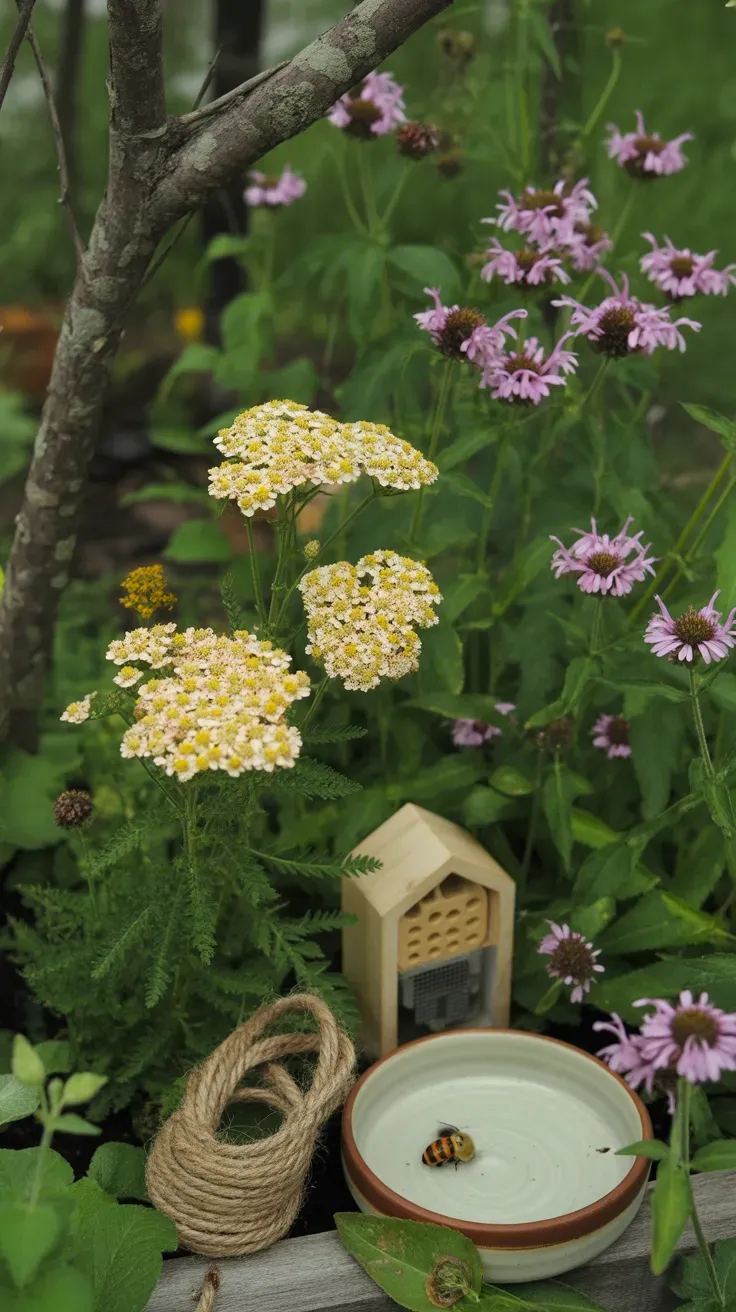
Yarrow’s flat-topped flower clusters give smaller pollinators — hoverflies, tiny native bees — an easy landing pad that complements bee balm’s tubular blooms, which mostly serve hummingbirds and larger bees.
Plant yarrow in the leanest soil in your bed; it actually blooms less and flops more in rich, fertile ground, which makes it one of the few plants that thrives on neglect right next to a heavier feeder like monarda. Water only during extended drought once established, and divide clumps every two to three years to keep them from crowding bee balm’s root zone. Deadhead spent flower heads to encourage a second bloom flush in early fall.
- What works: pairing yarrow with monarda in poor, rocky, or sandy soil where little else thrives.
- What to avoid: planting yarrow in a heavily mulched, moisture-retentive bed, where it’s prone to root rot and stem flop.
See more on building a low-maintenance pollinator bed, and reference Utah State Extension’s notes on yarrow for regional bloom windows.
The combined bloom shapes give your border textural variety that a bed of tubular flowers alone can’t provide.
Catmint (Nepeta faassenii)
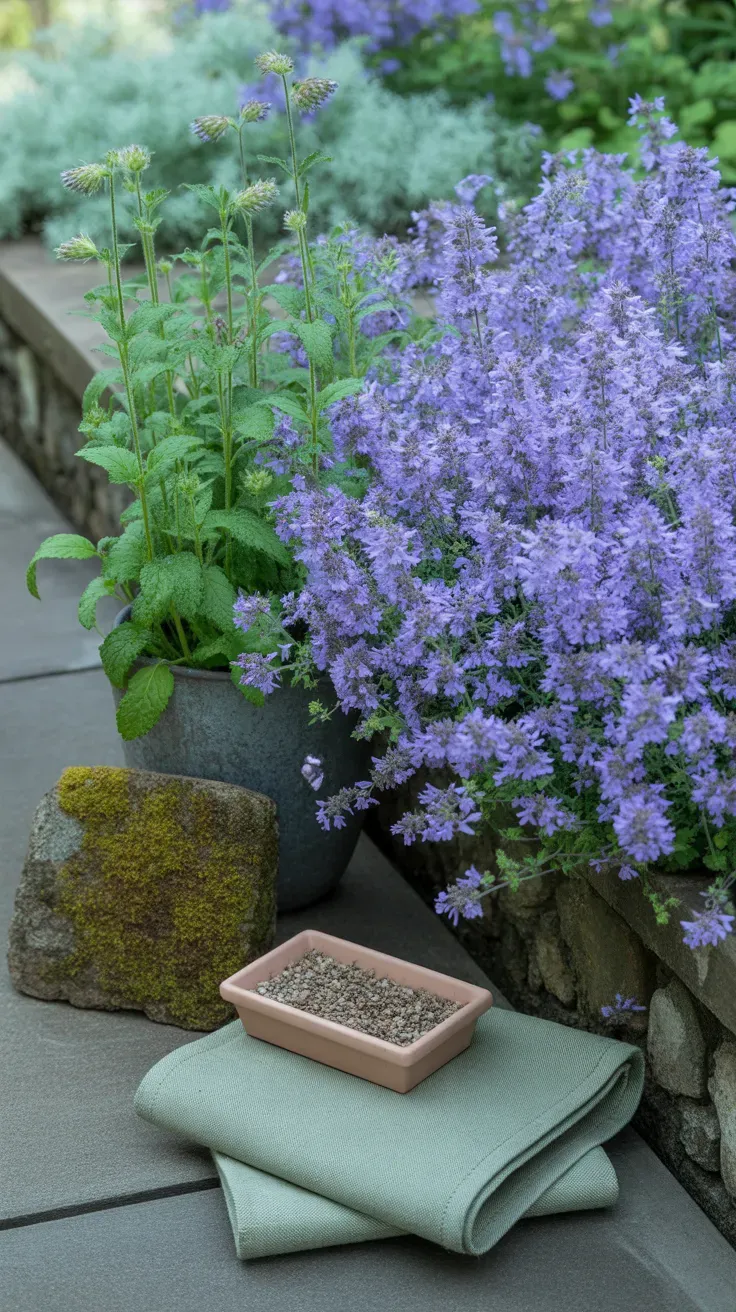
Catmint blooms four to six weeks before bee balm typically opens, which fills the early-season gap in a pollinator border while monarda is still just foliage.
Plant catmint along the front edge of your bed, about a foot from where monarda’s mature clump will spread, since catmint’s mounding habit needs room to cascade without getting shaded out later in summer. Shear it back hard by half after the first bloom flush fades in June — this triggers a second round of flowers that overlaps nicely with bee balm’s peak. Catmint tolerates poor soil and drought far better than monarda, so keep it on the drier side of your watering schedule.
Pro Tip: Shearing catmint right as bee balm starts budding keeps the earlier bloomer from flopping over and shading monarda’s lower leaves, which reduces mildew risk for both plants.
Browse more early-spring to late-summer bloom sequences, and see The Sill’s guide to Nepeta care for indoor-adjacent container options.
This pairing essentially doubles your pollinator season without adding a single extra bed to maintain.
Joe Pye Weed (Eutrochium purpureum)
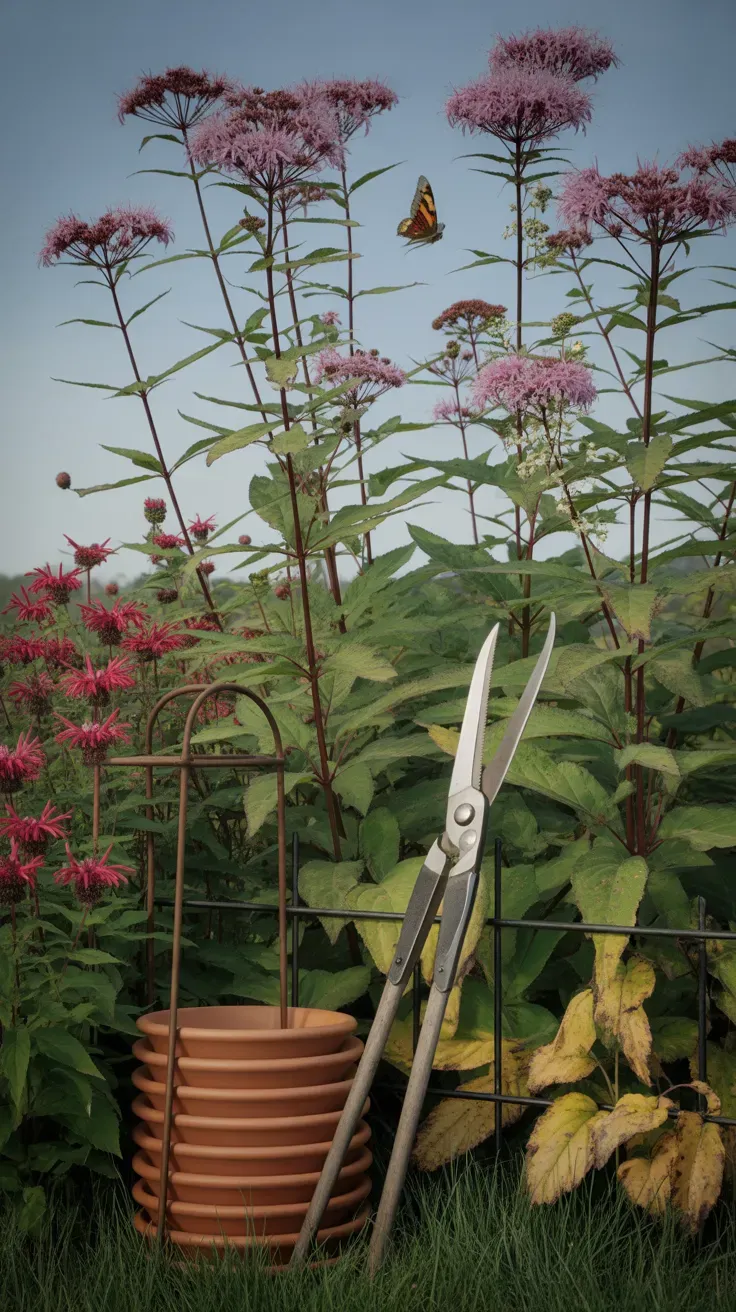
Joe Pye weed and bee balm are both native to moist meadows in much of North America, which means they share almost identical watering needs — a rare and genuinely useful trait when planning a low-fuss border.
Give Joe Pye weed the back row, since it reaches 4 to 7 feet tall and will shade out shorter monarda if planted in front. Both plants tolerate heavier, clay-rich soil better than most perennials, so this pairing works well in spots where drainage isn’t ideal. Water both deeply once or twice weekly during dry spells rather than relying on rainfall alone, especially in their first two seasons while roots establish.
Learn more about moisture-loving native perennial combinations, and read the Missouri Botanical Garden’s Eutrochium profile for mature spread details.
Together they create a native pollinator anchor that needs almost no supplemental care once established.
Lavender (Lavandula angustifolia)
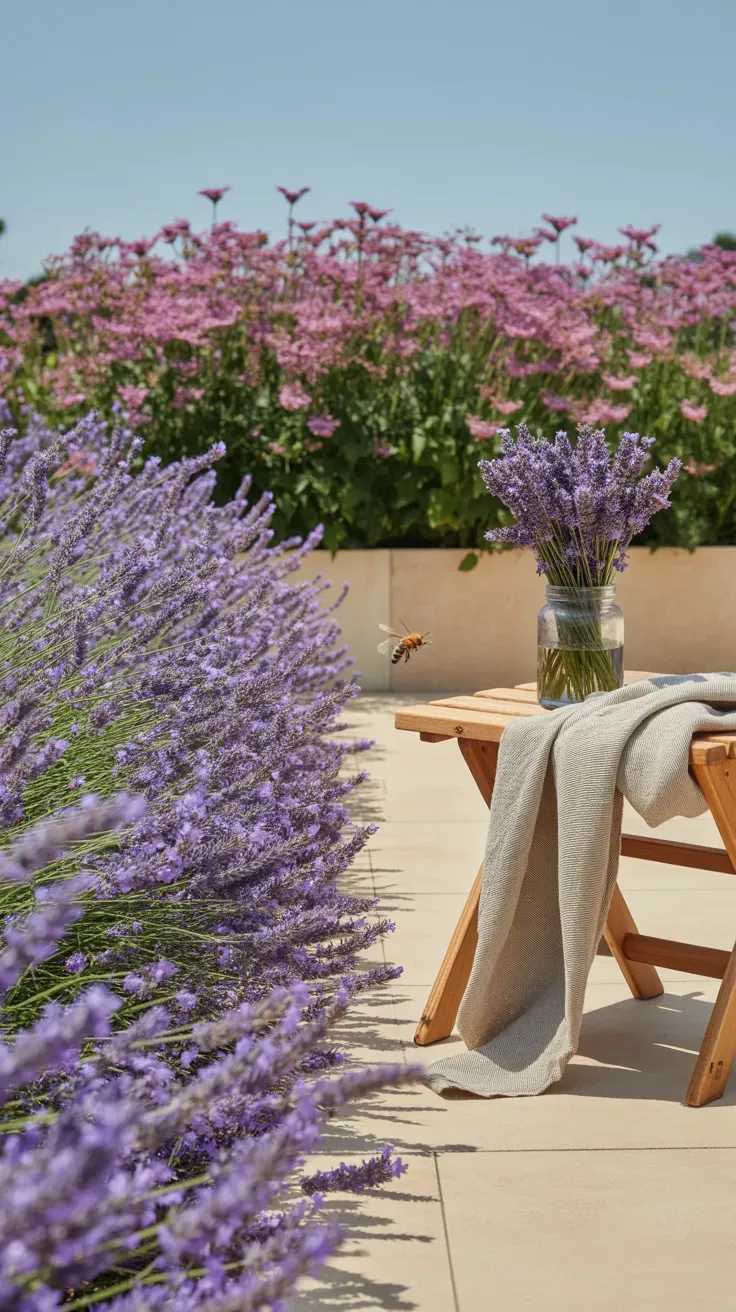
Lavender’s need for sharp drainage puts it slightly at odds with bee balm’s preference for consistent moisture, but planted as a front-of-border edge a few feet away, it still works — as long as you don’t water them on the same schedule.
Plant lavender on a slight slope or in amended, gritty soil so excess water drains away from its roots quickly, and keep it at least 2 feet from monarda’s drip line so overspray from watering the bee balm doesn’t reach it. Prune lavender back by a third after its main summer bloom to keep it compact and prevent the woody, leggy growth that develops after three or four unpruned seasons.
- Beginner-friendly: container-grown lavender near an in-ground bee balm bed, so watering stays fully separate.
- More advanced: in-ground lavender on a raised, gravel-amended mound within the same border.
See more on pairing Mediterranean herbs with moisture-loving perennials, and reference Almanac.com’s lavender growing guide for pruning schedules.
The scent contrast alone — lavender’s calming herbal note against monarda’s citrusy, minty foliage — makes this edge planting worth the extra watering discipline.
Salvia (Salvia nemorosa)
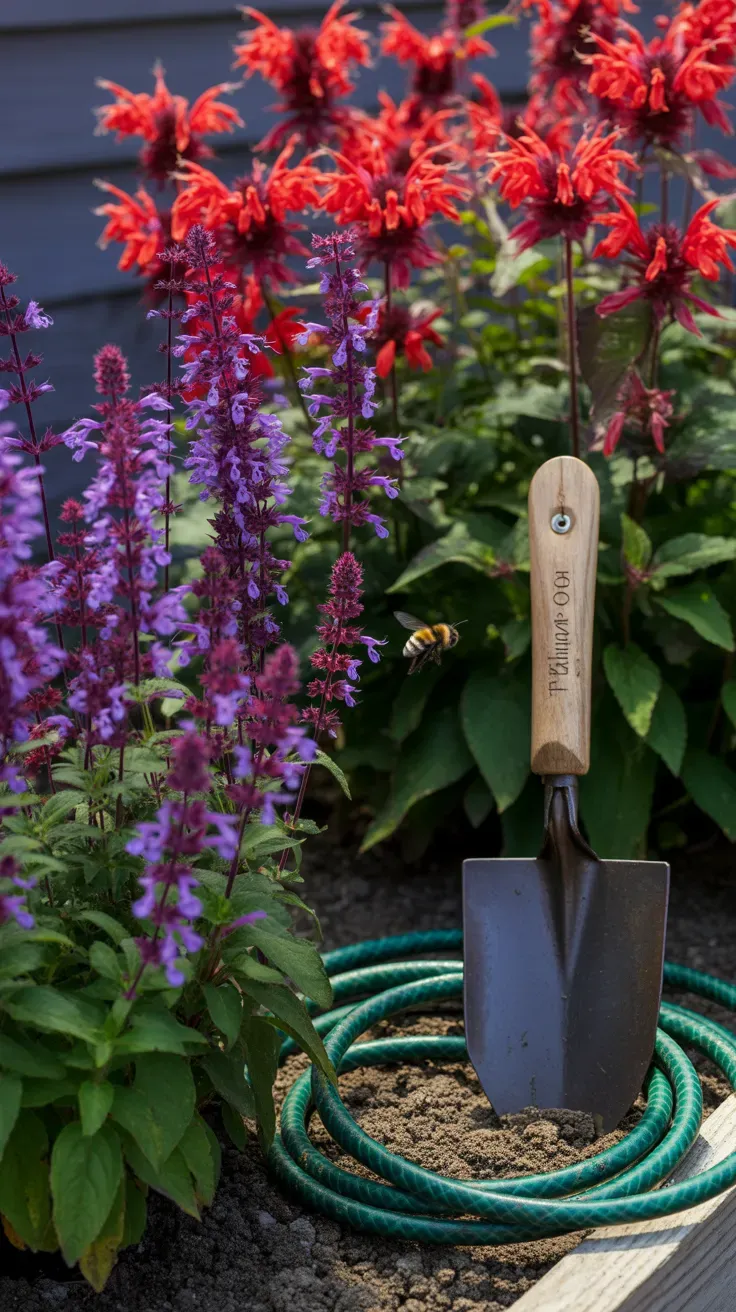
Salvia nemorosa reblooms readily after shearing, which keeps color in the border during the awkward stretch after bee balm’s first flush fades but before its secondary buds open.
Space salvia about 12 to 15 inches from monarda, since both are relatively compact and won’t compete much for light at that distance. Shear salvia’s spent flower spikes down to the basal foliage as soon as blooms fade — this alone can trigger a second bloom within three to four weeks. Both plants handle average garden soil without amendment, making this a genuinely low-effort pairing for a first-time perennial gardener.
Pro Tip: Stagger salvia and bee balm bloom times by shearing salvia early, so you always have one plant in full color while the other rests.
Explore more color-echo planting combinations for high-impact borders, and check BHG’s guide to salvia deadheading for exact timing.
This is one of the easiest pairings on this list for a gardener who wants reliable color without much intervention.
Little Bluestem (Schizachyrium scoparium)
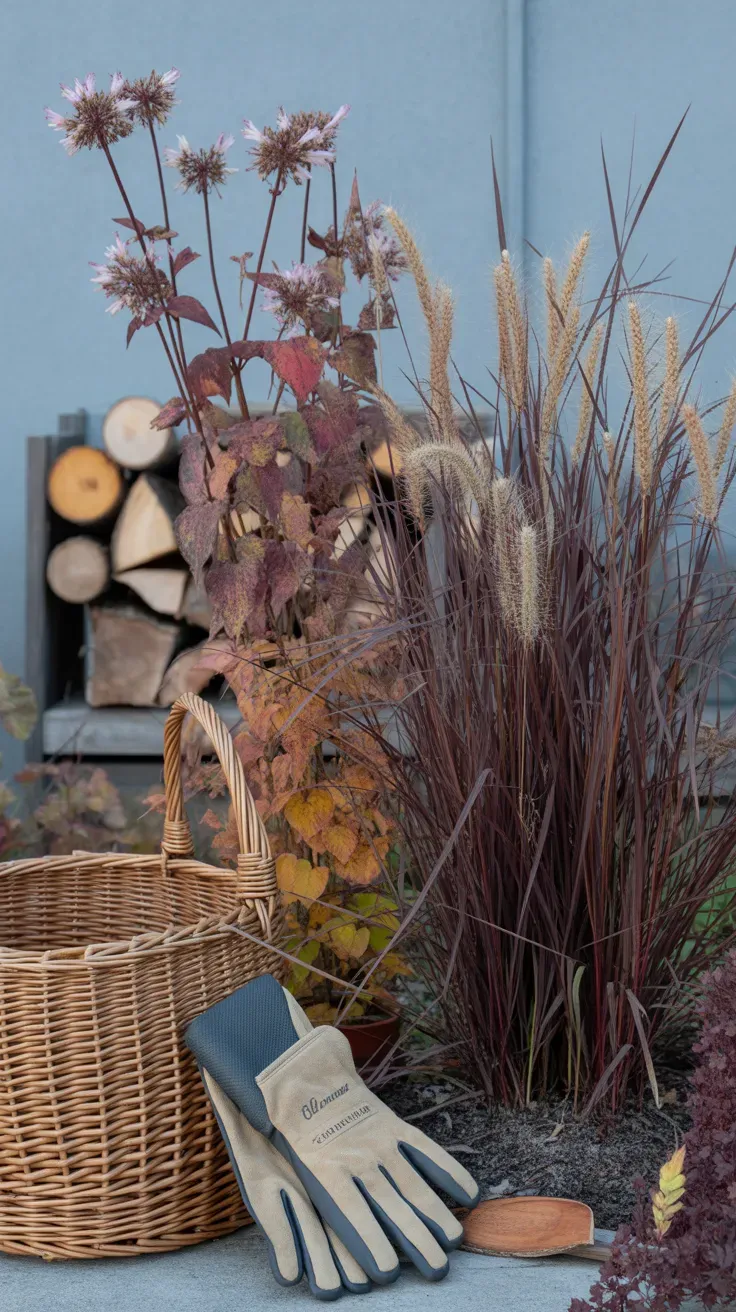
Little bluestem’s upright, airy growth habit does exactly what dense groundcovers can’t: it improves airflow around bee balm’s base without stealing the moisture monarda needs to thrive.
Plant this native grass on the drier side of your bee balm bed, since it actually prefers lean, well-drained soil and struggles in the consistently moist conditions monarda tolerates. Cut it back to about 4 inches in late winter before new growth emerges; leaving old blades through winter also gives overwintering native bees a place to shelter. Little bluestem turns a striking copper-bronze in fall, which extends visual interest in the border long after monarda has finished blooming.
Read more on native grasses for pollinator gardens, and see SFGate Home Guide’s notes on little bluestem care for regional hardiness.
This pairing rewards patience — it looks a little sparse the first year but fills in beautifully by the second or third season.
Mint (Mentha spicata) — Not Worth Planting Nearby
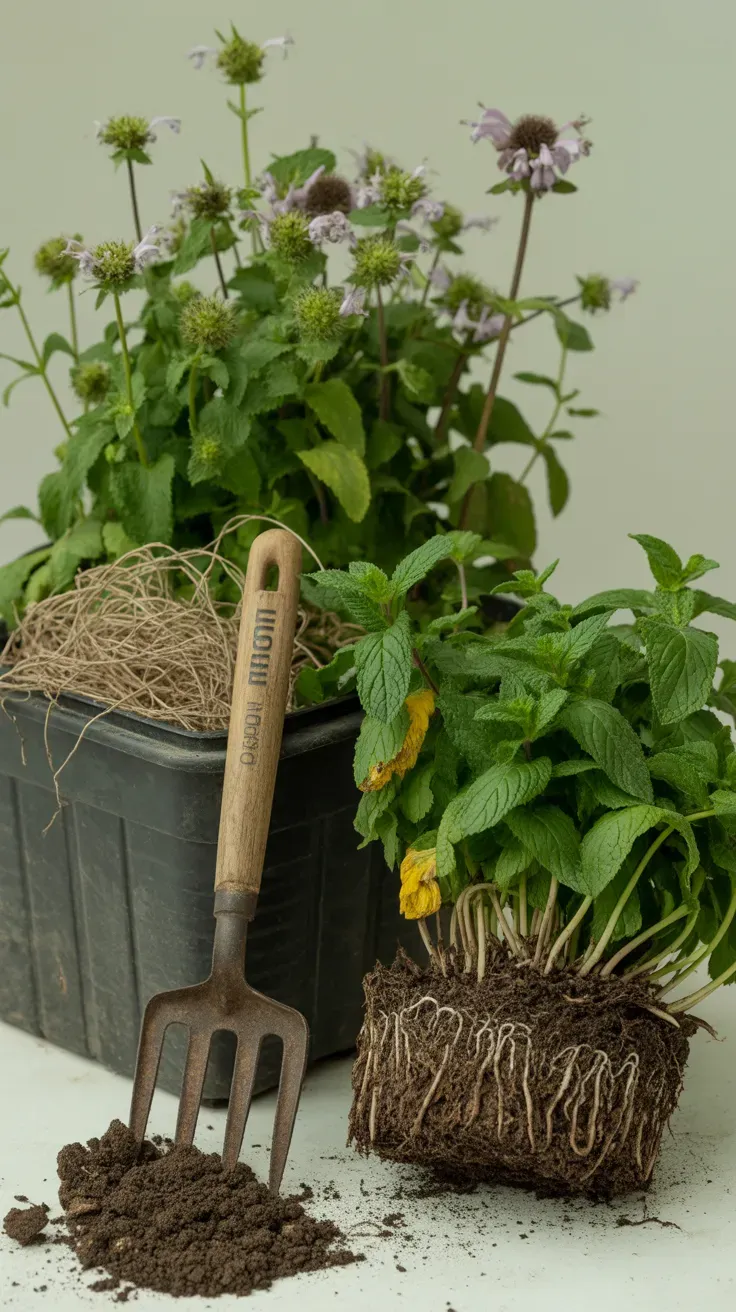
Mint and bee balm are both aggressive rhizome-spreaders in the same plant family, and planting them together is essentially setting up a two-year underground turf war neither one wins cleanly.
In my own garden, a small mint start planted 18 inches from an established monarda clump had infiltrated the bee balm’s root ball within a single growing season, and separating the two without killing part of the bee balm was nearly impossible. Both plants also share susceptibility to the same rust and mildew issues, so proximity doubles the disease pressure instead of diversifying it. If you want mint’s fragrance nearby, grow it in a buried container with the rim raised 2 inches above soil level to physically block rhizome escape.
See more on containing aggressive spreading herbs, and reference extension.ufl.edu’s guide to mint’s invasive habit for containment methods.
Keep mint in a pot on the patio instead, and let bee balm have the border to itself.
Hostas (Hosta spp.) — Not Worth Planting Nearby
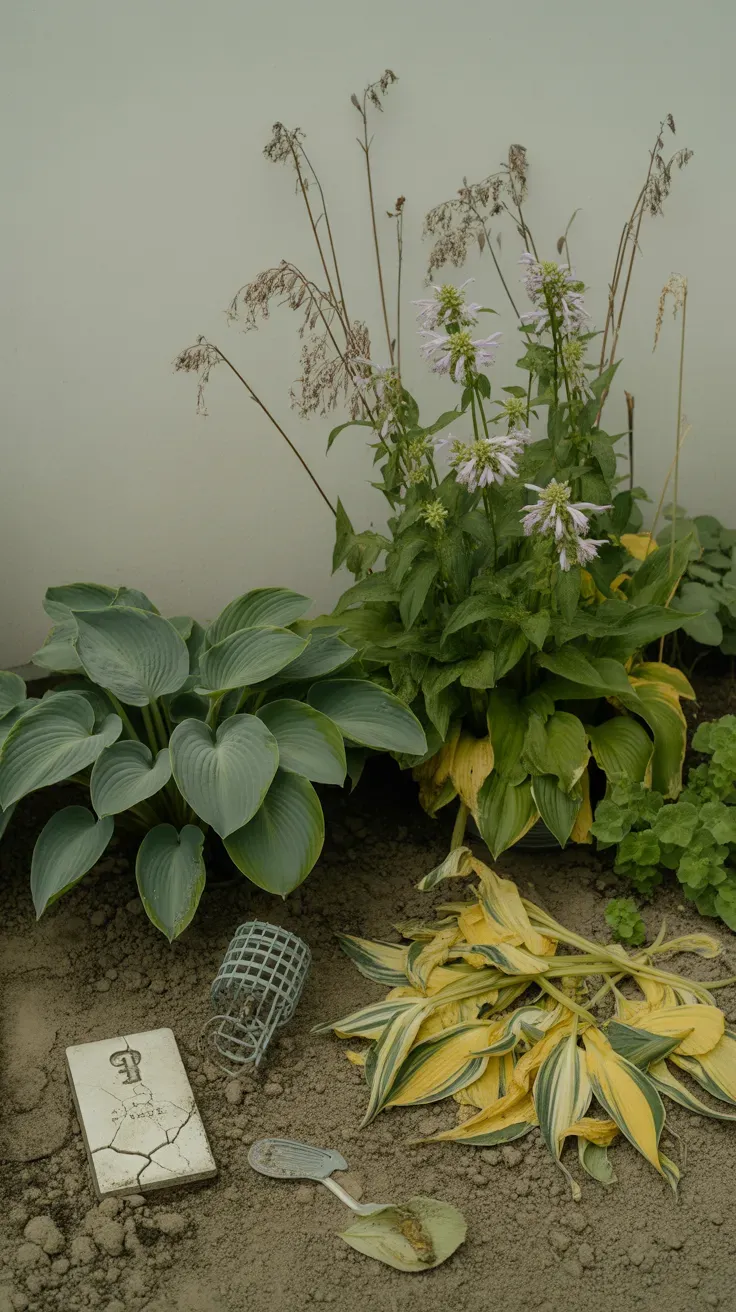
Hostas want part to full shade, while bee balm needs six or more hours of direct sun to bloom well and resist powdery mildew — pairing them almost guarantees one plant suffers no matter how you position them.
I tried this combination along a north-facing fence years ago, and by midsummer the bee balm had stretched nearly a foot taller than normal while producing barely a third of its usual blooms, all while reaching for light over the hostas. The two also have opposite watering rhythms: hostas prefer consistently moist, shaded soil, while bee balm in shade holds excess moisture around its base and becomes far more prone to fungal disease than it would in full sun.
Learn about matching sun and shade perennials correctly, and see RHS guidance on hosta light requirements for shade-tolerance specifics.
Give hostas a shaded bed of their own and let bee balm claim the sunniest spot in the yard.
Roses (Rosa spp.) — Not Worth Planting Nearby
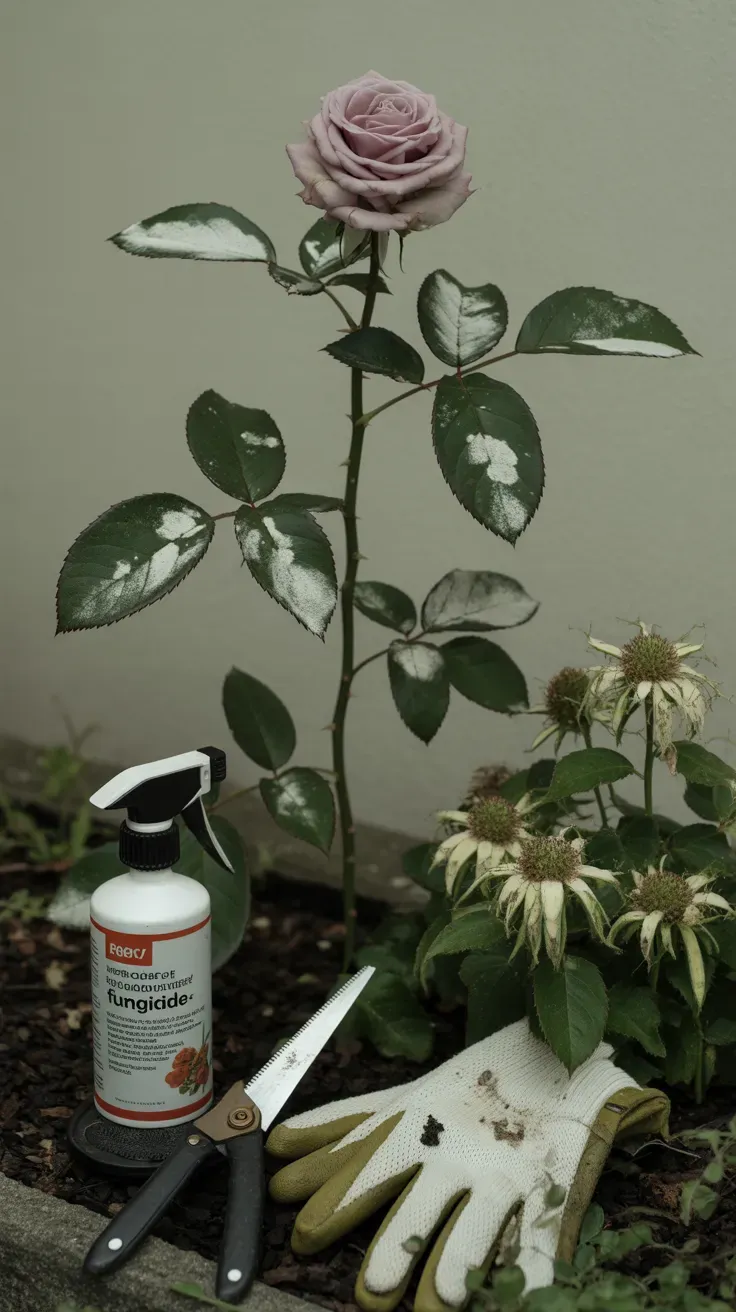
Roses and bee balm are both notorious powdery mildew hosts, and planting them within a few feet of each other essentially creates a shared fungal reservoir that reinfects both plants all season long.
Roses also need significantly more airflow and spacing than most gardeners give them — usually 3 feet minimum between shrubs — and bee balm’s dense summer growth crowds that airflow exactly when humidity and mildew risk peak in July and August. On top of the disease overlap, roses are heavy feeders that prefer richer, more amended soil than bee balm’s average-fertility preference, which makes shared bed maintenance genuinely harder, not easier.
- What works: planting roses and bee balm in separate beds at least 8-10 feet apart.
- What to avoid: any shared bed where the two canopies will touch by midsummer.
Read more on reducing powdery mildew in the perennial border, and see Gardeners’ World’s rose disease guide for treatment options.
If you love both plants, give each its own bed with real distance between them rather than fighting mildew all summer.
Peonies (Paeonia lactiflora) — Not Worth Planting Nearby
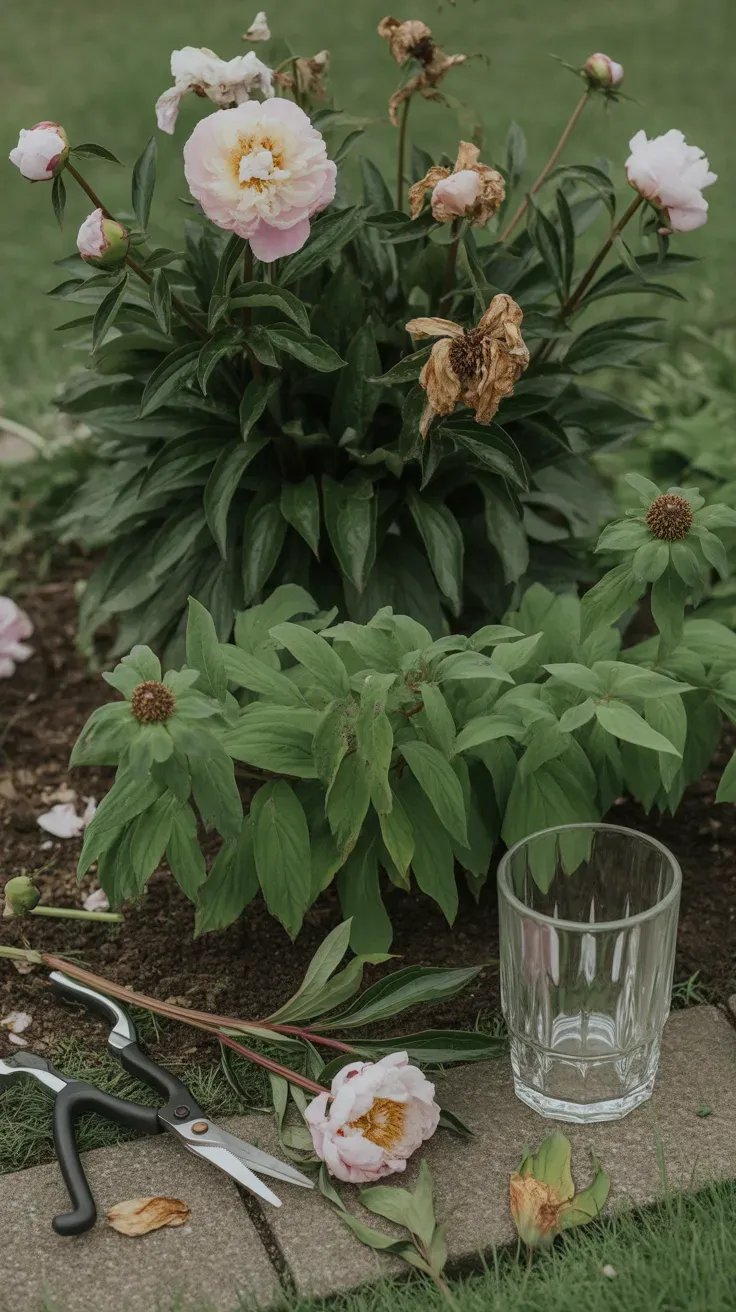
Peonies bloom and fade almost entirely before bee balm even reaches full height, which leaves an awkward multi-week stretch of bare, floppy peony foliage right where you wanted continuous color.
Peonies are also heavy feeders that resent root disturbance once established, while bee balm’s spreading rhizomes will eventually creep toward and around a peony’s crown, making future division of either plant far more complicated. Watering needs clash too — peonies want drier soil around their crowns to avoid botrytis blight, while bee balm tolerates and often prefers more consistent moisture, so a shared irrigation schedule tends to shortchange one plant or the other.
Explore more on sequencing spring-to-summer perennial blooms, and see extension.psu.edu’s peony care guide for crown-planting depth specifics.
Give peonies their own sunny spot with room to be admired in late spring, then let bee balm take over the same border visually by early summer instead of sharing the stage.
Bearded Iris (Iris germanica) — Not Worth Planting Nearby
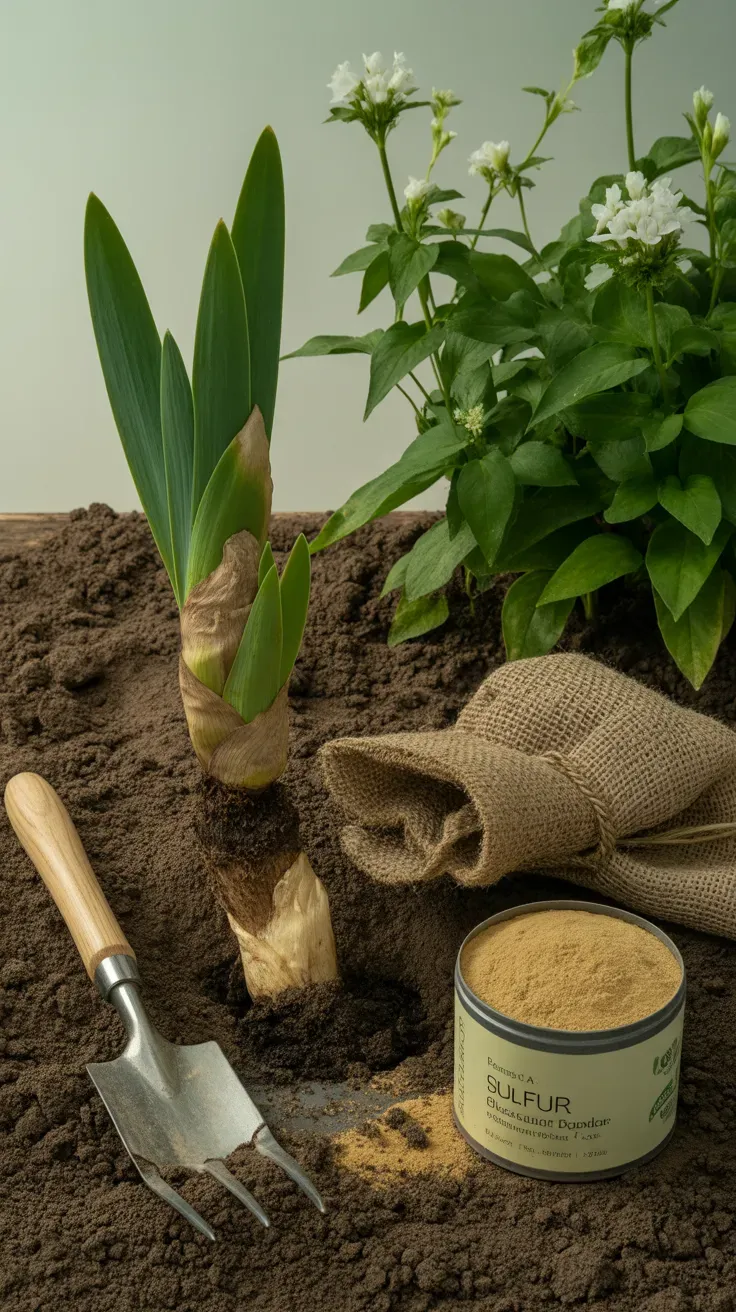
Bearded iris rhizomes need to sit partially exposed at the soil surface in fast-draining, on-the-dry-side soil, which is close to the opposite of what bee balm’s roots prefer just a foot or two away.
Planted too close to monarda’s regular watering zone, iris rhizomes are prone to bacterial soft rot within a season or two, especially in humid climates where bee balm’s moisture needs keep the surrounding soil consistently damp. The two also bloom on almost opposite schedules — iris peaks in late spring and is finished well before bee balm even buds — so you don’t gain the extended bloom season that makes companion planting worthwhile in the first place.
Learn more about rhizome care and rot prevention, and see Almanac.com’s bearded iris planting guide for correct rhizome depth.
Keep bearded iris in a separate, drier bed and reserve the moister ground for bee balm and its true companions.
Getting Started With Bee Balm Companion Planting
The easiest first step is choosing just one companion from this list — catmint or purple coneflower are the most forgiving — and planting it 18 to 24 inches from an established bee balm clump this season, rather than redesigning the whole border at once.
The most common beginner mistake is planting too close for the sake of a “fuller” look right away; bee balm’s mature spread of 2-3 feet catches new gardeners off guard by its second season, and overcrowding is what causes most of the mildew problems people blame on the plant itself.
What to buy first: one healthy quart-sized bee balm start, one companion from the list above in a matching light requirement, and a soaker hose to keep water off the foliage. Realistically, expect a modest first-year display and a genuinely full, layered border by the start of year two, once root systems establish and rhizomes fill in the gaps.
Frequently Asked Questions
What grows well next to bee balm?
Purple coneflower, catmint, Russian sage, salvia, and yarrow all grow well next to bee balm because they share its need for full sun and tolerate similar watering schedules. Space each about 18-24 inches from monarda’s outer stems to keep airflow open. Avoid crowding, since tight spacing is the main trigger for powdery mildew on bee balm.
What should you not plant next to bee balm?
Avoid mint, hostas, roses, peonies, and bearded iris near bee balm, since each conflicts with either its sun needs, watering rhythm, or shared disease susceptibility. Mint and bee balm both spread aggressively by rhizome and will compete for the same root space within a season. Roses and bee balm both attract powdery mildew, doubling the disease pressure in a shared bed.
Does bee balm attract mosquitoes or repel them?
Bee balm doesn’t attract mosquitoes and has historically been used in folk remedies as a mild insect deterrent due to its high oil content, though it isn’t a reliable standalone repellent. It’s primarily valued for attracting hummingbirds, bumblebees, and swallowtail butterflies. Plant it at least 3 feet from seating areas if mosquito control is a priority, and pair it with citronella-scented geraniums for a stronger effect.
How far apart should bee balm and other perennials be planted?
Space bee balm at least 18-24 inches from most companion perennials to allow for its mature 2-3 foot spread and to maintain airflow that reduces powdery mildew risk. Taller companions like Joe Pye weed need even more room, closer to 3 feet, since they can reach 7 feet at maturity. Crowded spacing is the single biggest cause of disease in mixed bee balm borders.
Why is my bee balm getting powdery mildew even with good companions?
Powdery mildew usually develops from overhead watering, poor airflow, or overcrowding rather than from the companion plants themselves. Switch to soaker-hose or drip irrigation at the soil line, and thin any stems growing inward toward the center of the clump each spring. Mildew-resistant cultivars like ‘Jacob Cline’ or ‘Marshall’s Delight’ also reduce the problem significantly even in humid climates.
A Few Final Thoughts
Getting bee balm companion planting right comes down to airflow, matching watering needs, and staggering bloom times so pollinators always have something to visit. Of the 15 pairings covered here, the 10 true companions — from purple coneflower to little bluestem grass — will genuinely extend your bloom season and cut down on mildew, while the 5 to avoid mostly fail on light, moisture, or shared disease risk rather than looks alone. Start with just one or two companions this season, give everything room to breathe, and resist the urge to fill every gap immediately. A thoughtfully spaced border built slowly over two seasons will outperform a crowded one planted all at once. Your hummingbirds and bees will notice the difference before you do.